Béarnaise sauce is a warm French sauce made of clarified butter emulsified into egg yolks and a white wine vinegar reduction, flavoured with shallot and tarragon. It is the classic sauce for steak.

Last updated
Recipe
Béarnaise sauce
Ingredients
Method
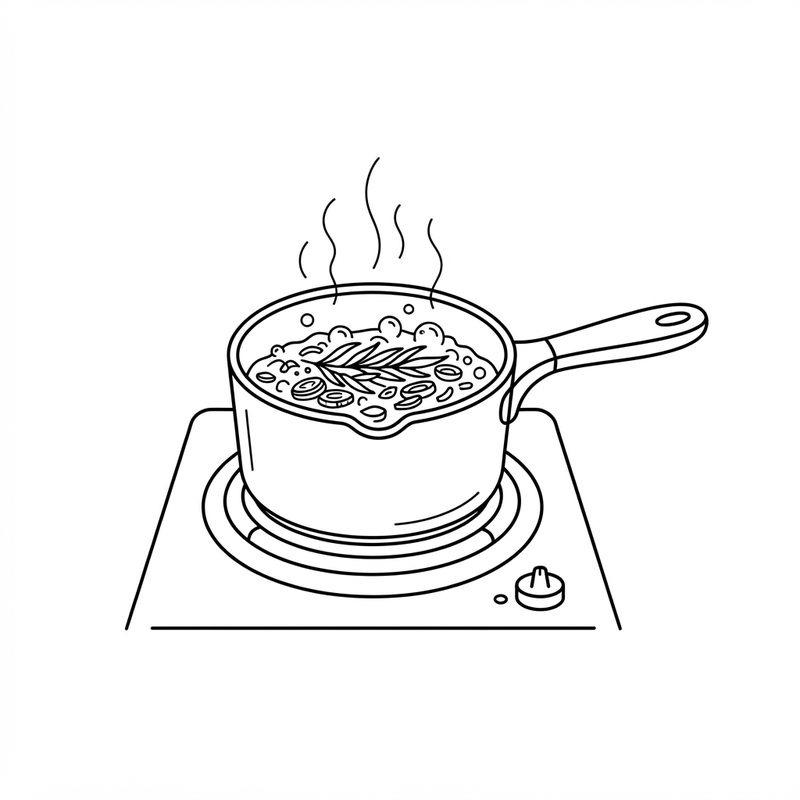
- In a small sauce pan on medium heat, bring finely sliced shallots, tarragon, vinegar, and lemon juice and cook until boiling. Continue boiling until the liquid reduced to approximately 2 tablespoons. This process would take for around 4 minutes.
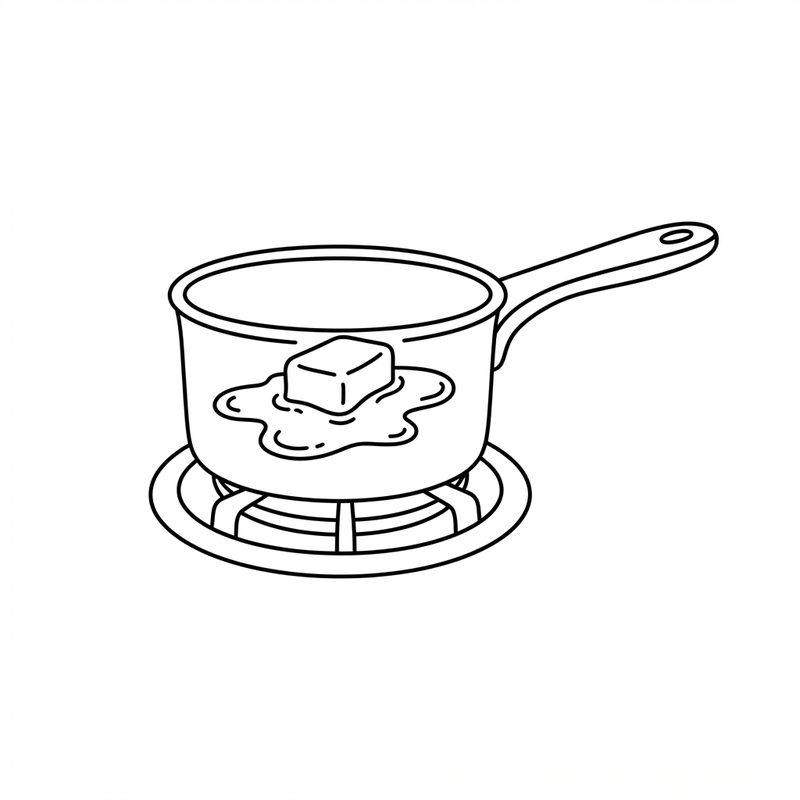
- While the mixture is boiling (step 1), on a separate pan, melt the butter on a medium heat. It is important to know that you should not overcooked the butter. Melt until it form a clarified golden melted butter.
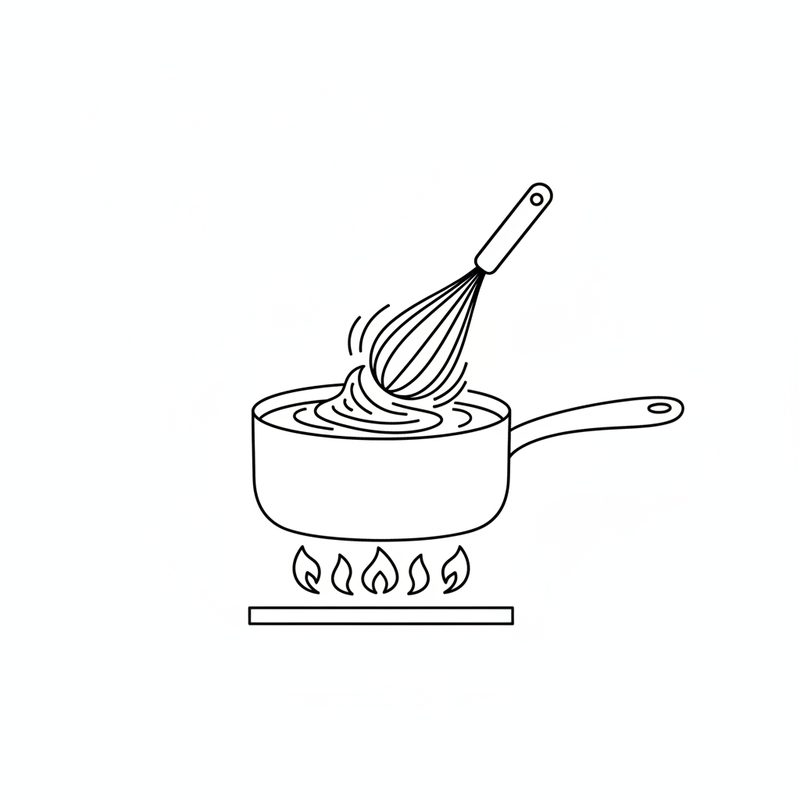
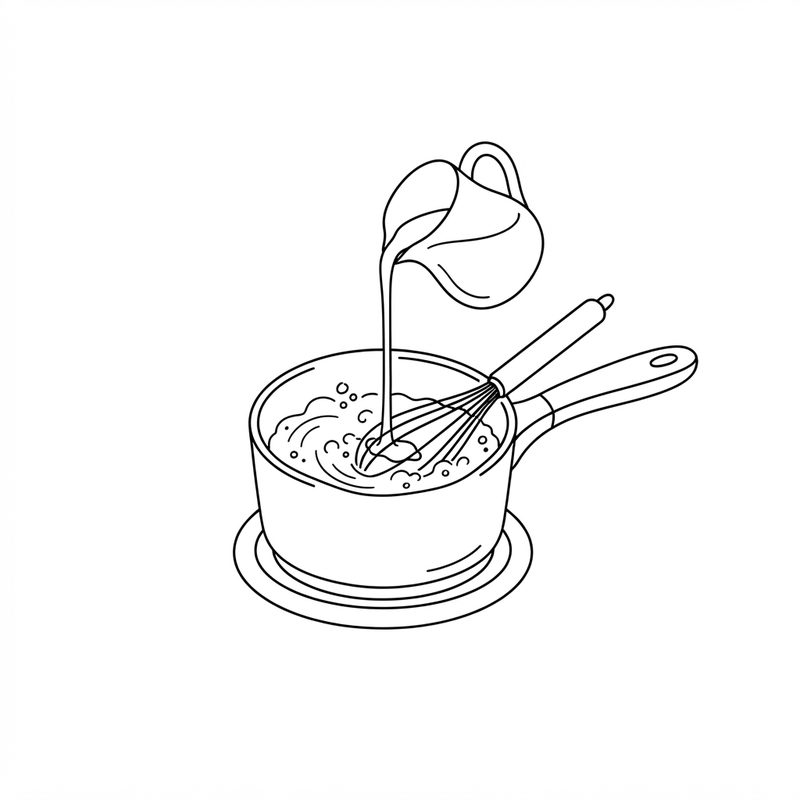
- When the mixture now reduces its volume into 2 tablespoon (step 1), reduce the heat into its lowest temperature (low heat), and add the egg yolk and water. Stir the mixture thoroughly until it thickens. In this step, the amount heat or temperature is important. Feel the bottom of the pan with your hands. If the heat is unbearable or too much, removed the pan. Continue the whisking of the mixture, until you achieve a creamy consistency. Place the pan back to the flame if the temperature lowers down or uneven.
- When the consistency is achieved, add the melted butter into the mixture. Whisk until the mixture is even and creamy. Season with a pinch of salt and pepper.
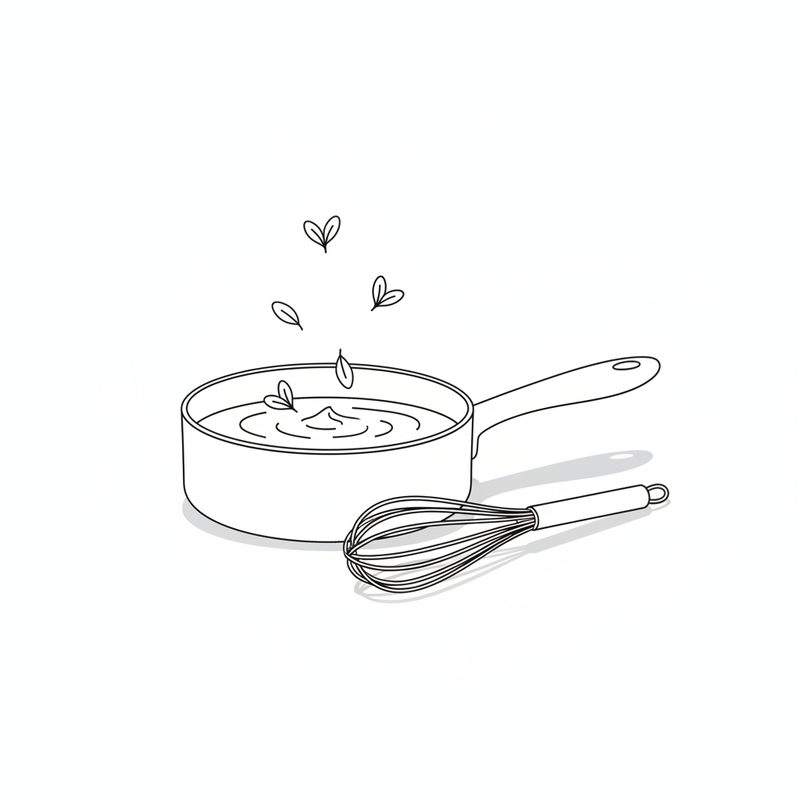
- To add more texture to the sauce, add more fresh herbs. Whisk for a minute or two. Remove from the flame.
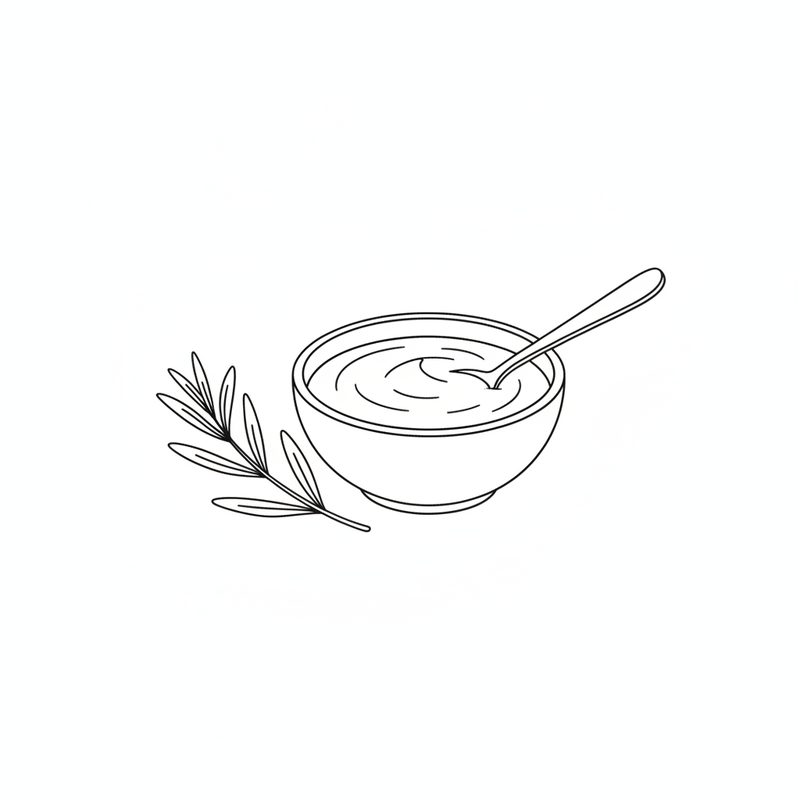
- On a small bowl or cup, place your freshly made Béarnaise sauce.
Step by step, in pictures
The six moves of the method, from the vinegar reduction to the finished bowl.
 Reduce shallots, tarragon and vinegar
- Melt the butter
- Whisk in the yolks on low heat
- Whisk in the melted butter
- Finish with fresh tarragon
- Serve it warm
What béarnaise tastes like, and where the name comes from
Béarnaise is rich and buttery from the yolks and butter, sharp from the vinegar reduction, and herby from the tarragon. It is thick enough to sit on a slice of steak rather than run off it.
In English it simply means “from Béarn”, a former province in south-west France. The most repeated account is that Jean-Louis-François Collinet made the sauce in 1836 for his restaurant Le Pavillon Henri IV at Saint-Germain-en-Laye, and named it after Béarn, home region of King Henri IV. The date and the attribution are widely repeated but not firmly documented.
Can you make béarnaise from hollandaise?
Yes. Béarnaise is counted as a “child” of hollandaise, one of the five mother sauces of French haute cuisine, and it is made the same way, with one change: a reduction of vinegar, shallot and tarragon takes the place of hollandaise’s lemon juice. Whisk a reduction like the one in step 1 of the recipe into a warm hollandaise and finish with chopped tarragon, and you have a béarnaise-style sauce. This recipe keeps a teaspoon of lemon juice in the reduction as well, as some other versions do.
How to rescue a split béarnaise
If the butter separates out and the sauce turns greasy and thin, rebuild it on a fresh yolk:
- Whisk one fresh egg yolk with a spoonful of warm water in a clean pan over low heat until it turns creamy.
- Add the split sauce a few drops at a time, whisking all the time.
- Once it starts to thicken again, pour in the rest in a thin, steady stream.
If the sauce tastes of cooked egg, the yolks have scrambled rather than split, and it cannot be brought back. Start again: the recipe card above is the quickest way.
Need a little more sauce rather than a rescue? Use the same base: whisk a yolk over low heat until creamy, then add a tablespoon of vinegar, a little shallot and tarragon, and 2 tablespoons each of water and butter, and whisk to the consistency you want.
Serve it warm, not hot
Béarnaise is served warm, not too hot, and is best eaten straight after cooking. If you need to hold it for a short while before serving, set the bowl over a pan of simmering water to keep it warm.
Steak is the classic partner, often with french fries on the side. It is also commonly served with grilled or pan-fried fish and with asparagus.
Ready-made béarnaise: when it makes sense
The quickest route is a packet of béarnaise sauce mix, made up as the packet says, or a jar of ready-made sauce warmed in a pan following the label. That is a fair choice when there is no time. Making it yourself is how you learn what a homemade béarnaise should taste like, and it needs nothing beyond the eight ingredients on the card.