Papaitan is a bitter soup from the Ilocos region of the Philippines, made from cow or goat innards — in this version, ox tripe, small intestine, heart and sliced beef. Its name comes from the Filipino word “pait”, meaning “bitter”, and the bitterness comes from bile — the liquid the liver produces and the gallbladder stores to aid digestion.
It is one of many Filipino dishes that take their protein from offal rather than muscle meat, and it is not a difficult soup to make. It is simply a slow one: the card below puts it at 1 hour 52 minutes.
Recipe
Papaitan
Ingredients
Method
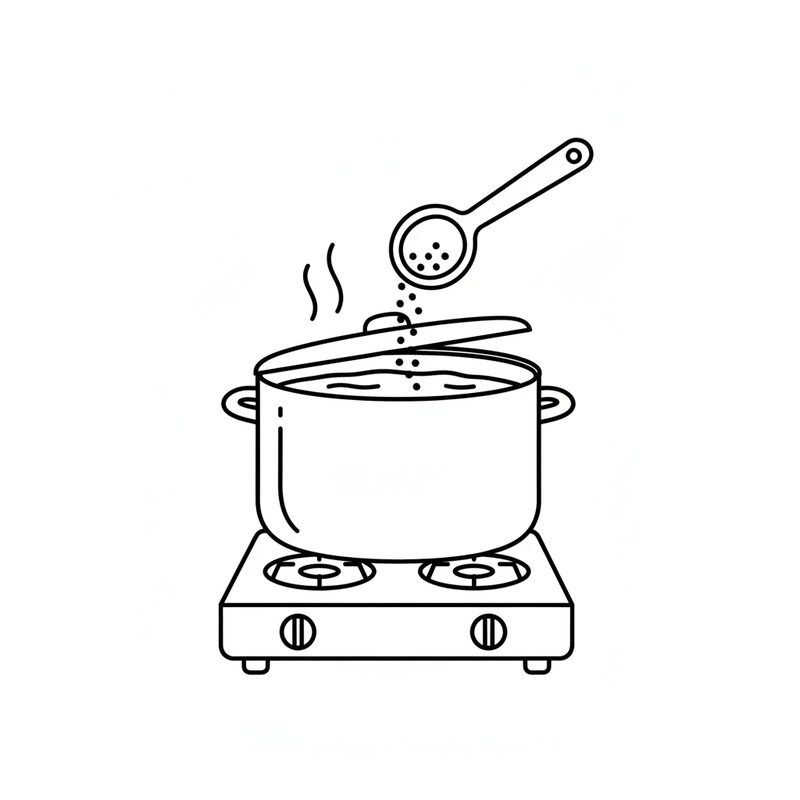
- Boil 4 cups of water with a tablespoon of salt in a cooking pot.
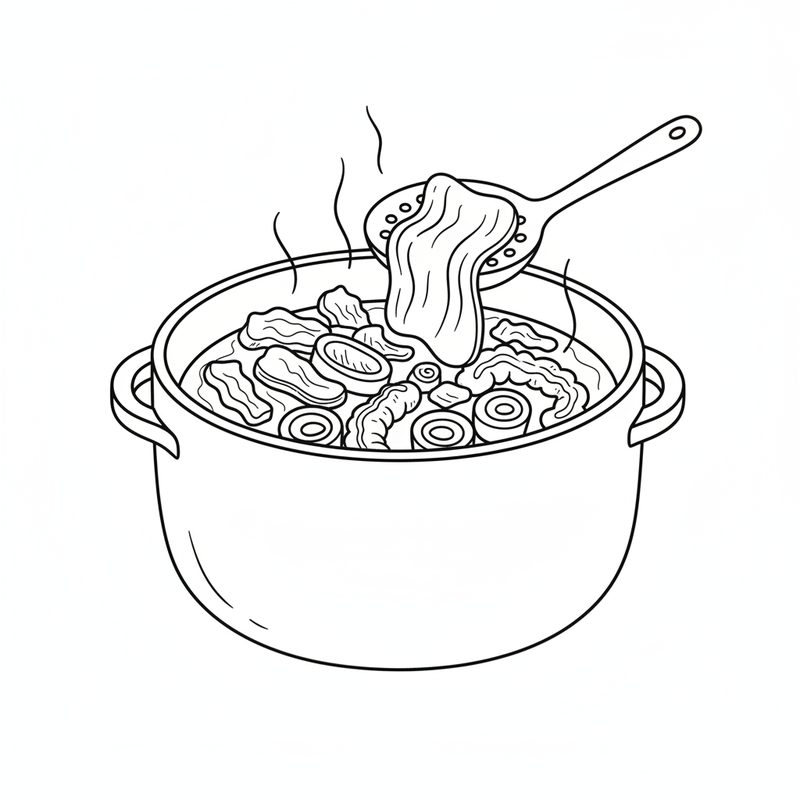
- Then, add in the ox tripe and small intestines, and let it simmer for 35 to 50 minutes until it's tender. Once it's done, remove the meat and slice it up. Don't forget to discard the water!
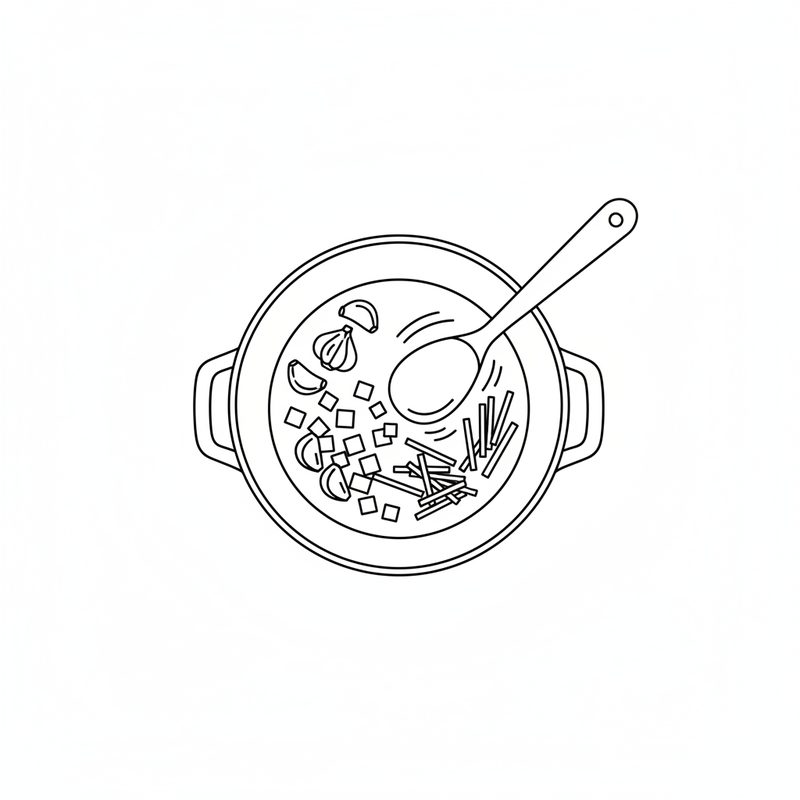
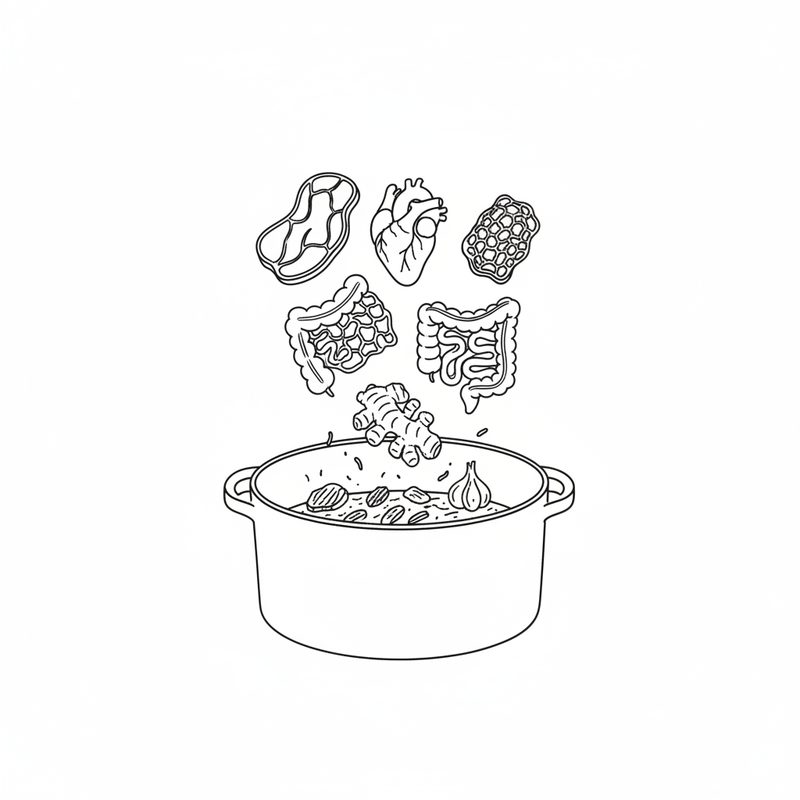
- Heat up a clean cooking pot and pour in some cooking oil. Once it's hot enough, add the garlic, onion, and ginger to sauté. Then, add the beef, heart, sliced intestines, and tripe and cook for 3 to 4 minutes.
- Add salt and ground black pepper, give it a good stir, and pour in the remaining 4 cups of water.
- Bring it to a boil and let it simmer for 40 minutes (you can add more water if needed).
- Add in the bile and let it simmer for another 5 minutes. Finally, throw in some finger chilies, squeeze in some lemon juice, and let it simmer for 3 more minutes.
- Turn off the heat and transfer it to a serving bowl. Serve it hot
Step by step, in pictures
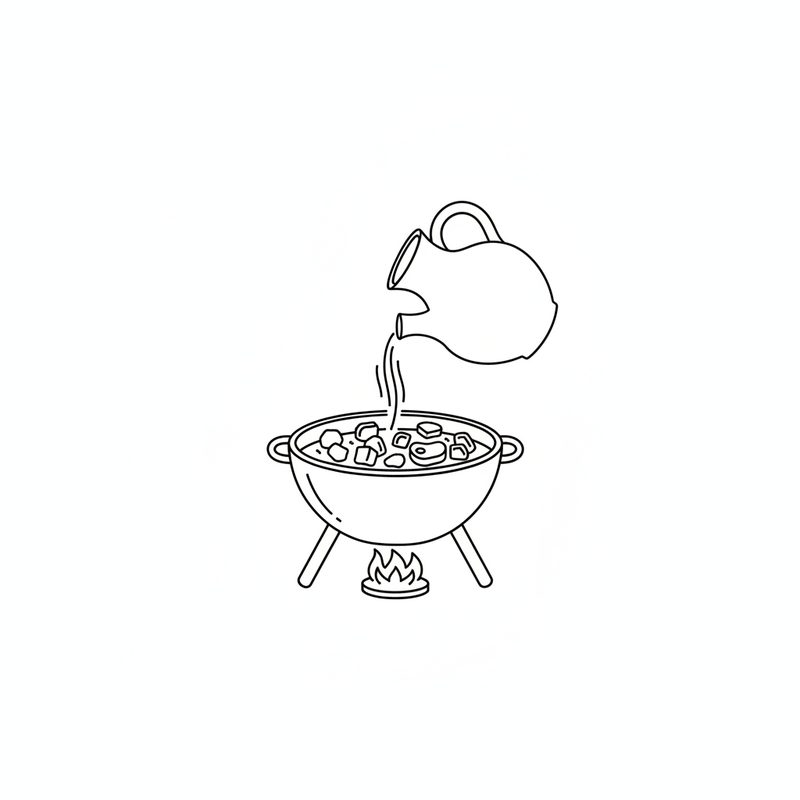
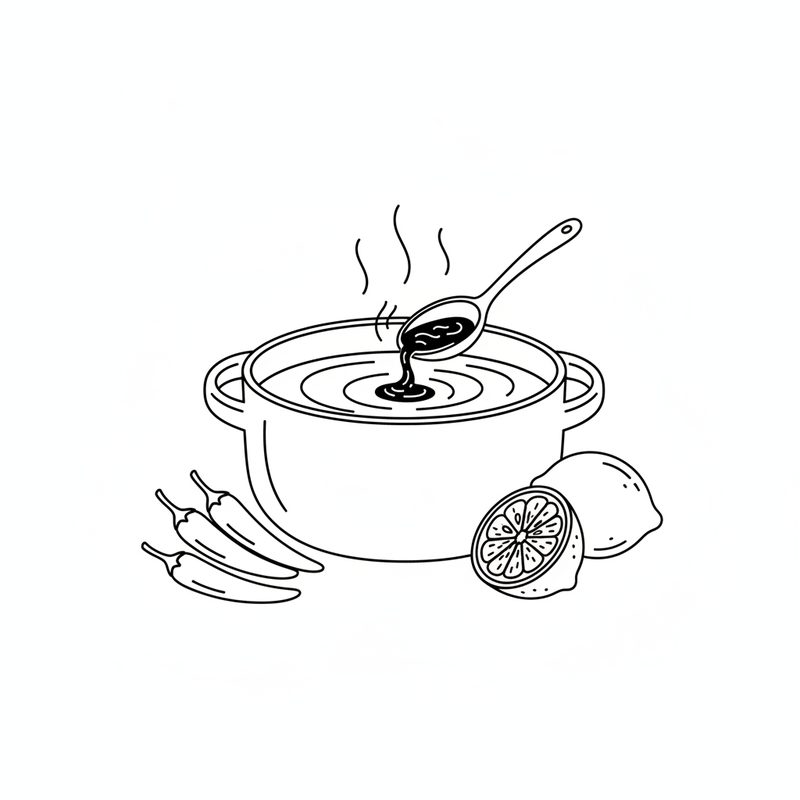
Six drawings for the six moves the recipe makes. Note the first of them: the tripe and intestines go into plain salted water, and that water is thrown away before the soup proper is started, so none of it ends up in the broth.
 Boil salted water.
- Simmer the tripe and intestines until tender, then slice.
- Saute garlic, onion and ginger.
- Add the beef, heart, intestines and tripe.
- Pour in the rest of the water and simmer.
- Stir in the bile, then the chilies and lemon.
How to clean tripe and intestines before you start
Buy them cleaned if you can, and clean them again anyway. This recipe opens with a salted parboil whose water is thrown away, and that step is there to tenderise — it does not stand in for cleaning the offal first.
The method the guides agree on is mechanical rather than chemical. Rub the tripe hard with coarse salt, front and back, then scrape both faces with a knife to lift what the salt loosens, along with loose fat and membrane. Intestine takes the same salt treatment plus a rub with plain flour, which is what pulls away the slime and most of the smell, and it is turned inside out first so the inner surface can be reached at all. A rinse with vinegar, lemon or calamansi finishes off what is left of the odour.
There is no fixed number of rinses to aim for. Keep going until the water runs clear, then parboil and pour that water away, which is the step the guides agree on most firmly of all.
Why papaitan tastes bitter, and how to dial it back
The bitterness comes from bile, stirred in near the end of cooking and left to simmer only a few minutes before the soup comes off the heat. It is the ingredient the dish is named after, so it is not a fault to be cooked out.
The recipe gives you a counterweight in the same breath: finger chilies and a squeeze of lemon or calamansi go in immediately after the bile. If papaitan is new to you, lean on that squeeze — extra calamansi is the usual way to make a first bowl easier to meet, and lime works if calamansi is not in the house.
Papaitan or pinapaitan?
They are the same dish. Search for either and you land on the same Ilocano offal soup — Wikipedia files its article under pinapaitan, while most Filipino recipe sites, this one included, call it papaitan. Both names are built on pait, so both are saying the same thing about the soup: that it is the bitter one.
Similar Filipino soups and stews to try next
If the offal is the part that appeals, the simplest next step is Isaw, barbecued intestines on a stick. The same cut turns up deep-fried as Crispy Bagbagis and in the creamy stew Dinakdakan, so one ingredient gets you three quite different dinners.
If it was the sour, soupy side that appealed rather than the innards, Filipino cooking has a long list of those too. Sinigang na Hipon is the sour soup most people meet first, and Bicol Express swaps the broth for coconut milk and chilies.
Papaitan FAQ
What is the authentic recipe for papaitan?
There is no single one. The first page of results for this soup alone offers beef versions, goat versions, one soured with kamias, and a packet mix — all called papaitan. It is a regional home dish rather than a fixed formula, so treat this version as one household’s, not as the definitive article.
Is papaitan made with beef or goat?
Both. Goat and beef versions sit side by side on the first page of results for this soup, and recipes exist for each. The card below is the beef and ox version.
How long does papaitan take to cook?
1 hour 52 minutes in total by the card, with 10 minutes of that hands-on, plus whatever cleaning the offal needs before any of it starts. Almost all the rest is unattended simmering, in two stretches: once to tenderise the tripe and intestines, and once to build the broth.