Scrambled egg whites are egg whites separated from their yolks, whisked until frothy and cooked over medium heat in a non-stick pan until they set into soft, moist curds. This basic version needs four egg whites, salt, pepper and a light coat of cooking spray or oil, and it is on the plate in about 10 minutes. Below the card are step-by-step pictures, the habits that keep the whites fluffy rather than rubbery, three flavour variations and an honest look at what you give up by leaving out the yolk.

Last updated
Recipe
Scrambled Egg Whites
Ingredients
Method
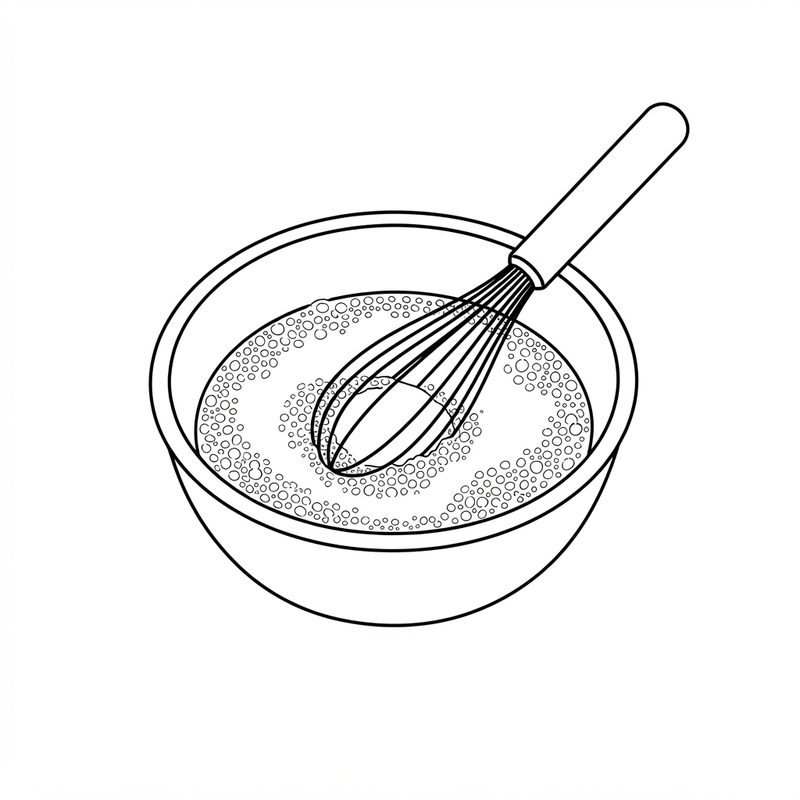
- Whisk the egg whites: In a bowl, whisk the egg whites until they become frothy. This helps incorporate air into the mixture, resulting in a light and fluffy texture.
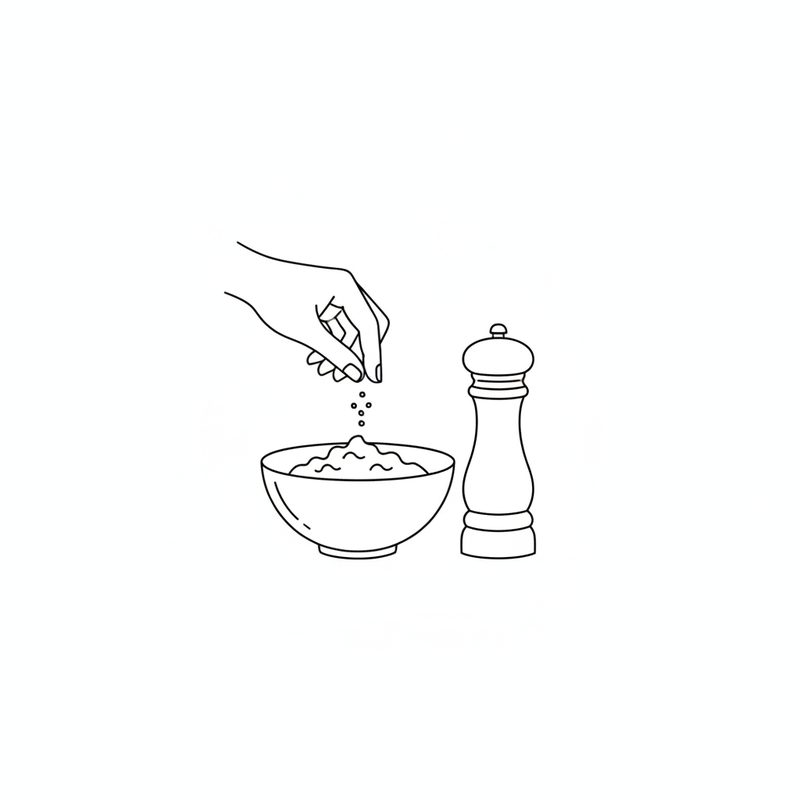
- Season with salt and pepper: Add a pinch to the whisked egg whites, adjusting the amount according to your taste preferences. This enhances the overall flavor of the scrambled egg whites.
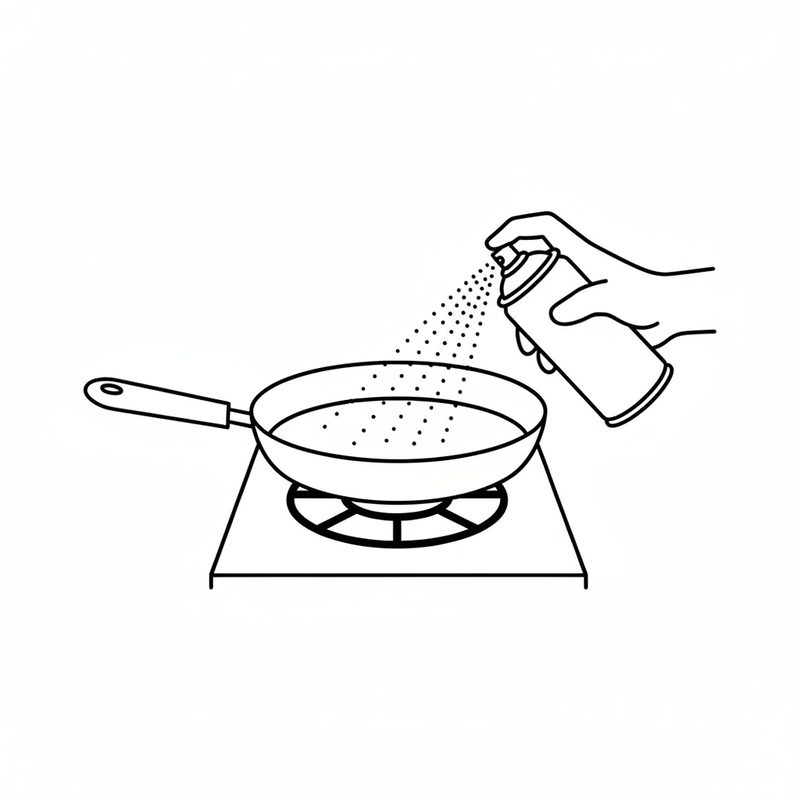
- Preheat and coat the skillet: Preheat a non-stick skillet over medium heat. Lightly coat the skillet with cooking spray or oil to prevent the egg whites from sticking.
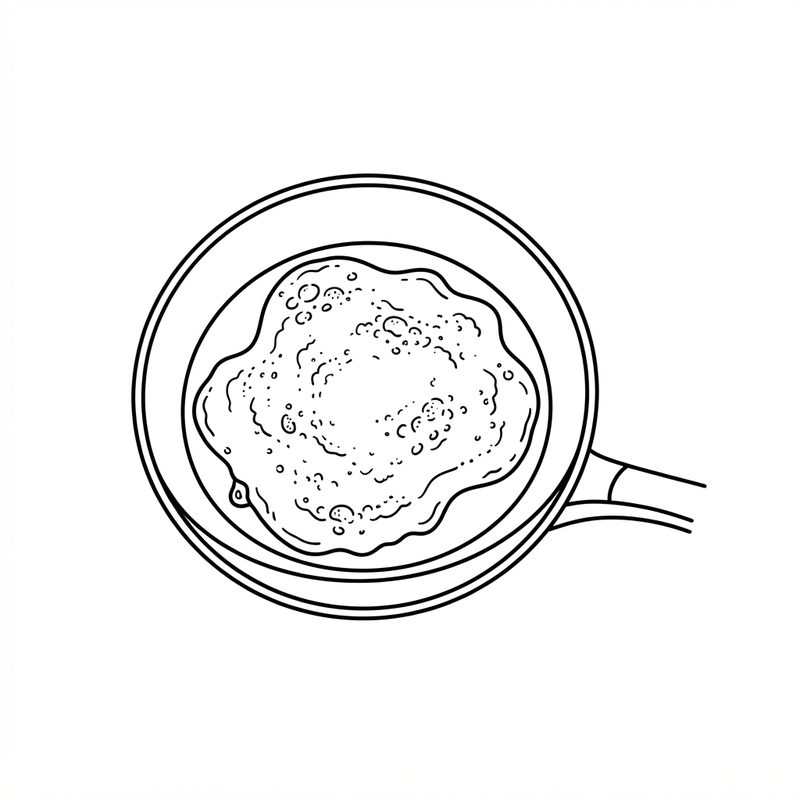
- Cook the egg whites: Pour the whisked egg whites into the skillet and let them cook undisturbed for a few seconds until the edges start to set. This allows the egg whites to solidify slightly.
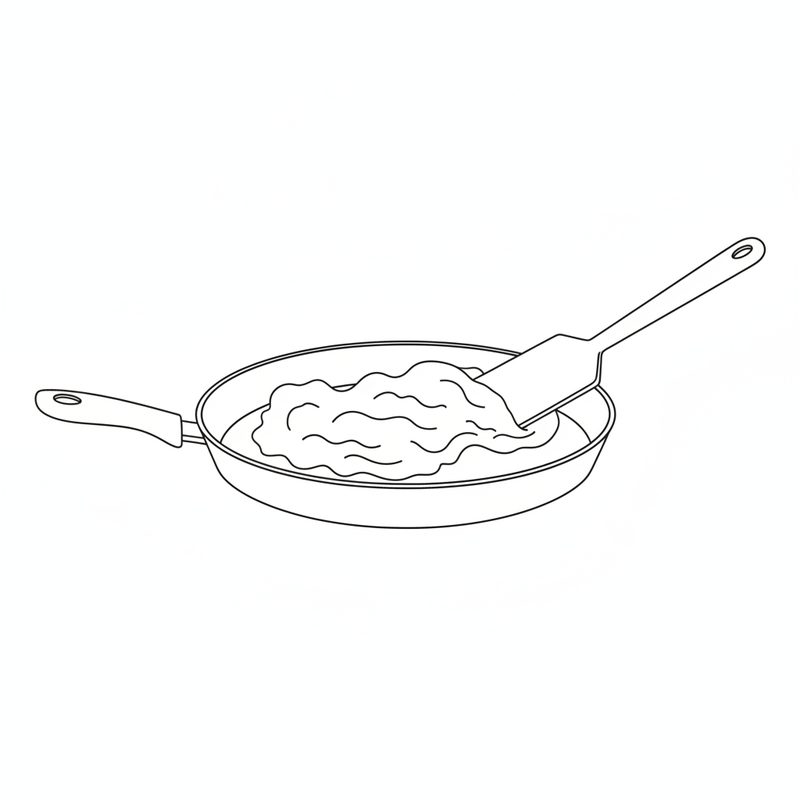
- Stir or fold the egg whites: Gently stir or fold the egg whites using a spatula, creating soft curds. This helps distribute the heat evenly and ensures that the egg whites cook uniformly.
- Cook until the desired doneness: Continue cooking and stirring the egg whites until they are cooked through but still moist. Be careful not to overcook them to maintain their fluffy texture.
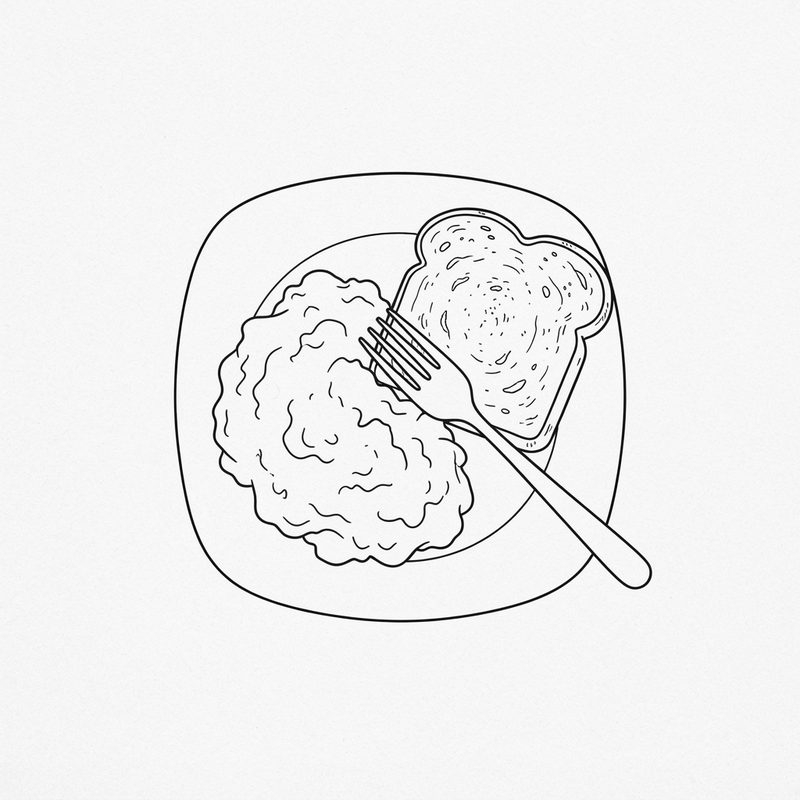
- Serve and enjoy: Transfer the scrambled egg whites to a plate and serve immediately. They can be enjoyed independently or paired with your favorite breakfast sides, such as whole-grain toast or fresh vegetables.
How to scramble just egg whites, in pictures
Each picture matches a step of the method in the card: froth, season, heat the pan, let the edges set, fold into curds and serve straight away.
 Whisk until frothy
- Season with salt and pepper
- Heat and lightly coat the pan
- Let the edges set
- Fold into soft curds
- Serve straight away
How to keep scrambled egg whites fluffy, not rubbery
Egg whites set quickly, so most of what goes wrong happens in the last half-minute in the pan. Five habits make the difference.
Use fresh, uncracked eggs
Pick eggs with clean, intact shells and check the date on the box. A cracked egg is not worth the risk, and a fresh one is easier to separate cleanly.
Separate the whites cleanly
Work over a clean, dry bowl. Crack the egg gently on a flat surface, open it into two halves and pass the yolk from one half to the other, letting the white fall into the bowl. Try not to break the yolk: even a little yolk in the whites makes them harder to froth and changes the texture of the finished curds.
Whisk until frothy, then season lightly
Whisking until the surface is covered in fine bubbles is what gives the curds their light texture. A pinch of salt and some black pepper is enough for the basic version. Chives, parsley or dill add a fresh note; paprika or garlic powder add depth.
Medium heat and a non-stick pan
Preheat a non-stick skillet over medium heat and give it only a light coat of spray or oil. Pour in the whites and leave them alone for a few seconds until the edges begin to set, then fold them gently with a spatula into large, soft curds rather than stirring them into crumbs.
Stop the moment they are done
Take the pan off the heat as soon as no liquid egg remains and the whites are firm but still look moist. The FDA advises cooking eggs until the white is firm, and the American Egg Board says scrambled eggs are done when no visible liquid egg remains. Whites that sit in a hot pan after that point turn dry and rubbery, and they firm up a little more on the warm plate, so serve them straight away.
Three ways to make scrambled egg whites taste better
Plain scrambled egg whites are mild, which is why most people asking how to make them taste good end up adding something. Each version below starts from the card recipe (four whites, salt, pepper, spray or oil) and only lists what you add to it.
Mediterranean: sun-dried tomato, olive, feta and basil
Add to the basic recipe:
- 1 tablespoon sun-dried tomatoes, chopped
- 1 tablespoon Kalamata olives, chopped
- 1 tablespoon feta, crumbled
- 1 tablespoon fresh basil, chopped
Stir everything into the whisked whites before they go into the pan, then cook exactly as the card describes, folding gently so the tomatoes, olives and feta spread evenly through the curds. The olives and feta are salty, so taste before adding more salt.
Cheesy herb: cheddar with parsley, chives or dill
Add to the basic recipe:
- 2 tablespoons cheddar, shredded
- 1 tablespoon fresh herbs, chopped (parsley, chives or dill)
Stir the cheese and herbs into the whisked whites, then cook as in the card. The cheddar melts into the curds as you fold them.
Vegetable and feta
Add to the basic recipe:
- 1/4 cup mixed vegetables, chopped (bell pepper, onion and spinach work well)
- 2 tablespoons feta, crumbled
This one has an extra step: soften the vegetables first in a separate pan with a little oil. Raw vegetables give off water as they cook, which leaves the whites wet. Stir the cooked vegetables and the feta into the whisked whites, then cook as in the card.
Adding more protein
Egg whites also make a plain base for other protein. Add these already cooked, so they only need warming through in the pan:
- Lean meat: diced cooked turkey, chicken or ham.
- Seafood: cooked shrimp, flaked salmon or crabmeat.
- Beans: mashed or puréed black or kidney beans, mixed into the whites.
- Tofu: crumbled or diced, sautéed with vegetables first.
On the side, whole-grain toast or fresh vegetables are the simplest match; an avocado salad or a bowl of fruit salad both fit, and banana pancakes make a sweeter breakfast plate.
Are scrambled egg whites healthy?
They are a lean source of protein, with a trade-off. Cleveland Clinic describes egg whites as almost pure protein with no saturated fat; the saturated fat and cholesterol sit in the yolk. So do most of the vitamins: according to the American Egg Board the yolk holds all of the egg’s vitamins A, D, E and K and all of its choline, plus most of its iron and folate, and Cleveland Clinic notes it has more vitamin B12 than the white. The white still supplies more than half of the egg’s protein and riboflavin. Scrambled egg whites suit a lower-fat breakfast; whole eggs give a broader spread of nutrients. If you are following a medical diet, that choice is one to make with your doctor or dietitian.
Storing and reheating leftover egg whites
Refrigerate leftovers promptly in an airtight container and eat them within 3 to 4 days, which is the FDA’s guidance for leftover cooked egg dishes. Reheat them gently in a skillet over low heat, or in the microwave, until hot all the way through. Expect them to be a little firmer and less fluffy than when freshly made.
Scrambled egg whites: common questions
Are scrambled egg whites a thing?
Yes. They are simply eggs scrambled without the yolks: the whites are separated, whisked and cooked the same way as ordinary scrambled eggs, which gives paler, lighter curds with a milder taste.
Are scrambled egg whites as nutritious as whole eggs?
Not quite. The whites keep more than half of the egg’s protein and almost none of its fat, but most of the vitamins sit in the yolk, so whole eggs are the more complete food. The health section above lists what the yolk carries.
Why are my scrambled egg whites watery?
Usually because of what was added rather than the whites themselves: add vegetables already softened, as in the vegetable and feta version above. Whites left too long in a hot pan can also tighten and leave a little liquid on the plate, so take them off the heat as soon as they are done.