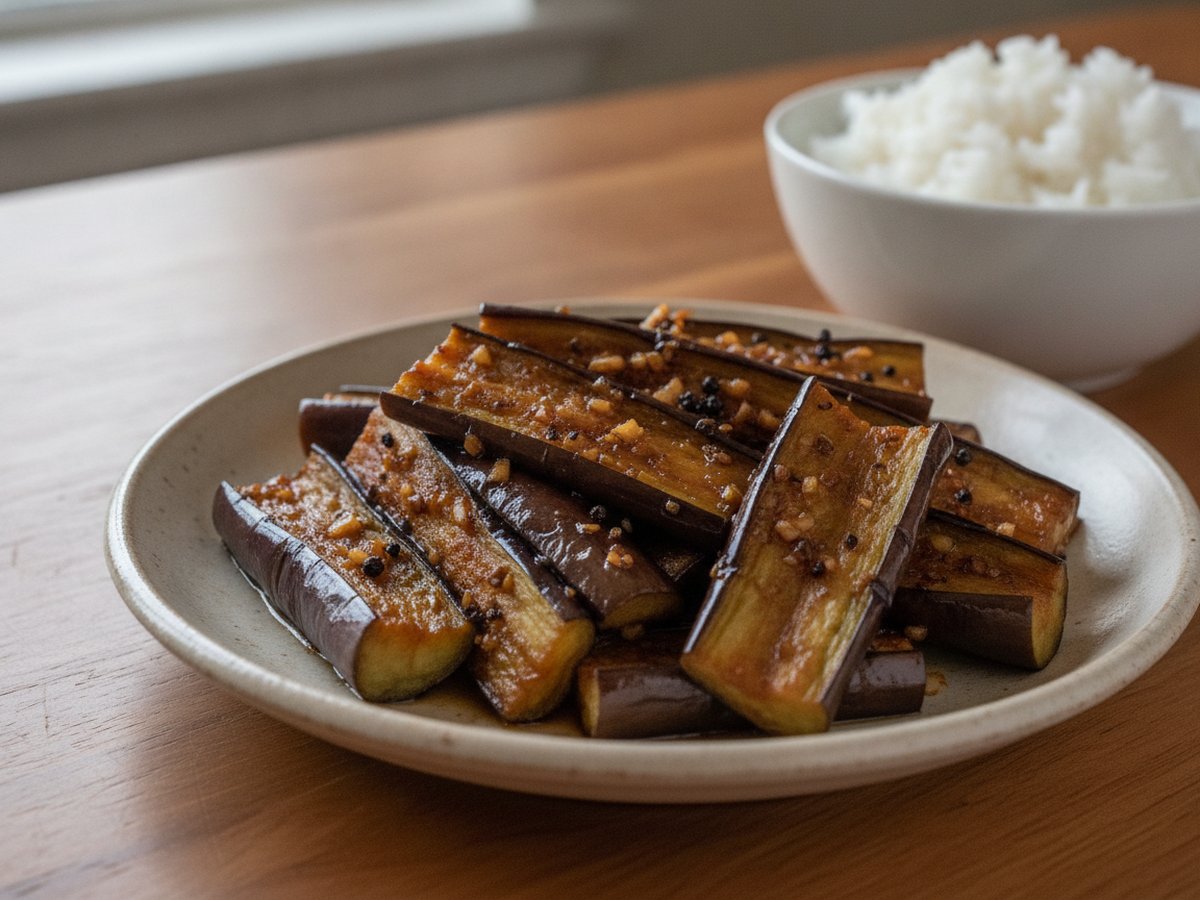
Adobong talong is eggplant cooked adobo style: Chinese eggplants are halved, cut into 2-inch pieces and fried until brown, then simmered for 2-3 minutes in a sauce of vinegar, soy sauce, garlic, black pepper and a little sugar. This recipe serves 4 and takes about 25 minutes. It has no meat in it, so it is a vegetarian, and vegan, take on a popular Filipino dish.
In the Philippines, adobo is both a dish and a cooking method. Meat, seafood or vegetables are simmered in vinegar, soy sauce, garlic and pepper, and many cooks add bay leaves. Chicken adobo and pork adobo are the classic versions; tofu, mushrooms and eggplant are the usual choices if you do not eat meat. Talong is the Filipino word for eggplant, so eggplant adobo is adobong talong.
Last updated
Recipe
Eggplant Adobo Recipe: Adobong Talong
Ingredients
Method
- Prepare the eggplants by cutting them in half lengthwise and then cutting each half into 2-inch pieces.
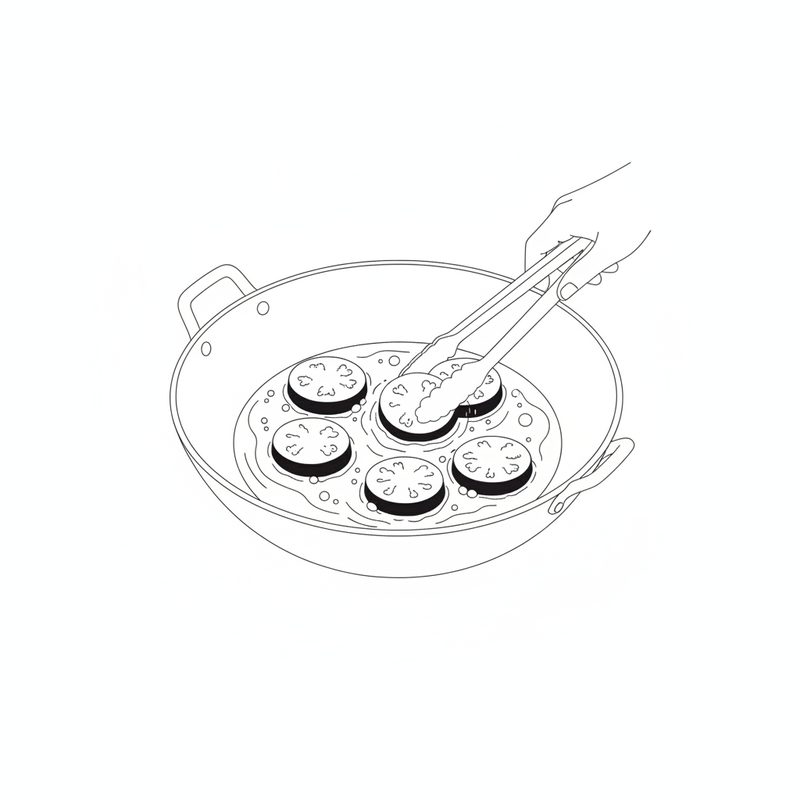
- Heat vegetable oil on a wok or non-stick frying pan then fry the eggplants, make sure to do it batches in batches.
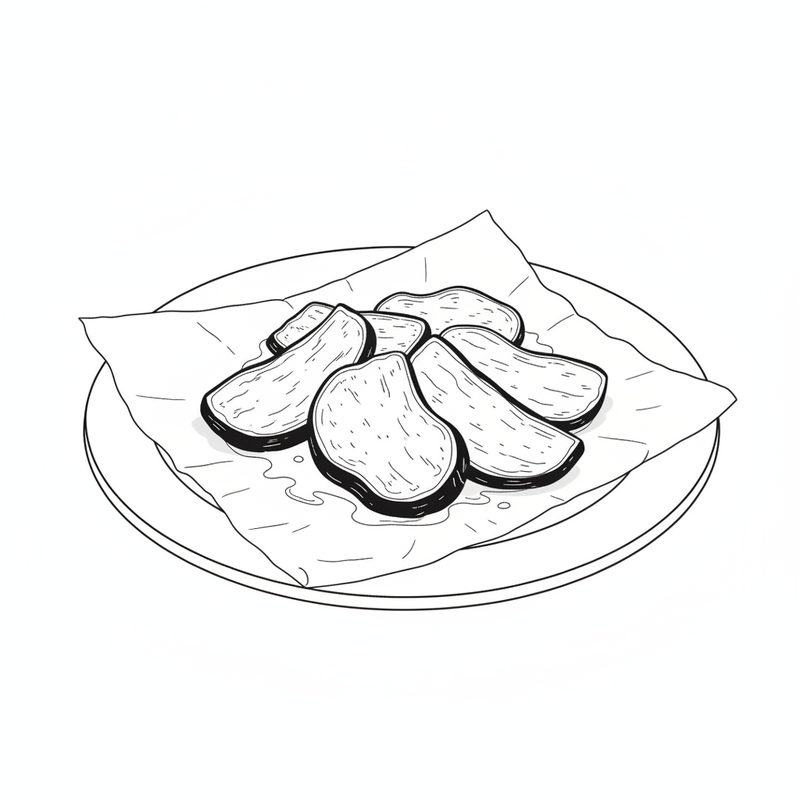
- Cook the eggplants until they are brown on both sides. Add more oil as needed, then when the eggplants are done, drain them on paper towels and set aside
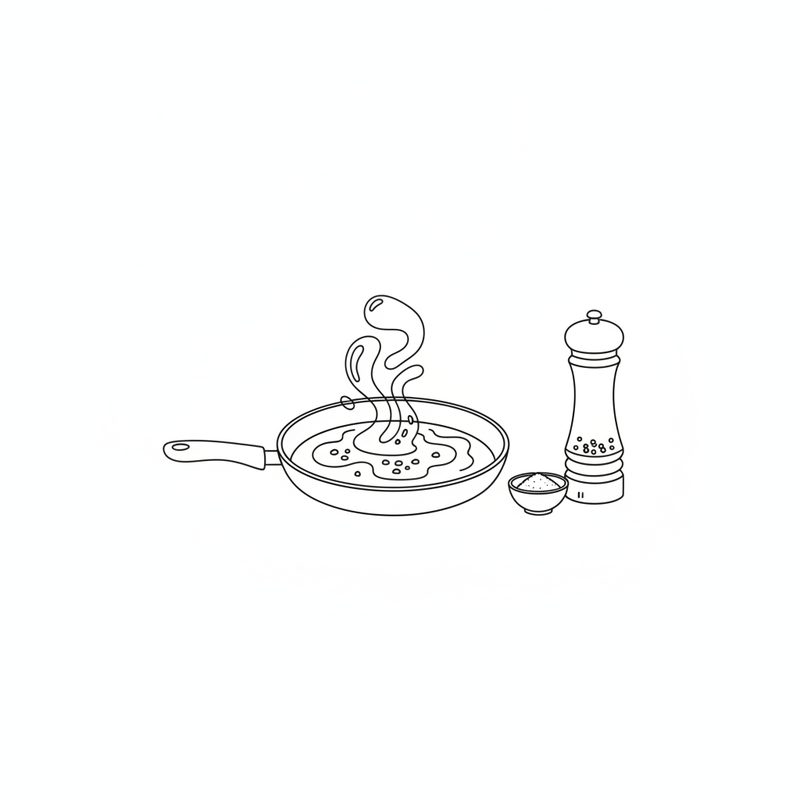
- Pour off excess oil from the pan then add the vinegar, soy sauce, ground pepper, garlic, and sugar and bring the mixture to a boil.
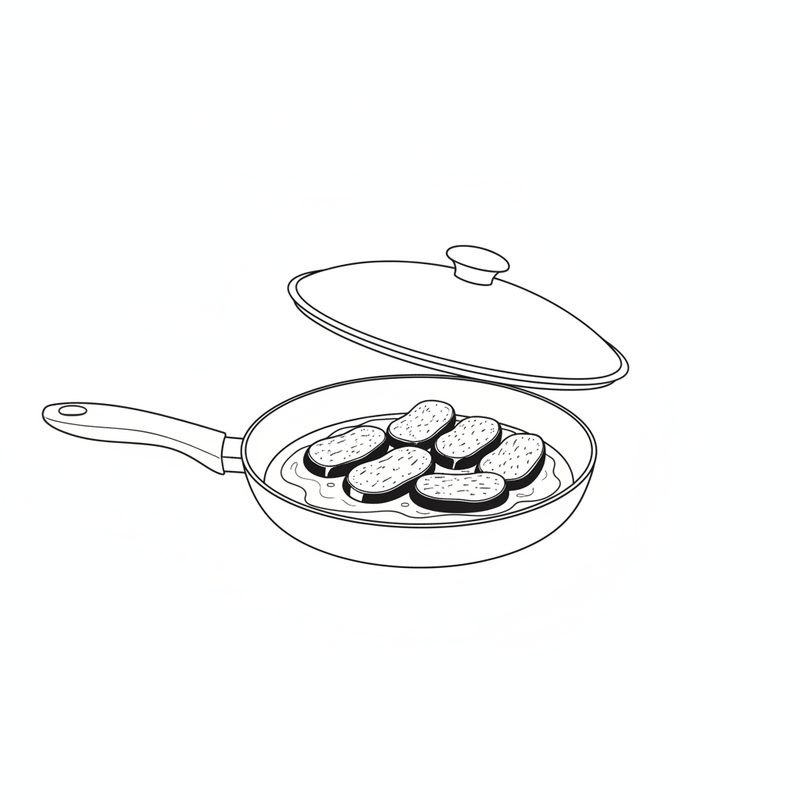
- Add the fried eggplants then lower the heat to medium. Cover the pan and cook for the mixture for 2-3 minutes or until eggplants are soft.
- Gently mix the eggplants and sauce together then turn off the heat. Leave the covered pan on the stove for couple more minutes since the eggplants will continue cooking.
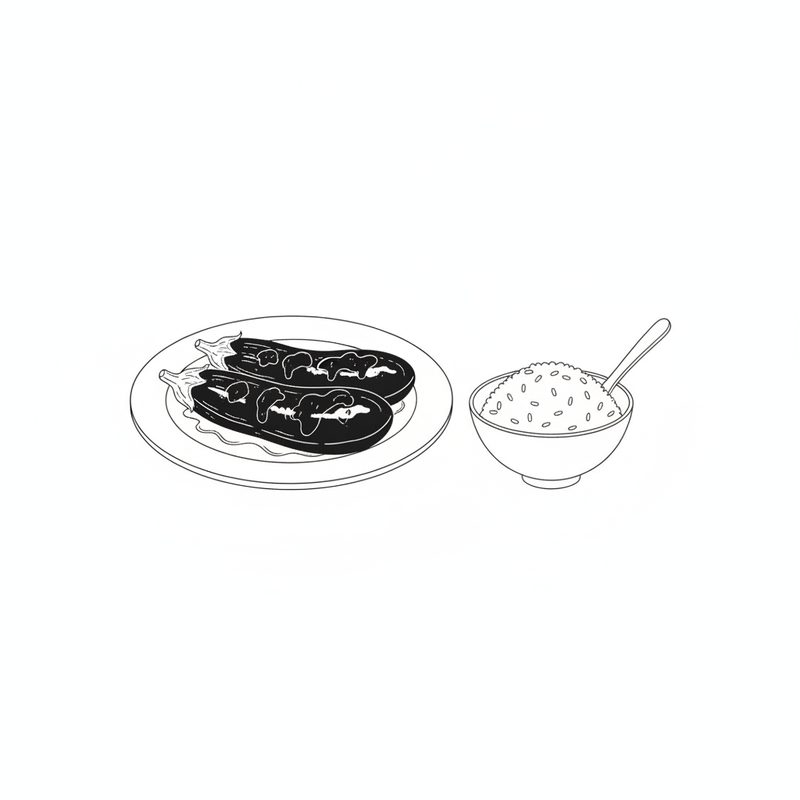
- Once the eggplants are done, transfer the meal to a plate and enjoy it with some steamed rice.
Eggplant adobo: the adobong talong recipe step by step, in pictures
The whole method in six moves: cut, fry, drain, make the adobo sauce, braise briefly, serve.
 Halve the eggplants and cut them into pieces
- Fry the pieces in hot oil, in batches
- Drain the browned eggplant on paper towels
- Boil vinegar, soy sauce, garlic, pepper and sugar
- Return the eggplant, cover and cook 2-3 minutes
- Serve with steamed rice

What are the ingredients for adobong talong?
Eggplant, oil for frying, vinegar, soy sauce, garlic, black pepper and sugar. That is the whole list, and each one has a job:
- Chinese eggplant. The long, slim kind. Its skin is thin and it has fewer seeds than a globe eggplant, so the pieces stay tender and hold their shape in the sauce. Japanese eggplant works the same way.
- Vinegar and soy sauce. The sour and salty base of every adobo sauce. Filipino cane vinegar is milder than distilled white vinegar if you can find it.
- Garlic and pepper. Chopped garlic goes straight into the sauce, with freshly ground black pepper.
- Sugar. A small amount, there to round off the vinegar rather than to make the dish sweet. White or brown sugar both work.
- Oil. Enough to shallow-fry the eggplant. Eggplant soaks up oil, so you may need to add more between batches.
This version has no bay leaves. Most adobong talong recipes add dried bay leaves to the adobo sauce; drop them in with the vinegar if you want the more familiar adobo aroma. There is no salt in the card either: the soy sauce supplies it.
How do you make adobong talong (eggplant adobo) without it going mushy?
Fry the eggplant first, then simmer it briefly in the sauce. Frying browns the outside and cooks the pieces most of the way, so they need just 2-3 minutes covered in the adobo sauce over medium heat to finish cooking. A few habits keep the texture right:
- Cut chunks, not thin slices. Thin slices fall apart in the sauce and absorb more oil. Halving the eggplant lengthwise and cutting 2-inch pieces gives sturdy pieces with skin on one side.
- Dry the pieces. Pat them with paper towel before frying; wet eggplant spatters in hot oil.
- Fry in batches. A few pieces at a time leaves room for each one to brown on both sides; heat a little more oil, add the next batch, then drain them all on paper towels.
- Stir gently. Fold the eggplant through the sauce instead of stirring hard, so the pieces do not break up.
- Use the resting time. After you turn off the heat, the covered pan keeps cooking the eggplant for a couple of minutes. Take it off the heat while the pieces still have a little bite.
Adobong talong substitutions: adobo sauce swaps and variations
The sauce is easy to adjust to what you have. Tamari can stand in for soy sauce, cane or white vinegar both work, and brown sugar gives a slightly deeper sweetness than white. Taste the sauce before the eggplant goes back in, and add a little more vinegar or brown sugar until the balance suits you. If it tastes too sour, some cooks add a splash of water.
Not a fan of eggplant? Use the same adobo sauce with water spinach (kangkong), tofu or mushrooms. A few other versions to try next time:
- Adobong talong with giniling. Eggplant cooked with ground pork in the adobo sauce. Filling, but no longer meat-free.
- Adobo sa gata. In some parts of the Philippines, coconut milk goes into the sauce for a creamier adobo.
- Extra depth. Some cooks stir in mashed pork liver or a little turmeric for another layer of flavour.
- Roasted instead of fried. Brushing the eggplant pieces with oil and roasting them in a hot oven uses less oil. The edges are softer than pan-fried eggplant, but the sauce step stays the same.
What does adobong talong taste like?
Salty and sour first, from the soy sauce and vinegar, with garlic and black pepper behind them and a faint sweetness from the sugar. The fried eggplant is soft and silky inside and takes on the dark colour of the sauce. If you know chicken adobo or pork adobo, it is the same sauce on a vegetable.
What is an easy recipe for talong?
Adobong talong is one of the easiest: seven ingredients, one pan, and about 25 minutes from cutting board to table. For other easy Filipino eggplant dishes, tortang talong turns grilled eggplant into an omelette, and ensaladang talong is a cold grilled-eggplant salad.
Is eggplant adobo a vegan dish?
Yes, as written. Every ingredient in this recipe card is plant-based: eggplant, vegetable oil, vinegar, soy sauce, pepper, garlic and sugar. It stops being vegan if you add meat, such as ground pork for adobong talong with giniling, or pork liver. That makes it an easy adobo to serve instead of meat when vegetarians are at the table.
How to finish and serve adobong talong
Fold the eggplant through the sauce one last time, then serve adobong talong hot, with plenty of steamed white rice to soak up the adobo sauce. It works as a main for a meatless meal, or as a vegetable dish next to grilled fish or meat. Spoon any sauce left in the pan over the rice.
Storage: how to keep and reheat leftover eggplant adobo
Let leftovers cool, then keep them in an airtight container in the fridge. Reheat gently in a pan over low heat or in the microwave until warmed through. The eggplant softens a little more each time it is reheated, so warm only what you will eat. Freezing the finished dish is not recommended: the eggplant tends to turn watery and mushy once thawed.
More adobo and talong recipes to try
For other adobo dishes, try beef adobo, adobong pusit (squid adobo) or adobong isaw. If you have more eggplant to use up, there is tortang talong, the Filipino eggplant omelette, ensaladang talong and kulawo talong. For another vegetable dish, see the Filipino vegetable stew or pinakbet.