Water is central to many activities carried out in the kitchen. From the taste of food to the color of dishes and the lifespan of appliances, the quality of water you use can affect everything you do in the kitchen. So just how important is kitchen water quality? This article discusses it in detail and suggests helpful tips for improving your water quality. Stick around to read all about it!
Water Quality
Water quality refers to the chemical, physical and biological characteristics of water used to judge if it is suitable for a specific use. For instance, drinking water demands higher quality than water used for swimming. Drinking water quality, however, varies from place to place, depending on its source and the type of treatment used on it. Still, it has to meet specific standards to be considered potable.
Indicators used to measure water quality include:
- The concentration of dissolved oxygen in water
- Bacterial levels
- Salinity
- Turbidity
- pH
- Water temperature
- Concentration of microorganisms
Assessing these indicators gives insight into how suitable a water sample is for a particular purpose.
Reasons Why Water Quality is Important in the Kitchen
The kitchen is a delicate place. In there, we cook, bake, wash food materials, and even drink. Undoubtably, It’s where a lot of sensitive things happen. Here are some reasons to pay attention to your kitchen water quality.
Good Water Quality Improves Flavor Profile
Poor water quality always reflects in the taste of food. Sometimes it makes food completely unenjoyable. Unwanted chemicals or chlorine could be the culprit in these situations. On the other hand, filtered, clean water doesn’t affect your food’s taste negatively, hence improving the flavor profile.
Poor Water Quality Can Cause Illnesses
The health impacts of poor water quality can be severe. Contaminants like bacteria, viruses, by-products, chemicals, and heavy metals are the source of many water-related diseases (even some cancers). Minding the quality of water you use in the kitchen can prevent the incidence of these diseases and improve your health.
Equipment Efficiency and Longevity
Water with high concentrations of heavy metals, hardness-causing minerals or chlorine may damage your home’s water-using equipment and appliances. Hardness-causing minerals may accumulate in specific parts, causing limescale buildup, which could lead to equipment damage. Chlorine doesn’t do well with metals: it causes them to rust. Also, mineral deposits often cause discoloration to appliances. Generally, bad water affects your appliances’ lifespan. So it’s important to improve the water quality in your kitchen.
Hard Water Affects Your Cooking
Hard water has a higher boiling point than regular water. This means longer time spent cooking. Hard water also frustrates the baking process. It alters the structure of gluten and yeast, resulting in rubbery dough. Most bakers testify that this isn’t a pleasant experience. So if you love baking, this is another reason to improve your water quality.
Chemicals Affect Your Food and Vegetables
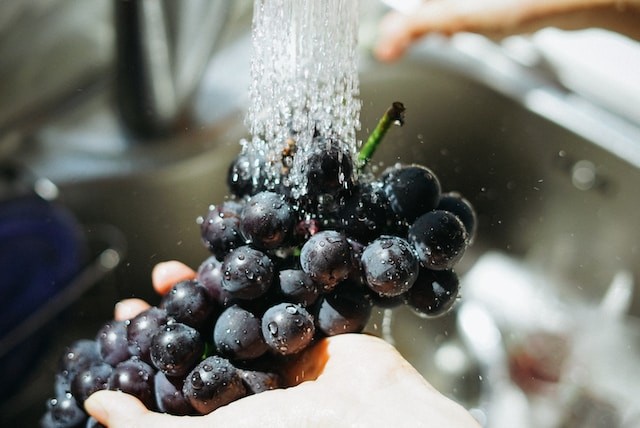
Water with high chlorine concentrations tends to bleach fruits and vegetables once washed. The bleach-like odor from the water also permeates into the food you prepare. Also, high calcium ion content in water causes fruits and vegetables to toughen in texture. While these chemicals are not extremely dangerous, they cause discomfort in how they affect food preparation.
How to Improve Kitchen Water Quality
Here are four practical steps you can take to improve your kitchen water quality:
- Install an under sink water filter
One easy way to improve water quality in your kitchen is by getting an under sink water filter. After it’s set up, you can collect filtered water from your kitchen faucet anytime you need it. This water will be suitable for cooking, drinking, cleaning or whatever you like. It’s the perfect solution, especially if you have high levels of TDS (total dissolved solids) in your water. In which case, your best option would be a reverse osmosis filter. Reverse osmosis, by design, removes suspended solids and chemicals from water, leaving it very close to pure. In fact, according to BOS the TDS level of RO water is just about 10-50 ppm. Impressive right? All the more reason you should get an RO filter.
- Install a water softener
Another way to improve your water quality is by getting a water softener. If your home uses well water, it’s likely that you’re battling with water hardness. Limescale buildup, stains on dishes and longer time spent cooking will be a thing of the past when you install a water softener.
- Maintain your plumbing appliances
Regular plumbing maintenance will save you a lot of trouble and help you keep your water quality in check. For instance, a leaky faucet or old pipes could be an opportunity for bacteria to build up. Cleaning and changing your pipes when due will help reduce such risks.
- Test your water
It’s always good to know the current state of your water supply and what’s in it. You could do that by taking a sample to a professional lab to test for common water contaminants. You could also buy a test kit and do the testing yourself. If you find out your water is contaminated, contact a professional plumber for the best tips on tackling the problem.
The quality of water you use in your kitchen affects a lot of things, especially your health. It’s important to monitor the type of water you use and keep it clean always to maintain a healthy and comfortable lifestyle. Technology provides us with many solutions for maintaining good water quality, including filters and softeners. Don’t hesitate to use them.