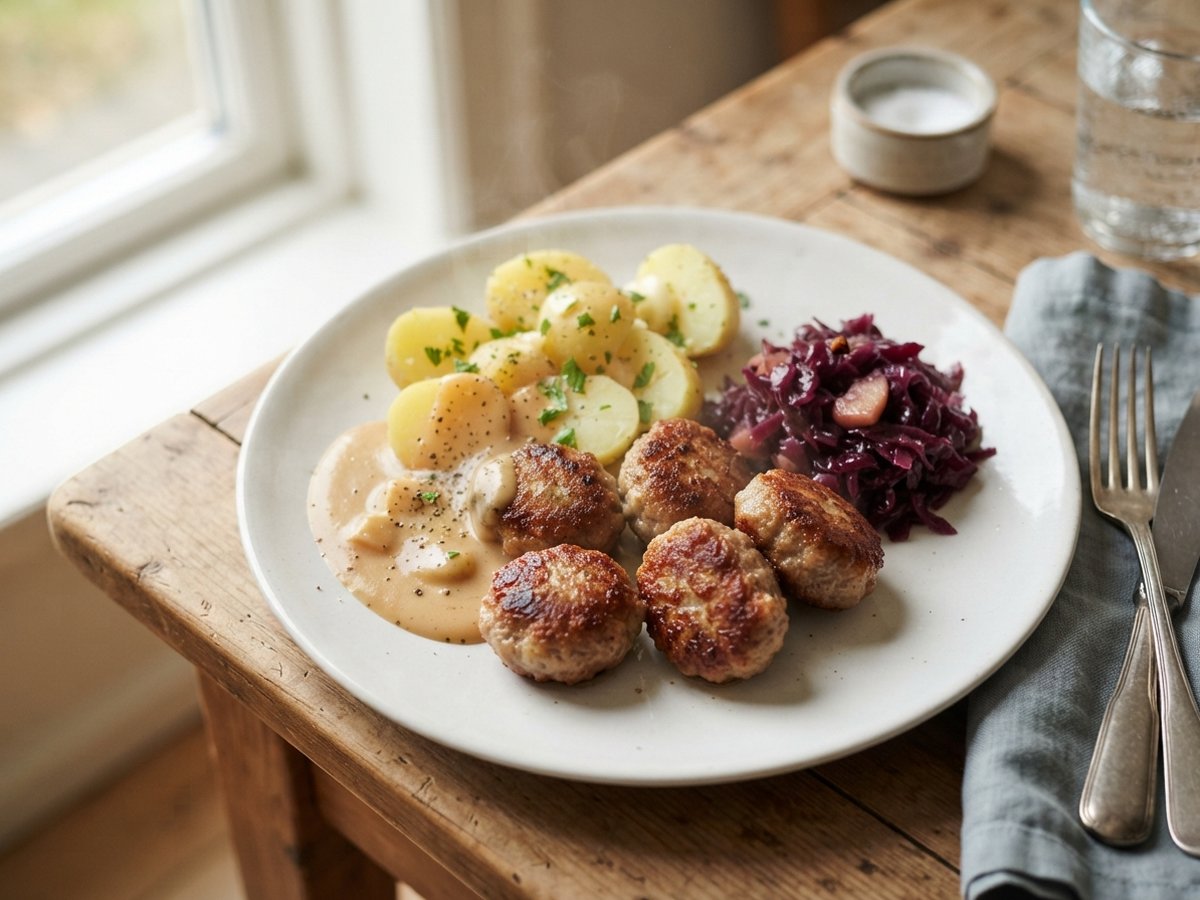
Frikadeller, or Danish meatballs, are oval, slightly flattened meatballs of minced pork, bound with egg, onion, flour and milk and pan-fried in butter until they have a crisp brown crust. This recipe serves 4 and comes with a quick cream sauce made in the same pan: about 15 minutes to prepare and 40 to cook. Aside from the classic pork, the dish can also be made with veal or beef, or a mix of two meats.
Last updated
Recipe
Danish Meatballs (Frikadeller)
Ingredients
For the meatballs
For the sauce
Method
- Add salt and pepper to the minced meat in a bowl and stir well until it is fully mixed. Then add the egg and the flour and mix well before adding in the chopped onions. Once all the ingredients are mixed, add in the milk and mix the meat until it is firm enough to mold.
- Dip a tablespoon into warm water and use it to form the meatballs. Add some butter to the pan and heat in a medium heat until lightly brown before adding the meatballs. Let the meatballs cook for 4 minutes on each side and you should have a crispy crust before they're ready to be taken out.
- Sprinkle flour on the leftover butter in the pan or add butter if none is left. Stir then add the boiled water into the mix and let it boil. Slowly add whipping cream to thicken the sauce and season it with salt and pepper before serving it with the meatballs.
Step by step, in pictures
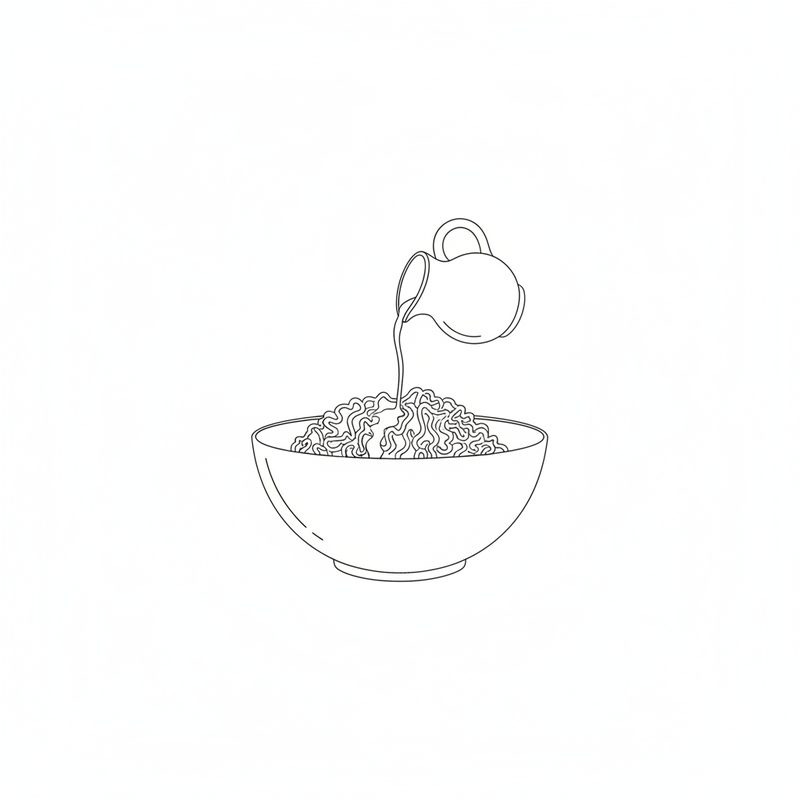
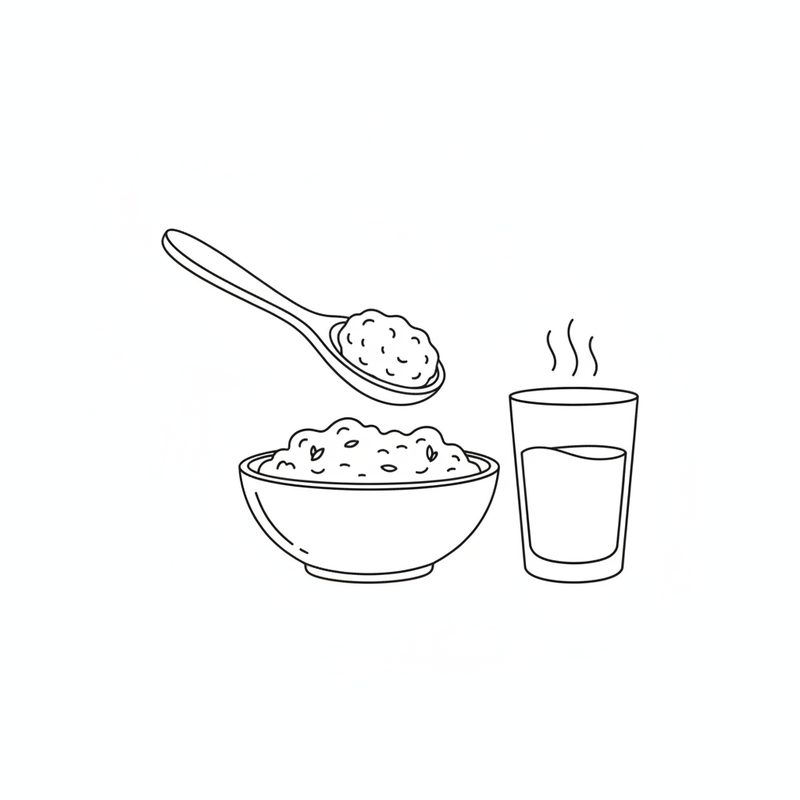
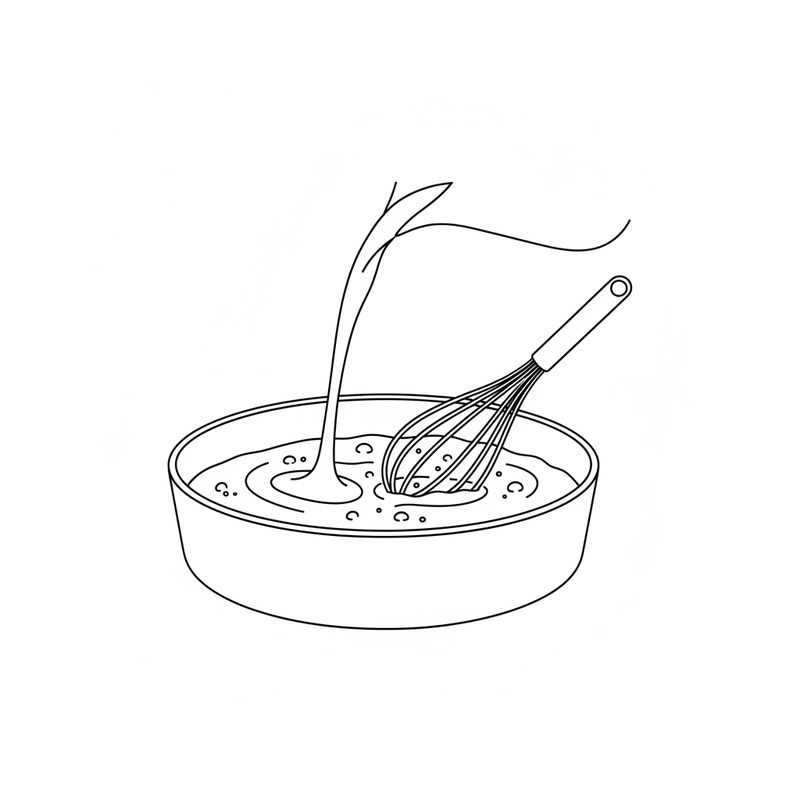
The method in 6 moves, from seasoning the meat to finishing the sauce with cream.
 Season the minced pork with salt and pepper
- Mix in the egg, flour and chopped onion
- Add the milk until the mix is firm enough to shape
- Shape with a tablespoon dipped in warm water
- Fry in butter, about 4 minutes a side
- Make the sauce in the same pan, finish with cream



What are frikadeller, and how are they different from other meatballs?
A frikadelle is a meatball shaped with a spoon into an oval, flattened a little and pan-fried, so it sits closer to a small patty than to the round meatballs you find in a pasta sauce. In Denmark they are most often made from pork, or from a blend of two meats such as pork and veal, held together with onion, egg, milk or water and breadcrumbs, oatmeal or flour, according to Wikipedia’s entry on the dish. Denmark’s official website, denmark.dk, calls them a beloved national dish.
Where the dish comes from is uncertain. The word Frikadelle is recorded in German at the end of the 17th century and is usually linked to the French fricandeau; versions are cooked across Germany, the Nordic countries and Eastern Europe. One naming trap: in Sweden, frikadeller means small boiled meatballs, not pan-fried ones like these.
How to shape and fry frikadeller so they hold together
- Mix until the meat is firm enough to mould. Add the milk last, once everything else is mixed in.
- Dip the tablespoon in warm water between meatballs. The mixture slides off the wet spoon and each frikadelle comes out the same size.
- Let the butter brown lightly on medium heat before the meatballs go in, then leave them about 4 minutes on each side. The crust is what tells you they are ready to come out.
- Keep the fat in the pan. The sauce starts from the butter left behind; add a little more only if the pan is dry.
What to serve with frikadeller
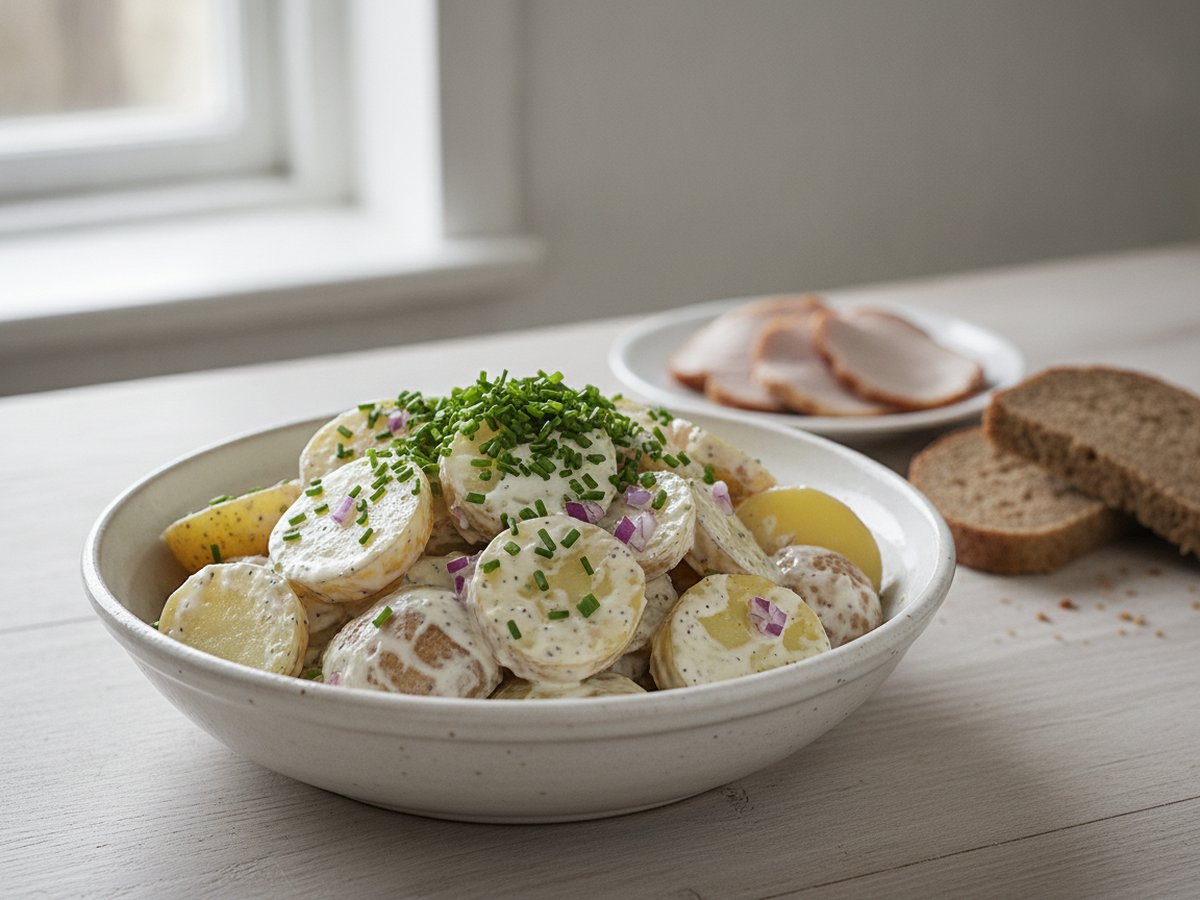
For a classic Danish dinner, serve them with potatoes and sauce: boiled potatoes (melede kartofler) or sugar-browned potatoes (brunede kartofler), with brown gravy (brun sovs) or the cream sauce in this recipe. Red cabbage (rødkål) and a sweet-sour cucumber salad (agurkesalat) are the usual sides.
Frikadeller are eaten hot or cold. Cold leftovers go into sandwiches the next day, and denmark.dk notes they are often eaten at lunch on rye bread as smørrebrød. For another everyday Danish dish built around leftovers, try Danish biksemad.
Variations: veal, beef, fish, vegetables and perkedel
The recipe is flexible. Swap part or all of the pork for veal or beef. Low-fat milk works in place of whole milk. Danish fiskefrikadeller replace the meat with fish, typically cod, and are often served with remoulade. Without meat or fish, minced vegetables can carry the same seasoning; for a different meat-free meatball, see these cauliflower meatballs.
Further afield, Indonesian perkedel, which traces back to the Dutch frikadel, is mostly made with mashed potato, sometimes mixed with minced meat or corned beef, shaped into flat round patties, dipped in egg and fried.