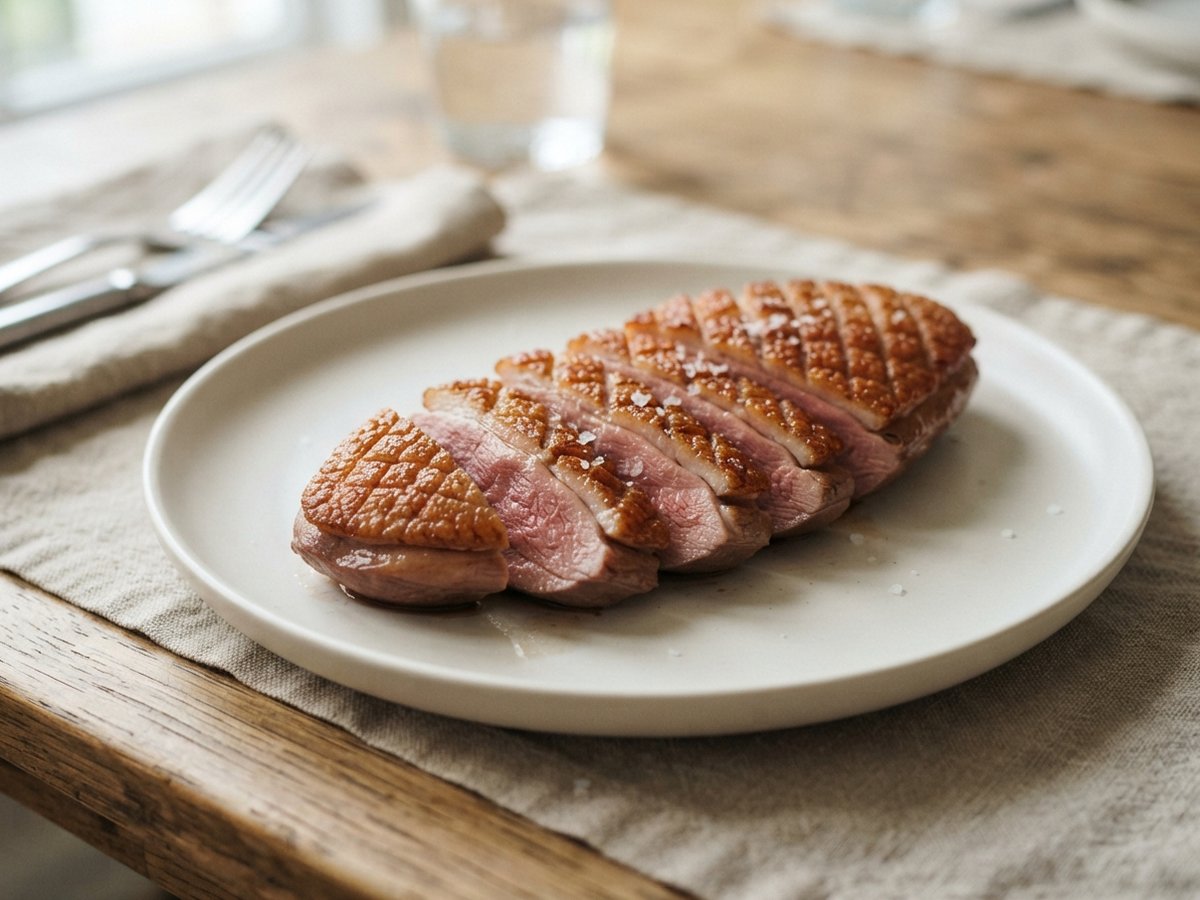
Duck breast is cooked skin side down in a cold, dry pan so the fat melts slowly and the skin turns golden, then finished either in the pan or in a 170 °C oven. One duck breast of 180-300 g serves two, and the whole job takes about 30 minutes including resting. There are probably many who believe that roast duck is something you eat on Morten’s Eve and Christmas Eve. But it need not be a whole roast duck every time, because sometimes we want something other than a roast duck.
Last updated
Recipe
Duck Breast
Ingredients
Method
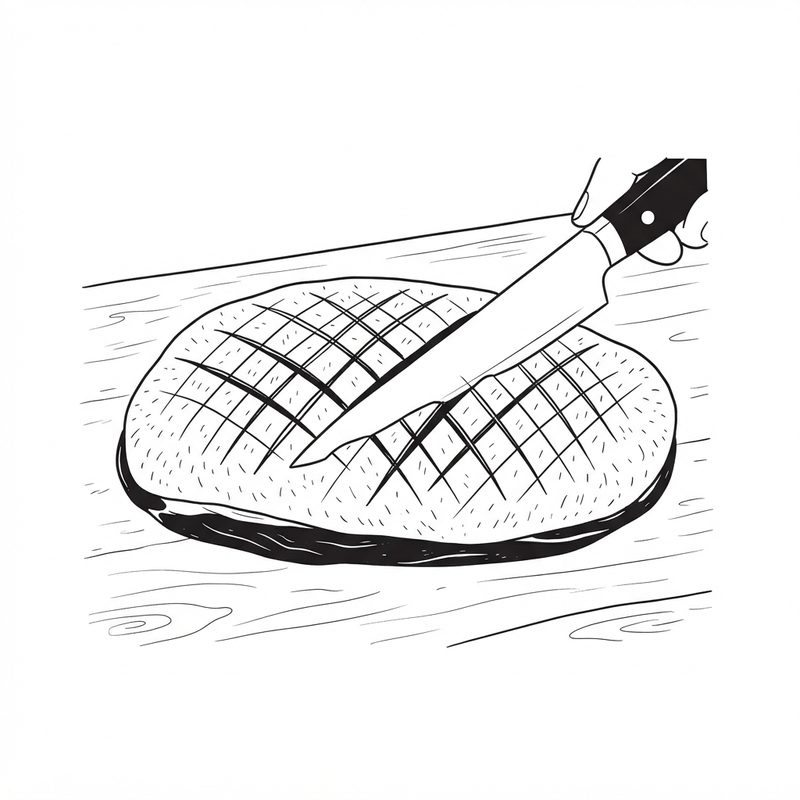
- Pan method: score the skin of the duck breast in a diamond pattern with a very sharp knife, without cutting into the meat.
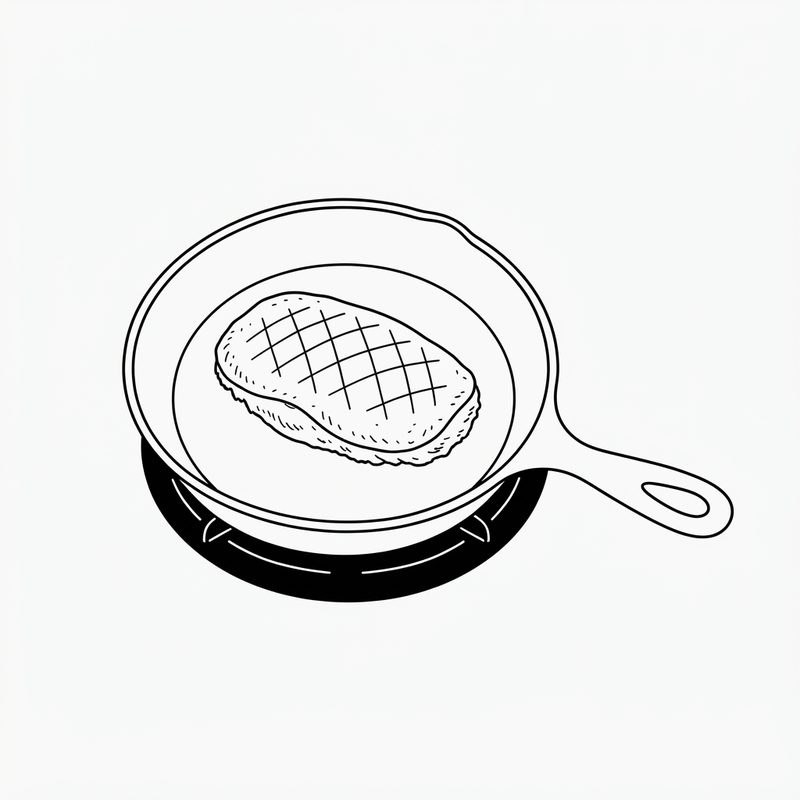
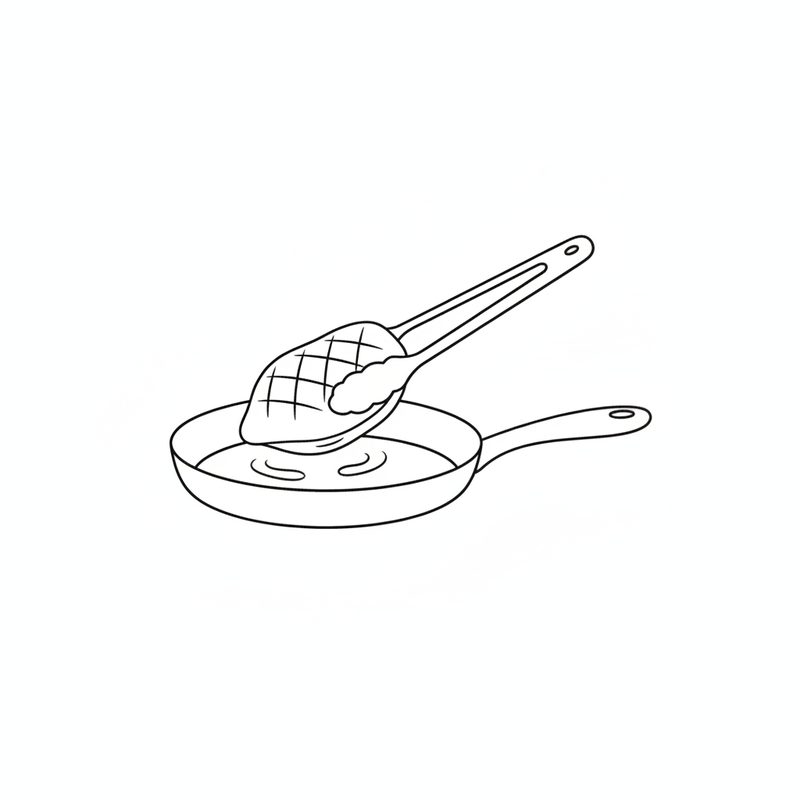
- Place it skin side down in a cold, dry pan, turn up to high heat and hold for approx. 3 minutes until the fat starts to melt.
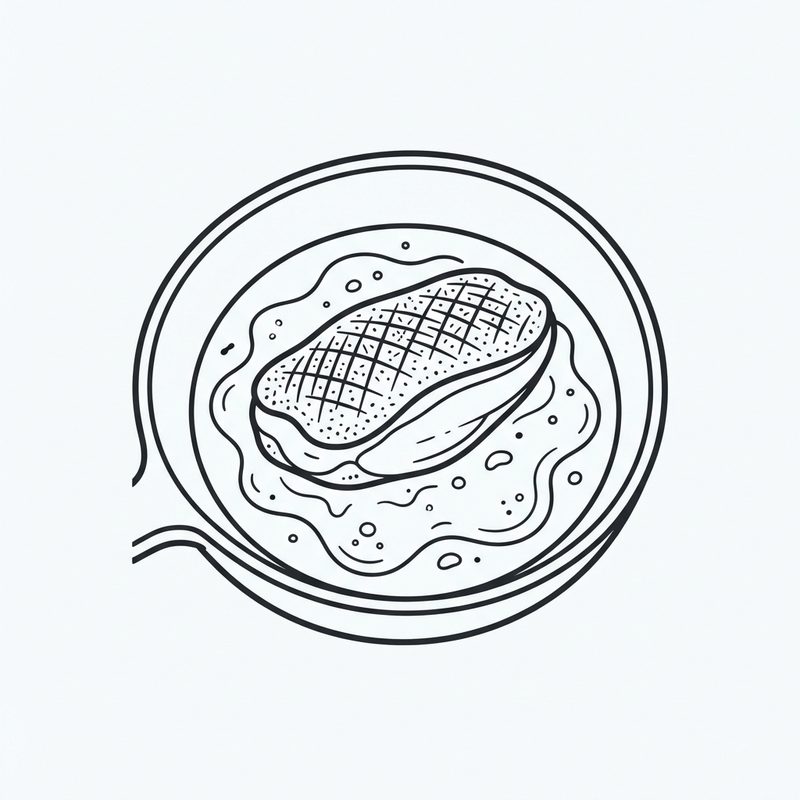
- Continue on medium heat for approx. 10 minutes until the skin is golden.
- Turn the duck breast over and fry for about 6-7 minutes longer if you want it cooked through.
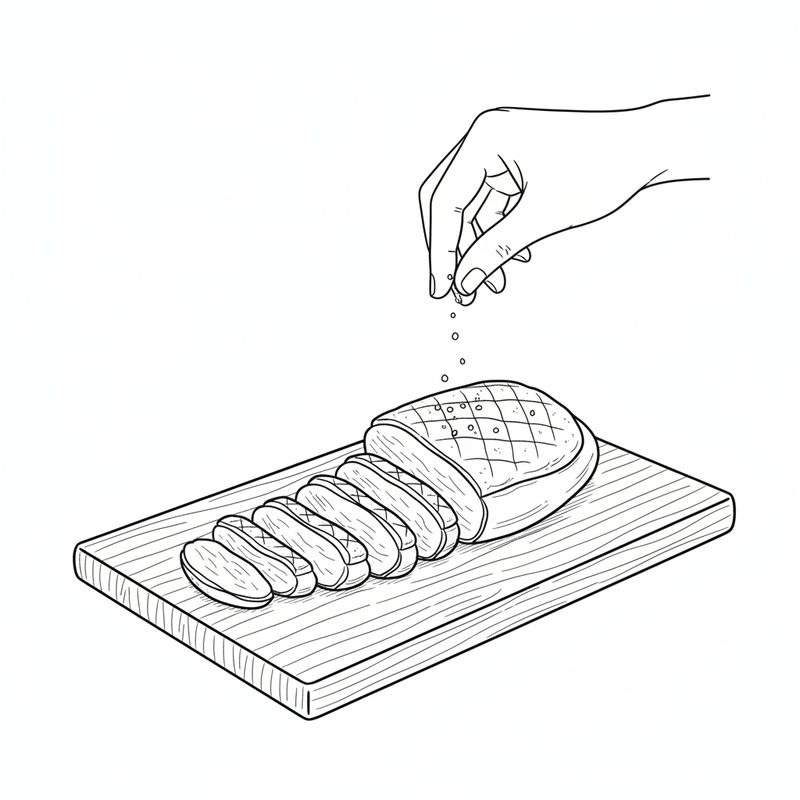
- Remove the meat from the pan, sprinkle with salt and let it rest for 7-10 minutes before slicing and serving.
- Oven method: heat the oven to 170 °C.
- Score the skin in a diamond pattern with a sharp knife, without cutting into the meat.
- Place the duck breast skin side down in a dry, cold pan.
- Turn the heat up fully and fry until the fat begins to melt – approx. 3 minutes.
- Turn the breast and brown the meat side for approx. 1 minute.
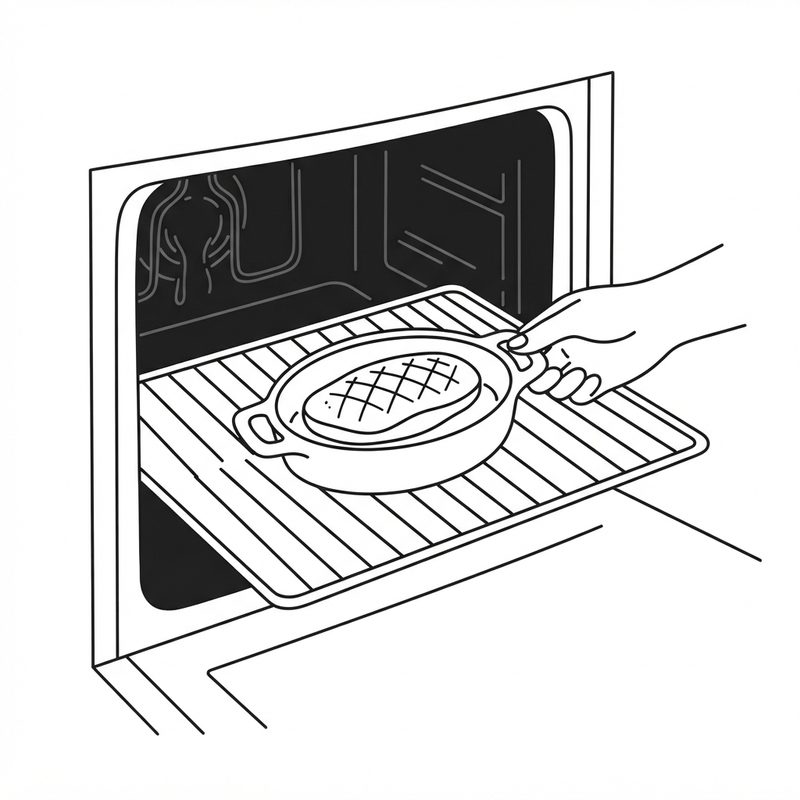
- Put the duck breast in the oven for 10-12 minutes.
- Remove the breast from the oven, sprinkle with salt and let it rest for 7-10 minutes before cutting.
Step by step, in pictures
The recipe card above in six stages, from scoring the skin to slicing the rested breast.
 Score the skin in a diamond pattern
- Skin side down in a cold, dry pan
- Let the fat melt and the skin turn golden
- Turn the breast
- Or finish it in a 170 °C oven
- Salt, rest and slice
Pan or oven: two ways to finish duck breast
The recipe card holds two methods, and both start the same way. Score the skin in a diamond pattern without cutting into the meat, lay the breast skin side down in a cold, dry pan and turn up the heat until the fat starts to melt, about 3 minutes.
- In the pan (steps 1-5): keep frying on medium heat for about 10 minutes until the skin is golden, then turn the breast and fry 6-7 minutes more if you want it cooked through.
- In the oven (steps 6-12): brown the meat side for about 1 minute, then roast the breast in a 170 °C oven for 10-12 minutes.
Either way, salt the meat once it comes off the heat and let it rest for 7-10 minutes before you slice it. If you have a goose breast instead, the same method applies.
Why the pan starts cold and dry
Starting in a cold pan lets the thick layer of fat under the skin melt out slowly as the pan warms up, and that is what leaves the skin golden and crisp. No oil is needed, because the breast fries in its own fat. Keep the fat that melts into the pan: it is good for frying potatoes.
What temperature duck breast should reach
US food-safety guidance sets 165 °F (74 °C) as the safe minimum internal temperature for all poultry, duck included, measured with a food thermometer in the thickest part of the meat (Academy of Nutrition and Dietetics; FoodSafety.gov). Duck breast served pink is cooked to a lower temperature than that, as a cook’s choice, and 145 °F is also below the official figure. If you want the breast cooked through, use the longer pan time in step 4 and check it with a thermometer.
What to serve with duck breast
Duck breast goes well with red wine sauce, whole fried mushrooms and spring onions, and boiled potatoes. You can also serve it with caramelised potatoes, a green cabbage salad and a brown gravy flavoured with the duck. For something creamier, flødekartofler, Danish creamy potatoes, is another side from this site. The possibilities are many, and your suggestion is as good as mine.
To drink, I recommend a red wine with a powerful but refreshing taste, for example Bosco Agostino.
Why duck on Morten’s Eve? The legend of Saint Martin
Strictly speaking, the bird of Morten’s Eve is not duck but goose. According to the legend, the holy and humble Saint Martin, called Morten in Denmark, tried to avoid being ordained bishop by hiding in a goose pen. The cackling geese gave him away, he was found and he was made bishop. With his new power, he commanded that geese be killed and eaten every year on 11 November.
A goose is a big meal and a fairly expensive one, which is why here in Denmark we have replaced it with the smaller and cheaper duck. For another Danish roast, see flæskesteg, Danish roast pork with crackling.