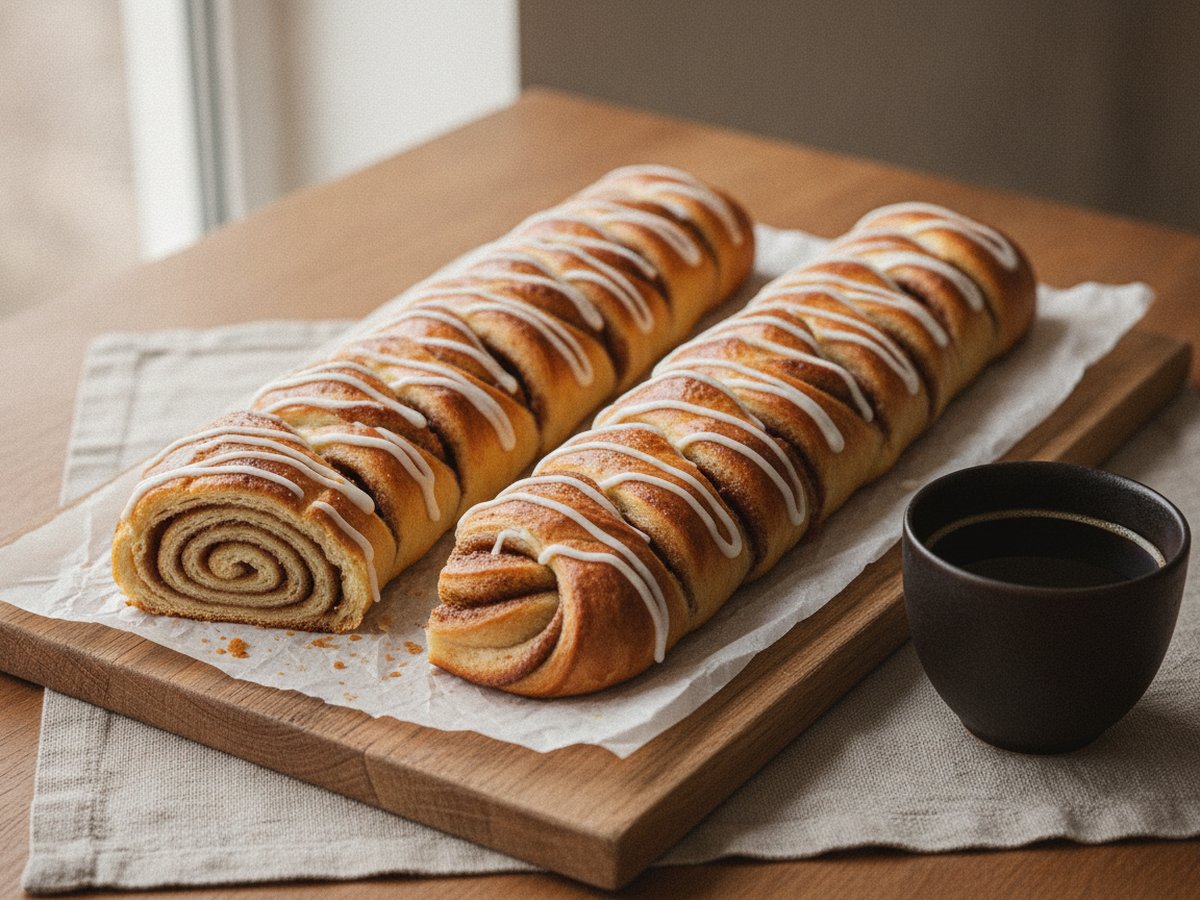
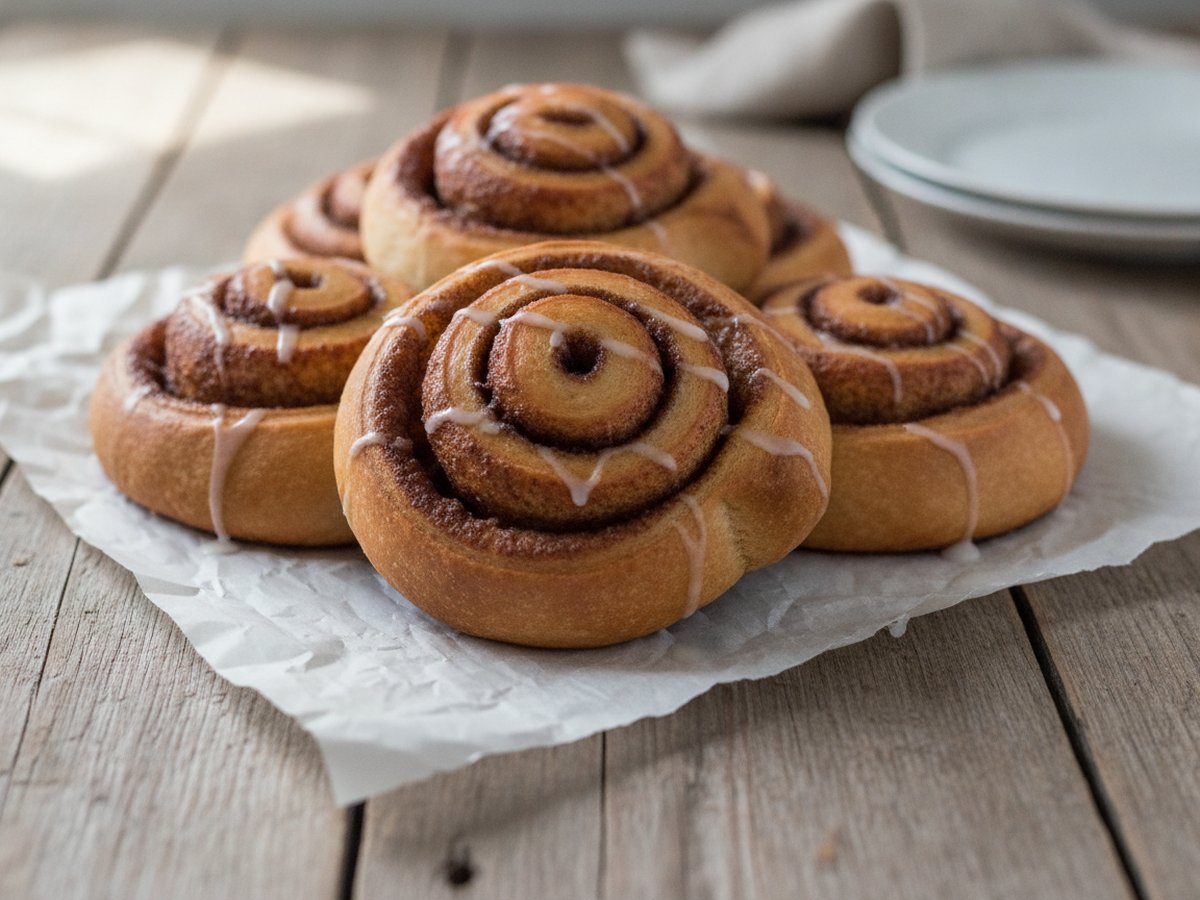
Kanelsnegle are Danish cinnamon rolls, literally “cinnamon snails”: a soft yeast dough spiced with cardamom and a pinch of ginger, spread with a butter, brown sugar and cinnamon filling, rolled up, sliced into spirals and baked until golden. This kanelsnegle recipe makes 20 pieces in about 1 hour 30 minutes, and the icing is optional.
Kanelsnegle are a staple in Denmark, the kind of bun you eat as an afternoon snack with a cup of coffee or tea. You will also hear them called onsdagssnegle, “Wednesday snails”.
Last updated
Recipe
Kanelsnegle Recipe – Crisp Danish Cinnamon Rolls
Ingredients
Dough
Filling (remonce)
Icing (optional)
Method
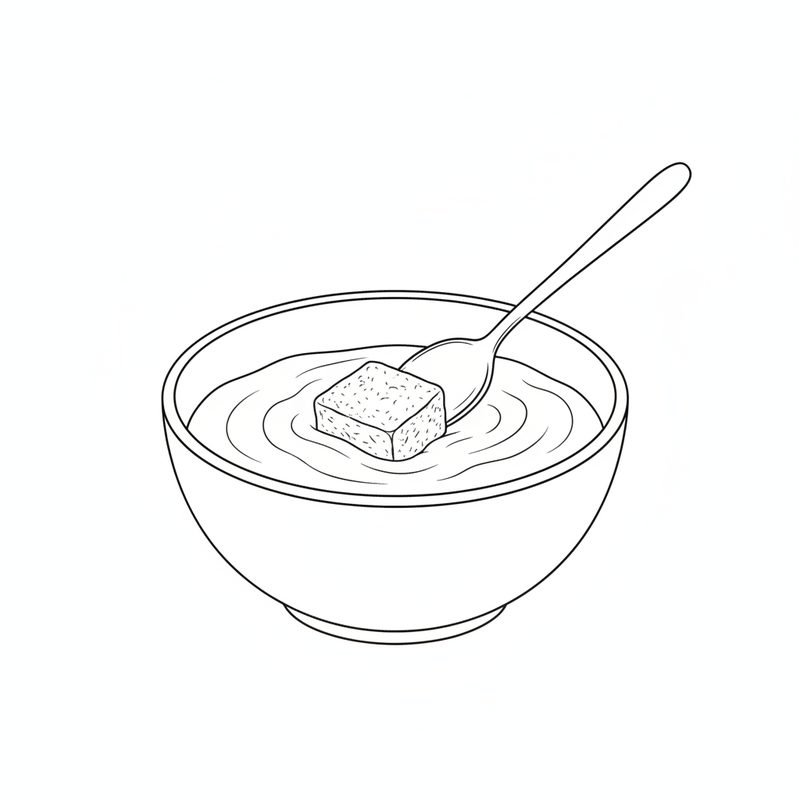
- Warm the milk until it's warm to the touch and stir the yeast into it.
- Add approx. half of the flour, and stir it together.
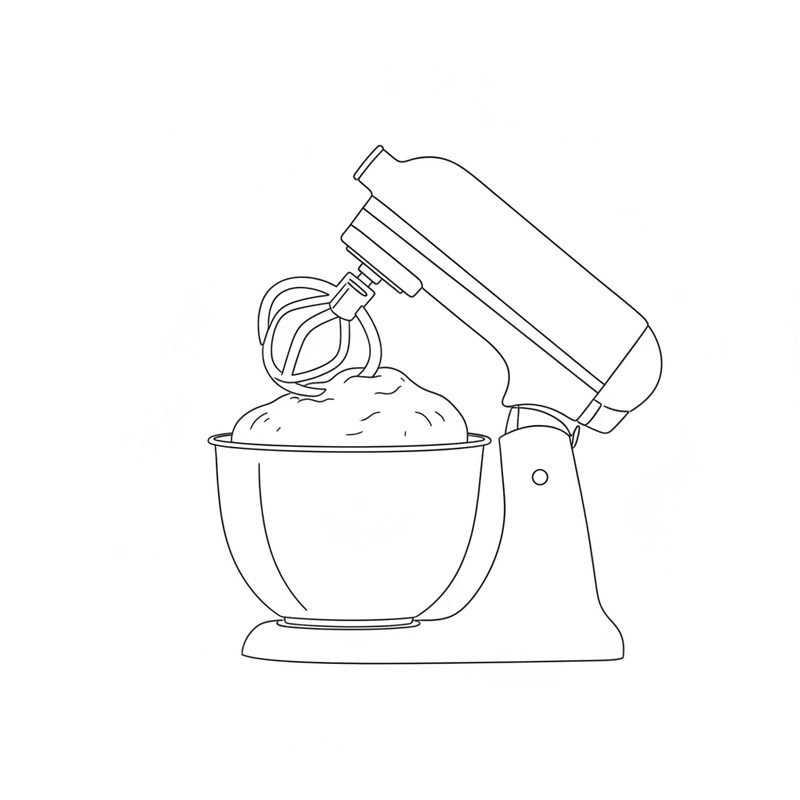
- Add the other ingredients and knead the dough together. You can use a mixer with a medium speed for 6-7 minutes. Knead/stir until the dough doesn't stick to the bowl. It should be soft and greasy, not hard and dry.
- Cover the dough and let it rise in a warm place for half an hour.
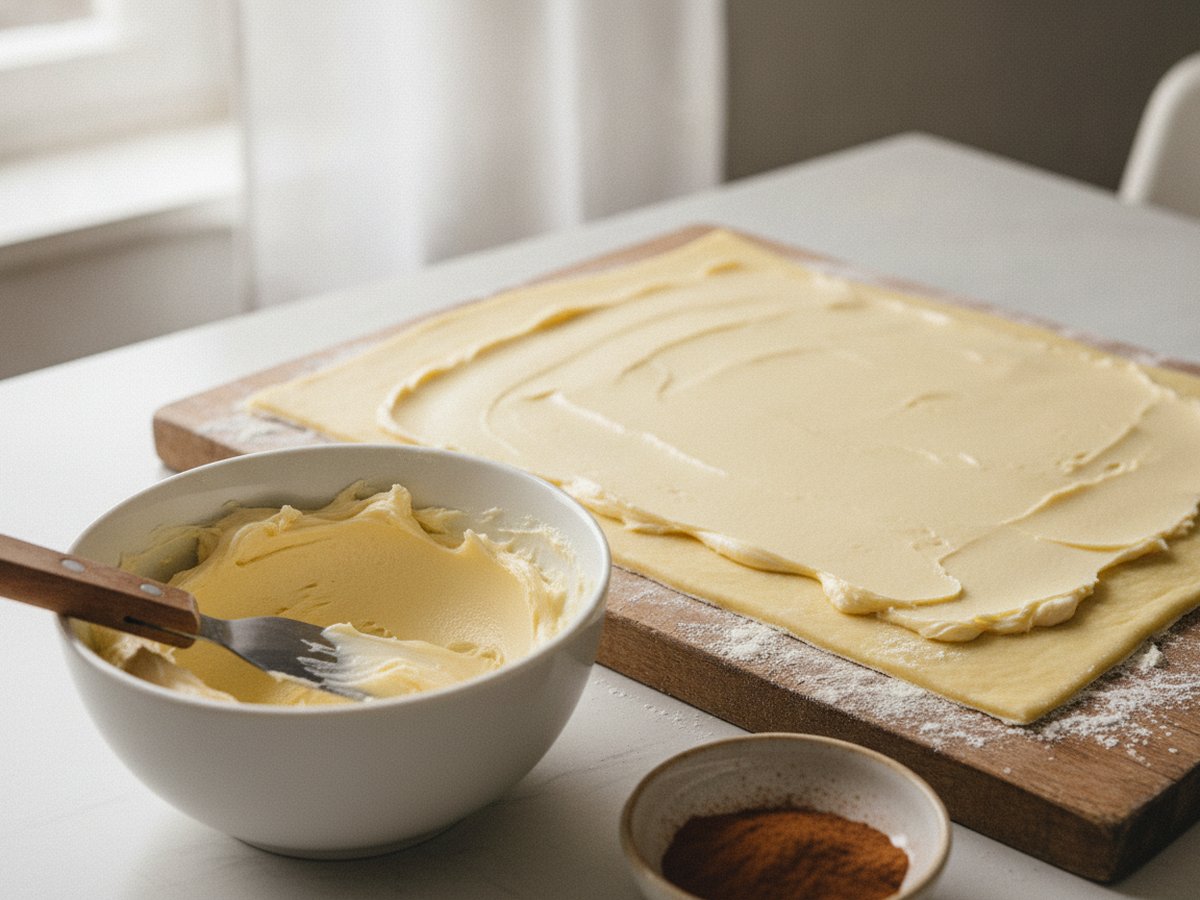
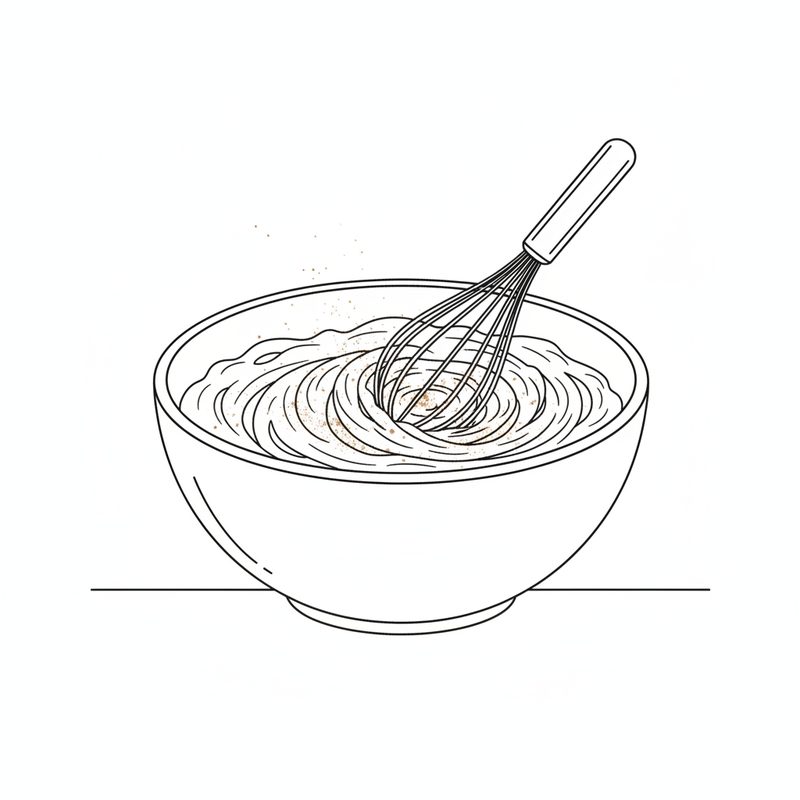
- Meanwhile, prepare the filling. Whisk the butter together with the brown sugar and cinnamon until the mixture is light and fluffy.
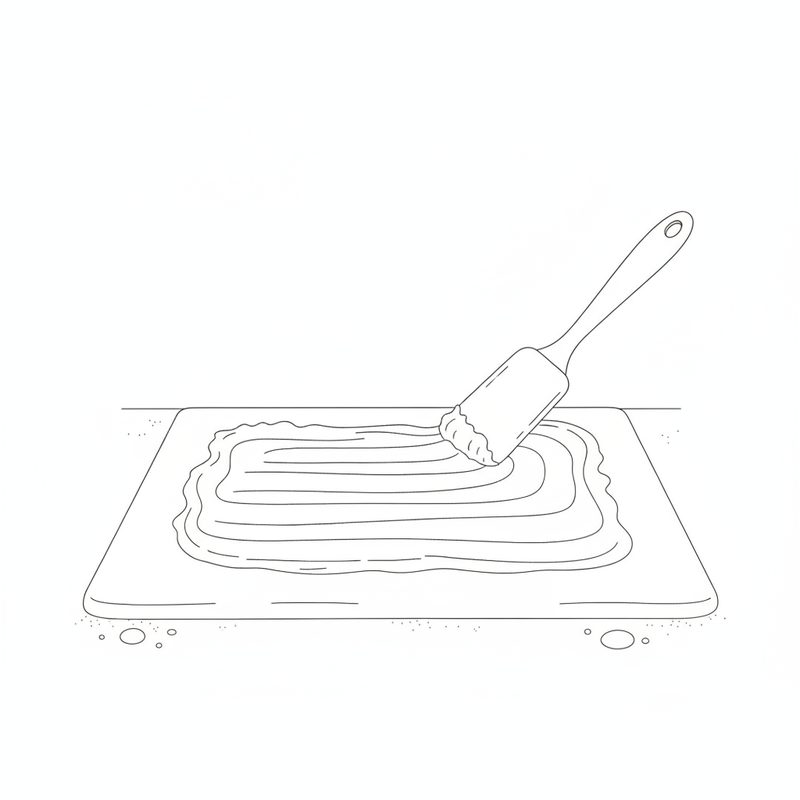
- Once the dough has doubled in size, roll it out into a rectangle shape on a floured table or surface, then spread the filling on it – all the way to the edge.
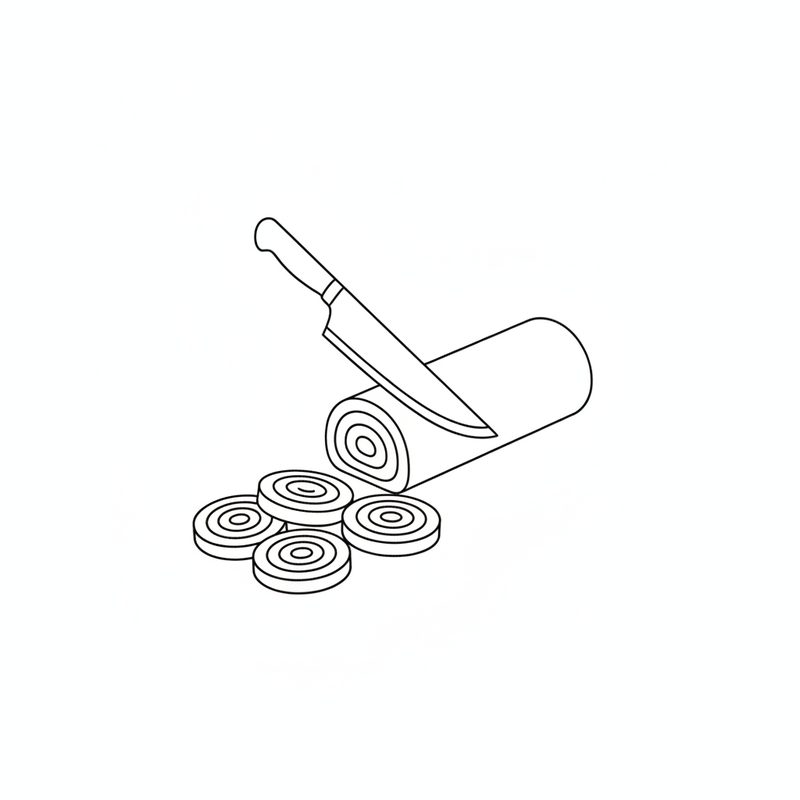
- Roll the dough into a log
- Cut the log into 18-20 equal pieces.
- Place the snails/dough rolls on baking sheets lined with baking paper. Make sure to tuck any loose ends on the dough pieces. This will prevent the dough from unfolding during baking.
- Now let the cinnamon snails rise for another half hour under a hard-wrung tea towel. This prevents the dough from drying out.
- Turn the oven to 225 ° C.
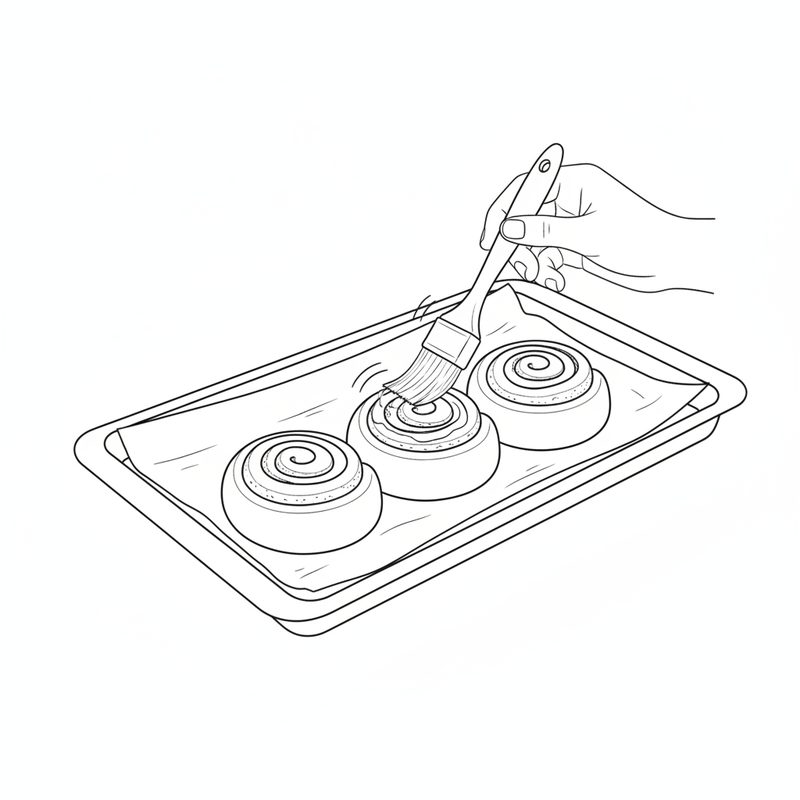
- Brush the cinnamon snails with egg wash and put them in the preheated oven for approx. 10 minutes, until golden.
- If you want icing on, you can make a icing of 200 g icing sugar mixed with a little water and possibly. a sweet rum or a little rum essence.
- Let the cinnamon rolls cool and apply the icing if you'd like before serving
Step by step, in pictures
Six of the fourteen steps on the recipe card, from the yeast in warm milk to the egg wash before baking.
 Stir the yeast into warm milk
- Knead until it leaves the bowl
- Whisk the remonce filling
- Spread it to the edges
- Roll up and slice
- Egg wash, then bake
Kanelsnegle vs other Danish cinnamon rolls
What sets kanelsnegle apart from most other cinnamon rolls is cardamom in the dough and a lot of butter, both in the dough and in the filling. This version bakes them hot and fast, so each spiral comes out crisp and golden.
The same cinnamon butter turns up in several Scandinavian cinnamon rolls. The difference is mostly the dough and the shape:
| Bun | Dough | Shape |
|---|---|---|
| Kanelsnegle (this recipe) | Yeast dough with milk, butter, eggs and cardamom | Rolled into a log, then cut across into round spirals |
| Kanelsnegle with wienerbrødsdej | Laminated Danish pastry dough, the dough used for most Danish pastries | The same spiral, but the dough takes more work to make |
| Kanelsnurrer | Yeast dough | Twisted cinnamon buns, often described as Norwegian, made by twisting the filled dough instead of rolling it |
If you are new to Danish pastries, start with the classic yeast-dough kanelsnegle on this page. Once you can shape a neat spiral, try the twisted kanelsnurrer with the same dough.
Remonce: the Danish cinnamon filling
Remonce is the Danish name for the butter filling inside kanelsnegle: softened butter beaten together with sugar, and here with ground cinnamon as well. For this cinnamon filling, whisk the soft butter with the brown sugar and cinnamon until the mixture is light and fluffy, then spread it over the dough all the way to the edge.
- Use butter softened at room temperature. Cold butter is hard to whisk into a smooth cinnamon sugar paste, and hard to spread thinly over soft dough.
- Brown sugar or powdered sugar. The card uses brown sugar and allows powdered sugar instead. Other kanelsnegle recipes also use white sugar, or a mix of both.
- Spread right to the end. Spreading it to every edge gives you a swirl in every slice, including the two end pieces.
Tips for the dough, shaping and baking
- Warm the milk only until it is warm to the touch, then stir in the yeast. The recipe is written for fresh yeast, not dry yeast.
- Knead with a dough hook. Add about half of the flour first, then the rest of the ingredients, and knead in a stand mixer with a dough hook at medium speed for 6-7 minutes. Stop when the dough no longer sticks to the bowl: it should feel soft and a little greasy, not hard and dry. If it is still sticky, knead a bit longer before you add more flour.
- Let it double in size. Cover the bowl and leave the dough in a warm place. The card allows around half an hour. In a cool kitchen it can take longer, so watch the size, not the clock.
- Roll an even rectangle. Roll the dough out on a floured table so it is the same thickness across the whole sheet. A sheet that is thick at one end gives you buns of different sizes that bake in different times.
- Cut with a sharp knife. Roll the dough into a tight log and cut it across into 18-20 equal pieces. A sharp knife keeps the spirals round instead of squashing them flat.
- Tuck in the loose end. Set the pieces on baking sheets lined with baking paper, with enough space around each one, and tuck the loose end of the dough underneath so the kanelsnegle do not unroll in the oven.
- Second rise under a damp towel. A hard-wrung tea towel over the baking sheets stops the dough drying out during the second half-hour rise.
- Bake hot and short. Preheat the oven, brush the buns with egg wash and bake at 225 °C (437 °F) for about 10 minutes, until golden. Other kanelsnegle recipes bake at anywhere from 200 °C for 16-18 minutes to 230 °C for 10-12 minutes, so if your oven runs cool, give them a few more minutes rather than more heat.
Why are kanelsnegle called Wednesday snails in Denmark?
Onsdagssnegle means “Wednesday snails”. The name is linked to Danish bakeries that sell kanelsnegle as a Wednesday special. A well-known example is Sankt Peders Bageri in Copenhagen, which, according to Tara’s Multicultural Table, sells larger kanelsnegle at a lower price every Wednesday.
How to ice kanelsnegle with powdered sugar
The icing is optional. Mix together the powdered sugar (icing sugar) and the water, adding the water a little at a time, until it is thick but still runs off a spoon. For a grown-up version, the recipe suggests a splash of sweet rum or a little rum essence in the icing.
Let the kanelsnegle cool before you ice them, so the powdered sugar icing sets in thin white lines instead of melting into the buns. You can also leave them plain and let the crisp, golden top speak for itself.
Can you freeze kanelsnegle?
Yes. Freeze kanelsnegle without icing, as soon as they have cooled to room temperature. To serve them, let them thaw, warm them in the oven for a few minutes, and add the icing after they come out if you want it.
Ways to change the recipe
- One big cake. Instead of baking separate buns on baking sheets, you can set the slices close together in a large baking dish and bake them like a cake for bigger portions. The recipe gives no baking time for this version, so bake until the top is golden and check the middle before taking it out.
- Twisted buns. Use the same dough and filling to make kanelsnurrer, twisted instead of rolled.
- More Danish recipes. If you like these, try the Danish varme hveder buns or homemade flødeboller.
Kanelsnegle recipe FAQ
What does kanelsnegle mean?
Kanel is the Danish word for cinnamon and snegl means snail, so kanelsnegle (the plural) are “cinnamon snails”, named for their spiral shape. In English they are also called cinnamon snails, or simply Danish cinnamon rolls.
How long do kanelsnegle take to make?
About 1 hour 30 minutes: around 1 hour 20 minutes of preparation, which includes two rises of about 30 minutes each, and about 10 minutes in the oven.
How many kanelsnegle does this recipe make?
20 pieces. Cut the log into 18-20 equal slices, so you get 18 slightly larger buns or 20 smaller ones.
Can I use dry or instant yeast for kanelsnegle?
This recipe is written for fresh yeast and specifically says not dry yeast. It does not give an amount for dry or instant yeast, so if you swap, follow the fresh-yeast conversion on your instant yeast or dry yeast packet.