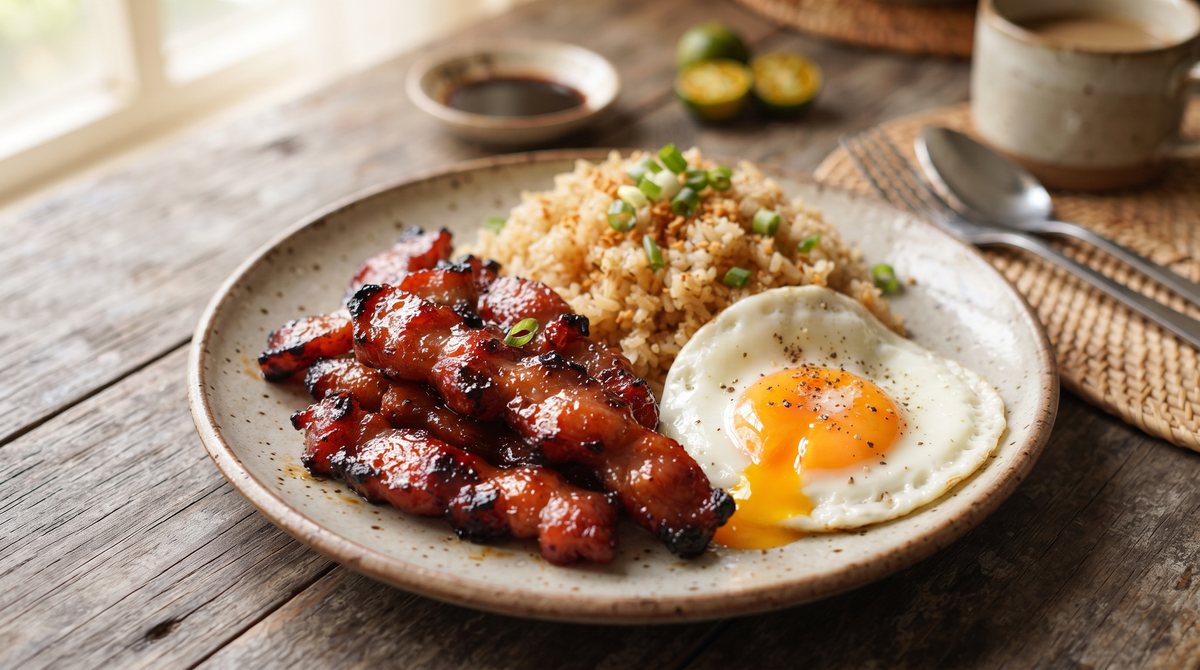
Tocino is Filipino pork cured in sugar, salt and garlic, then simmered tender and fried until the marinade lacquers it. It is breakfast food above all — served with garlic rice and a fried egg it becomes tocilog, one of the great Filipino morning plates. The cure takes five minutes, the fridge does the work overnight, and the cooking is over in twenty minutes.
Recipe
Filipino Tocino
Sweet cured pork, simmered tender then caramelised in its own marinade.
Ingredients
For the cure
For cooking
Method
Cure
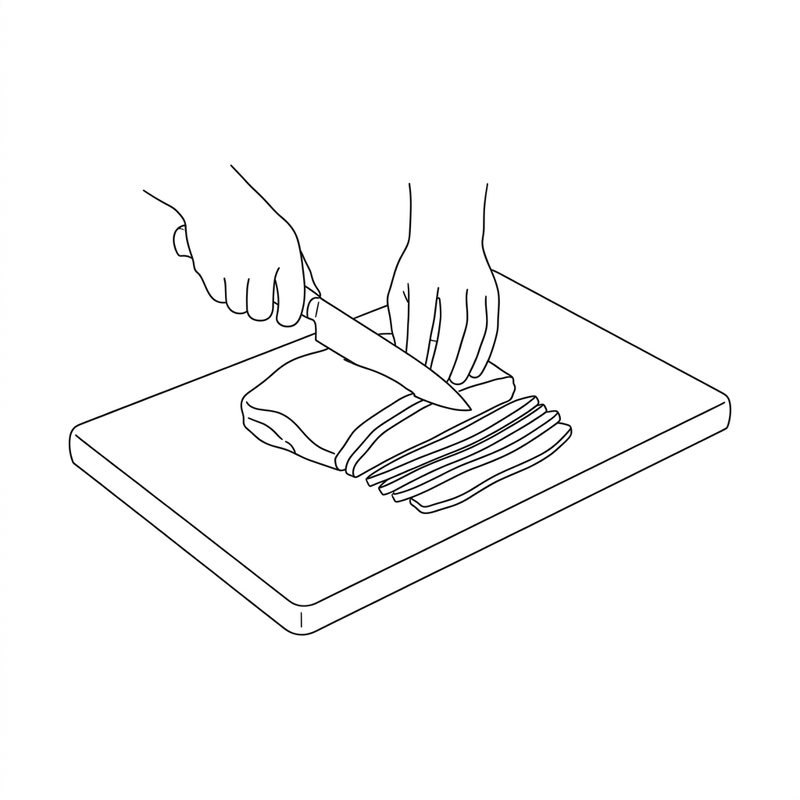
- Slice the pork across the grain into flat strips about 1/4 inch thick. Thin and even matters more than neat.
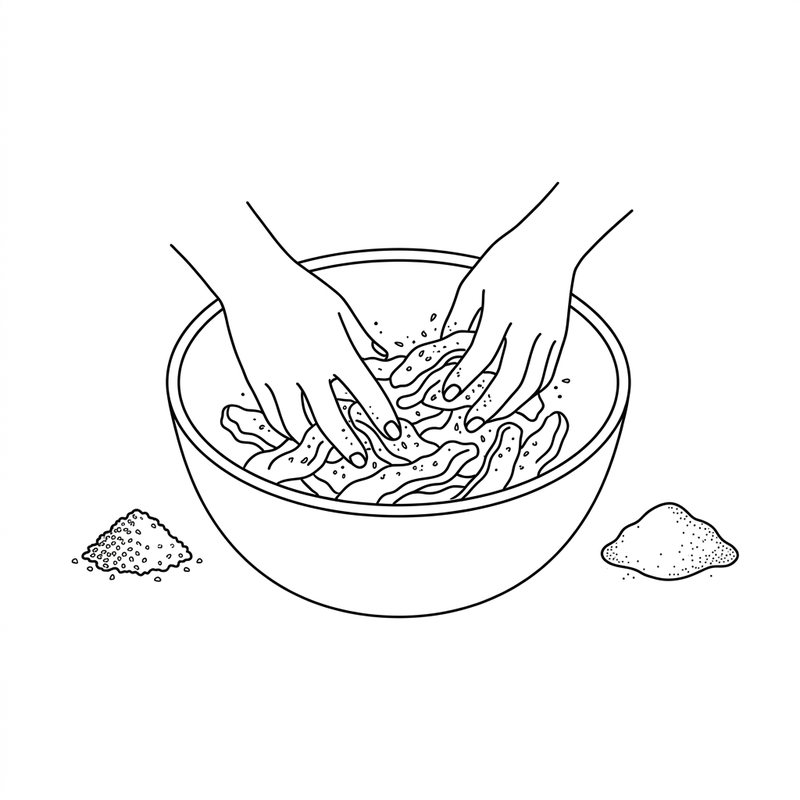
- Combine the pork, sugar, salt, garlic powder, pepper and colouring (if using) in a large bowl.
- Massage the cure into the meat with your hands until every strip is coated and evenly coloured.
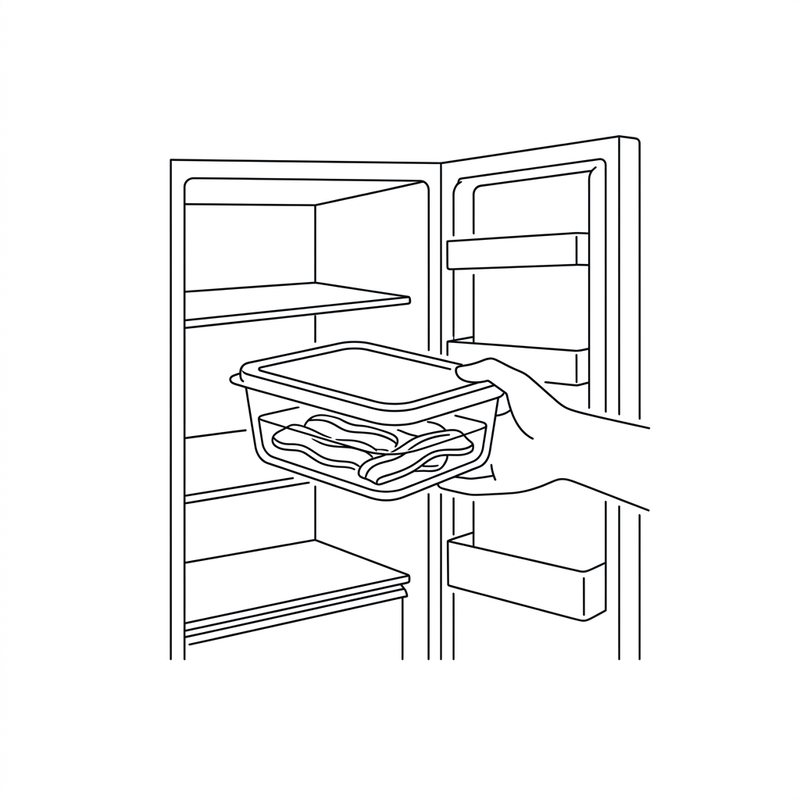
- Transfer to a covered container or a zip-top bag, press out the air, and refrigerate overnight.
Cook
- Tip the pork and all of its marinade into a wide pan and add just enough water to cover the meat.
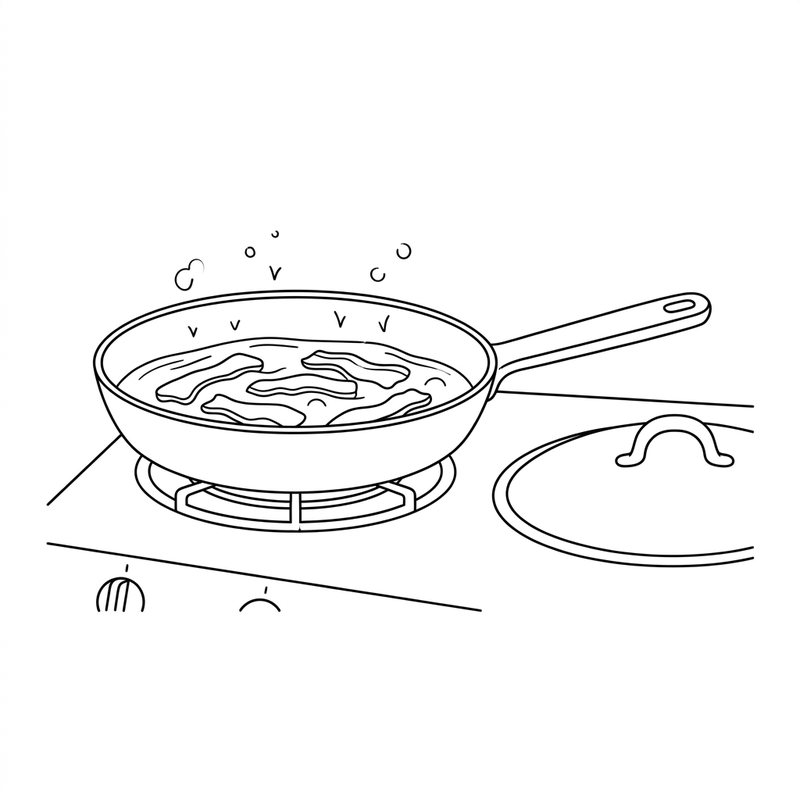
- Bring to a boil over medium heat, then lower the heat, cover, and simmer until the pork is tender.
- Uncover and let the remaining water cook away. Do not walk off at this stage — the sugar catches quickly.
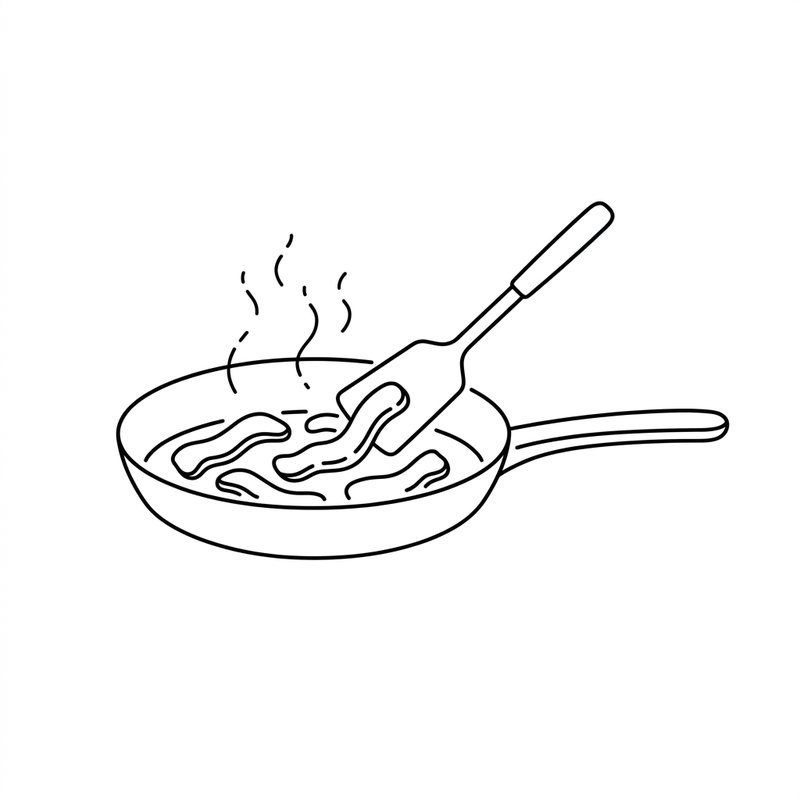
- Add the oil and keep turning the strips until the marinade thickens and lacquers the meat.
- Serve hot with garlic fried rice and a fried egg.
Note: the sugar is what makes tocino tocino, and it is also what burns. Once the water has cooked away, stay at the pan.
Step by step, in pictures
Six moves, and only one of them needs watching. The cure is hands-on for five minutes; the fridge does the rest. The step that decides the result is the last one, when the water has gone and the sugar starts to catch.
 Slice the pork thin
- Massage in the cure
- Cure it overnight
- Simmer in water
- Let it caramelise
- Serve it as tocilog

What is Filipino tocino?
Tocino is pork cured in a sweet, salty, garlicky mixture and then fried until the sugar caramelises. The name comes from the Spanish word for bacon, carried over during three centuries of Spanish rule, but Filipino tocino went its own way — where Spanish tocino is salt-cured fat, the Filipino version is lean pork and unmistakably sweet.
It is a breakfast staple rather than a dinner dish. Paired with garlic fried rice (sinangag) and a fried egg it becomes tocilog, part of the family of Filipino breakfast plates whose names end in -silog. You will find it in every Filipino supermarket freezer, which is exactly why making it yourself is worth doing: the shop version is engineered for shelf life and colour.
What is tocino seasoning made of?
Sugar, salt, garlic and pepper — that is the entire cure. Sugar dominates by volume; it both cures the meat and provides the caramelisation later. Salt draws out moisture and seasons. Garlic powder gives the savoury backbone, and pepper adds a little warmth against the sweetness.
Traditional recipes add anise wine and annatto (achuete). Annatto is where the reddish colour originally came from, long before bottled food colouring existed. Commercial producers also use curing salt for shelf life, which is not needed when you are cooking the meat within a day or two.
Which cut of pork should you use?
Pork shoulder — sold as pork butt — is the right cut. It has enough fat running through it to stay juicy through both the simmer and the fry, and it is cheap enough to make a two-pound batch worthwhile.
Pork belly is the other common choice and gives a richer, fattier result that crisps harder at the edges. Loin and chops are the cuts to avoid: they are too lean, and by the time the sugar has caramelised they have gone dry. Whatever you choose, slice it thin — about a quarter inch — and cut across the grain.
What is the secret to tender tocino?
Simmer it in water first, then fry it in the same pan. This is the step home cooks skip and it is the difference between tocino that pulls apart and tocino that chews.
The logic is simple. Pork shoulder needs time to become tender, but the cure is roughly a third sugar by volume, and sugar starts to burn within a couple of minutes in a hot dry pan. So you give the meat its time in liquid first, let the water cook away, and only then let the concentrated marinade do the caramelising. One pan, two stages, no compromise between tender and lacquered.
Do you need red food colouring?
No — the colour is cosmetic and changes nothing about the taste. Tocino is bright red in shops because that is what shoppers recognise, not because the cure requires it.
Left out entirely, your tocino comes out a deep amber-brown from the caramelised sugar, which is what it looked like before commercial dye. If you want colour without dye, annatto seeds or annatto powder give a natural orange-red and a faint peppery note. The recipe above lists the colouring as optional for exactly this reason.
Can you grill or bake tocino instead of frying it?
Yes, and grilling is the better method if you want char. All three routes work, they just trade off differently.
On the stovetop, follow the recipe: simmer, then fry. It is the most reliable and gives the glossiest finish. On the grill, cook the cured strips over hot coals for three to five minutes a side — you lose the simmer, so slice thinner and expect chew, but you gain smoke and proper char. In the oven, spread the strips in a single layer on a lined tray and bake at 350°F for 30 to 40 minutes; it is the hands-off option and the least caramelised. Whichever you use, the USDA minimum internal temperature for pork is 145°F.
How do you store tocino, and can you freeze it?
Cured raw tocino keeps 3 to 5 days in the refrigerator and 4 to 12 months in the freezer. Those are the USDA’s figures for raw pork, and the cure does not extend them — there is no nitrite in this recipe and not enough salt to preserve.
Worth knowing
This is a marinade, not a preservation cure. Shop-bought tocino often contains curing salt, which is what lets it sit in a chiller cabinet; the homemade version does not, so treat it exactly like any other raw marinated pork.
Freeze it flat in portions in the marinade — it cures further as it thaws, which is a genuine convenience. Cook straight from thawed, and to a minimum internal temperature of 145°F.
Source: USDA Food Safety and Inspection Service, Fresh Pork from Farm to Table; FoodSafety.gov cold storage chart.Can you make tocino to sell?
You can, but the home recipe needs two changes first: curing salt and a real shelf-life plan. This is the question behind a surprising amount of tocino searching, and almost nobody writing about tocino answers it.
A batch cured with only sugar and salt has the keeping qualities of raw pork — days, not weeks. Commercial tocino uses curing salt (sodium nitrite) plus vacuum packing and a frozen chain to reach the shelf life a shop needs. Scaling the flavour is easy: the cure is a ratio, so multiply it. Scaling safely is a regulatory question, and in most countries selling cured meat from a home kitchen requires a licensed facility and a food business registration. Check your local food authority before you sell a single pack.
Frequently asked questions
What are the ingredients of tocino?
Pork, sugar, salt, garlic and pepper. That is the whole cure. Commercial tocino adds red colouring and often curing salt, but neither is needed for the flavour — the sweetness and the garlic are what make it taste like tocino.
What is the secret to tender tocino?
Simmer it in water before you fry it. Tocino is cut from a working muscle and the sugar in the cure burns long before the meat would soften in a dry pan. Boiling first tenderises it, then the water cooks away and the same pan caramelises it.
What is tocino seasoning made of?
Sugar does most of the work, with salt to cure, garlic powder for savouriness and pepper for warmth. Traditional versions also use anise wine and annatto, which is where the red colour originally came from.
How long should tocino cure?
Overnight is enough for sliced pork — roughly 8 to 12 hours in the refrigerator. Longer will not hurt it, but raw pork should not be kept refrigerated beyond 3 to 5 days according to the USDA.
Do I have to use red food colouring?
No. The colour is cosmetic. Leave it out and your tocino will be a deep amber-brown instead of pink-red, and it will taste exactly the same. Annatto gives a natural reddish tint if you want the colour without the dye.
Can I use the same marinade for chicken tocino?
Yes. Use boneless chicken thigh, keep the cure identical, and cut the simmering time roughly in half — chicken tenderises much faster than pork shoulder.

If you like this, the same breakfast plate works with garlic fried rice and longganisa, the sweet garlicky sausage that shares the plate with tocino as often as not.