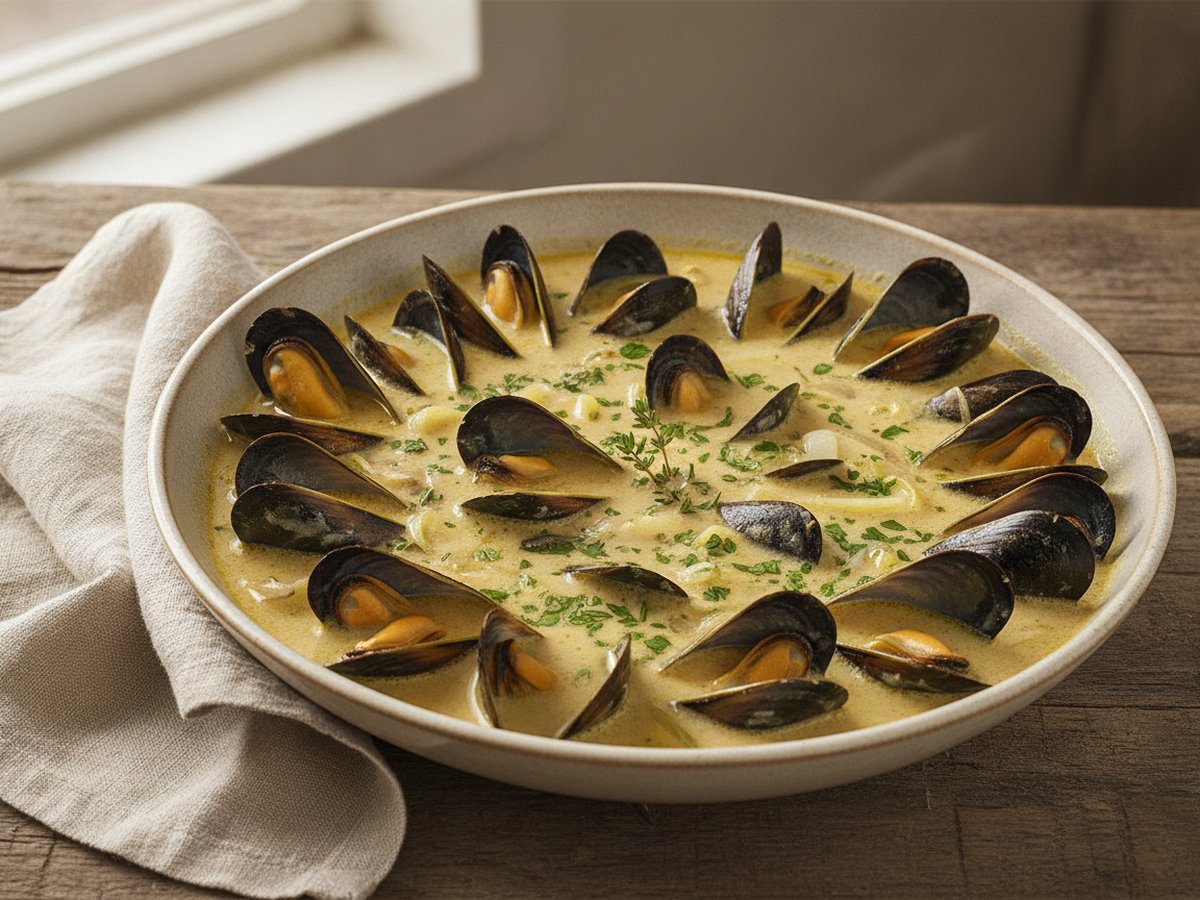
This mussel soup steams fresh mussels in white wine with onion, leek, garlic and herbs, then finishes the broth with vermouth, cream and saffron. It serves four and takes about 30 minutes: 10 to prepare, 20 on the stove.
Easy and quick, it suits a weeknight as well as New Year or a family party.
Last updated
Recipe
Mussel soup
Ingredients
Method
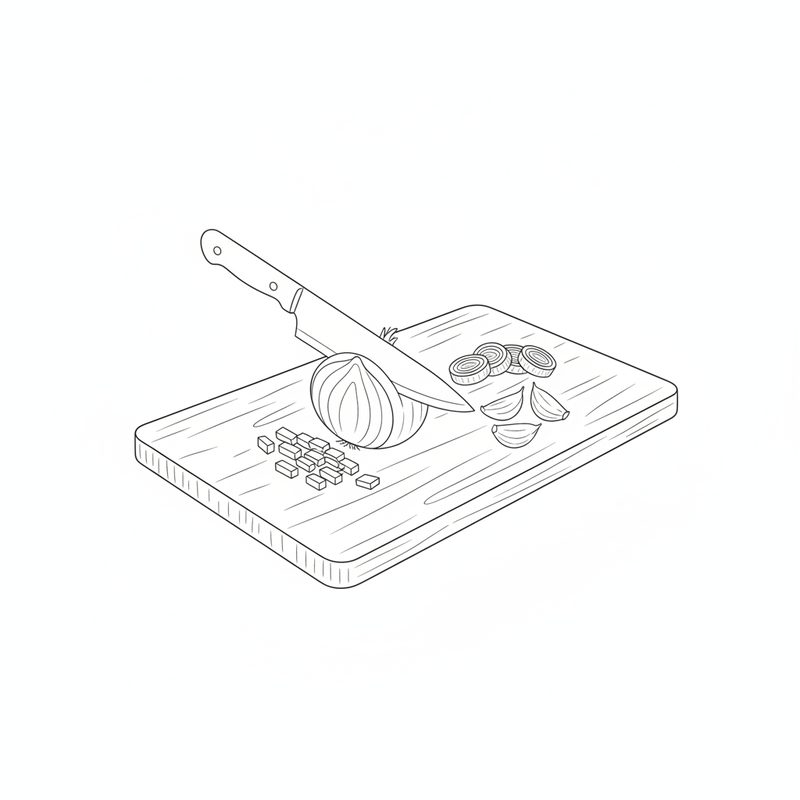
- Peel and chop onion, leek and garlic nicely.
- Remove the root part of the leek and its outer leaves on the white part, and cut it thinly.
- Rinse parsley and thyme and chop the parsley.
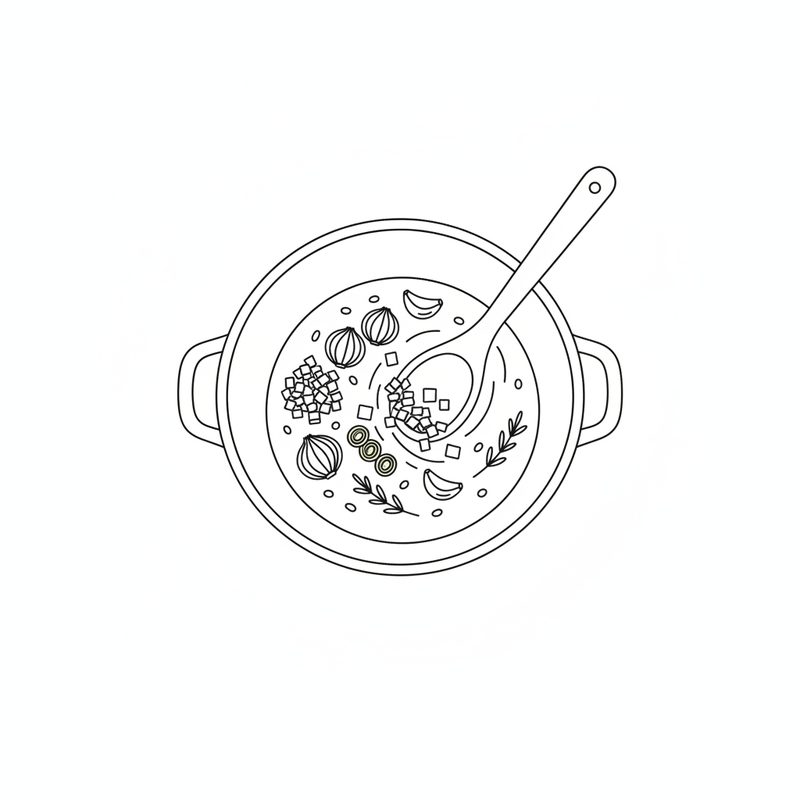
- Bring some olive oil into a large pot, where all the mussels can be placed in, and stir all the herbs for a couple of minutes.
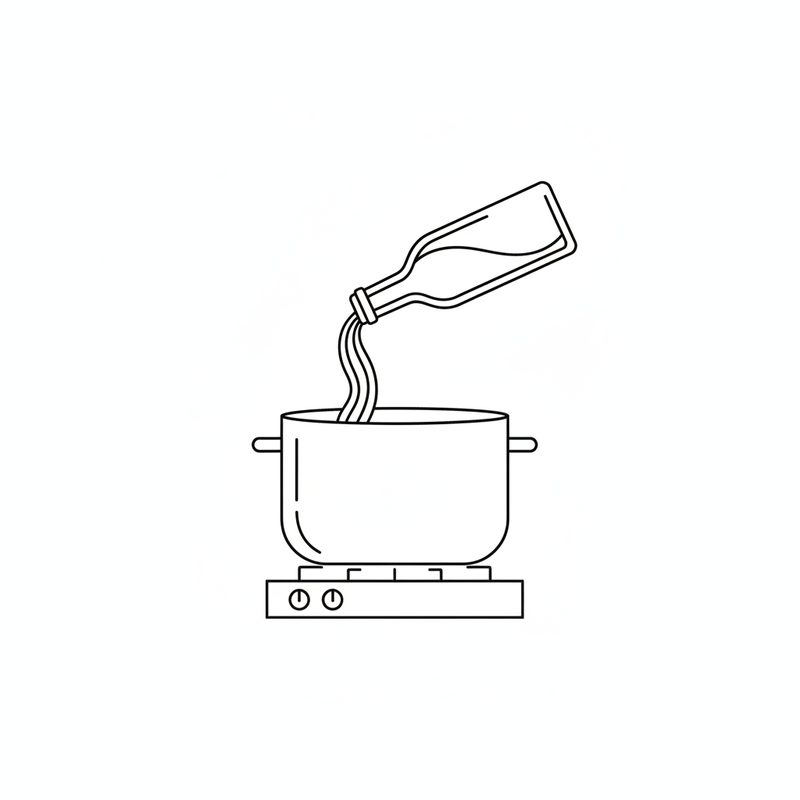
- Add white wine and boil.
- Add some pepper. In this step, you don’t need to add salt, since by nature, the mussels are salty. So be careful!
- Add the mussels – if fresh, they should of course be cleaned first
- Cook at high heat for 4-6 minutes while stir the pot a couple of times along the way, so that the mussels are shaken apart.
- Add the vermouth and let it boil a little.
- Add cream and saffron and let it boil for a faint quench for a few minutes until the soup gets a little color.
- Season with salt to taste.
Step by step, in pictures
The whole soup is made in one large pot, so the method is mostly a matter of adding things in the right order. These six drawings follow the card.
 Chop the onion, leek and garlic.
- Soften them with the herbs in olive oil.
- Pour in the white wine and bring it to the boil.
- Add the cleaned mussels.
- Cook on high heat, stirring, until they open.
- Finish with vermouth, then cream and saffron.
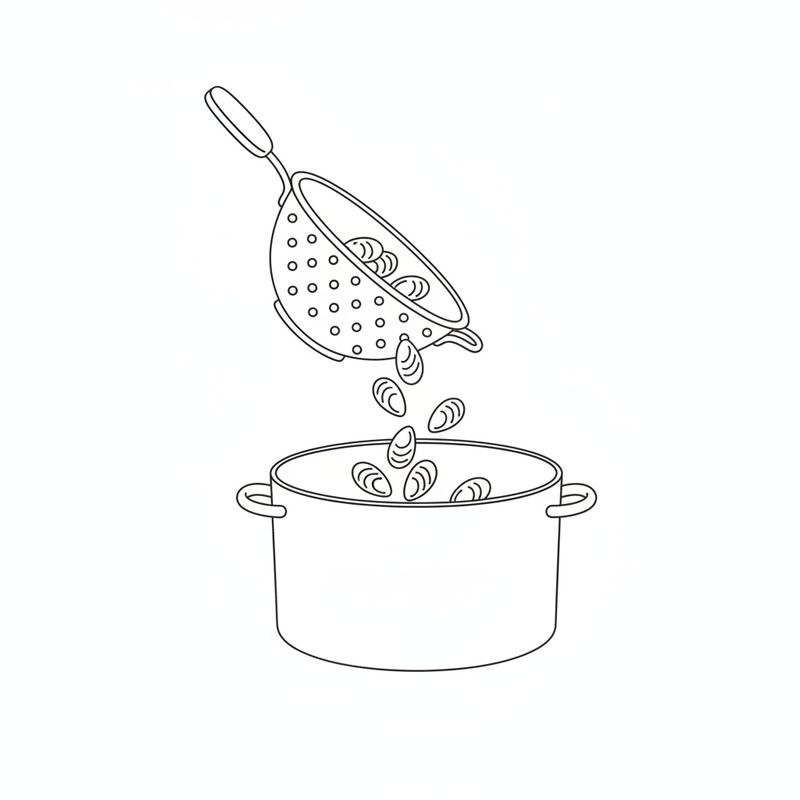
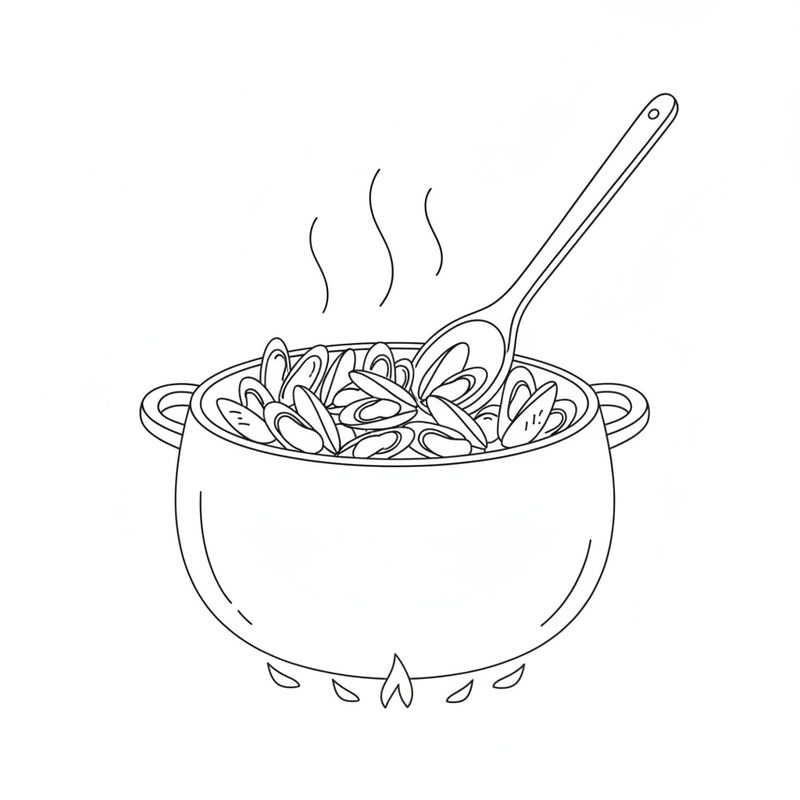
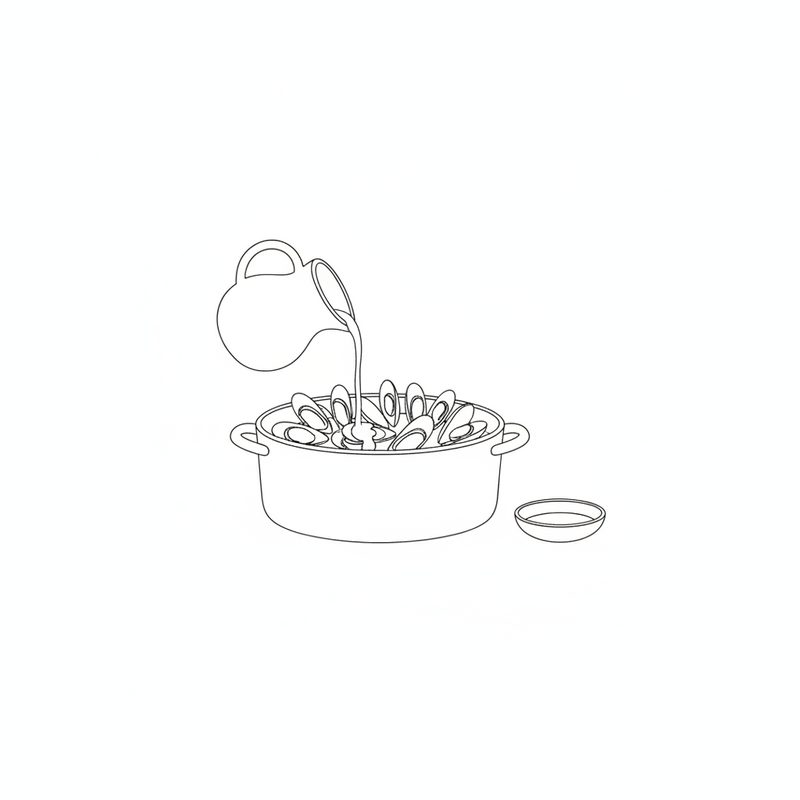
How to clean and check fresh mussels
Rinse the mussels under cold running water rather than leaving them to sit in a bowl of water, and pull off the beards and any grit as you go. Cleaning and checking mussels takes no special skill, whatever the myths say.
Check each one while you clean. Throw away any mussel with a cracked or broken shell. If a mussel is open, knock it lightly against the sink: a live one closes. If it has not closed after a few minutes, discard it. Both checks match the US FDA’s seafood guidance.
After cooking, the mussels should all be open, though not necessarily wide open. If a lot of them are still shut, give the pot a little longer, but not so long that the open ones turn tough. Any that stay closed after that go in the bin; the FDA’s advice is to throw out mussels that do not open during cooking.
Fresh or frozen mussels?
Either works, but fresh ones taste better. It takes a moment to get used to the idea that the mussels are alive, but fresh is what this recipe is written for. If you buy frozen, ask your supplier whether the mussels were frozen while they were still fresh. If they cannot tell you, do not buy them.
Leave frozen packs on the shelf if they are open, torn or crushed at the edges, or if they show frost or ice crystals, which the FDA says can mean the seafood was stored a long time or thawed and refrozen.
What is the broth in this mussel soup?
There is no stock in it. The broth is dry white wine and vermouth, the juices the mussels release as they open, and cream, coloured and scented with saffron. Many other mussel soups are built on tomato, on fish or chicken stock, or on a clear broth; this one belongs firmly to the creamy kind.
Common mistakes when making mussel soup
- Salting too early. Mussels are naturally salty, so only pepper goes in before them, and salt waits until the very end, to taste.
- Using a pot that is too small. Every mussel has to fit in the pot at once, with room to stir it a couple of times so they are shaken apart.
- Overcooking. The mussels need 4 to 6 minutes on high heat. Cooking on and on to coax open a few stubborn shells only makes the rest tough.
- Cooking mussels that were dead before they went in. Sort out cracked shells, and open shells that will not close when tapped, before the pot goes on.
What to serve with mussel soup
For side dishes and drinks, see our guide to what to serve with mussels.