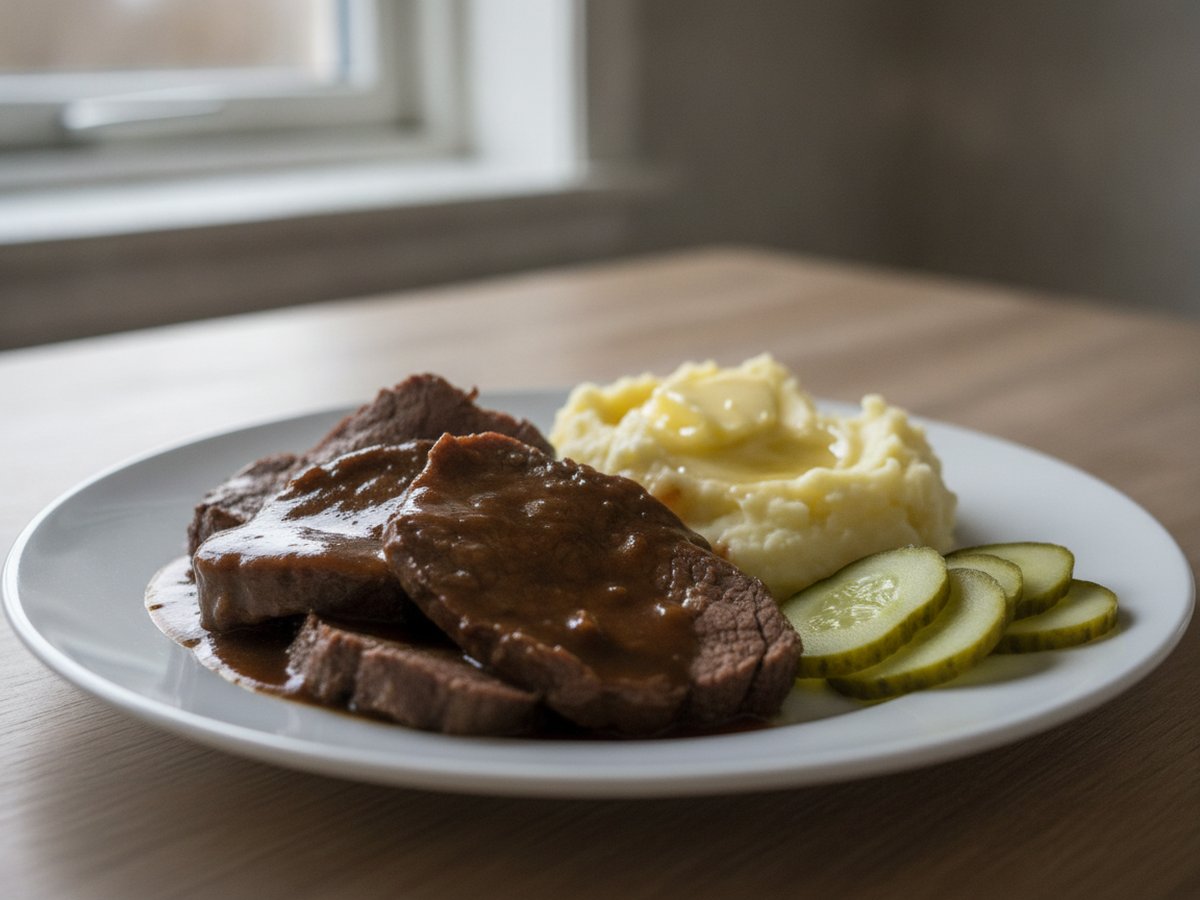
Bankekød is Danish beaten beef: slices dusted in seasoned flour, browned, then simmered with onions, bay leaves and peppercorns for 1 to 1½ hours until tender, in a brown gravy made from the cooking liquid. It is a slow braise, not Wiener schnitzel.
Last updated
Recipe
Bankekød
Ingredients
Method
- Cut the meat into thin slices about 1-1½ cm thick.
- Add approx. 4 tablespoons of flour mixed with salt and pepper.
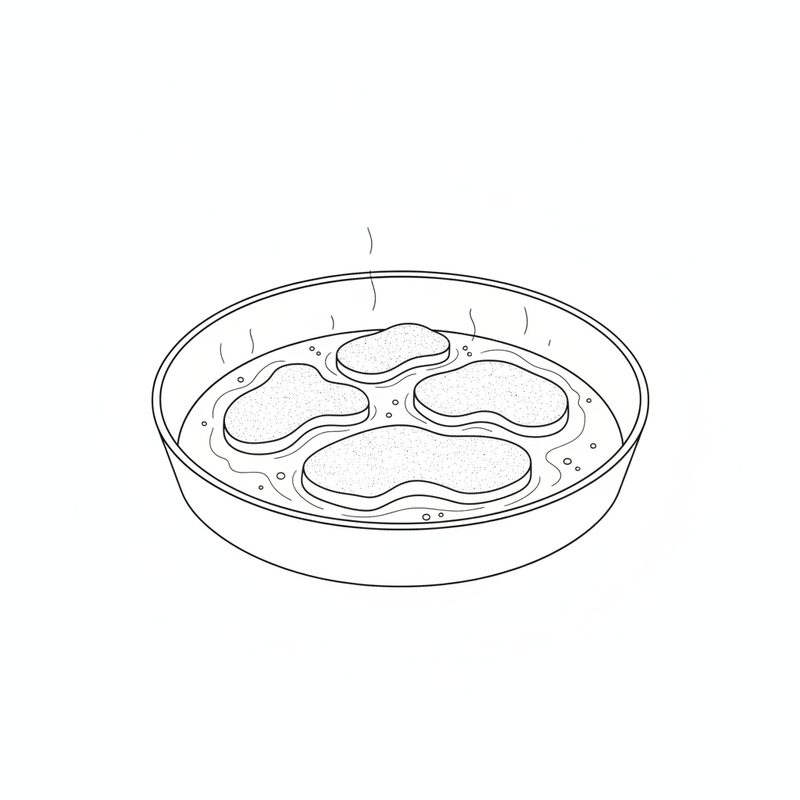
- Put a suitable amount of margarine in a saucepan, melt, and fry the meat on both sides flip until the meat is cook and juices comes out from the meat. Bring more margarine into the pan if necessary.
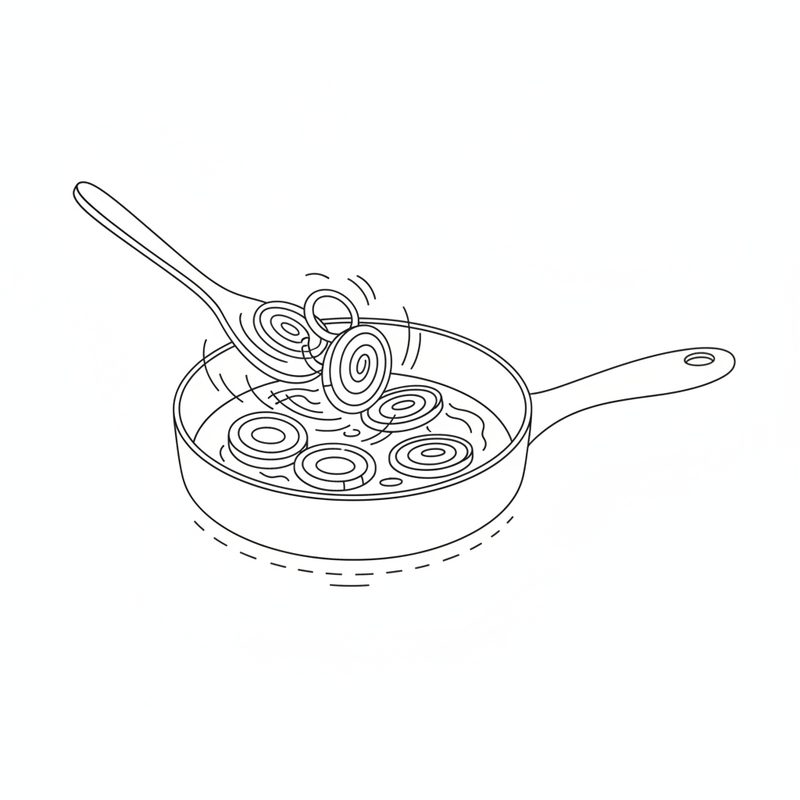
- Take the last meat out of the pan when it is cooked, add the onions and sauté until golden.
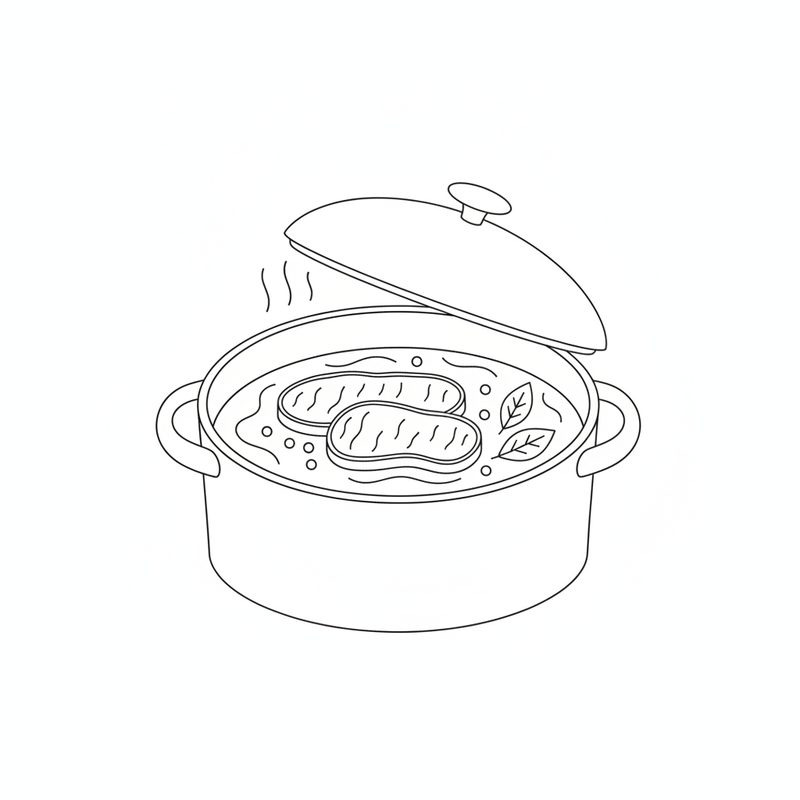
- Bring the meat back into the pan, pour boiling water until it covers the meat- add extra by the way if necessary – add laurel and peppercorns and simmer for 1 to 1.5 hours until the meat is absolutely tender.
- Remove the meat from the pan. Add flour to the sauce and stir.
- Add any beef broth and food coloring and season with salt and pepper.
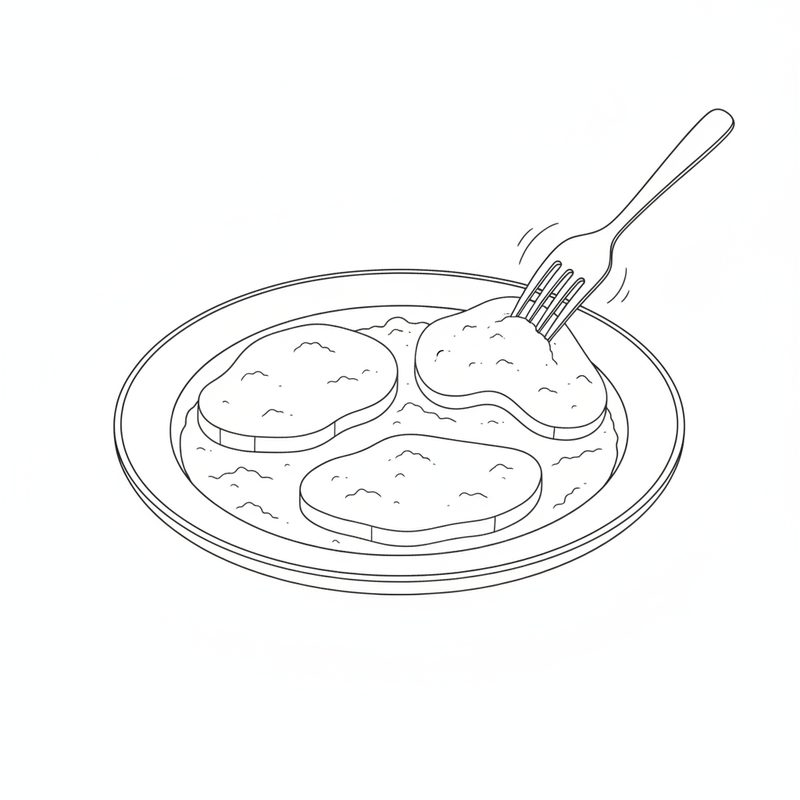
- Put the meat back in the pan and serve with mashed potatoes, boiled or steamed vegetables as well as a pickled cucumber or reddish plate.
Bankekød vs Wiener schnitzel: not the same dish
Wiener schnitzel is a thin slice of veal coated in breadcrumbs and fried. In Austria the name is protected and has to mean veal. A pork or chicken version is sold as Schnitzel Wiener Art (Viennese-style schnitzel). It is commonly served with a slice of lemon and potato salad or parsley potatoes.
Bankekød shares only the starting point, a slice of beef, and then goes the other way. There is no egg and no breadcrumb coating, and the meat is simmered for an hour or more instead of fried for minutes. You get soft beef in gravy, not a crisp cutlet. If you came here for the breaded version, this recipe will not give you that.
Why it is called bankekød
Banke means to beat. Danish recipes for the dish describe beating the beef slices with a meat mallet or the flat of a cleaver, a step Danish recipe sites trace to a time when the meat was tough. This card cuts the slices 1 to 1½ cm thick and relies on the long simmer to make them tender.
The word turns up outside the kitchen too: Bankekød til slemme drenge is the Danish title of the 1978 Clint Eastwood comedy Every Which Way But Loose.
Step by step, in pictures
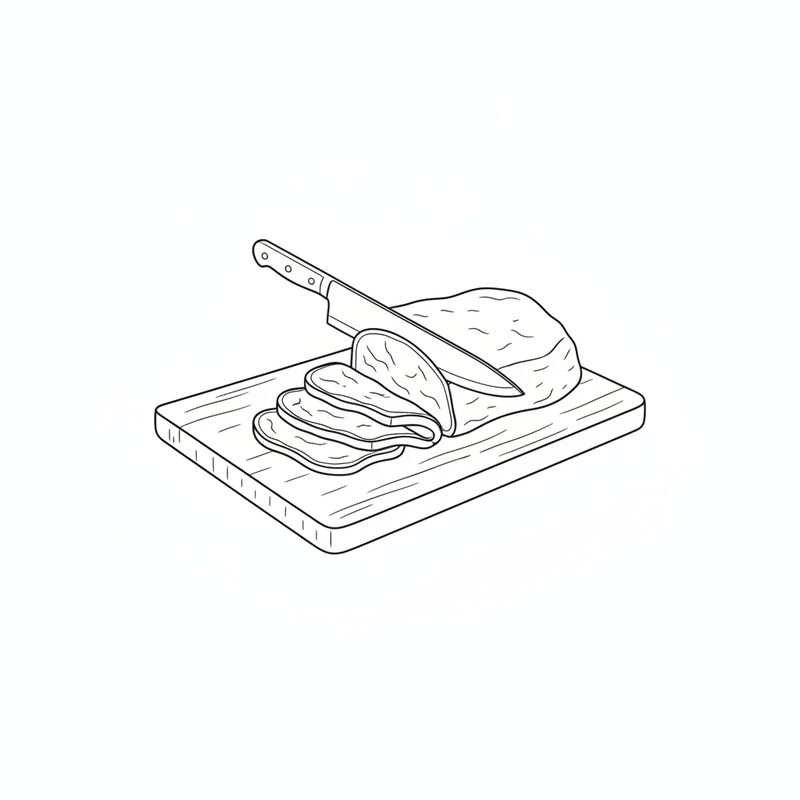
The six moves of the method, from slicing the beef to serving it in its gravy.
 Slice the beef
- Turn it in seasoned flour
- Brown it in batches
- Saute the onions
- Simmer with bay and pepper
- Serve in the gravy
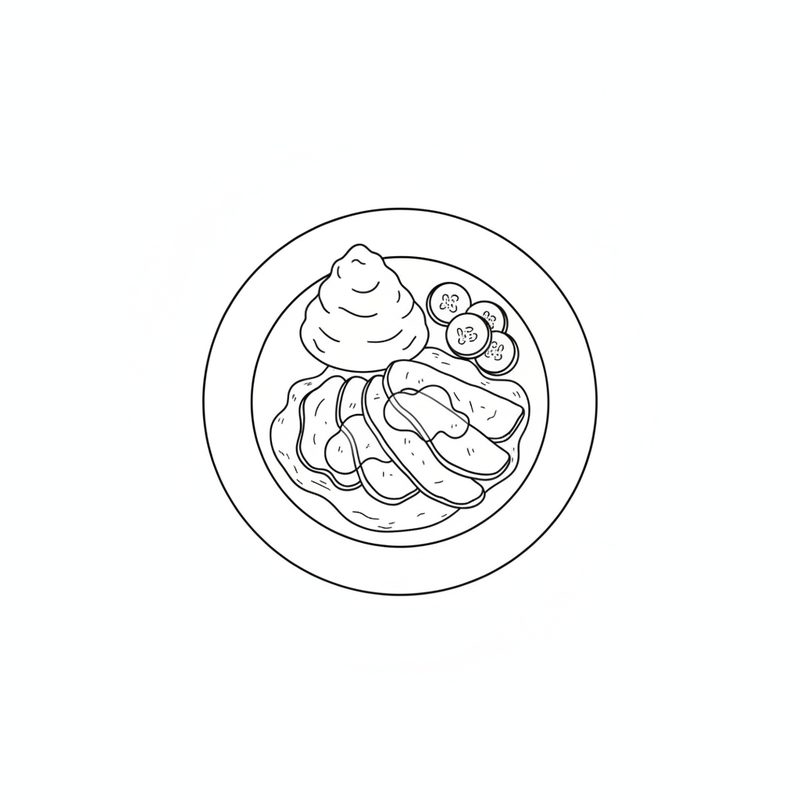
Three things that decide how it turns out
- Brown in batches. A crowded pan gives the slices less colour, and the browned bits left in the pan end up in the gravy. The method says to add more margarine between batches if the pan runs dry.
- Simmer gently, and test with a fork. The card allows 1 to 1½ hours. Check at the hour and stop when a fork goes in without resistance. Top up with water if the meat starts to poke out of the liquid.
- The food colouring is optional. It is there for colour. Well-browned meat and onions already give a brown gravy.
What to serve with bankekød
Mashed or boiled potatoes are the usual partners in Danish recipes for the dish, because the gravy needs something to soak into. The recipe also suggests boiled or steamed vegetables, and pickled cucumber on the side to cut through the rich sauce. Root vegetables work as well. For wine, the original post suggests a Bordeaux or a Chianti Classico.
What to do with leftovers
Reheat the meat gently in its own gravy, on the hob or in the microwave. Leftover mash can be mixed with one or two eggs and baked as a side the next day.