This is the quick version of chicken biryani: one pan, no marinating and no sealed pot. The rice is boiled on its own and folded through the spiced chicken at the end, and the whole thing takes about 35 minutes and serves four. The warm spices are the same three Danes put in Christmas baking — cloves, cardamom and cinnamon — with ginger, chilli and garlic on top. If you were after a layered, slow-steamed biryani, this is deliberately a different dish; the comparison below explains how.

Last updated
Recipe
Biryani
Ingredients
Method
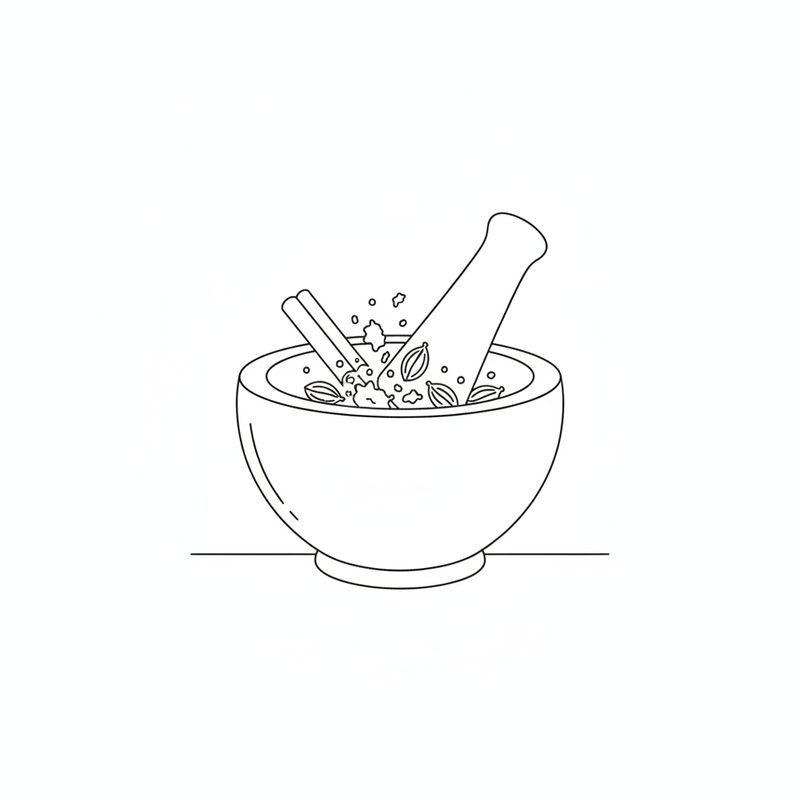
- Crush the cinnamon stick, cardamom pods and cloves in a mortar.
- Chop onion, chili peppers, ginger and garlic nicely.
- Cut the tomato into small pieces.
- Cut the chicken into suitable pieces.
- Cook the rice according to the instructions on the packaging.
- Melt the butter in a pan.
- Add the bay leaf, onion and chili and the cloves until the onion is golden.
- Then add ginger, garlic, tomato and oil and simmer for a few minutes.
- Finally add chicken, yogurt, mint, coriander and turmeric.
- Let your biryani roast until it gets thicker and the chicken is cooked.
- When both rice and biryani are finished, turn the rice into biryani.
- Decorate if necessary with some fresh coriander or broad-leaved parsley when serving.
Step by step, in pictures
Six moves, in the order the recipe card lists them.
 Crush the cinnamon, cardamom and cloves in a mortar.
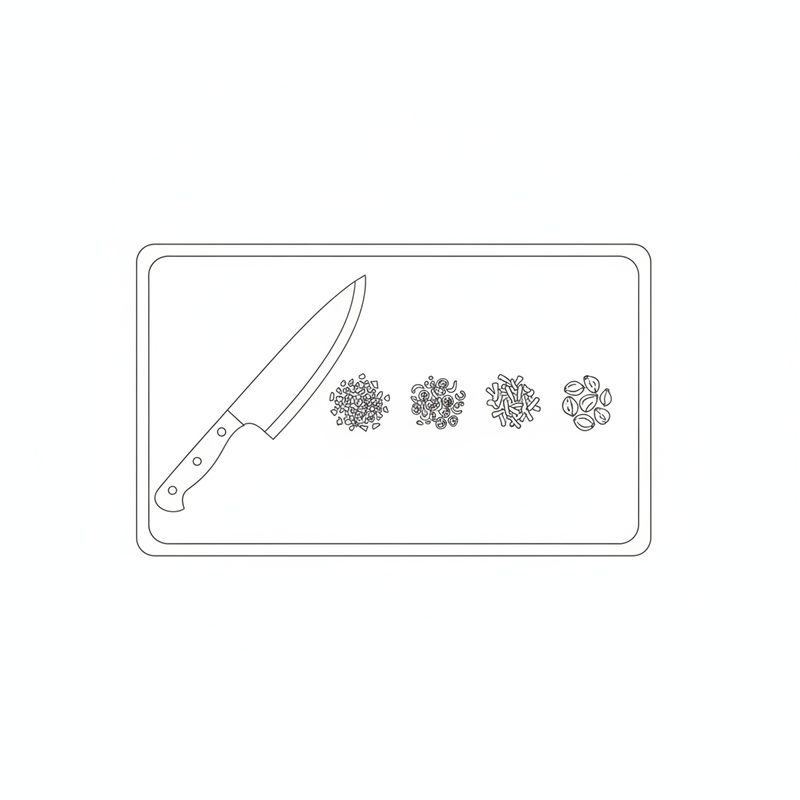
- Chop the onion, chilli, ginger and garlic.
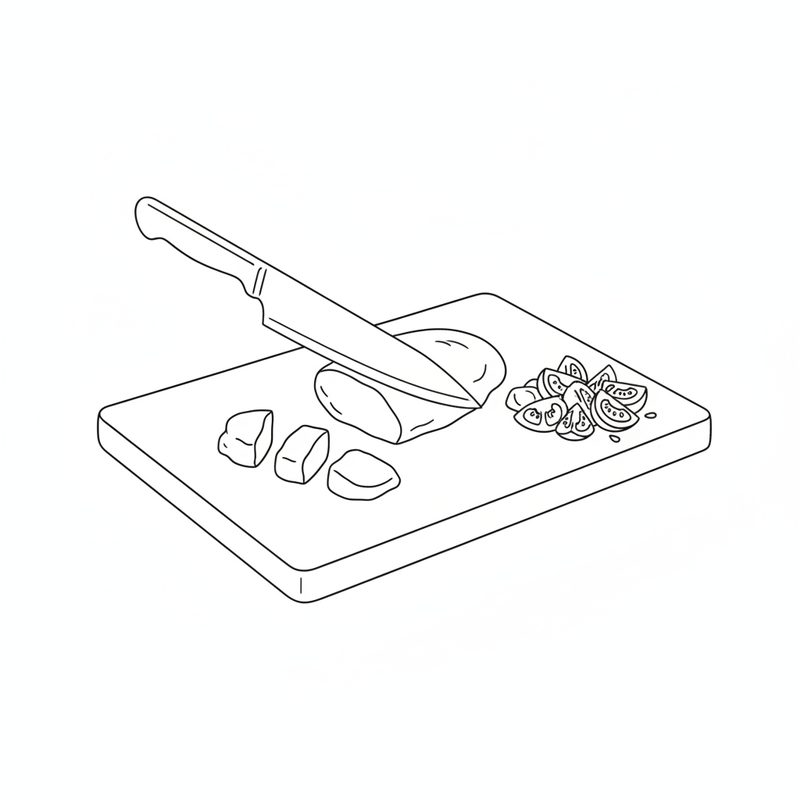
- Cut the chicken into pieces and chop the tomato.
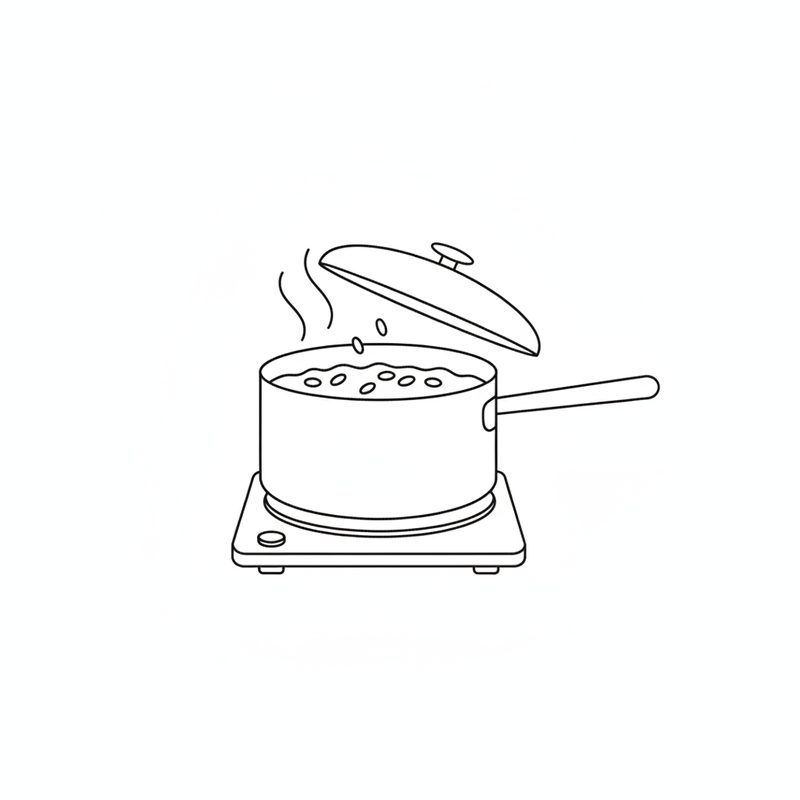
- Boil the rice separately, following the packet.
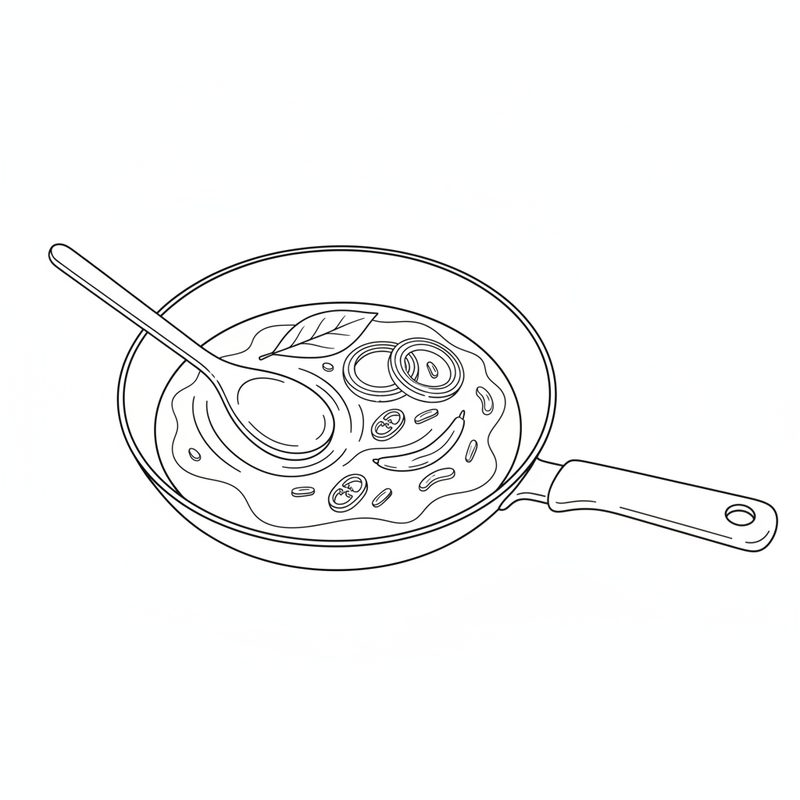
- Soften the bay leaf, onion and chilli in butter until golden.
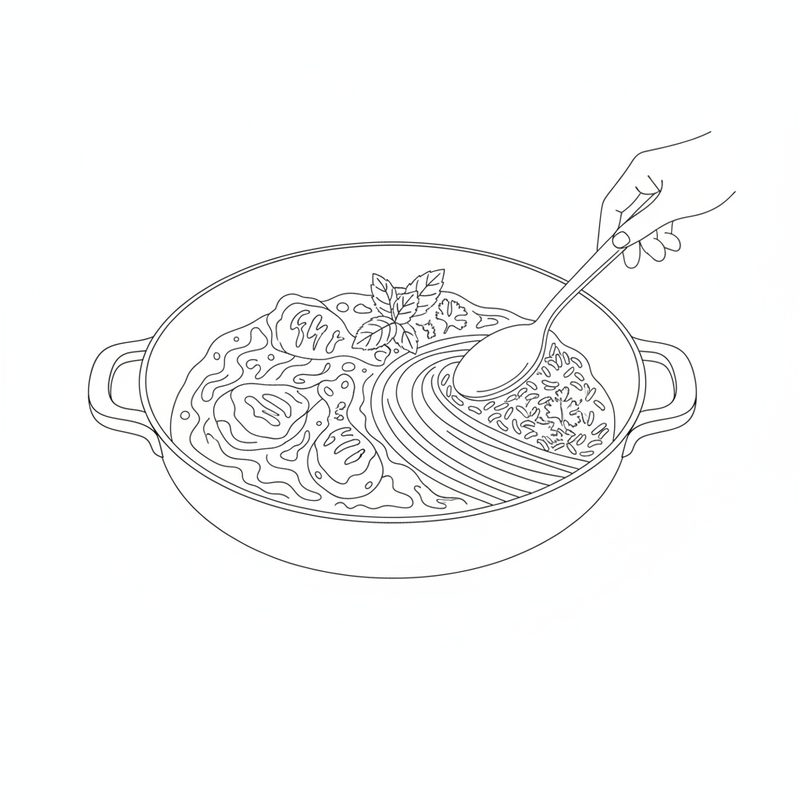
- Fold the cooked rice through the chicken and finish with herbs.
How this differs from a traditional dum biryani
The short answer: this one is cooked in a pan and mixed, while a dum biryani is layered and steamed. In the dum method as most published recipes describe it, the chicken is marinated first, part-cooked rice is layered over it, and the pot is sealed so everything finishes in its own steam. Here the rice is boiled on its own, the chicken is cooked in the pan with the spices and yogurt, and the two are folded together at the end.
That changes what you get. A dum biryani gives you distinct layers of rice and meat that have cooked together under the lid. This version gives you an evenly spiced, saucier plate of rice and chicken, and it asks for far less time and attention. Neither is a worse dish; they are different dishes that share a name and a spice cupboard.
Do you have to marinate the chicken? Not for this recipe. The yogurt goes into the pan with the chicken at step nine rather than sitting on it beforehand, which is what removes the waiting. If you want the deeper flavour that marinating gives, that is the traditional method, not this one.
On the timings: the prep and cook times on the card are the median of published recipes using this same quick, unmarinated method, and the four servings come from the original post. They have not been timed in our own kitchen, and the recipe as originally written did not state them.
Questions about this biryani
What are the ingredients of biryani?
At its core: rice, meat or vegetables, yogurt, onion, garlic, ginger, chilli and a set of warm whole spices. This version uses basmati rice, chicken breast, Greek yogurt, and cinnamon, cardamom and cloves crushed together, with turmeric for colour and mint and coriander to finish. The full list with quantities is in the card above.
Is this the authentic recipe for biryani?
No, and it is not trying to be. The versions usually described as authentic are layered and steamed under a sealed lid, and they take a good deal longer. This is a weeknight adaptation of the same flavours. If authenticity is what you are after, look for a dum or Hyderabadi recipe instead.
Can I use something other than chicken breast?
Yes. Beef, goat and lamb all work, and so do prawns or vegetables such as potato, aubergine and carrot. The spice base and the order of the steps stay the same. Adjust how long the meat cooks at step ten — you are waiting for it to be cooked through and for the sauce to thicken, not for a set number of minutes. The same yogurt-into-the-pan technique is behind Pakistani chicken curry with yogurt if you want to see it in another dish.
What can I serve with it?
It is a complete plate on its own. If you are feeding more people, it sits well next to Pakistani chicken tikka or chicken tikka masala. For another chicken dish cooked in a single pan, try Pakistani chicken karahi or achari chicken.
Watch the method
Below is a video of Indian chef Vah Reh Vah, explaining how to make biryani.