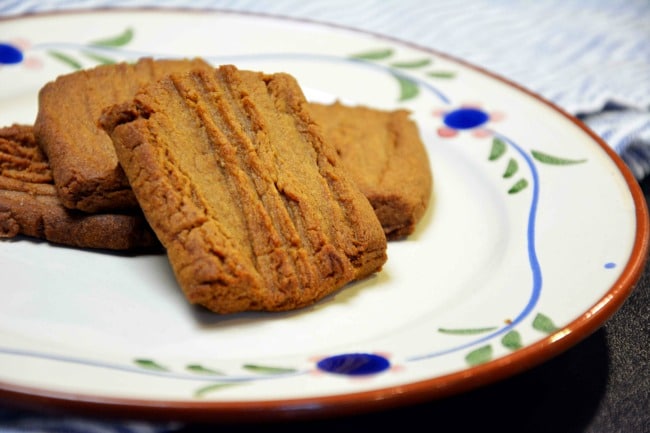
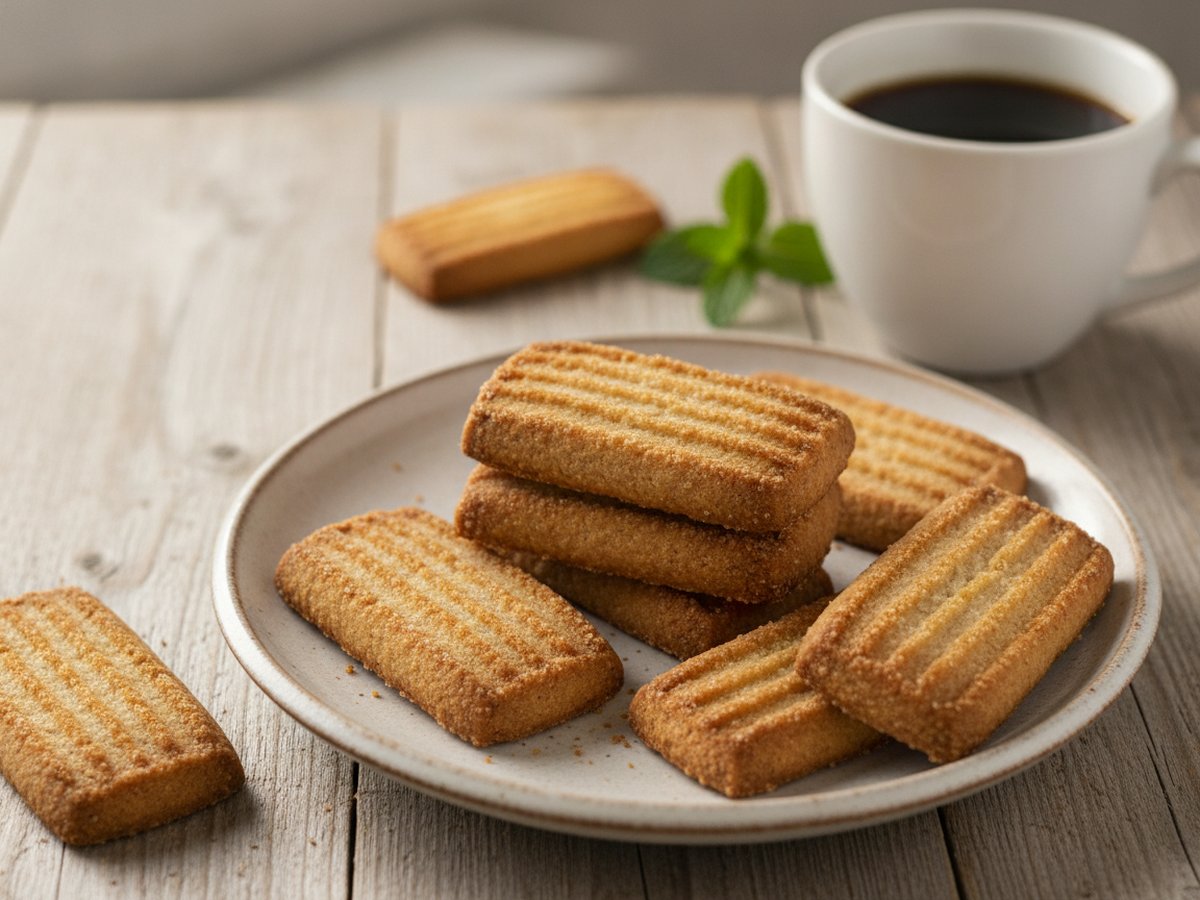
Bastogne cookies are thin, crisp spice biscuits flavoured with cinnamon, ginger and cardamom. The name comes from the Belgian Bastogne biscuit, which Dutch Wikipedia credits to baker Paul Parein in 1952 and which is named after the town of Bastogne in the Ardennes. This is the homemade Danish style, bastognekager: a maple-syrup and muscovado dough rolled into ropes, pressed flat with a fork and cut into strips. It makes 32–36 cookies in about 1 hour 20 minutes, an hour of which is the dough resting in the fridge.
Last updated
Recipe
Bastogne cookies
Ingredients
Method
- Mix the syrup and sugar together in a bowl, and then whisk the butter.
- Mix all the other ingredients and pour it into the syrup mixture into a cohesive dough and then put the dough in the refrigerator for at least one hour. If the dough is too dry, add a few tablespoon of milk
- Turn on the oven at 175 ° C hot air.
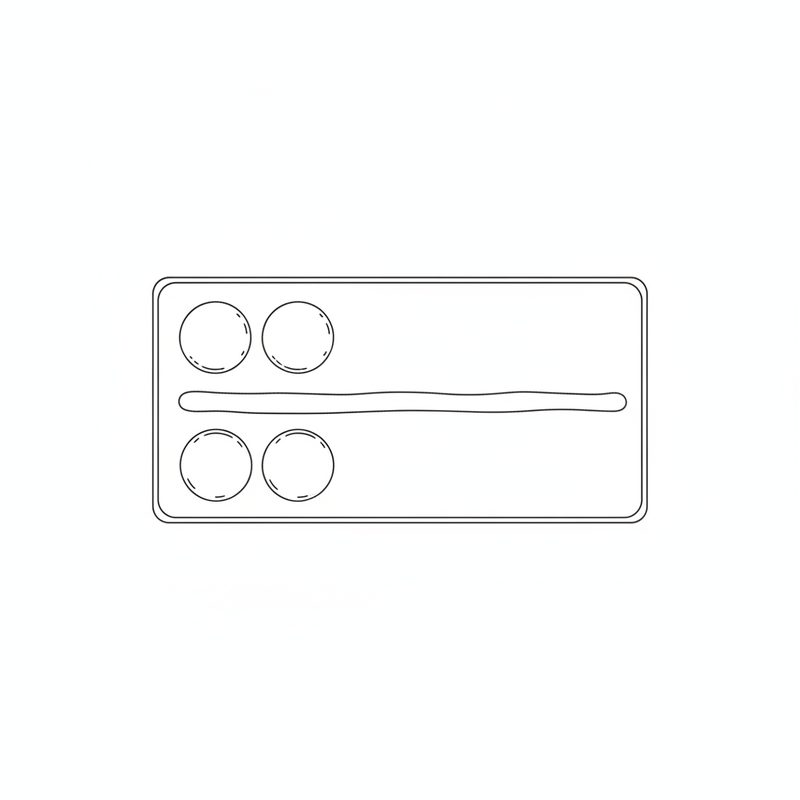
- Divide the dough into smaller pieces – I split it into 4 – and make long rods of each piece of approx. 1½ cm in diameter.
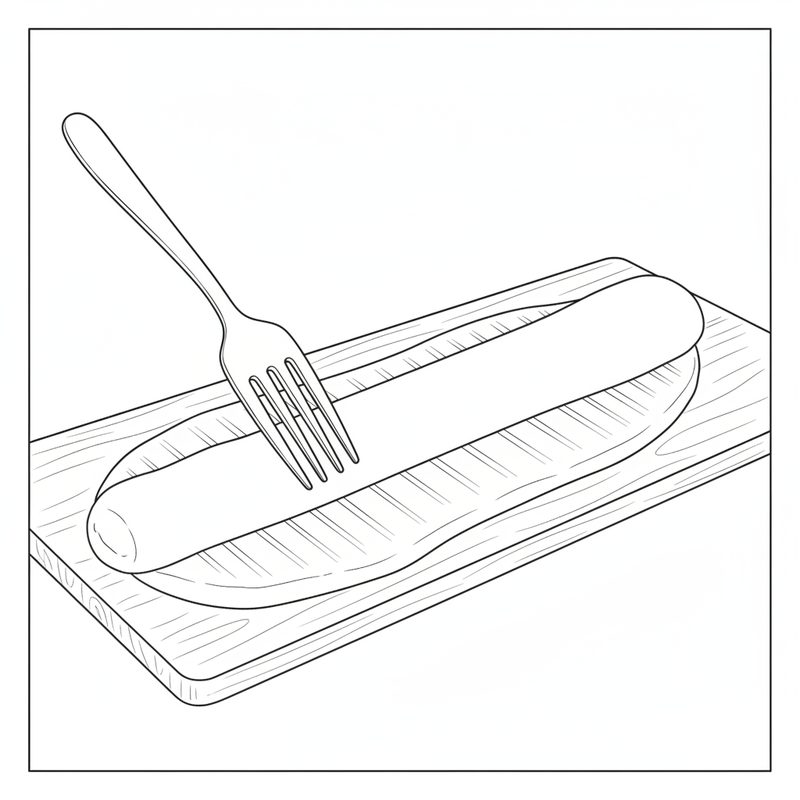
- Press the sausage hard with the back of a fork so that it will tear in and make it flat and wide.
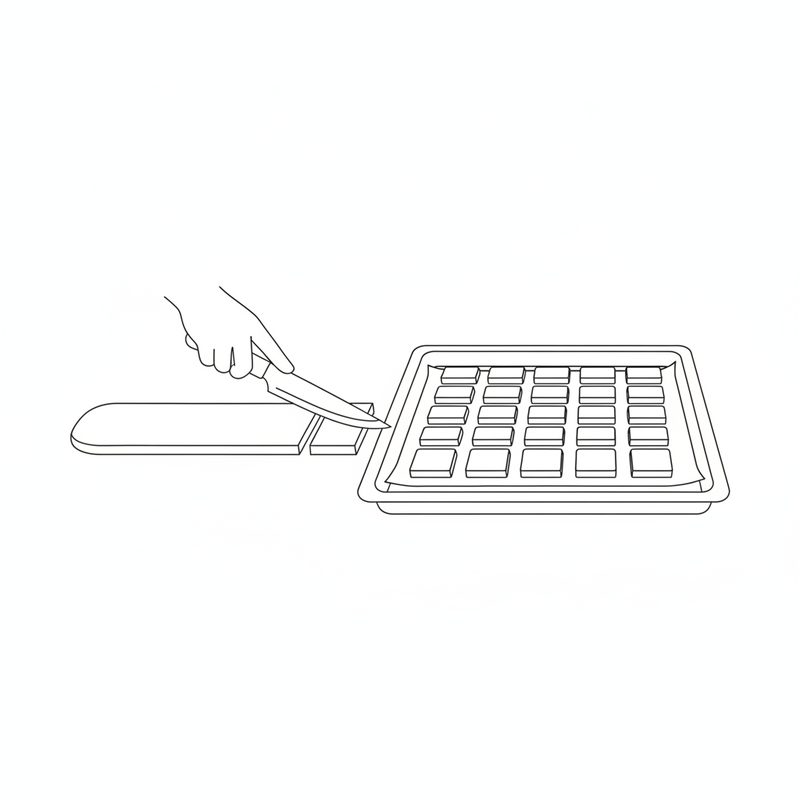
- Cut the bar into 5-6 cm long biscuits and place them on a baking sheet lined with baking paper (greaseproof).
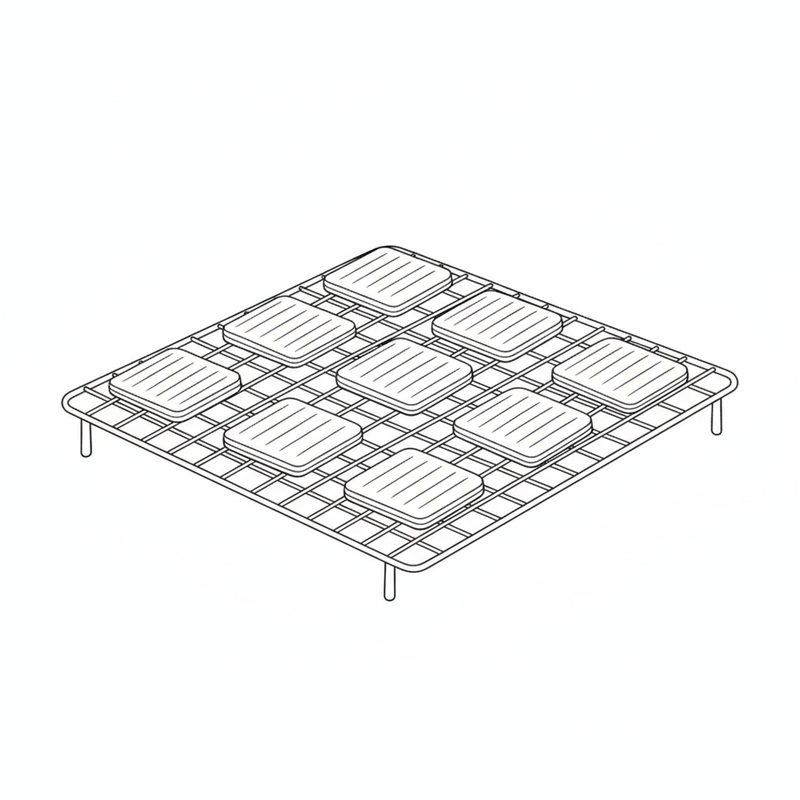
- Bake the cakes for 10-12 minutes. They are soft when you take them out of the oven, but they become hard when they have cooled down. Finally, do not bake them until they are tough or too hard, so that you can avoid the risk of tearing your child’s teeth.
Step by step, in pictures
The six moves of the method, from the syrup bowl to the cooling rack.
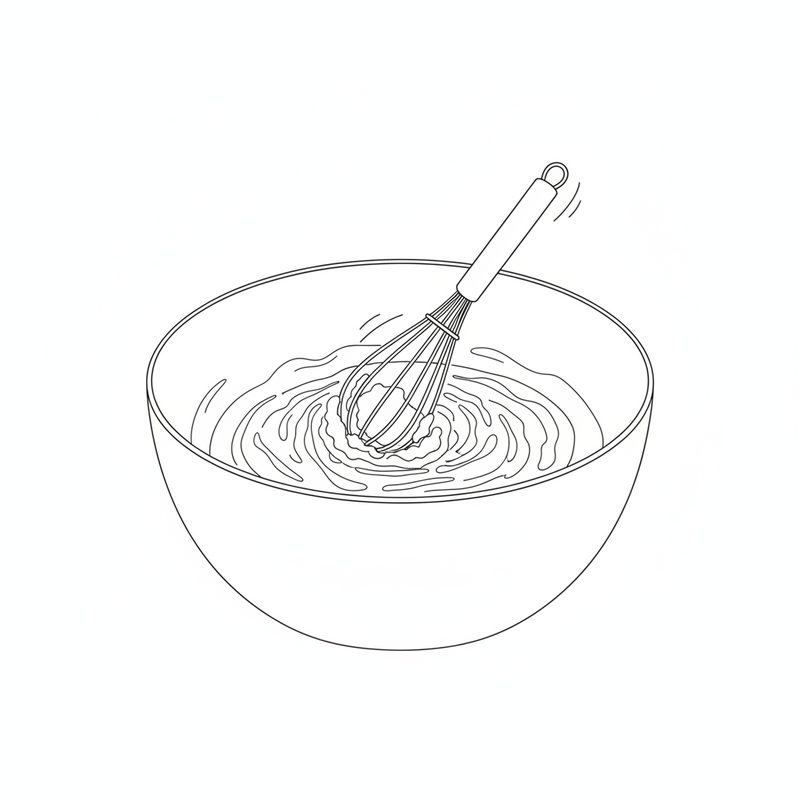
 Whisk the butter into the syrup and sugar
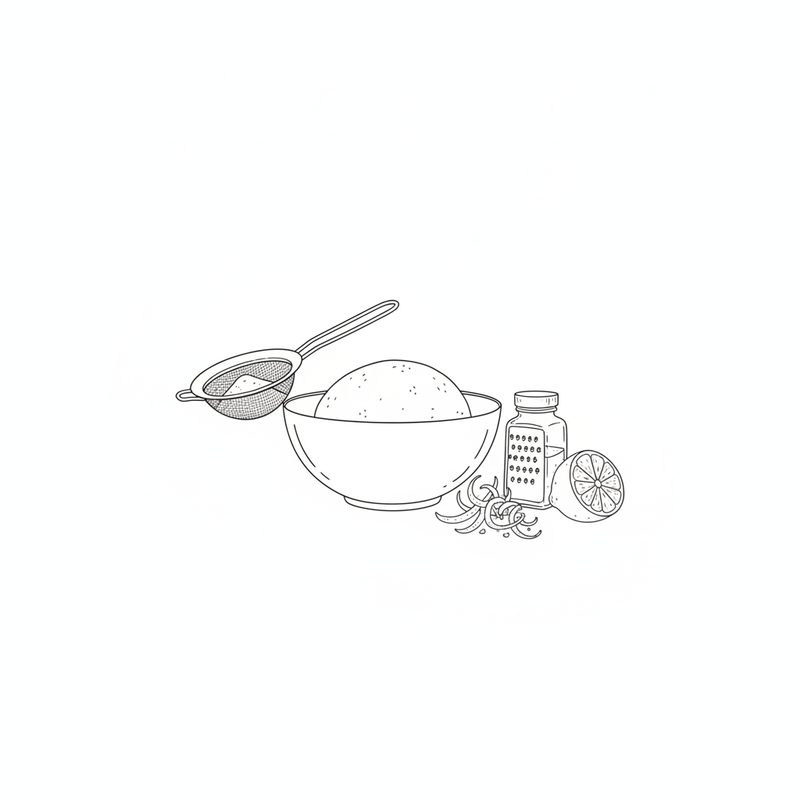
- Mix in flour and spices, then chill 1 hour
- Divide in four and roll long 1½ cm ropes
- Press each rope flat with the back of a fork
- Cut 5–6 cm biscuits onto a lined sheet
- Bake 10–12 minutes; they firm up as they cool
What are Bastogne cookies?
The first Bastogne was a hard Belgian factory biscuit made with candy syrup, cinnamon and clove, with a taste close to speculoos. According to Dutch Wikipedia, Paul Parein named it in 1952 because its rough, rocky texture recalled the hills of the Ardennes, and LU later brought it to the Dutch market. Home bakers in Denmark make their own version, called bastogne-kiks or bastognekager, shaped by hand into strips.
The spices give them a Christmas feel, and some Danish recipes file them under Christmas cookies (Madens Verden). They are not seasonal, though: they suit coffee or tea at any time of year.
How long Bastogne cookies take: about 1 hour 20 minutes
About 1 hour 20 minutes from start to finish, most of it the dough chilling. From the recipe’s own steps:
- 10 minutes to mix the dough
- at least 1 hour chilling the dough
- 10–12 minutes baking at 175 °C fan, after rolling, flattening and cutting
Muscovado or brown sugar: what changes
The recipe uses dark muscovado, a cane sugar that is processed as little as possible and has a faint liquorice note. There is also a light muscovado. Ordinary brown sugar is white sugar mixed with cane syrup and tastes more of caramel.
Muscovado costs noticeably more than brown sugar. To keep the cost down, you can mix the two in any proportion you like.
Tips for crisp cookies that are not rock-hard
- If the dough is too dry to come together, add a few tablespoons of milk.
- Press the ropes firmly with the back of the fork. The pressure flattens them wide and marks the top.
- Take them out while they are still soft. They harden as they cool, so judging by firmness in the oven leads to over-baking.
- Over-baked a batch? Keep it. Very hard cookies turn crisp and soft again when dipped in coffee or tea.
How to store Bastogne cookies
Store them in an airtight tin. Danish recipes give them about two weeks that way, some up to three (Valdemarsro, Noget i ovnen). Keep the lid on tight between servings so they stay crisp.
More cookies from the site: coffee cookies and the Filipino butter cookies lengua de gato. For more Danish cooking, try frikadeller, Danish meatballs.