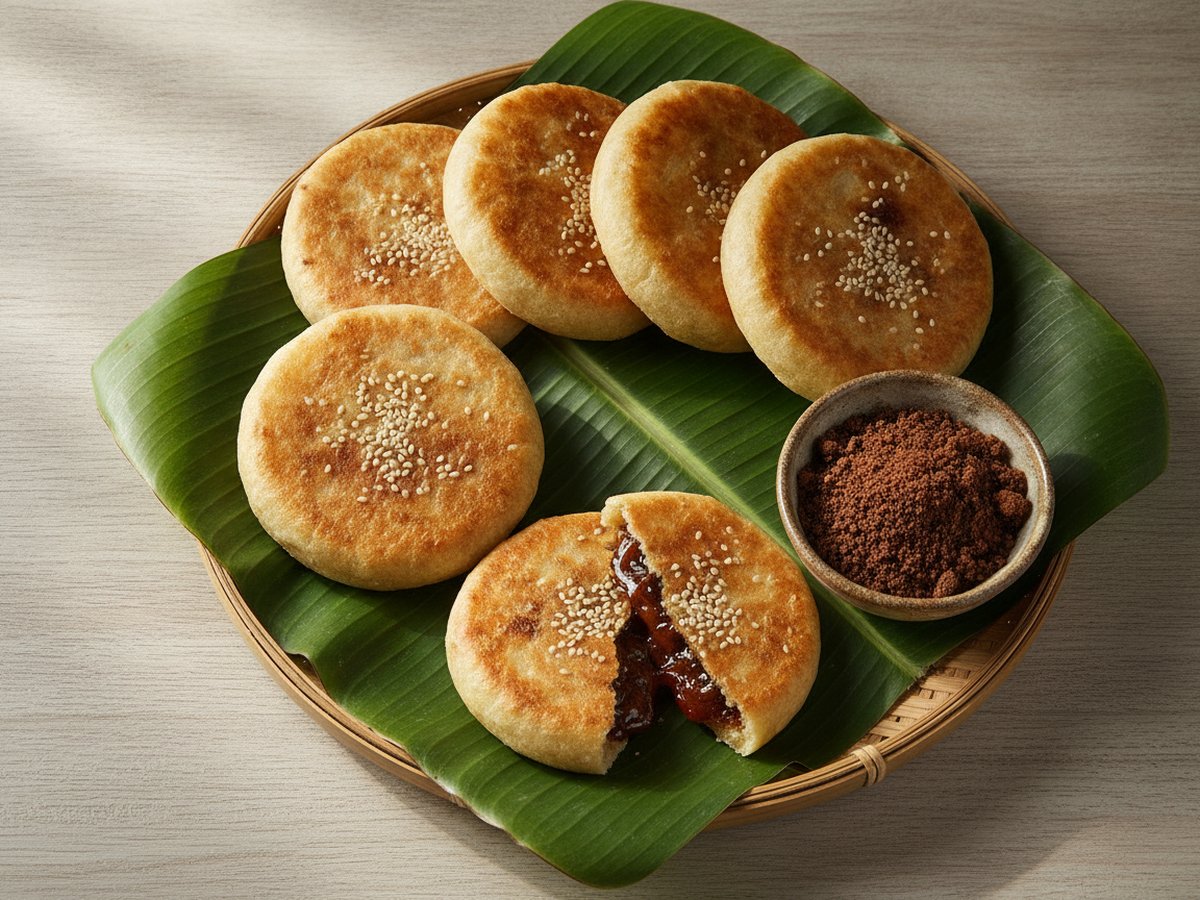
Bibingkoy is a Filipino glutinous rice cake filled with sweetened red mung beans and served under a coconut milk sauce with sago pearls. It is commonly associated with Cavite, in the Calabarzon region of Luzon. The dough, the sweet bean filling and the coconut topping are the three parts that define it.

Last updated
Recipe
Bibingkoy
Ingredients
Ingredients for the Dough
Ingredients for the Toppings
Method
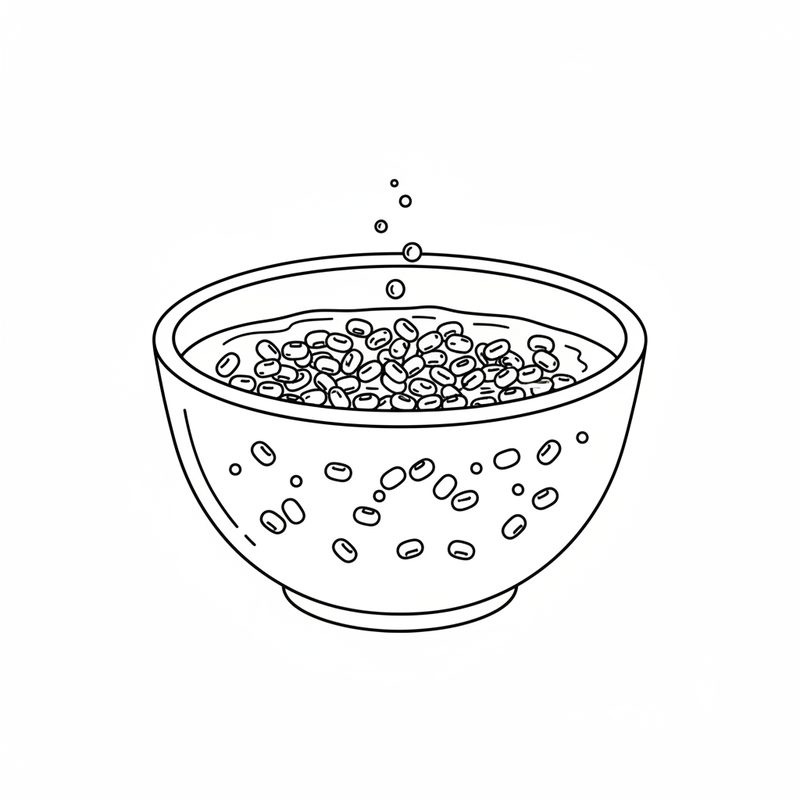
- First things first, grab a bowl and soak those red beans in water for about 8 hours or even overnight.
- Once they've soaked, drain the water, and toss those red mung beans into a pot.
- Add 3 cups of water, cover, and cook those red mung beans until the water completely evaporates and they become tender.
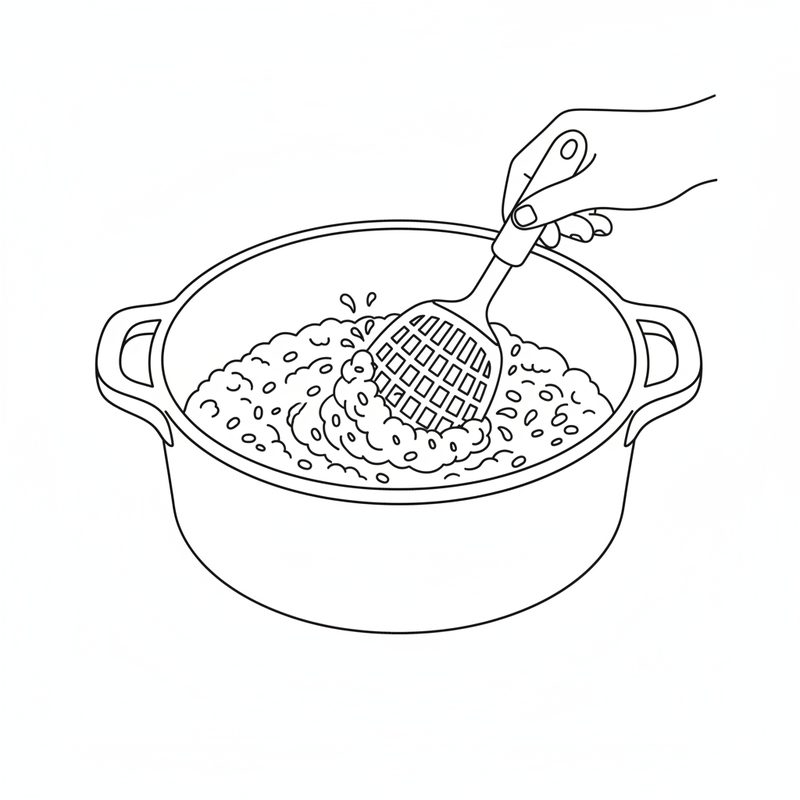
- Turn off the heat and give those beans a good mash.
- Sprinkle in the white sugar and keep mashing until everything's well combined and the beans are perfectly mashed. Let it cool down a bit.
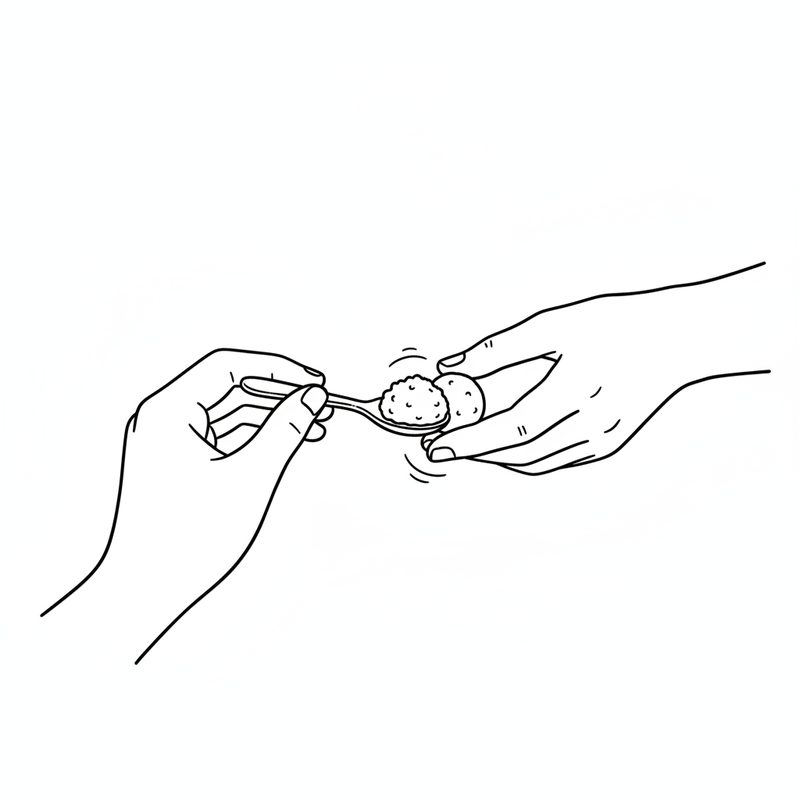
- When the beans are cool enough to handle, take a spoonful and shape it into a ball. Set these little bean balls aside.
- Time to deal with that glutinous rice flour. Grab a bowl and add 1 ½ cups of water to it.
- Roll up your sleeves and mix it up using your hands until you can form a ball with it.
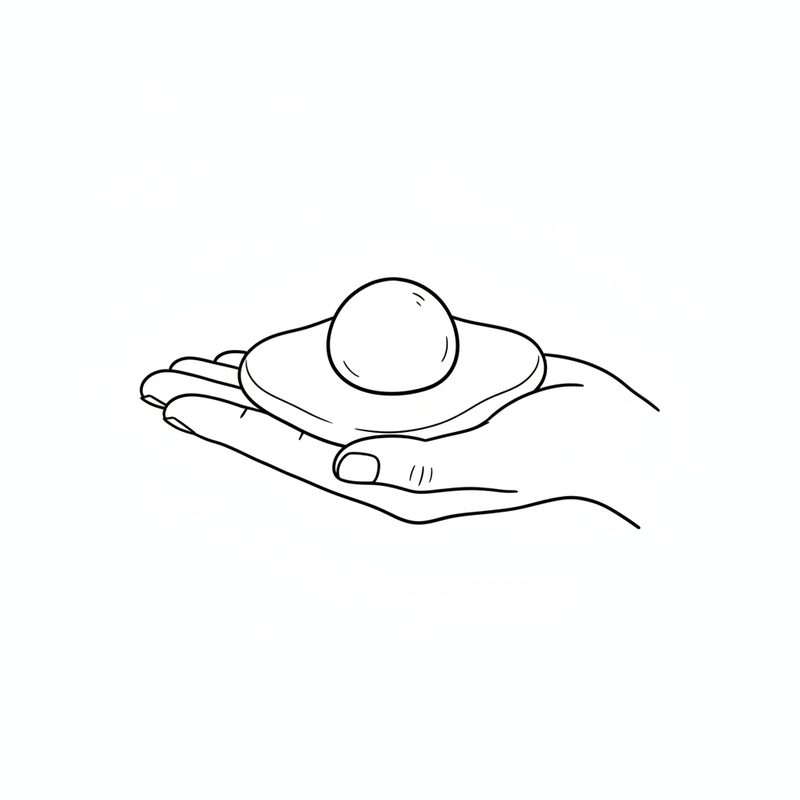
- Take a piece of the dough, shape it into a small ball, and then flatten it out.
- Now, place one of those sweetened red mung bean balls in the center of the dough, and seal it up by forming it into a ball again.
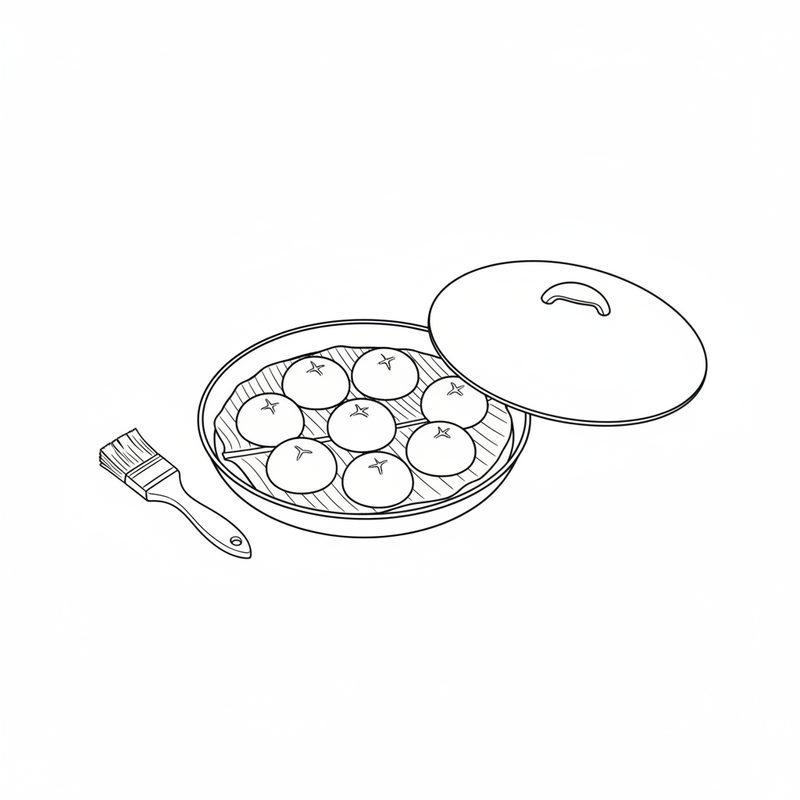
- Grab a pan and place a banana leaf in it. Brush the leaf with a bit of oil to prevent the dough from sticking.
- Put your dough balls with the red bean fillings on top of the banana leaves, then cover them with more oiled banana leaves and a lid.
- Cook these little bundles of joy for about 20 minutes.
- Once they're done, transfer them to a serving plate. Don't remove those banana leaves just yet!
- It's topping time! Mix the coconut milk and cooked sago together and give it a good stir.
- Add in the white sugar. If you've got a sweet tooth, feel free to add a bit more.
- Sprinkle in the glutinous rice flour and stir until everything's nicely combined.
- Keep stirring while letting it simmer for about 10 minutes.
- When it's thick and smooth, remove the pot from the heat and transfer it to a bowl.
- Unwrap the bibingkoy by removing the banana leaves.
- Slice a portion of bibingkoy and place it on a serving plate.
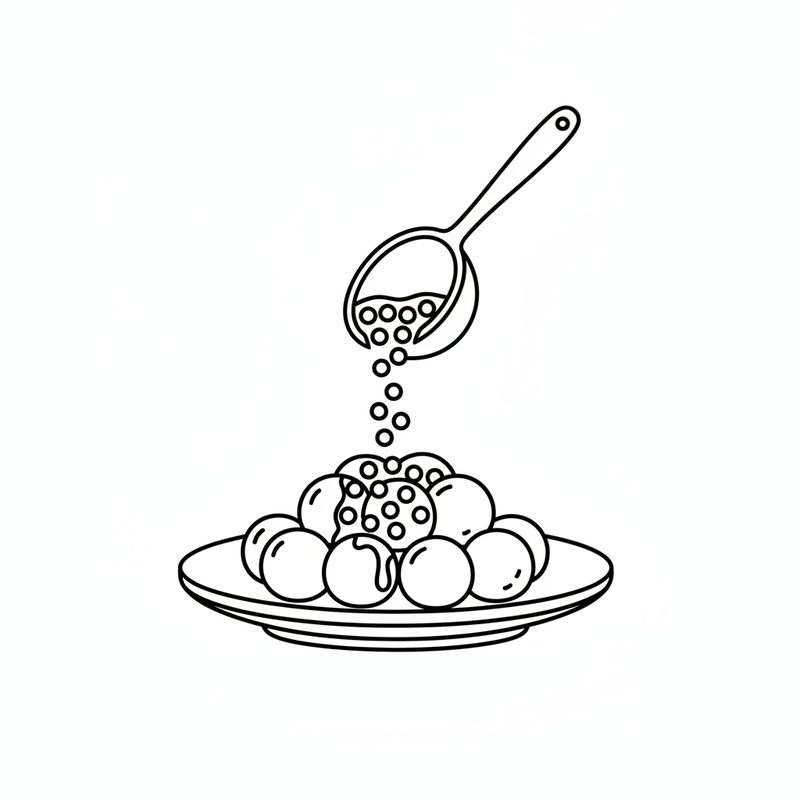
- Top it with the sweetened coconut mixture.
Where bibingkoy comes from
Bibingkoy is most commonly associated with Cavite, in the Calabarzon region of Luzon. It is usually described as sitting between three familiar Filipino sweets: the filled, chewy ball of buchi, the rice cake of bibingka, and the coconut-and-sago sauce of ginataan. What makes it its own dish is that all three ideas turn up on the same plate.
Bibingkoy and bibingka are not the same dish
The names are close; the dishes are not. Bibingka is baked. Bibingkoy is not: the dough is shaped into balls around a sweetened red mung bean centre, cooked on oiled banana leaves under a lid, and served with a coconut sauce spooned over. If it is the baked version you came for, our bibingka recipe is the one to follow instead.
Step by step, in pictures
The card above carries the full method. These six sketches show the shape of it, from soaking the beans to the last spoonful of sauce.
 Soak the red mung beans.
- Cook the beans down and mash them.
- Shape the sweetened filling into balls.
- Flatten the dough and wrap it round a bean ball.
- Cook on oiled banana leaves, covered.
- Spoon the coconut and sago sauce over the top.
Sealing the dough and stopping the leaves sticking
Most of the fiddly part of bibingkoy sits in two places: closing the dough around the filling, and getting the banana leaves to let go afterwards. Wear food gloves while you roll the bean filling into balls, for cleanliness. Wash every banana leaf thoroughly before it goes in the pan, then brush it with a little oil, which is what stops the dough sticking to it.
If you want more going on in the finished dish, jackfruit strips or sugar palm (kaong) can be added.
How to serve bibingkoy
Pour the coconut sauce over the rice balls just before serving, or set it alongside for dipping — either is normal. It suits a midday snack as readily as a dessert after a meal, and goes with a hot drink or a cold one.
Storing bibingkoy leftovers
Keep the rice balls and the coconut sauce in separate airtight containers in the refrigerator, where they will hold for up to three days.
More Filipino rice cakes and sweets
For other rice cake dishes, try our sapin sapin recipe or suman sa lihiya. For other Filipino desserts, there is our yema cake recipe and our inipit recipe.