Last updated
Recipe
Sapin Sapin
Ingredients
Method
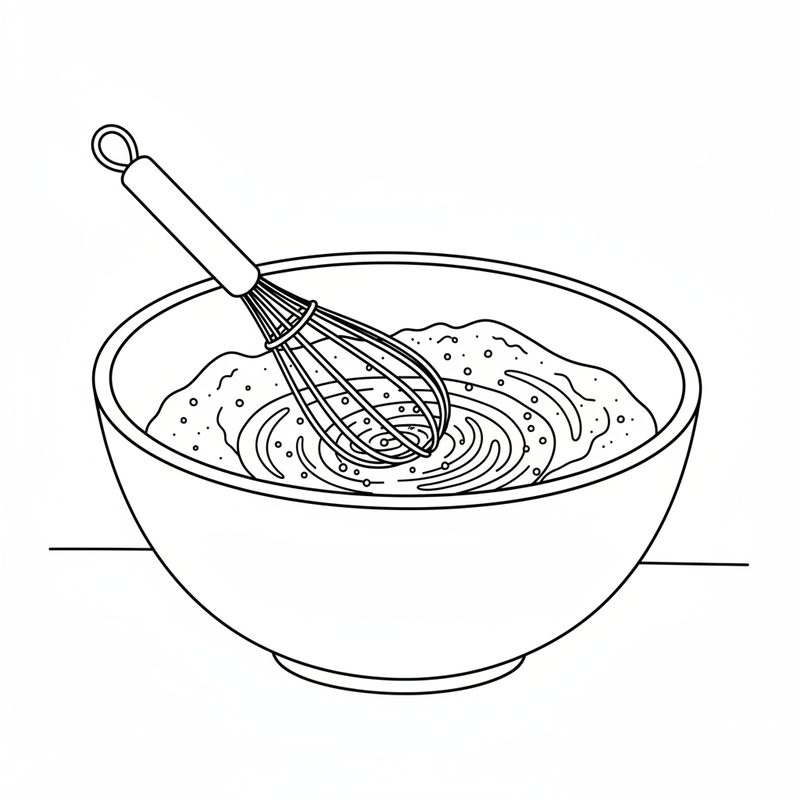
- In a large mixing bowl, combine glutinous rice flour and sugar. Mix well.
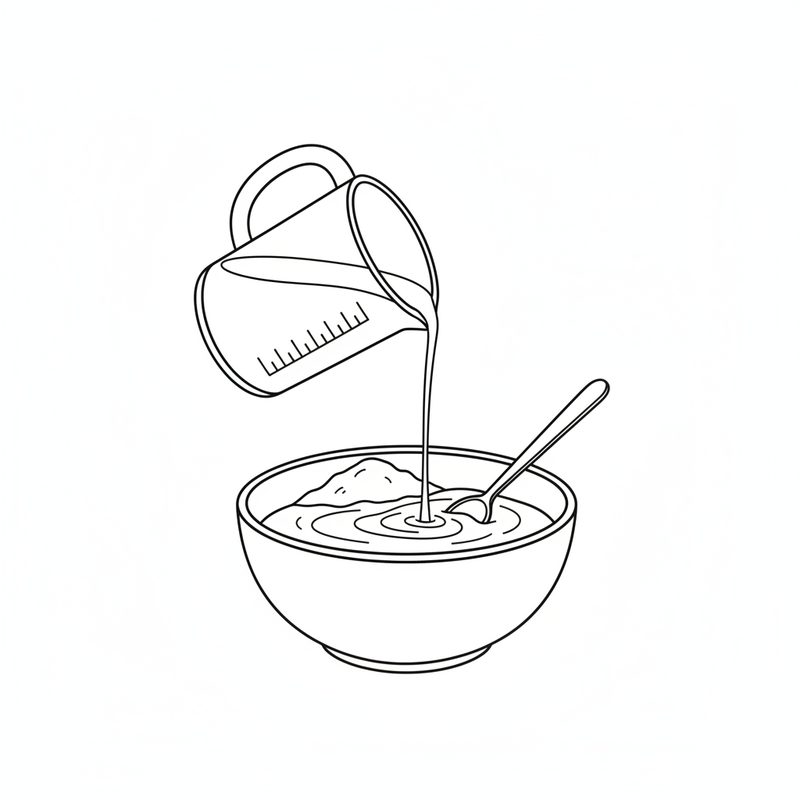
- Pour in the condensed milk, coconut milk, and vanilla extract. Mix until the texture becomes smooth.
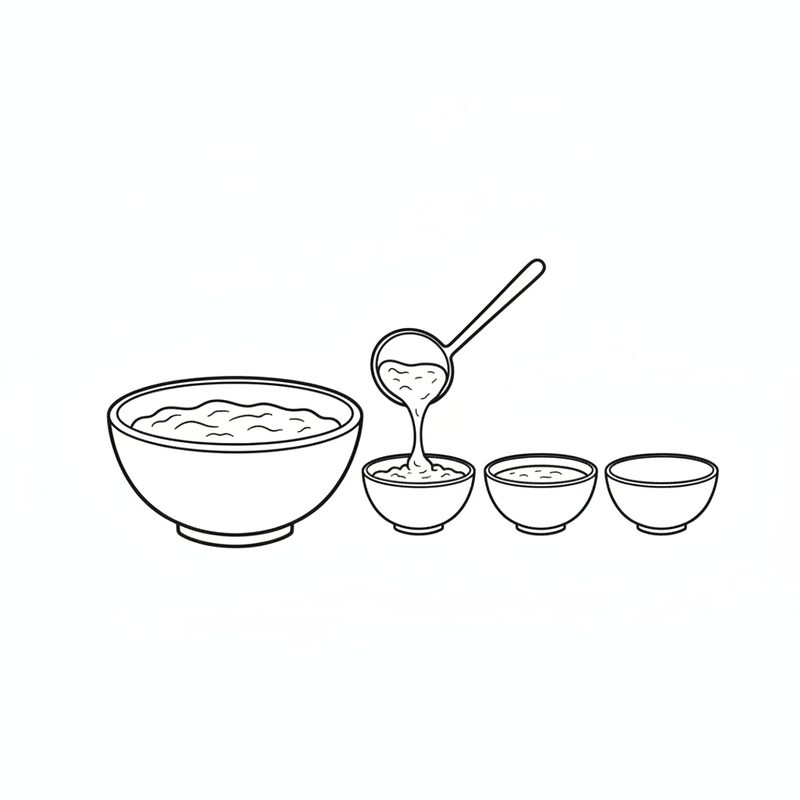
- Divide the mixture into 3 parts.
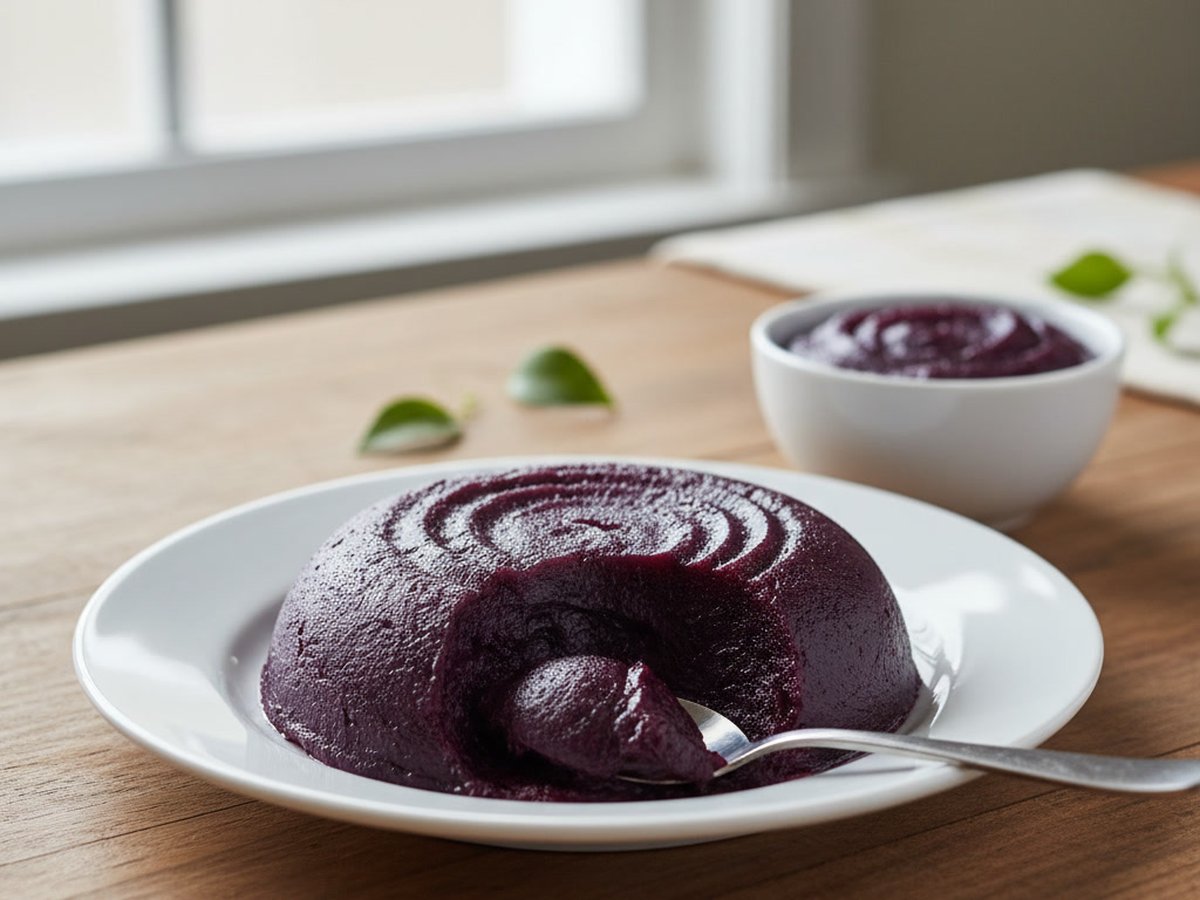
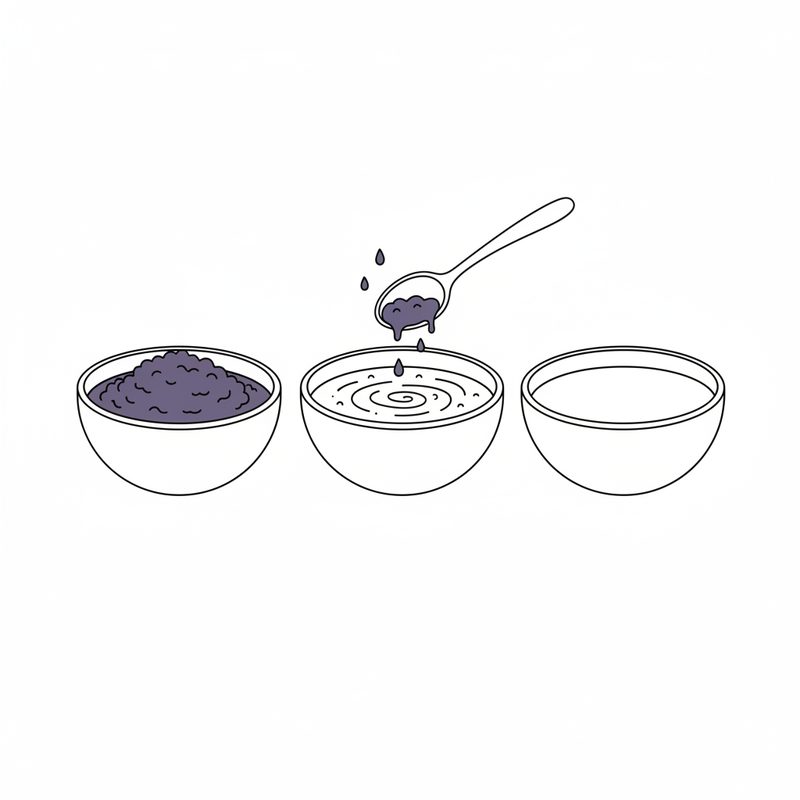
- Add the mashed purple yam and ube extract to the first part along with the violet food coloring. Stir thoroughly and then set aside.
- Shred the jackfruit (without the seed) in a food processor. Add the processed jackfruit to the second part along with the yellow coloring and then mix well. Set aside. Note: leave the 3rd part as it is.
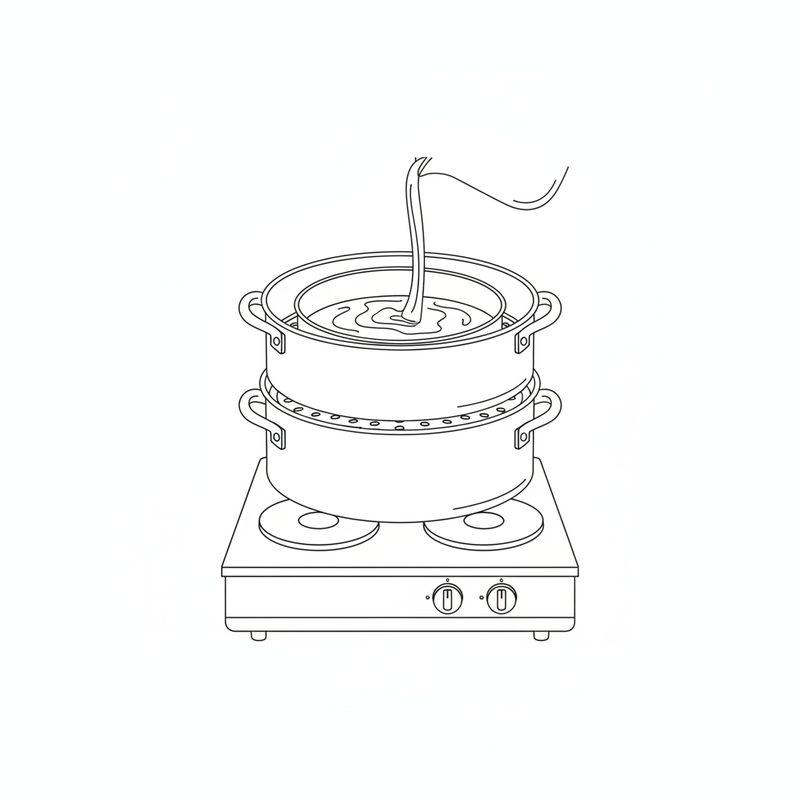
- Arrange the steamer on your stovetop and pour in about 1 quart of water. Turn on the heat and let the water boil.
- Grease a round baking pan by brushing cooking oil or coconut oil.
- Pour in the first part (colored violet) on the greased baking pan. Make sure that the mixture settles. Cover the baking pan with cheesecloth and then steam for 12 to 16 minutes.
- Remove the baking pan and then pour in the white mixture. Use a spatula to spread it on top of the violet mixture. Remove excess water from the cheesecloth by squeezing it. Put it back on the baking pan. Steam for another 12 to 16 minutes.
- Remove the baking pan from the steamer and then pour in the yellow mixture. Spread the mixture over the succeeding one using a spatula. Try to remove the excess water again from the cloth and then put it back on the baking pan. Steam for 15 to 20 minutes. If you think that the mixture is still a bit runny, try to steam for 5 minutes more.
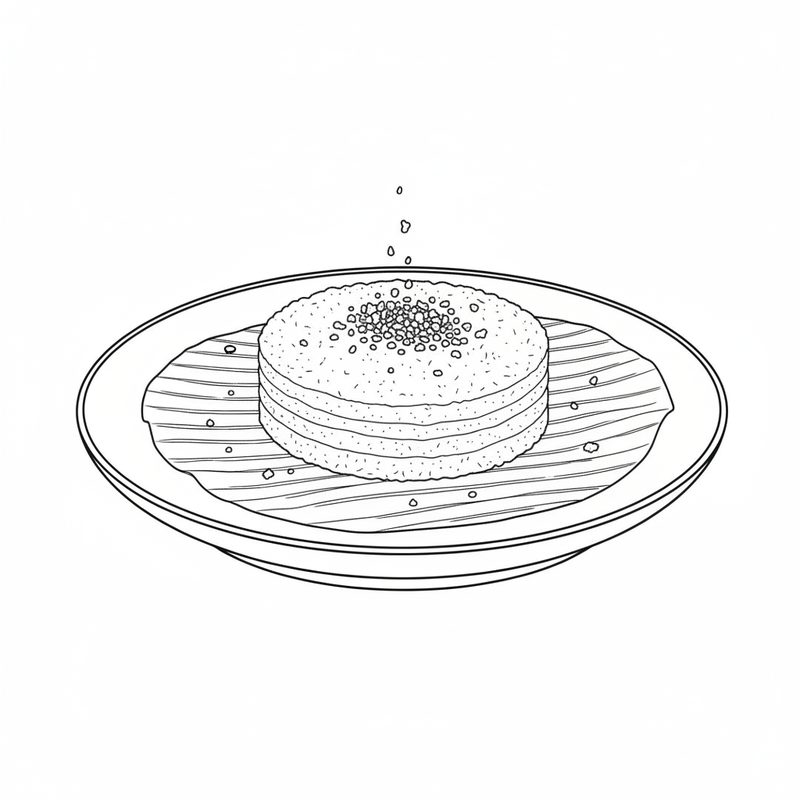
- Arrange a clean banana leaf over a wide serving plate. Brush coconut or cooking oil on the leaf. Use a spatula (brushed with oil) and gently run on the side of the baking pan to prevent the mixture from sticking. Turn the baking pan over the banana leaf and let the cooked sapin-sapin fall.
- Brush oil on top of the sapin-sapin (the violet part should be on top). Sprinkle with latik.
Step by step, in pictures
Six sketches covering the whole method, from the first bowl of batter to the finished cake on its banana leaf.
 Mix the glutinous rice flour and sugar.
- Stir in the coconut milk, condensed milk and vanilla until smooth.
- Divide the batter into three parts.
- Colour and flavour two of the three parts.
- Steam each layer in the greased pan, one at a time.
- Turn out onto an oiled banana leaf and sprinkle with latik.
What sapin-sapin means in English
It means layers. The three sources that define the word agree and differ only in phrasing: Wikipedia gives “having several layers”, Kawaling Pinoy gives “sheets or layers”, and Foxy Folksy gives “layer after layer in Tagalog”. English-language recipes keep the Filipino name rather than translating it, and describe the dish instead — usually as a layered sticky rice cake or a layered glutinous rice cake.
The other words on the ingredient list are the ones that actually send people looking for a translation, so here they are in English: ube is purple yam; langka is jackfruit; latik is the browned residue left when coconut milk is reduced, sometimes described as coconut curds, and it is what gives the top its dark speckling; and malagkit is the sticky rice that glutinous rice flour is milled from.
Why the layers go into the pan upside down
Photographs show the finished cake from the top, which hides something the method depends on: the recipe builds it from the other end. The violet ube batter goes into the greased pan first and is steamed on its own; the plain white batter is spread over it and steamed; the yellow jackfruit batter goes on last. Only when the pan is turned out onto the banana leaf does the order reverse, and the card notes that the violet part should end up on top. If you pour the colours in the order you want to see them, you will get the cake inside out.
The cheesecloth over the pan matters for the same reason. Between layers the card has you wring it out before putting it back, because water dripping off the cloth lands on a surface you are about to pour the next layer onto.
How to get more flavour, and stop the cake sticking
There are plenty of ways to make your sapin sapin better. If you want more flavour than the extracts give, add the real thing: around 1/2 cup of mashed cooked ube and 1/4 cup finely chopped jackfruit (langka), each going into its own layer. For a more vibrant colour, an additional 3–4 drops of extract will do it.
To stop the rice clinging to the pan, grease the inner sides and the bottom liberally rather than lightly, or line it with wilted banana leaves or parchment paper. And cover the finished cake only once it is completely cool — covering it warm traps steam, and you come back to pools of water sitting on top.
Other Filipino coconut and glutinous rice desserts
Several dishes in Filipino cuisine pair glutinous rice with coconut. For something simpler, try Suman sa Lihiya, also made with coconut milk and also topped with latik, but with no extra flavouring and no layers. For more flavour, try Pichi Pichi Cassava — steamed cassava flour balls you can roll in coconut, cheese or latik.
Ube turns up across Filipino desserts, so if the purple layer is the part you came for, there is Ube Turon and Ube Maja Blanca. For another brightly coloured one, try Cassava Cake; for plainer rice desserts, Suman Malagkit or Tupig.
Sapin sapin FAQ
Why is sapin-sapin called sapin-sapin?
Because the name describes its construction. Sapin is Tagalog for an underlayer laid down for cushioning; reduplicating it to sapin-sapin means having several layers, which is exactly what the cake is.
What kind of food is sapin-sapin?
A sweet steamed rice cake, eaten as a dessert or a snack rather than as part of a meal. It is cooked in a steamer rather than baked, and served in slices off a banana leaf.
What is another name for glutinous rice flour?
It is also sold as sweet rice flour, and in Japanese as mochiko — the flour used for mochi. If a shop has none of those, look for the Filipino malagkit flour. Plain (non-glutinous) rice flour is a different product; this recipe is built on the glutinous kind.
Is sapin-sapin healthy?
It is a dessert, and it is built on sugar, condensed milk and coconut milk, so it is worth treating as a treat and eating in small slices. This page does not publish nutrition figures for it, so if you need exact numbers you would have to calculate them from the quantities on the card.