Binakol is a Filipino chicken soup built on coconut water instead of the rice wash or plain water that goes into tinola. That single swap is the whole dish: the broth comes out faintly sweet, and strips of young coconut meat go in alongside the chicken, the green papaya and the lemongrass. It belongs to the Western Visayas – Iloilo and Aklan in particular – where it was traditionally cooked inside a bamboo tube or a halved coconut shell set over a fire.

Last updated
Recipe
Binakol
Ingredients
Method
- Let's start by preparing the lemongrass. Cut off the stem and leaf ends, then peel a few layers to reveal the white part. Cut the lemongrass into 2-inch lengths and gently pound them with the back of a knife to release its amazing flavor. Set it aside for later.
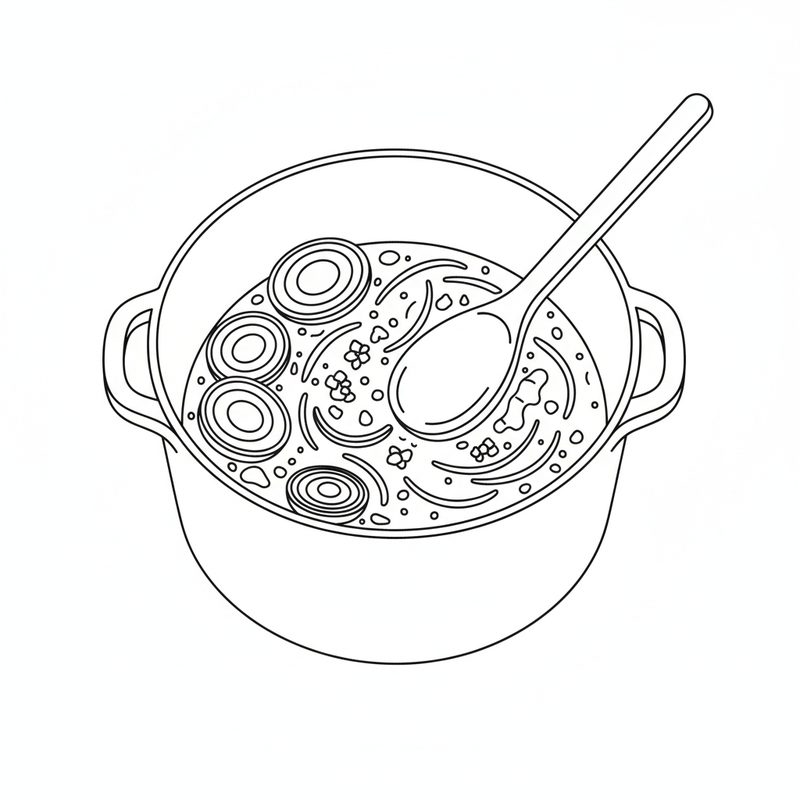
- In a pot over medium heat, heat up the canola oil. Add the sliced onions, minced garlic, and julienned ginger. Cook them until they become softened and fill your kitchen with delightful aromas.
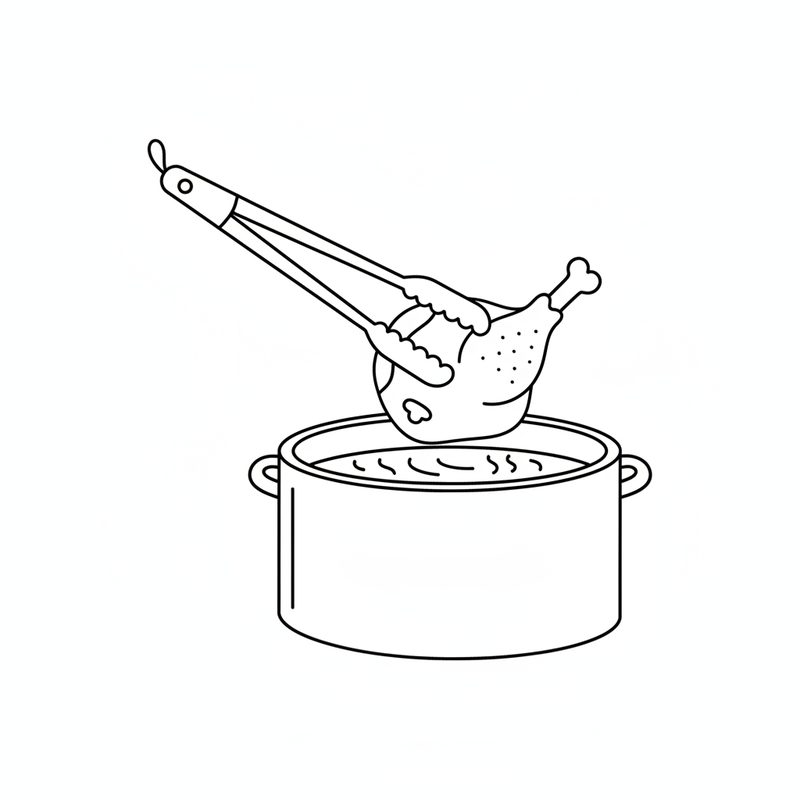
- Now, add the chicken to the pot and cook until it changes color and the juices run clear. It's starting to look delicious already!
- Pour in the fish sauce and cook for about a minute, letting all those flavors meld together beautifully.
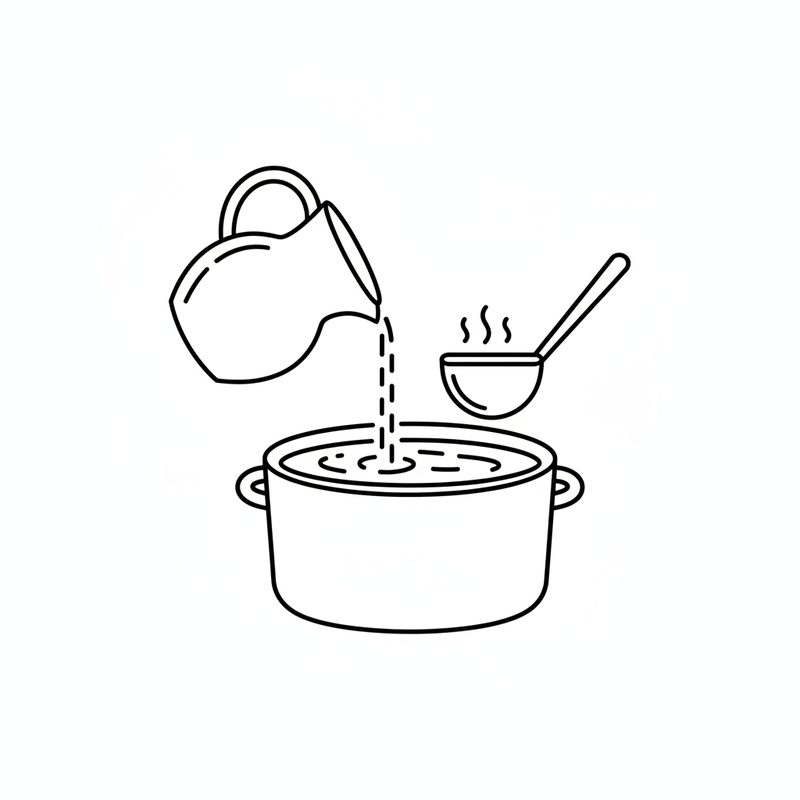
- Time to add the star ingredient – the coconut juice! Bring it to a boil, and while it's heating up, skim off any scum that may float on top.
- Now, toss in the lemongrass we prepared earlier. This will infuse the soup with its refreshing taste.
- Reduce the heat, cover the pot, and let it simmer for around 20 to 25 minutes until the chicken is cooked through and tender.
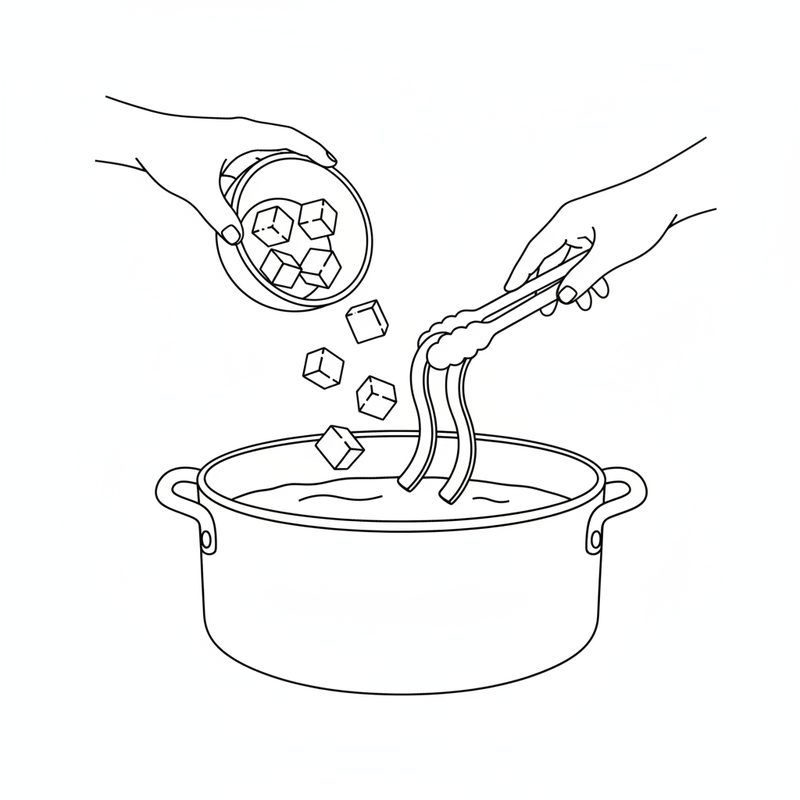
- It's papaya time! Add the cubed green papaya to the pot and cook for about 3 to 5 minutes until it reaches the perfect level of tenderness.
- Now, let's give it some extra texture and flavor. Add the young coconut meat and let it heat through. Yum!
- Finally, season the dish with salt and pepper according to your taste preferences. It's your chance to make it just right for you.
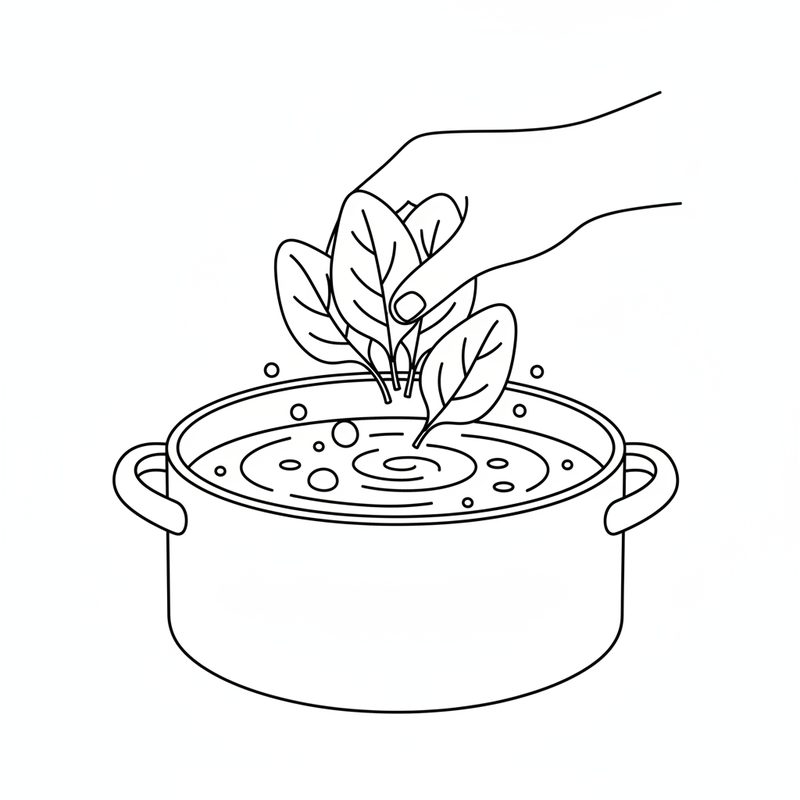
- Last but not least, add the fresh spinach leaves, gently pushing them down into the flavorful broth. Turn off the heat, cover the pot, and let the spinach wilt a bit.
Step by step, in pictures
Six moves, from the lemongrass to the last handful of greens.
 Trim the lemongrass and bruise the white part.
- Soften the onion, garlic and ginger.
- Add the chicken and cook until the juices run clear.
- Pour in the coconut water, then skim.
- Add the papaya, then the coconut meat.
- Push in the spinach and take it off the heat.

What is the difference between binakol and tinola?
The liquid. Tinola is simmered in rice wash or plain water; binakol is simmered in coconut water. Everything else – the ginger, the onion, the bone-in chicken, the green papaya, the leafy greens dropped in at the end – is close enough that the two are easy to confuse. Wikipedia draws the same line, and separates both from ginataang manok, which uses coconut milk rather than coconut water and comes out rich instead of clear.
In practice binakol tastes sweeter and lighter, and it has something tinola does not: strips of young coconut meat, soft enough to eat with a spoon. If you want the comparison the other way round, there is a tinola recipe on the site.
What binakol means, and where it comes from
The dish comes from the Western Visayas, and specifically from the provinces of Iloilo and Aklan.
The name has two competing explanations and it is worth giving both. Serious Eats records binakol as a Kiniray-a cooking term – Kiniray-a being a language of Panay – for food cooked inside a bamboo tube, which matches the traditional method. The same source notes it is also believed to come from bakol, a Hiligaynon word meaning “to spank”, after the habit of whacking the chicken pieces with the flat of a knife before cooking to loosen the meat. Neither derivation is settled – worth knowing if you see one of them stated elsewhere as plain fact.
There is no separate Tagalog name for it. Binakol is a Visayan dish and it keeps its Visayan name, sometimes spelled binakoe, and often written as binakol na manok or chicken binakol.
Choosing the chicken and the coconut
Use bone-in pieces. The bones are doing most of the work in a broth this plain – there is no stock here, only coconut water and what the chicken gives up.
Native chicken is the traditional bird here, and it is leaner and firmer than a supermarket broiler, which is why the recipe simmers for close to an hour. If you are using ordinary chicken, start checking earlier: it will be tender sooner and it will fall apart if you leave it.
For the coconut, young is the point. Mature coconut meat is hard and stays hard; young coconut is soft enough to slice into strips that go slippery in the broth. If you can only get the water and not the meat, the soup still works – it just loses the texture that separates it from tinola.
How to store and reheat it
Cool it completely first, then move it to a container with a tight lid. The US FoodSafety.gov cold-storage chart puts soups and stews containing meat at 3 to 4 days in the fridge and 2 to 3 months in the freezer, and USDA guidance is to reheat leftovers to 165 °F (74 °C), or to a rolling boil, before serving.
Two practical notes on top of that. Reheat it in a saucepan rather than a microwave if you can, so the chicken heats evenly. And the greens will not survive a second day – if you know you are making it ahead, hold the spinach back and add it fresh to each reheated portion.
What to serve with it
Steamed rice, and not much else – it is a one-pot meal and the broth is the point. If you are building a bigger Filipino spread, it sits well next to nilaga or dinengdeng. For another soup with coconut in it, there is halang halang, which is the spicier cousin.
Binakol FAQ
What is the meaning of binakol? Two explanations compete. It is recorded as a Kiniray-a term for cooking food inside a bamboo tube, and it is also linked to bakol, Hiligaynon for “to spank”, after the practice of hitting the chicken with the flat of a knife before cooking. Both are in circulation; neither is settled.
Where did binakol originate? The Western Visayas in the Philippines, particularly Iloilo and Aklan.
What is binakol in Tagalog? There is no distinct Tagalog name. It is a Visayan dish and keeps its Visayan name, also spelled binakoe.
Can I use coconut milk instead of coconut water? You can, but you will have made a different dish. Coconut milk gives you ginataang manok – rich and opaque. Binakol is supposed to be clear and faintly sweet.
Can I use chayote instead of green papaya? Yes. Chayote is the standard substitution and appears in plenty of versions of the dish; it holds its shape the same way. There is a ginisang sayote recipe on the site if you have chayote to use up.