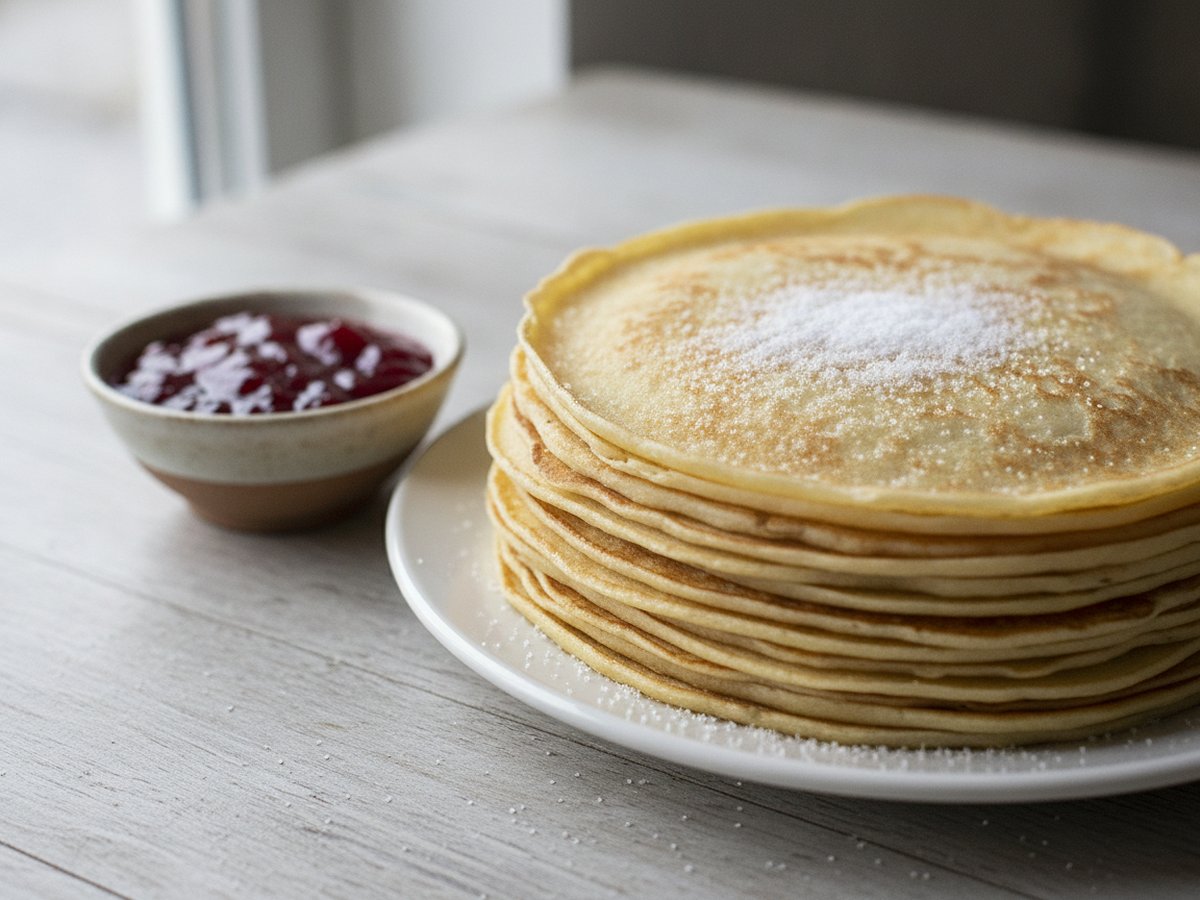
These plain pancakes are made from flour, milk, one egg, sugar, vanilla sugar and salt, fried in butter. There is no baking powder in the batter, so they cook up thin and flat rather than thick and fluffy. One batch makes about 8-10 pancakes and takes around 15 minutes from bowl to plate.
Last updated
Recipe
Plain Pancakes
Ingredients
Method
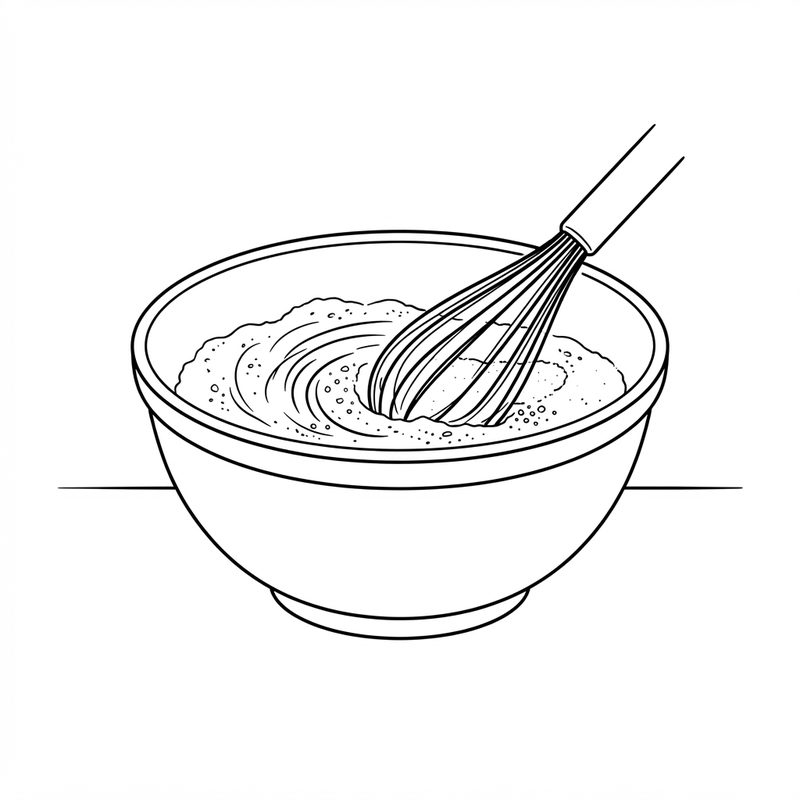
- First, mix the dry ingredients into a bowl.
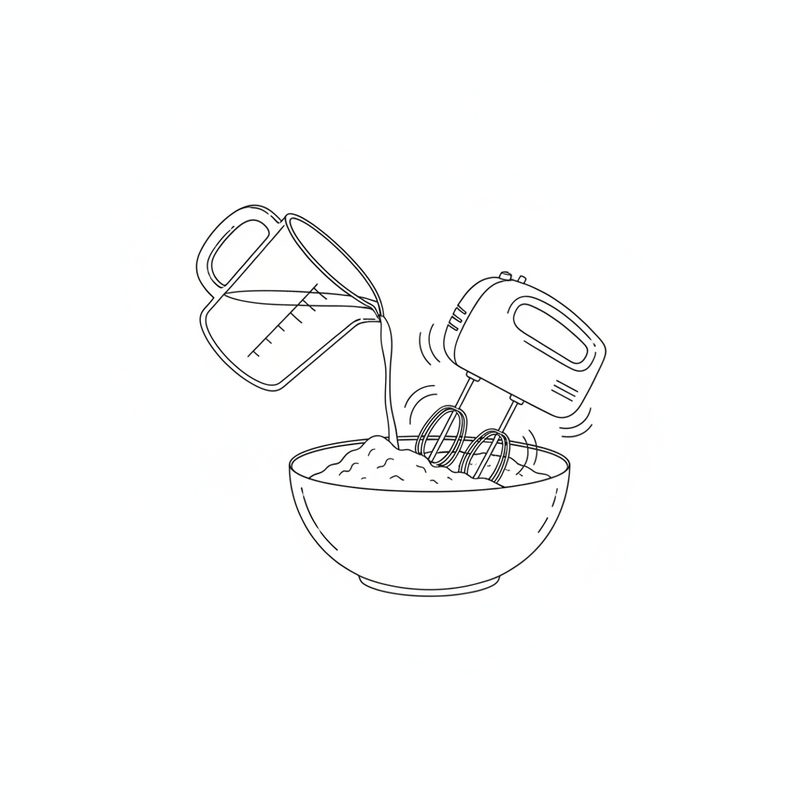
- Then you add the milk a little at a time. Whisk well to avoid lumps. It is easiest and fastest with the use of an electric beater.
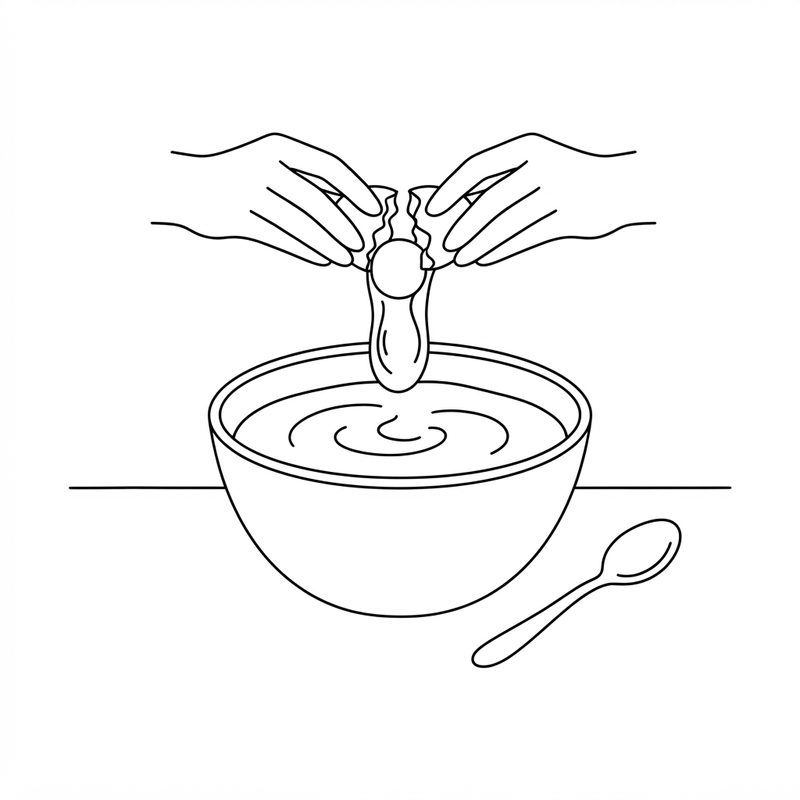
- Lastly, add eggs to the mixture and stir well until the dough has the correct consistency. Tip: Do not over-mix. This will make the batter tough. Also, keep a few lumps in your batter to keep the pancakes tender.
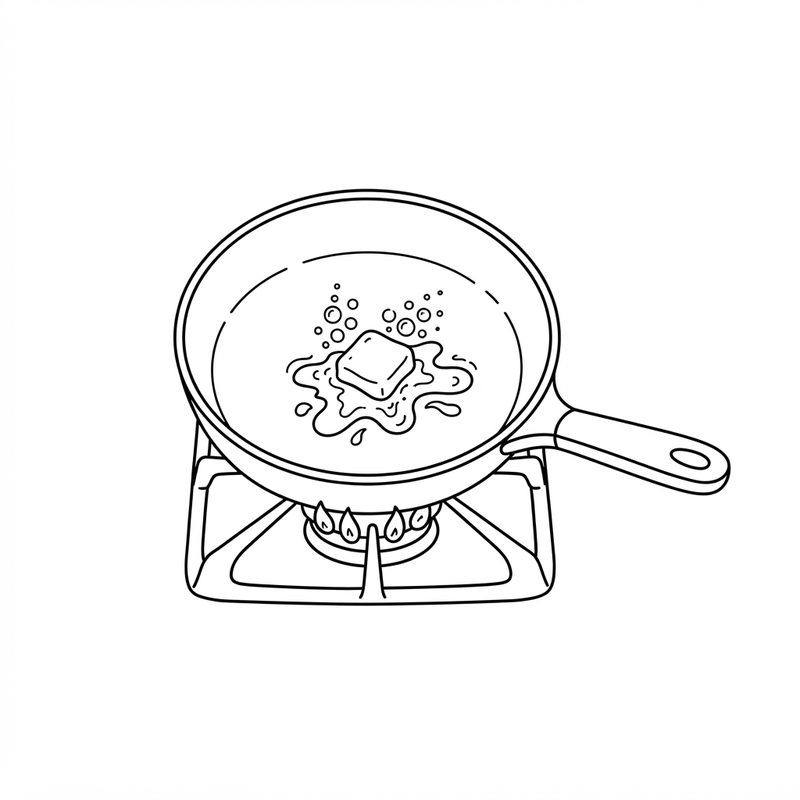
- Pre-heat the pan.
- Melt the butter in the pan.
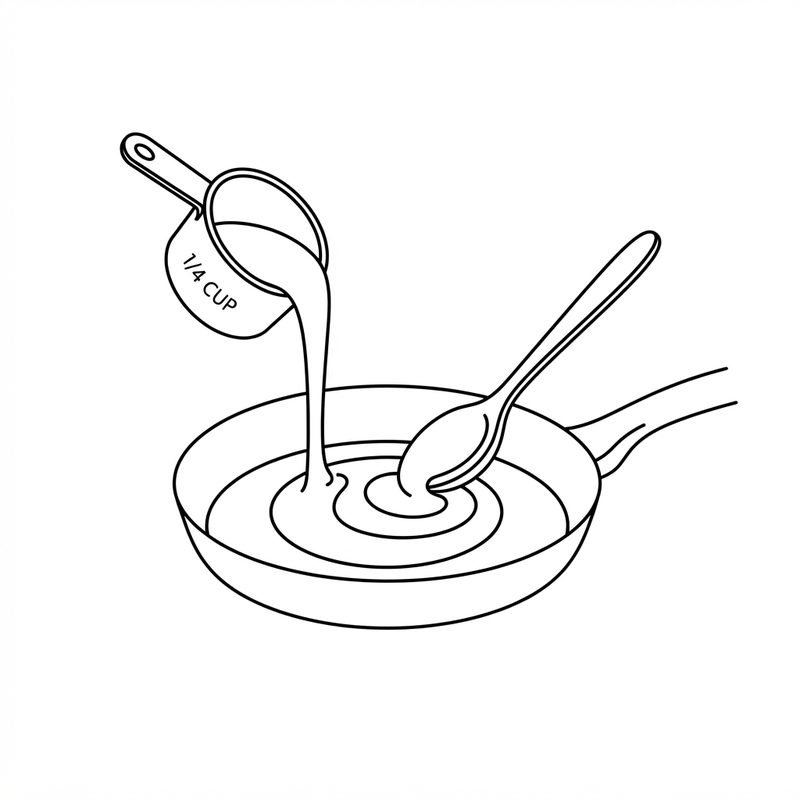
- Pour ¼ cup of the batter gently into the pan. Use a spoon to spread the batter into a circular shape.
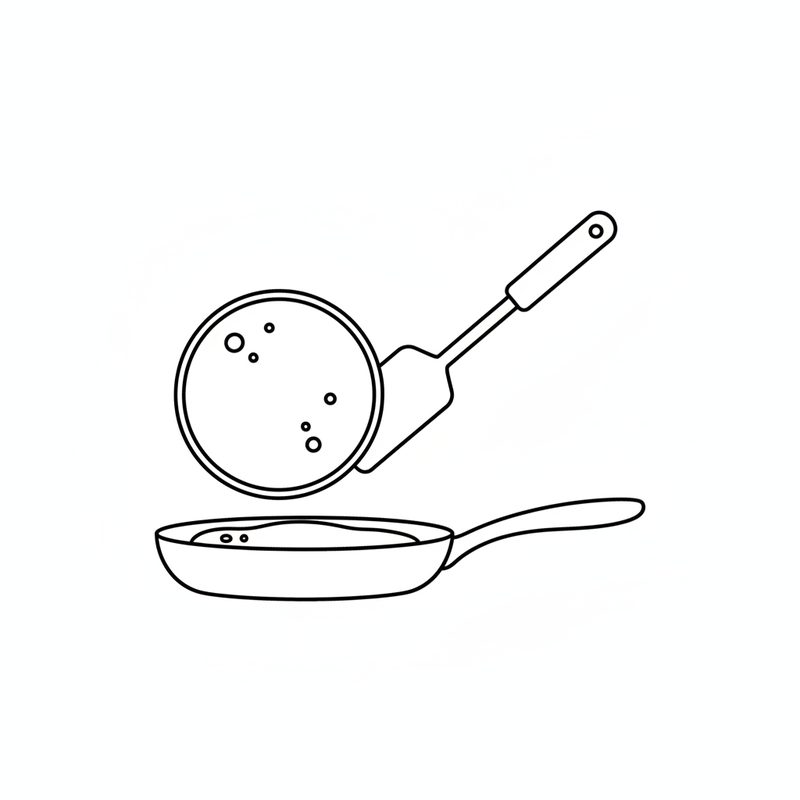
- Once bubbles begin to pop in the pancake’s center, it’s ready to be turned. Insert the entire spatula under the pancake’s middle. Lift the pancake quickly about an inch off the pan’s surface and flip it over.
Step by step, in pictures
The six moves of the method, from mixing the dry ingredients to flipping the first pancake.
 Whisk the dry ingredients together
- Add the milk a little at a time, whisking
- Add the egg and stir until smooth
- Heat the pan and melt the butter
- Pour in 1/4 cup of batter and spread it round
- Flip when bubbles pop in the centre
Pancakes without baking powder: what to expect
Without baking powder, baking soda or self-raising flour, nothing in the batter makes gas to lift it in the pan. Any lift comes from the air whisked in, so these pancakes stay thin and flat, closer to a crêpe than to a tall stack, with a slightly denser bite. For thick, fluffy pancakes, use a recipe with a raising agent instead.
If the batter looks too thick to spread, whisk in a little more milk.
How to tell the pan is hot enough
Sprinkle a few drops of water into the pan. When they bubble up and evaporate, the pan is ready for the butter and the first ladle of batter. Then leave each pancake alone until bubbles pop in its centre before you turn it.
Four ways to change the batter
- Chocolate pancakes: swap one tablespoon of the flour for one spoonful of cocoa powder.
- Lighter pancakes: add a little sparkling water (in Denmark, danskvand) to the batter.
- Other flavours: vanilla sugar, cardamom, grated orange zest or elderflower cordial.
- Crisper pancakes: use beer instead of the milk, or half beer and half milk. Ordinary or non-alcoholic beer both work.
Keeping pancakes warm for a crowd
One batch makes about 8-10 pancakes; for a family, double everything. To keep the first ones warm while you fry the rest, hold them in the oven on low heat, around 200 °F. Without an oven, stack them on a warmed serving dish so they do not cool as quickly.
What to serve with plain pancakes
Serve them with sugar and jam or with syrup. My own favourite is a scoop of ice cream with a little chocolate sauce on top. For a fruit version, try banana pancakes.
Where pancakes come from
Nobody knows who made the first pancake. According to National Geographic, starch traces on 30,000-year-old grinding tools suggest Stone Age cooks were already making a kind of flour, and the ancient Greeks and Romans ate pancakes sweetened with honey.


