Suman moron is the chocolate suman of the Eastern Visayas: two rice doughs, one plain and one cocoa, cooked separately in their own pans, then layered together, wrapped in banana leaves and steamed. It is a Waray delicacy, tied particularly to Tacloban City in Leyte.
The two-pan start is the whole job, and it is why moron looks the way it does when you cut it. This card makes 12, takes about an hour from start to finish, and treats the chopped roasted peanuts in the chocolate dough as optional. Both doughs are built on the same pairing of rice flour and glutinous rice flour, so the banana leaves are the item most likely to need a trip to an Asian grocer.
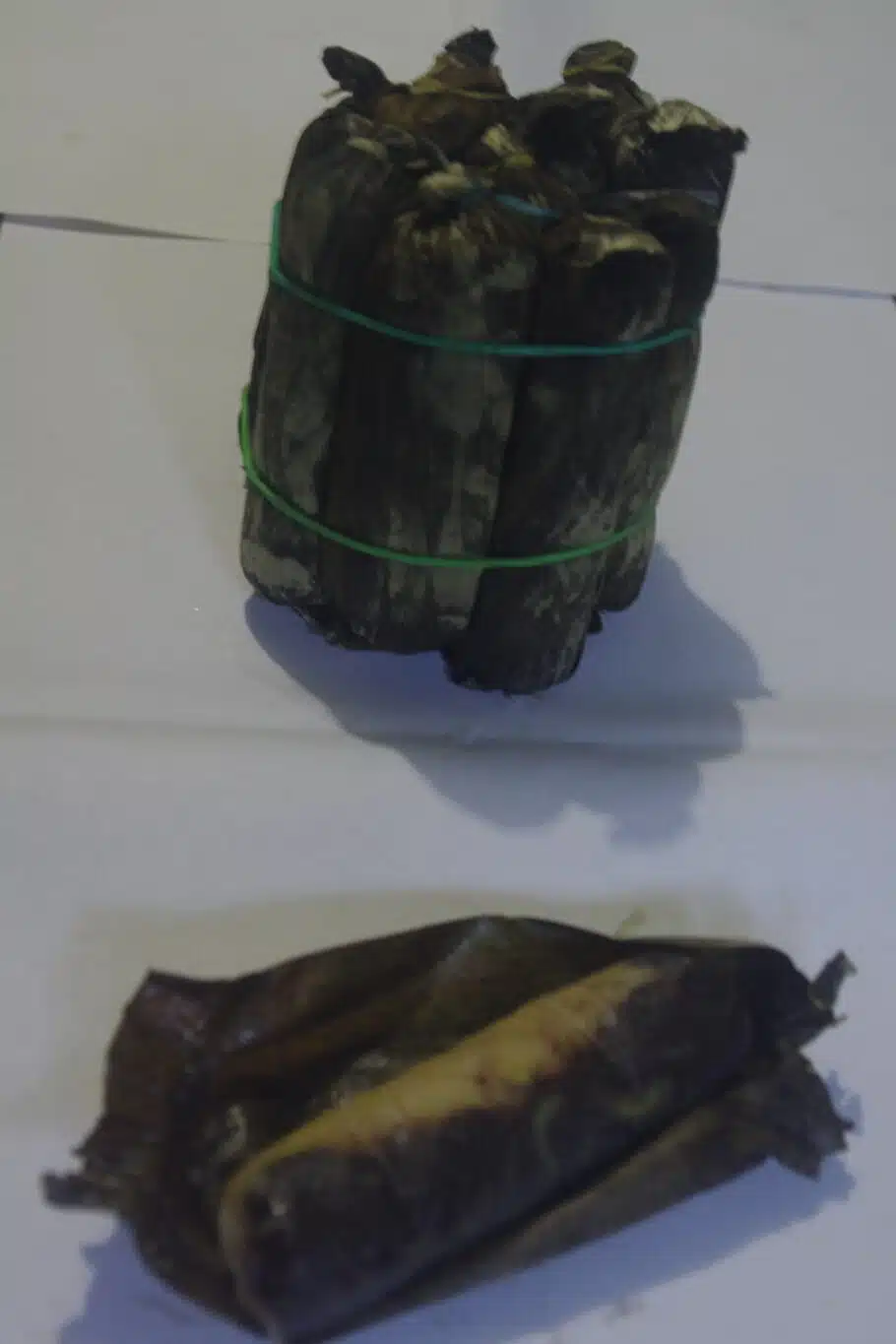
Recipe
Suman Moron
Ingredients
Ingredients for the Sticky Rice Mixture
Ingredients for the Chocolate Mixture:
Method
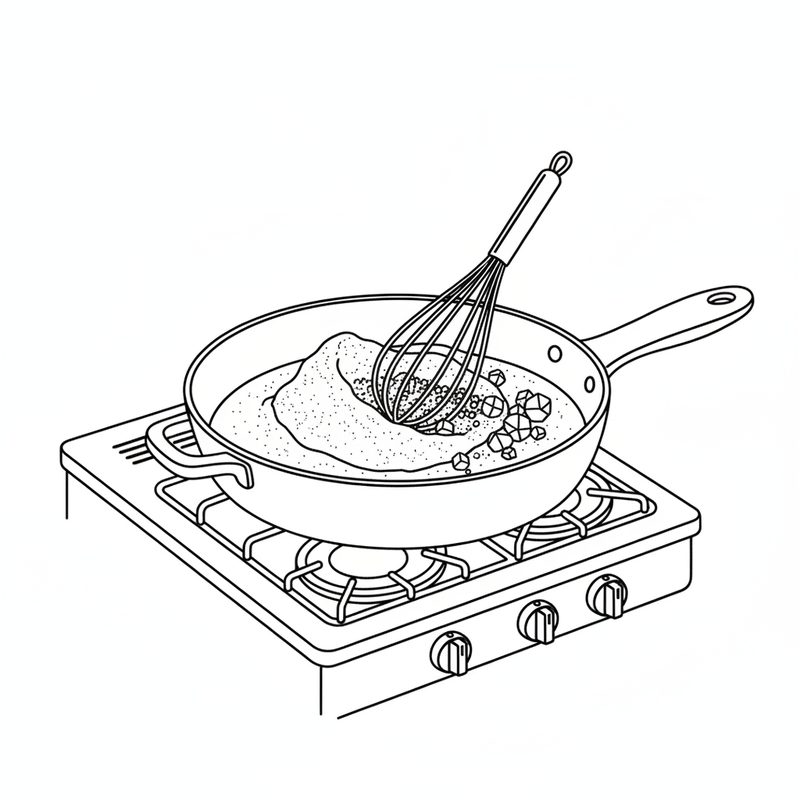
- In a deep pan, combine rice flour, glutinous rice flour, and sugar. Give it a good whisk.
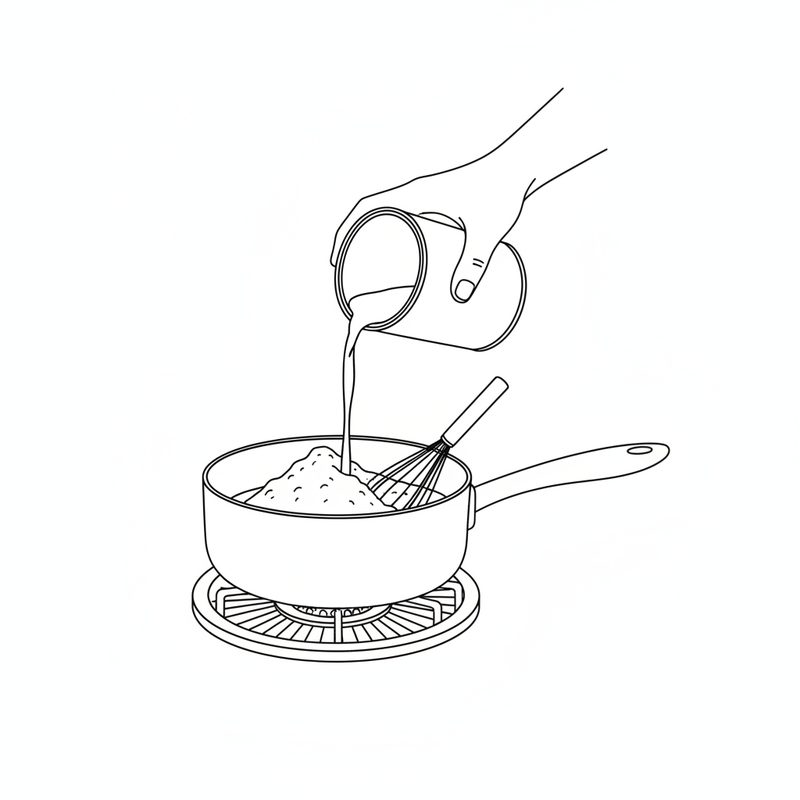
- Add coconut milk and vanilla extract.
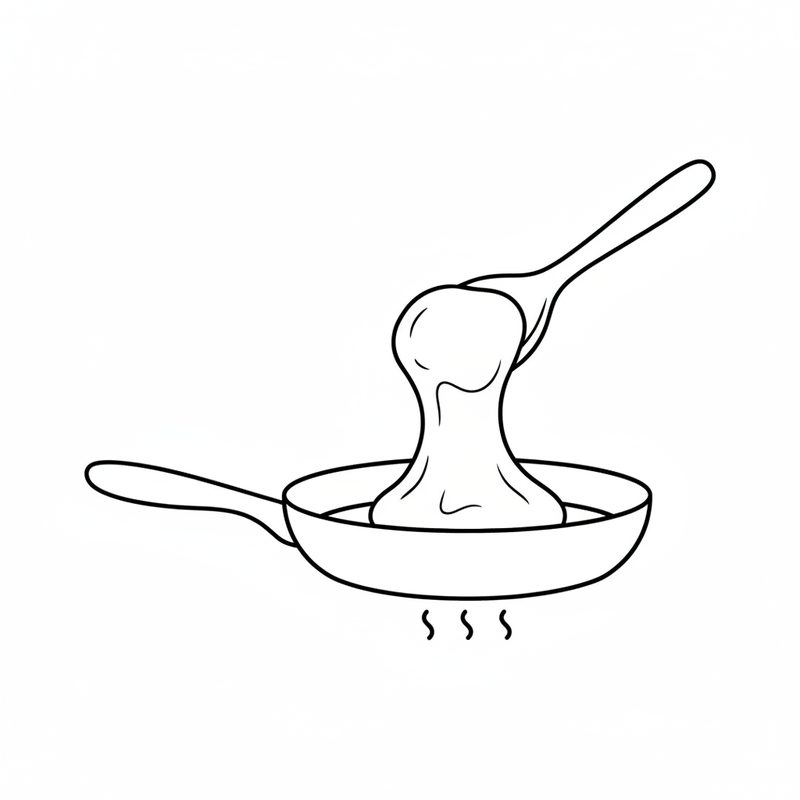
- Simmer over low heat, stirring regularly until you get a very thick, sticky dough. Transfer it to a bowl and set it aside.
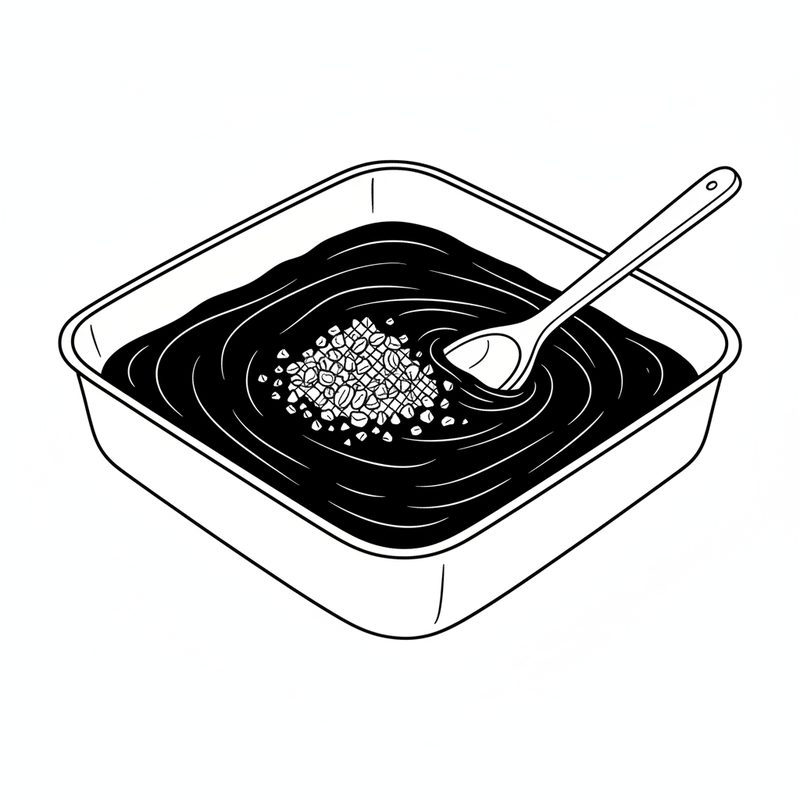
- In another deep pan, mix rice flour, glutinous rice flour, brown sugar, and cocoa powder.
- Add coconut milk and vanilla extract.
- Simmer over low heat until it slightly thickens. Then, add chopped roasted peanuts and continue to simmer until you get a very thick, sticky dough. Let it cool down in a bowl.
- Heat up cleaned banana leaves to make them flexible.
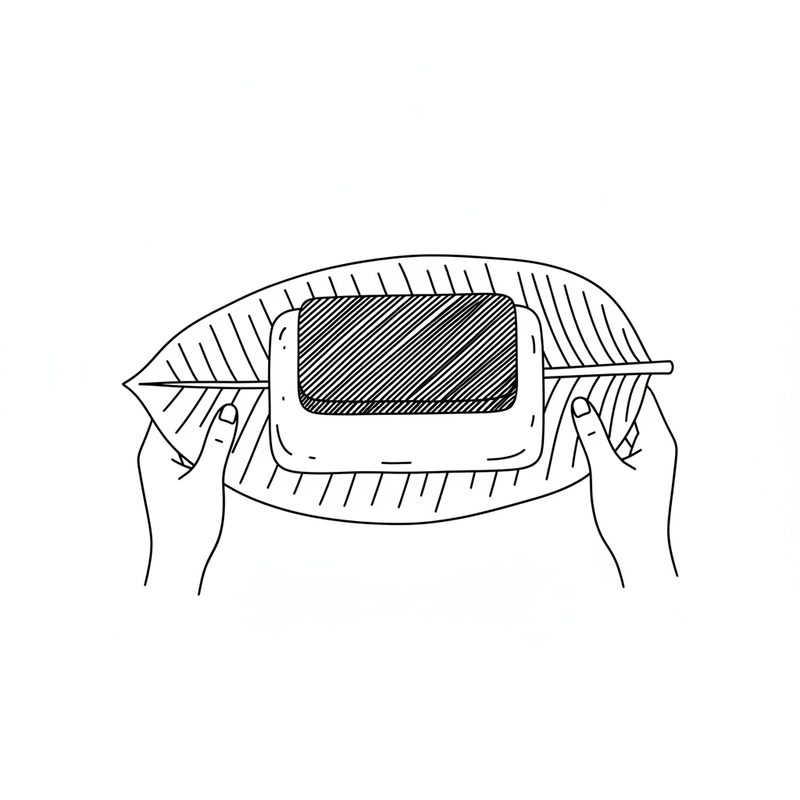
- Divide each dough into 12-14 portions. Take a portion of the white moron and spread it on one side of a banana leaf, flattening it into a 6×4-inch rectangle.
- Place a portion of chocolate moron on top of the white one, ensuring it's within the boundaries.
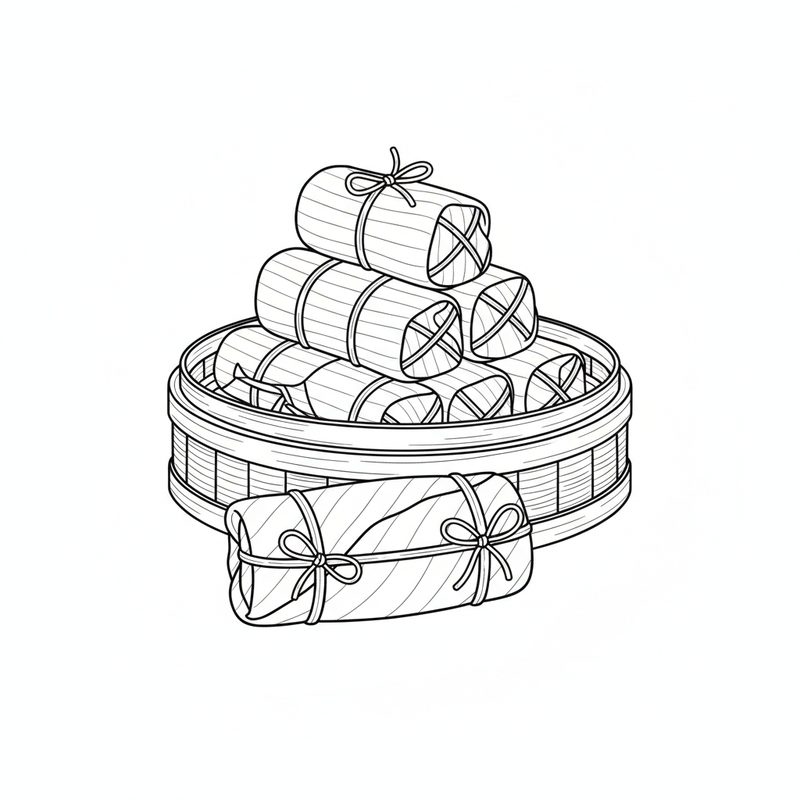
- Carefully roll the two layers into a cylinder and wrap them with the banana leaf. Secure the ends with kitchen twine or use thin strips of banana leaf as twine. Repeat for the remaining mixture.
- Steam the rolled suman moron in a steamer basket over low heat for 30 minutes.
- Once steamed, transfer them to a plate to cool down and serve.
Step by step, in pictures
Six drawings for the parts that are easier to see than to read: two doughs cooked separately, then layered and wrapped.
 Whisk the dry ingredients for the plain mixture together first.
- Add the coconut milk and vanilla, then put the pan on low heat.
- Stir until it is thick and sticky enough to lift in one piece.
- Cook the cocoa dough in a second pan, adding the peanuts if you use them.
- Spread the pale dough on the leaf, then lay the chocolate one on top.
- Roll, tie both ends, and steam the parcels.
Where suman moron comes from
From the Eastern Visayas, and from Waray cooking in particular. Moron belongs to a family of leaf-wrapped rice cakes eaten all over the Philippines, and it is the Waray branch of that family that took on chocolate.
What sets it apart from the rest of the family is the combination of glutinous rice, coconut milk, sugar and chocolate, either tablea or cocoa powder. It is a fixture at fiestas and birthdays, and it is commonly eaten with hot coffee or with tsokolate batirol, the Filipino hot chocolate drink, as breakfast or as a snack.
Can you use real chocolate instead of cocoa powder?
Yes. Dark or semi-sweet chocolate both work in place of the cocoa powder. Dark gives the richer result; milk chocolate is the sweeter, creamier option if that is the direction you want. Sweetened condensed milk can be added for creaminess, though this card does not use it.
What can you use instead of coconut milk?
Evaporated milk, whole cream or half and half all stand in for it, and still give a soft, moist result. Pricking the moron while it is still hot from the steamer helps it hold on to moisture, but keep it light: over-pricking dries the chocolate layer out rather than saving it.
How do you wrap suman moron in banana leaves?
Clean the leaves, cut them into 6×10 inch rectangles and warm them briefly so they turn pliable instead of splitting. Brushing them with a little oil or butter stops the dough sticking to the leaf.
Spread the vanilla-flavoured mixture into a 6×4 inch rectangle on one side of the leaf, lay the chocolate mixture on top of it, and keep it inside the edges of the pale layer. Roll the two together into a cylinder and tie both ends with kitchen twine, or with thin strips of banana leaf.
There is a second way to do it that looks better on a plate: roll the two mixtures into separate logs, lay them side by side, and twist them together into one larger roll before wrapping.
How do you serve and store suman moron?
Plain is the usual way, with hot coffee or a chocolate drink. Beyond that: cheese in the sticky rice mixture is a common savoury contrast to the chocolate, latik or caramel syrup can be drizzled over the top, and grated coconut is the more traditional finish.
Let leftovers cool completely, then keep them wrapped and refrigerated, and reheat them in a steamer or a microwave before serving. The source recipe does not state a keeping time, so it is not given here.
Other suman and Filipino sticky rice desserts
Suman itself is glutinous rice cooked in coconut milk and wrapped in banana, coconut or buli palm leaves for steaming, usually eaten with sugar. Moron is one branch of it; these are the others on this site.
Suman malagkit is the classic version, with glutinous rice partly cooked in sweetened coconut milk and a little salt, then wrapped and steamed until soft and chewy. Suman sa lihiya takes a different route, treating the rice with lye water, which is what gives it its distinct texture and flavour. Cassava suman leaves the rice base behind altogether and is built on grated cassava, coconut milk and sugar.
Further afield, tupig comes from northwestern Luzon, from Pangasinan, Tarlac and Ilocos. It is made from fermented glutinous rice, coconut milk, muscovado sugar and coconut strips, and it is grilled in banana leaves over charcoal rather than steamed.
Questions about suman moron
Where does suman moron originate from?
From the Eastern Visayas in the Philippines, where it is a Waray delicacy particularly associated with Tacloban City in Leyte.
What is the main ingredient in suman?
Glutinous rice, cooked in coconut milk. Moron is made with glutinous rice flour rather than whole grains, which is what lets the two doughs be spread in layers.
What is the difference between suman and suman moron?
Suman is the whole family of leaf-wrapped Filipino rice cakes. Moron is the Waray member of it, and the one that adds chocolate: two doughs, one plain and one cocoa, layered together before steaming.
Can you make suman moron without banana leaves?
This card is written for banana leaves, which are warmed to make them pliable and then hold the roll’s shape through steaming. It does not cover a substitute wrapper, and that is left open here rather than guessed at.