Details Behind My Tupig Recipe
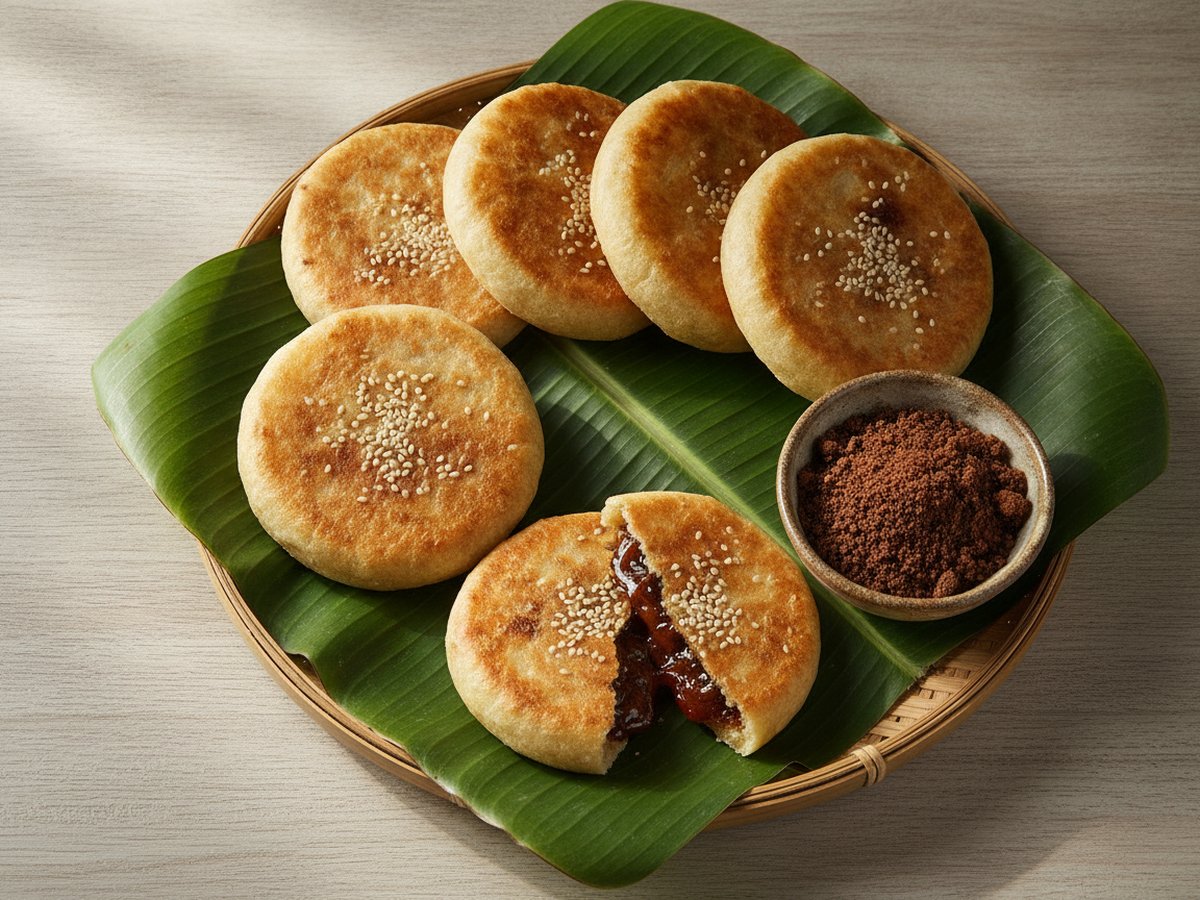
Tupig recipe – What is tupig exactly? Tupig is a traditional Filipino rice cake with cultural roots in northwestern Luzon, particularly in Pangasinan, Tarlac, and Ilocos. Named after its flattened shape, it’s made from fermented glutinous rice, coconut milk, muscovado sugar, and coconut strips. Cooked in banana leaves over charcoal, tupig is a popular street food in Pangasinan. Originally a holiday treat, tupig gained popularity in the 1960s, now available in various locations from street vendors to specialty shops, offering innovative flavors like jackfruit and pandan.
Additional Notes for my Tupig Recipe
To get better results with the dish, there are different tips to help. You can your own glutinous rice flour by soaking glutinous rice overnight, draining excess water, and blending until powdery. If you are using macapuno instead of young coconut strips, you need to adjust the amount of brown sugar to maintain a balanced sweetness. You can ensure the mixture is firm by cooking and turning it consistently, checking for a golden-brown color to indicate doneness. To prevent sticking, brush the banana leaves with melted butter before cooking. These cooking tips will help bring better results with your tupig.
Desserts Similar to Tupig
There are several desserts that are cooked and/or wrapped in banana leaves. One dish that is highly similar to tupig is suman. Generally, suman is a Filipino rice cake made by cooking glutinous rice in coconut milk and steaming it, often wrapped in banana, coconut, or palm leaves. It comes in many variations and one of them is suman sa lihiya. Simply put, suman sa lihiya is a variation of suman that is treated with lye and commonly drizzled with coconut sauce.
If you want to stick with a traditional type of suman, there is suman malagkit. Suman malagkit is another sweet treat made from glutinous rice. It is partially cooked in sweetened coconut milk with a touch of salt. Wrapped in banana leaves, the mixture is boiled or steamed until it reaches a soft and chewy texture.
For something different, there is cassava suman. Cassava Suman is a dessert originally crafted from three main ingredients: grated cassava, coconut milk, and sugar. Over time, the dish has evolved, and modern variations may include coconut meat to enhance its flavor.
Other Rice Cake Desserts
Generally, Filipino cuisine has a variety of rice cakes. One example of this is Palitaw. Palitaw is a rice cake known for its small and flat form. The main ingredient, malagkit (glutinous rice), was traditionally ground or pounded, but nowadays, it’s made by mixing rice flour and water to form a dough. The dough is flattened and boiled, creating a delightful and chewy rice cake.
Another option is sapin sapin. Sapin sapin is a tasty layered dessert of rice cake. It has three colorful layers made with glutinous rice, coconut, and various flavors. The purple layer is ube-flavored, the orange/yellow one has jackfruit flavor, and the white layer is usually plain but can be coconut-flavored. Topped with latik, sapin sapin offers a delightful mix of textures and flavors.
Overall, there are a variety of rice cakes in Filipino cuisine and one type of rice cake can come with several options. For other sticky rice desserts, there is Suman Moron.