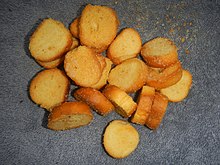
Biscocho is a Filipino twice-baked bread. Bread is baked, cut and left to dry, then baked a second time under a coating of butter — sweetened with sugar or condensed milk, or turned savoury with garlic — until it is dry and crisp right through. That second bake drives off the moisture, and the moisture is what was standing between the bread and its crunch.
It is eaten as a midday snack or after dinner with coffee or tea, and it is commonly associated with Iloilo. The recipe below builds the bread from scratch; if you already have day-old bread in the kitchen, you can skip ahead to the coating and the second bake.
Last updated
Recipe
Biscocho
Ingredients
Method
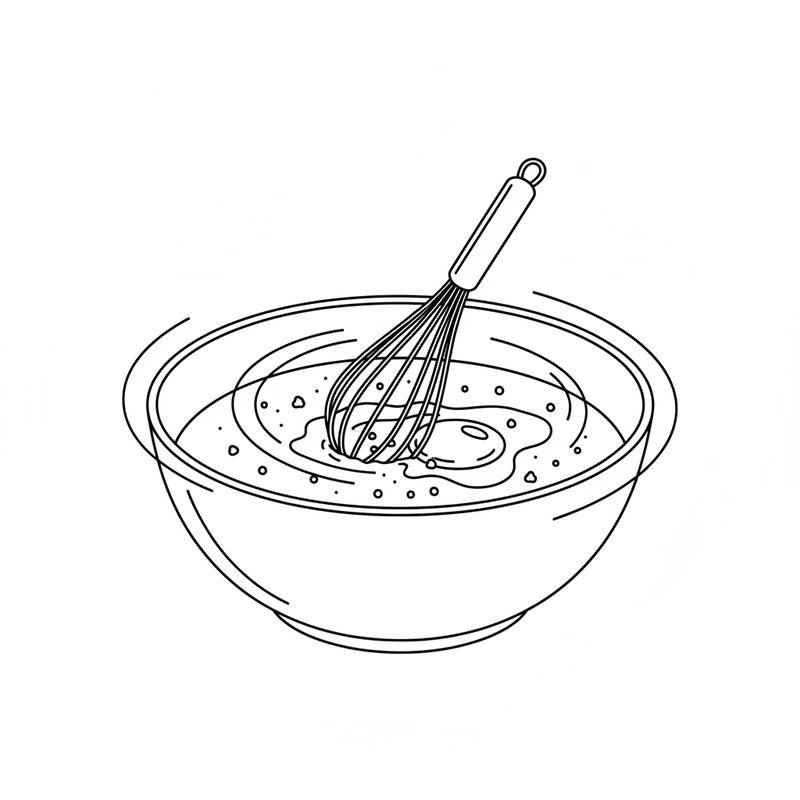
- In a bowl, combine the milk, sugar, salt, and butter. Stir until the sugar and salt are dissolved. Warm the mixture in the microwave until it becomes lukewarm. Remove from the microwave and add the egg, beating it several times until well blended.
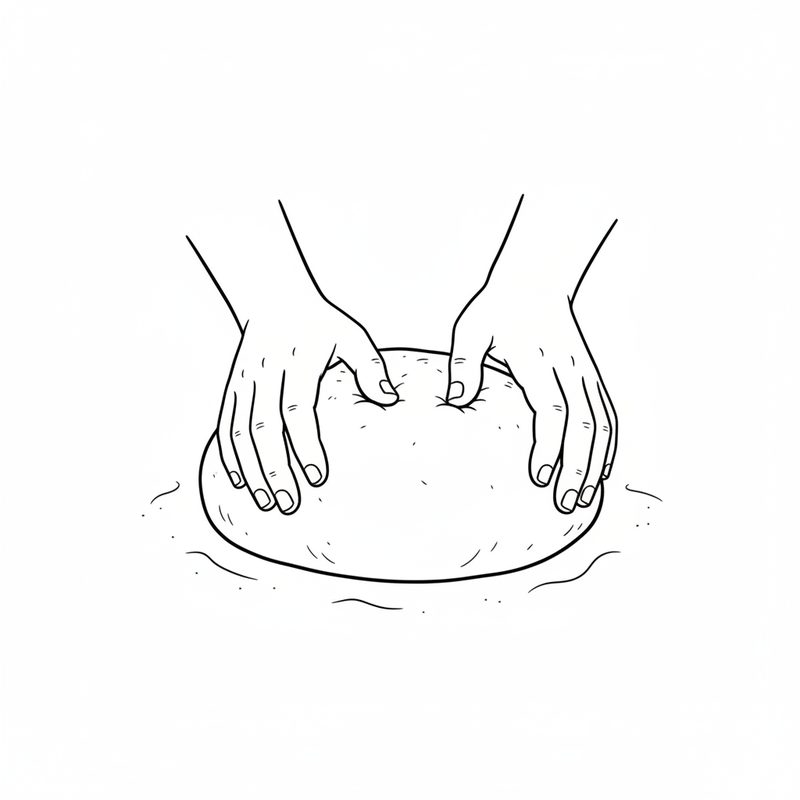
- In a large bowl, mix together the flour and yeast. Pour the liquid mixture over the flour and mix until a dough forms. Knead the dough on a clean, floured surface until it becomes smooth and elastic, which should take about 7-10 minutes.
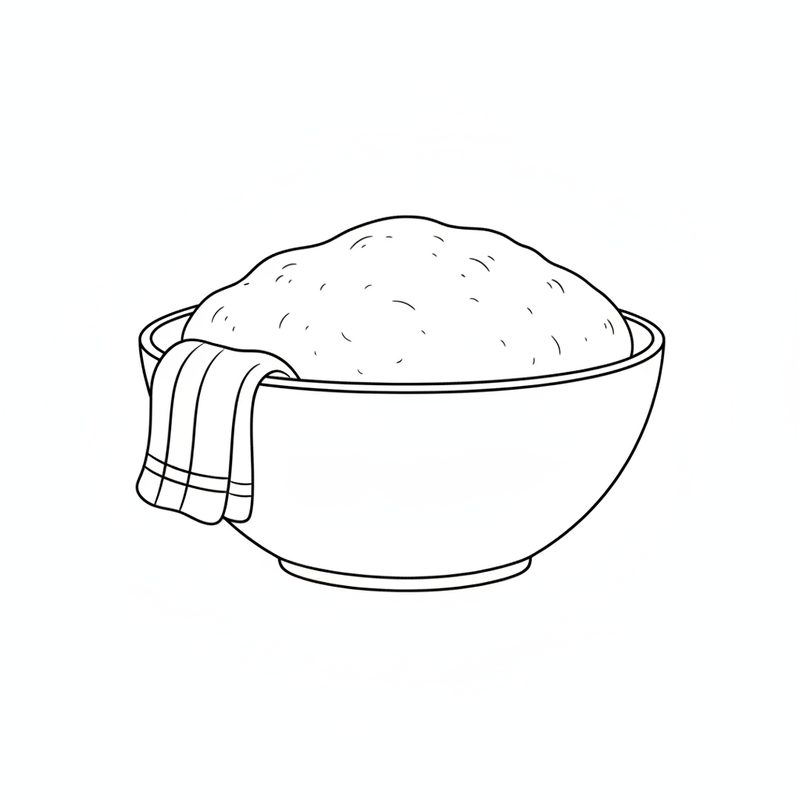
- Form the dough into a ball and place it in a greased bowl. Cover the bowl with a kitchen towel or plastic wrap and place it in a warm area to let it rise until it doubles in size. This could take anywhere from 30 minutes to an hour or longer, depending on the temperature.
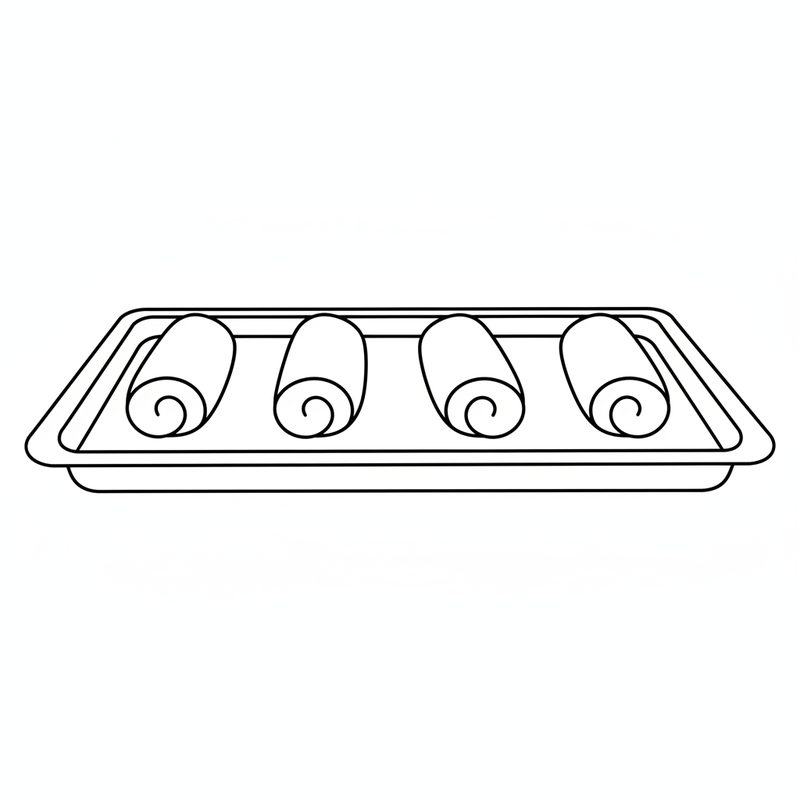
- Once the dough has risen, punch it down and divide it into 4 equal parts using a knife or dough slicer. Roll each part into a 6-inch long log. Arrange the pieces on a baking sheet and cover them with a clean kitchen towel. Allow them to rise for another 10-15 minutes. Meanwhile, preheat the oven to 370°F (185°C).
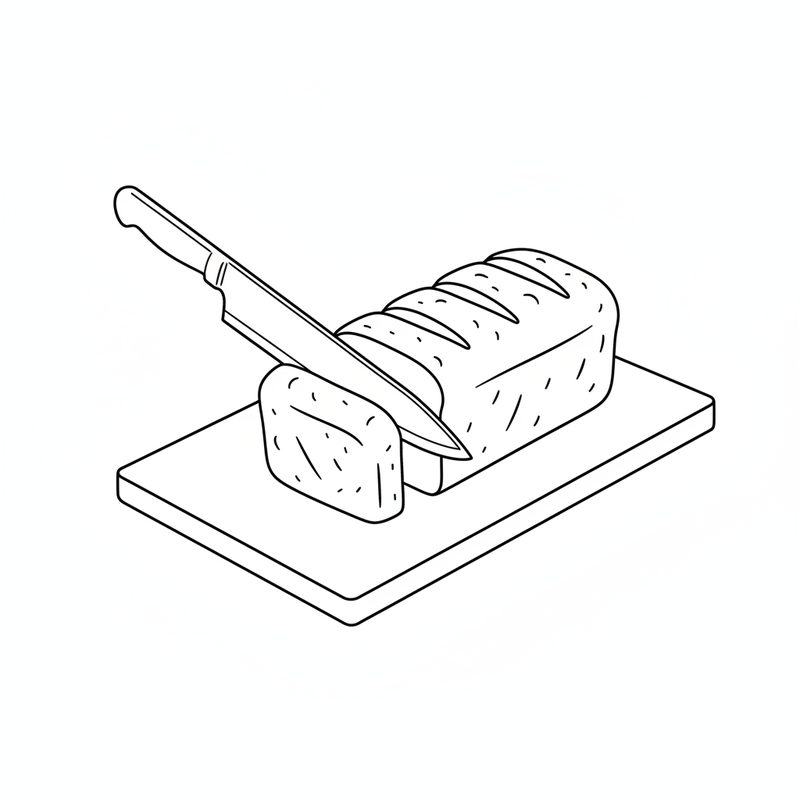
- Bake the dough for 15 minutes or until the sides turn slightly brown. Remove from the oven and let it cool down. Cut each piece into 4 equal parts lengthwise.
- Place the pieces in a bread box or simply cover them with a dry kitchen towel. Leave them at room temperature for a day or two (or longer) to dry out and harden. Alternatively, you can proceed to the next step without drying them out, but adjust the baking time accordingly.
- Preheat the oven to 150°C.
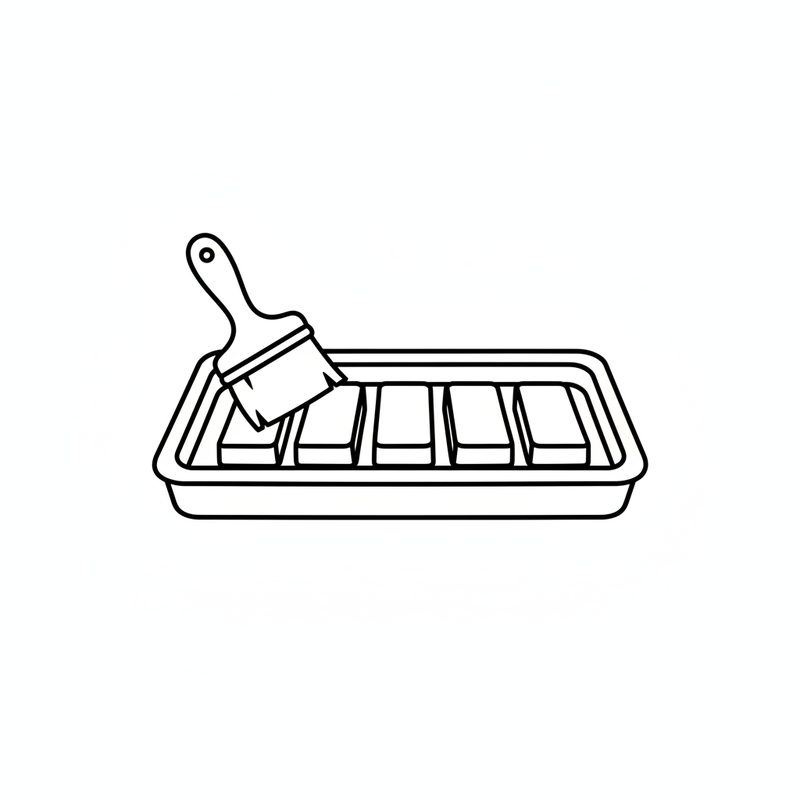
- Arrange the pieces on a baking sheet lined with parchment paper. Brush a thin layer of softened butter or margarine on the cut sides of each piece. Next, generously brush them with condensed milk.
- Bake for 20-30 minutes or until the edges turn slightly golden and the condensed milk becomes glossy but no longer tacky. The bread should also dry out and become crunchy.
Step by step, in pictures
The two bakes are what make this biscocho, and they sit either side of a rest. The total on the card covers the active work, the two rises and both bakes; the drying rest between the bakes is optional and adds a day or two on top if you take it. Here is the shape of the method before you start.
 Whisk the milk, sugar, salt, butter and egg together.
- Knead until the dough is smooth and elastic.
- Let the dough rise until it has doubled.
- Divide into four logs and bake.
- Cut the baked bread into pieces, then let it dry.
- Brush with butter and condensed milk, then bake again.
What is biscocho made of?
An enriched bread dough — flour, yeast, milk, sugar, salt, butter and egg — plus butter and sweetened condensed milk brushed on for the coating. Nothing on the list is unusual or hard to find; the work is in the two bakes and the drying time between them, not in the shopping. Savoury versions swap the sweet coating for garlic butter. Exact quantities are in the card above.
Biscocho and biscotti are not the same thing
They share an idea — both are baked twice — and very little else. Biscocho starts from a soft, enriched bread: it is baked as logs or a loaf, cut, dried out, then returned to a low oven under a brushed-on coating. Biscotti is typically made from a firm cookie dough, baked as a log, sliced and re-baked, and it usually carries nuts or anise rather than a coating. Biscocho is closer to a rusk than to a cookie, which is also why it suits dunking.
Which bread to use, and how to cut it
Day-old bread works better than fresh. It has already started to dry out, so it gives up the rest of its moisture faster in the second bake. Pandesal, ensaymada, monay and plain white loaf are all used. For a more buttery result, add more butter to the coating and cut the bread the way a hotdog bun is cut — lengthwise into four. Beyond that the shape is yours: the traditional loaf slice, long fingers, or cubes and rounds.
How to store biscocho
Let it cool completely before it goes anywhere. Warmth sealed into a container turns back into steam and softens the bread you just spent two bakes drying out. Once it is cold, keep it in an airtight container at room temperature, where it holds for about two weeks — the drier you bake it, the longer it keeps its crunch. To serve it after storing, either let it come back to room temperature in the container or warm it briefly in the microwave at low to medium power.
Biscocho questions
Is biscocho Spanish or Filipino? The name is Spanish — bizcocho — and it travelled with the language. The twice-baked bread on this page is the Filipino one, commonly associated with Iloilo. Spanish and Mexican bizcocho or biscochos usually mean something else entirely, closer to a cake or a shortbread-style cookie than to a dried bread.
Is biscocho a healthy snack? It is a treat rather than a health food: it is bread brushed with butter and sweetened condensed milk and baked until dry. This recipe carries no nutrition data, so there are no per-serving figures on this page.
Can I make biscocho without making the dough? Yes, and that is the usual shortcut. Use day-old bread, cut it, dry it out, and start from the coating and the second bake. The card says as much at the drying stage — you can go straight on without drying, as long as you adjust the second bake to how damp the bread still is.
More Filipino baking to try
Other breads that go well with a hot drink: Señorita Bread, Pan de Coco and Bicho Bicho. For more baked treats, see our Coffee Cookies and Date Roll, or try another biscuit-style favourite, Otap.