Señorita bread is a soft Filipino roll filled with a paste of butter, brown sugar and breadcrumbs, rolled in more breadcrumbs and baked to a golden hue. It is also sold as Spanish bread, pan señorita or pan de kastila, and it is a standard of the Filipino merienda, the afternoon snack. Despite the name it is not a Spanish recipe: Wikipedia’s entry on Spanish bread (Philippines) states it “does not originate from Spain”, and King Arthur Baking describes the rolls as native to the Philippines. It is a simple roll on paper that makes for a delightful treat.

Recipe
Señorita Bread
Ingredients
Ingredients For the Dough:
Ingredients For the Filling:
Other Ingredients for Rolling
Method
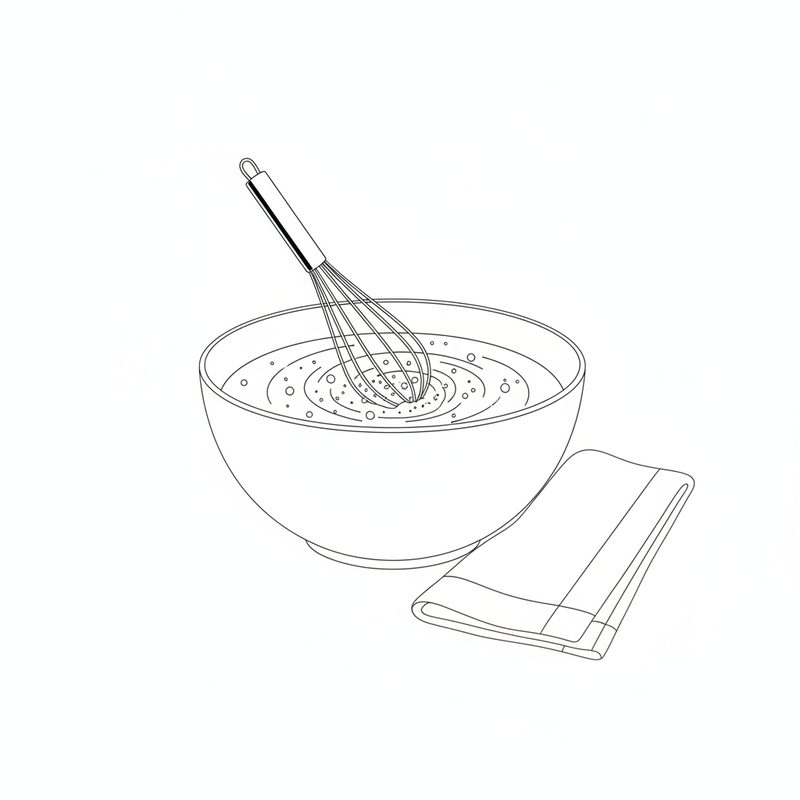
- In a large bowl of your stand mixer or a large mixing bowl if doing it manually, let's start by whisking together the warm milk, yeast, and 1 tablespoon of sugar. Cover the bowl with a plastic wrap or towel and let it sit for about 5-10 minutes until the yeast gets activated and looks foamy.
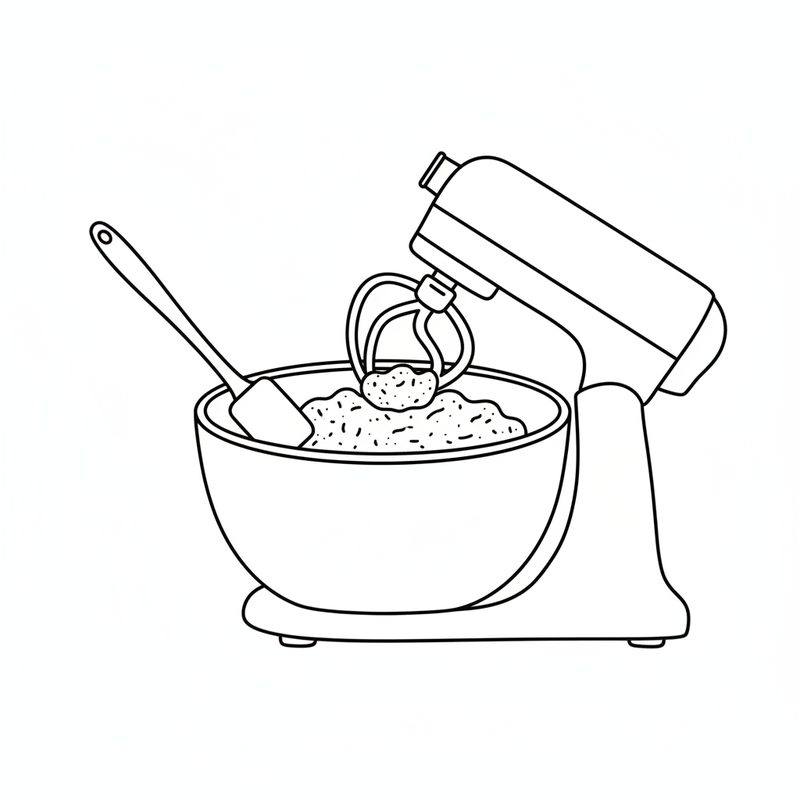
- Now, add the egg, butter, salt, the rest of the sugar, and half of the flour to the bowl. If you're using a stand mixer, use the dough hook or paddle attachment. Mix everything on low speed for about 30-45 seconds, making sure to scrape down the sides of the bowl with a rubber spatula in between. Then, add the other half of the flour.
- Increase the speed to medium and beat the mixture for about 4 minutes until the dough becomes smooth and comes together. The dough might be a little sticky, but that's normal. It should still be soft enough to be kneaded.
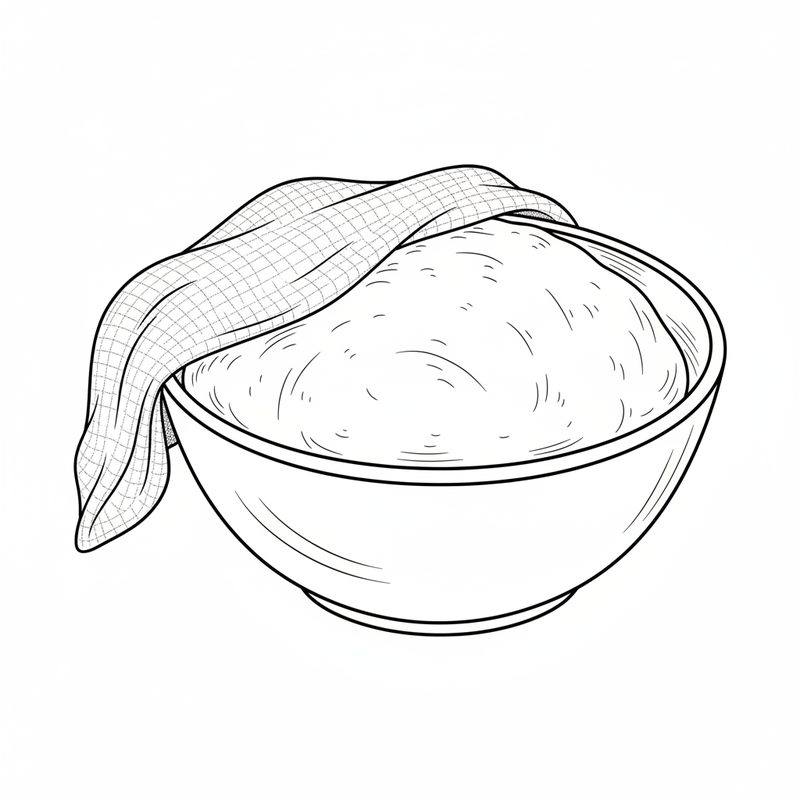
- Transfer the dough to a lightly greased bowl and cover it with a clean towel or cling wrap. Let it rest in a warm spot for about 1 hour, or until it doubles in size.
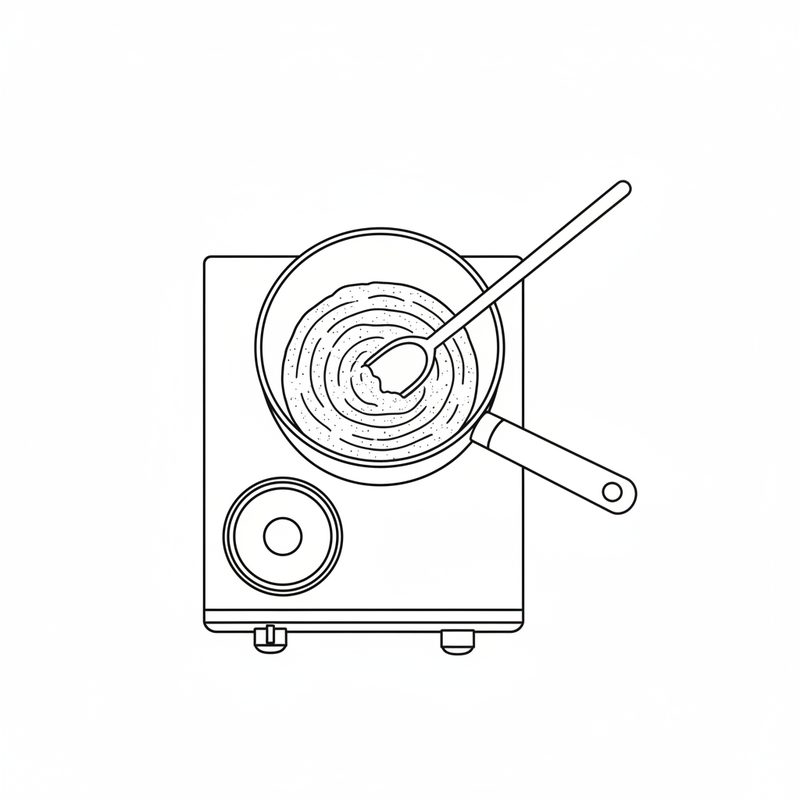
- While the dough is resting, melt the butter in a saucepan over medium-low heat. Once melted, turn off the heat and add in the flour, breadcrumbs, milk, sugar, and cinnamon. Mix everything together until well combined.
- Depending on the sugar you use, the filling's color might vary. In this batch, I used dark brown sugar, so the filling has a darker shade. If you use white sugar or light brown sugar, the filling will be more of a light caramel color. Either way, the texture should resemble a spreadable paste-like mixture.
- Once the dough has doubled in size, gently punch it down with your clean fists to release the air inside. It's quite satisfying, isn't it?
- Now, divide the dough into 14-16 equal pieces. It doesn't need to be exact, so don't worry about precision. Shape each piece into a smooth ball and transfer them onto a floured surface.
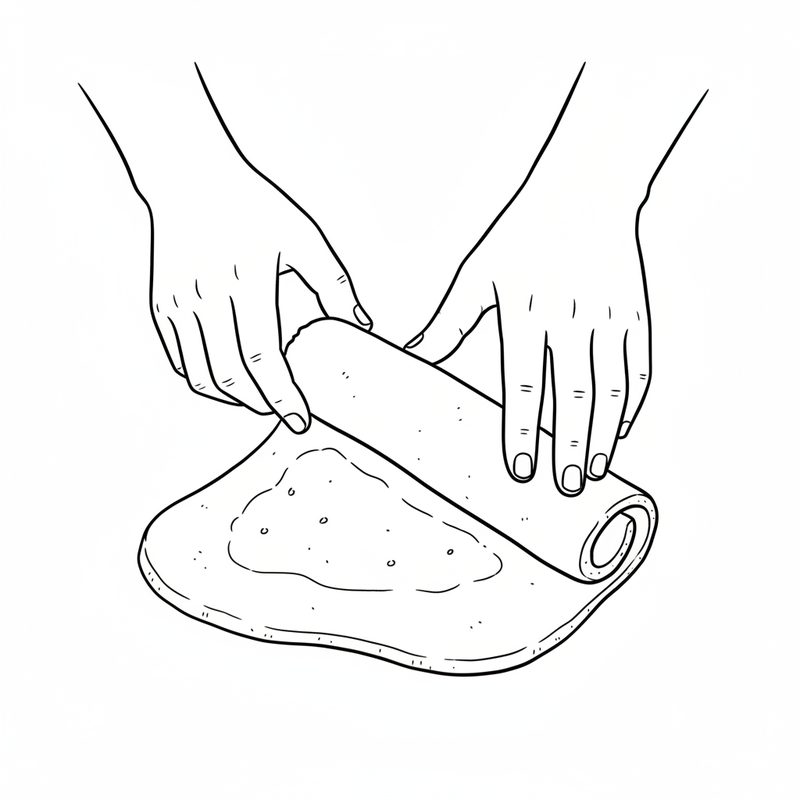
- Take each ball of dough and roll it into a triangle shape. You can refer to the picture in the post above to get an idea.
- Spread the sugar filling on each piece of dough. Start from the long edge of the triangle and roll each piece inwards. The picture above will give you a better visual reference.
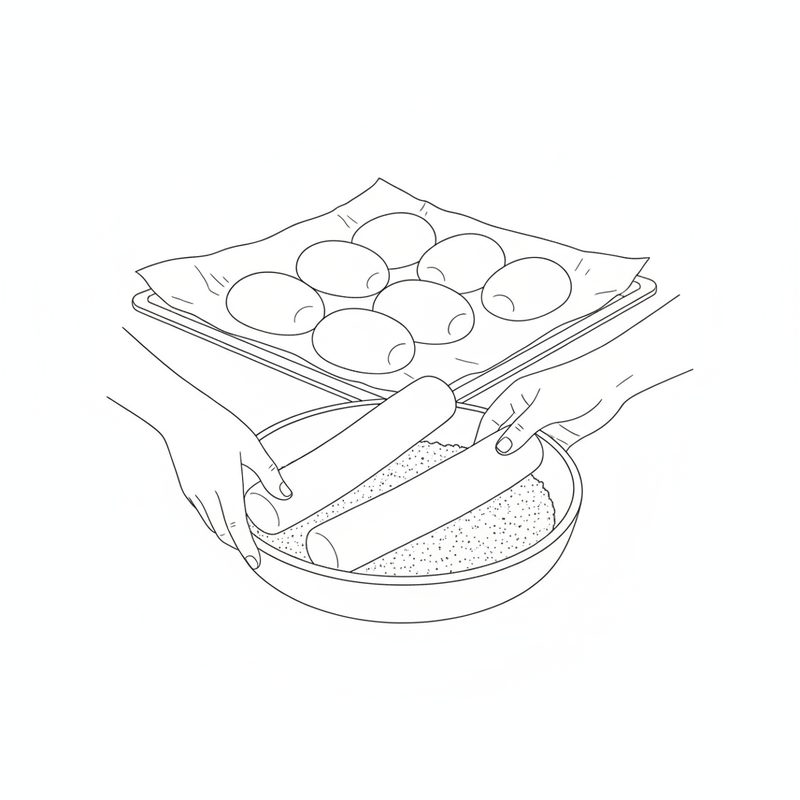
- Brush some extra melted butter on the rolled dough, and then roll it in the crushed bread crumbs. Yum!
- Preheat your oven to 325°F (165°C). Line a baking sheet with parchment paper or use a silicone baking sheet if you have one. They're fantastic!
- Place the rolls on the prepared baking sheet and let them bake for 20-25 minutes until they turn golden brown on top.
- Once they're done, you can serve the Señorita Bread warm, or if you prefer, let them cool before transferring them to an airtight container. Trust me, they taste delicious either way!
Step by step, in pictures
The fourteen steps in the card, condensed to six.
 Whisk the warm milk, yeast and sugar, then rest 5–10 minutes until foamy.
- Mix in the flour, then beat 4 minutes until the dough is smooth.
- Rest in a warm spot for about 1 hour, until doubled in size.
- Melt the butter, then mix in the flour, breadcrumbs, milk, sugar and cinnamon.
- Spread the filling and roll each piece inwards from the long edge.
- Brush with melted butter, then roll in the crushed breadcrumbs.
Is señorita bread Filipino, Spanish or Mexican?
It is Filipino. The English Wikipedia entry for Spanish bread (Philippines) records that the roll “does not originate from Spain” and has no relation to the Spanish pan de horno, and King Arthur Baking — whose version ranks on the first page for this dish — describes the rolls as native to the Philippines, eaten at the mid-afternoon merienda. It is not Mexican; the Spanish in the name is a label, not a lineage.
A good many Filipino bakery breads carry Spanish names — pandesal, pan de coco, pan de kastila. None of the sources consulted for this page explains how the name attached itself to this particular roll, so that question is left open here rather than guessed at.
Señorita bread, Spanish bread and pan de kastila are the same roll
Three names, one bread. Wikipedia lists señorita bread, senyorita bread and pan de kastila as alternative names for the same Filipino Spanish bread. Bakeries in the United States tend to use the señorita label; Starbread Bakery, which appears repeatedly in US results for the term, sells it as a signature item. The bread is Filipino wherever it is sold.
What stays constant between versions is the structure: an enriched, yeasted dough, a paste of butter, sugar and breadcrumbs rolled up inside it, and a second coat of breadcrumbs on the outside. Size is where bakeries differ. The dough in the recipe card divides into 14 to 16 pieces; King Arthur’s version makes 12 larger rolls.
Substitutions that work, and the ones that change the result
Stick to plain breadcrumbs rather than flavoured varieties — they give a neutral base that will not overpower the filling. If you cannot find bread flour, all-purpose flour substitutes at a 1:1 ratio. Instant yeast can be swapped for active dry yeast, but test it first: dissolve it in the warm milk and wait a few minutes, and if bubbles form it is still alive.
The filling can optionally be cooked first with the milk and flour, which thickens it and deepens the flavour. If the dough feels too wet while kneading, add flour a little at a time until it comes together. Roll the dough to a thickness that is neither thin enough to tear nor thick enough to stay doughy, and be generous with the filling so every bite carries some.
For the crumb coating, a pastry brush of evaporated milk, egg yolk, melted butter or plain water all work to make the crumbs stick before rolling. And if you have no plastic wrap, a damp cloth or a pot lid covers the dough just as well while it rises.
Storing señorita bread
Let the rolls cool completely, then move them to an airtight container — that is the method the recipe above ends on. For a keeping time, King Arthur Baking directs storing fully cooled rolls in an airtight container at room temperature for up to three days. No freezing guidance appears in the sources consulted here, so none is offered.
Questions about señorita bread
What does “señorita” mean in Spanish? It is the Spanish word for a young woman, the equivalent of “Miss”. Applied to the bread it is a name only; the sources here do not record why it was chosen.
Why do Filipinos call it Spanish bread? Because that is one of its long-standing names in the Philippines, alongside señorita bread and pan de kastila. It is not a description of origin — Wikipedia is explicit that the roll has no relation to the Spanish bread of Spain.
What ethnicity is Starbread? The bread Starbread Bakery is known for is Filipino. The chain is a US bakery whose signature item is this roll, which is why its name turns up so often in American searches for señorita bread.
Can I use all-purpose flour instead of bread flour? Yes, at a 1:1 ratio.
More Filipino breads to bake next
If you want other Filipino bread rolls, try munggo bread for an unexpected filling, pan de regla for a colourful one, or monay and pandesal for the everyday staples. For a Filipino turn on a classic there are ube cinnamon rolls, and for more pastry the date roll and sweet toast recipes.