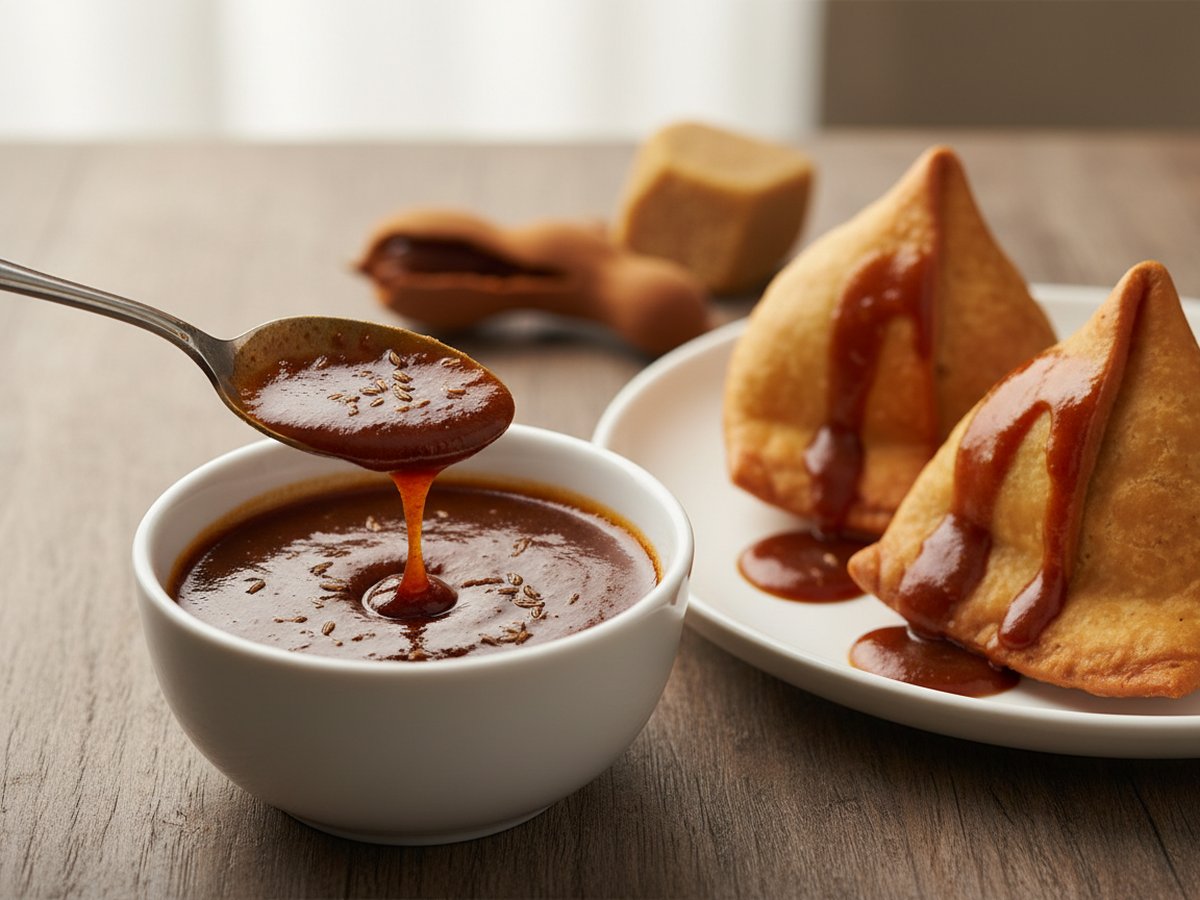
Imli chutney is tamarind pulp simmered with jaggery, roasted cumin, red chilli, dry ginger and black salt until it is thick enough to coat a spoon. With 100 g of seedless tamarind and 140 g of jaggery you get about 2 cups, enough for several weeks of samosas, pakoras and chaat.
The one thing that decides whether it works is when you stop cooking. Take it off the heat while it still runs off the spoon in a slow ribbon, because it keeps thickening as it cools.
Last updated
Recipe
Imli Chutney (Sweet and Sour Tamarind Chutney)
Ingredients
Method
- Break the tamarind into pieces, put it in a bowl and pour over 240 ml (1 cup) of the hot water. Leave it for 30 minutes, until it is soft enough to squeeze apart between your fingers.
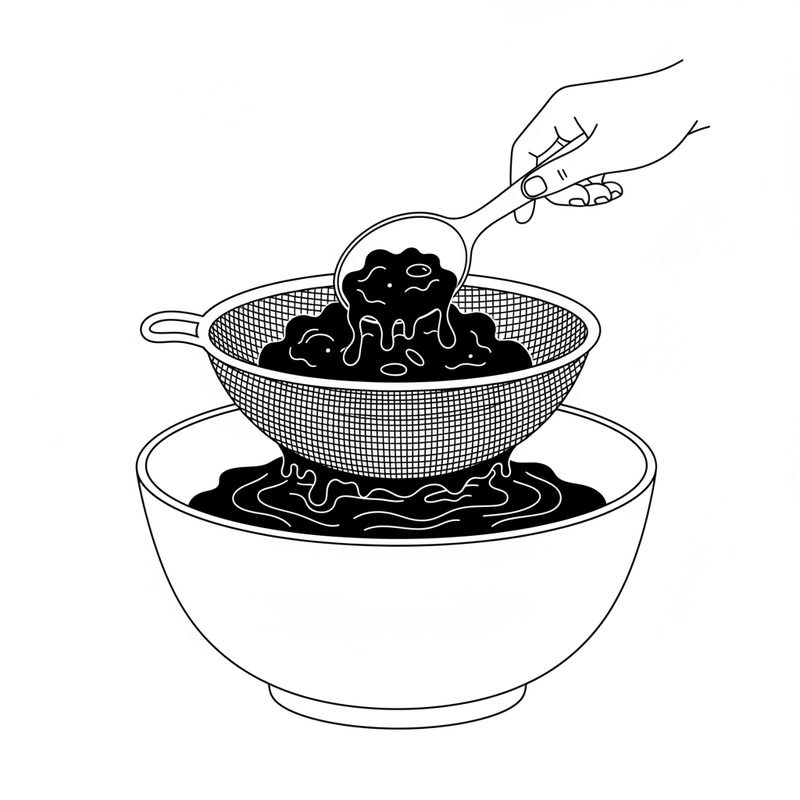
- Squeeze and mash the tamarind in its water, then press it through a fine sieve into a bowl with the back of a spoon. Pour the second 240 ml (1 cup) of water through the pulp a little at a time and keep pressing until only pale fibre and seeds are left. Discard them.
- Heat the oil in a heavy saucepan over medium heat. Add the cumin seeds and hing; as soon as the cumin crackles, a few seconds, pour in the tamarind pulp.
- Add the jaggery and stir for 2 to 3 minutes, until it has dissolved completely.
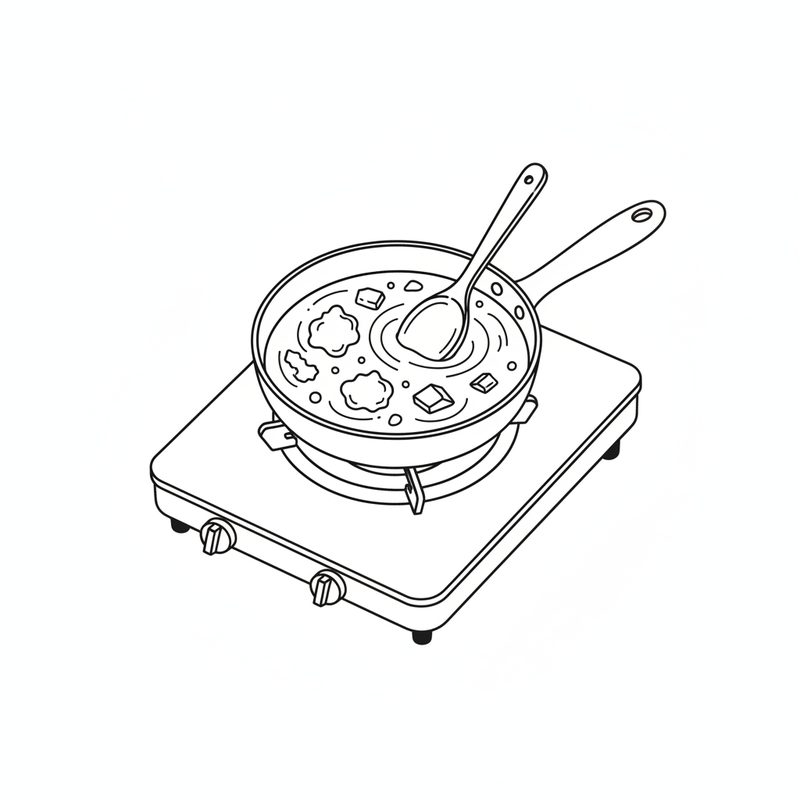
- Stir in the red chilli powder, roasted cumin powder, ginger powder, kala namak and salt. Simmer on medium, stirring now and then, for 5 to 8 minutes.
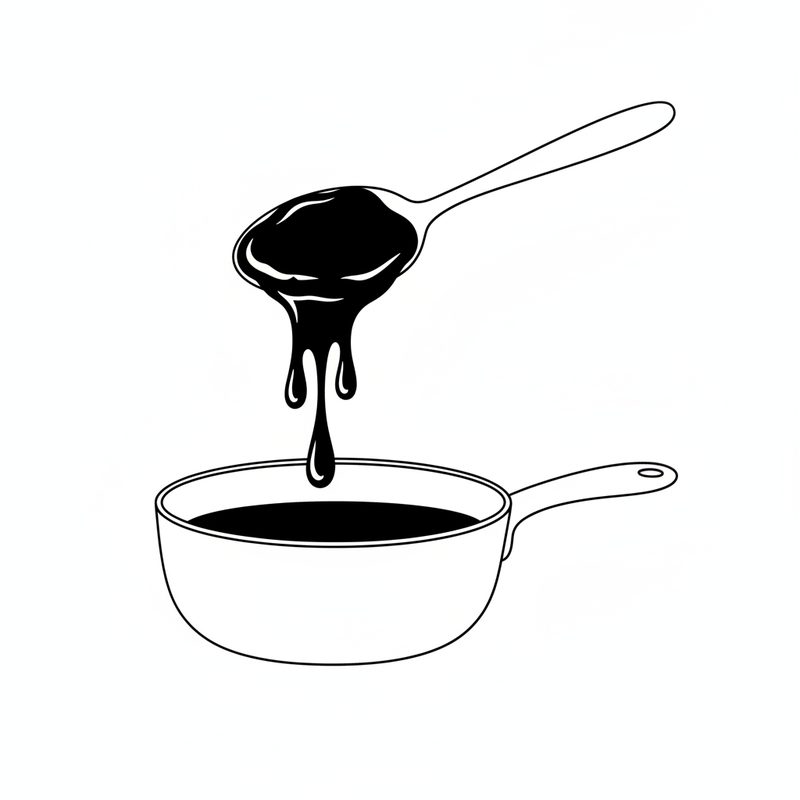
- Stop when the chutney coats the back of a spoon and runs off in a slow ribbon. It will look slightly thin; it thickens as it cools. Taste, and add sugar for a sweeter chutney or a splash of water if it has gone too thick.
- Cool completely, then pour into a clean glass jar and refrigerate.
What imli chutney is
Imli chutney is a pourable sweet and sour sauce made from tamarind pulp, sweetened with jaggery and seasoned with cumin, red chilli, dry ginger and black salt. Imli is tamarind; the chutney is also called meethi chutney, sweet chutney, because of the jaggery.
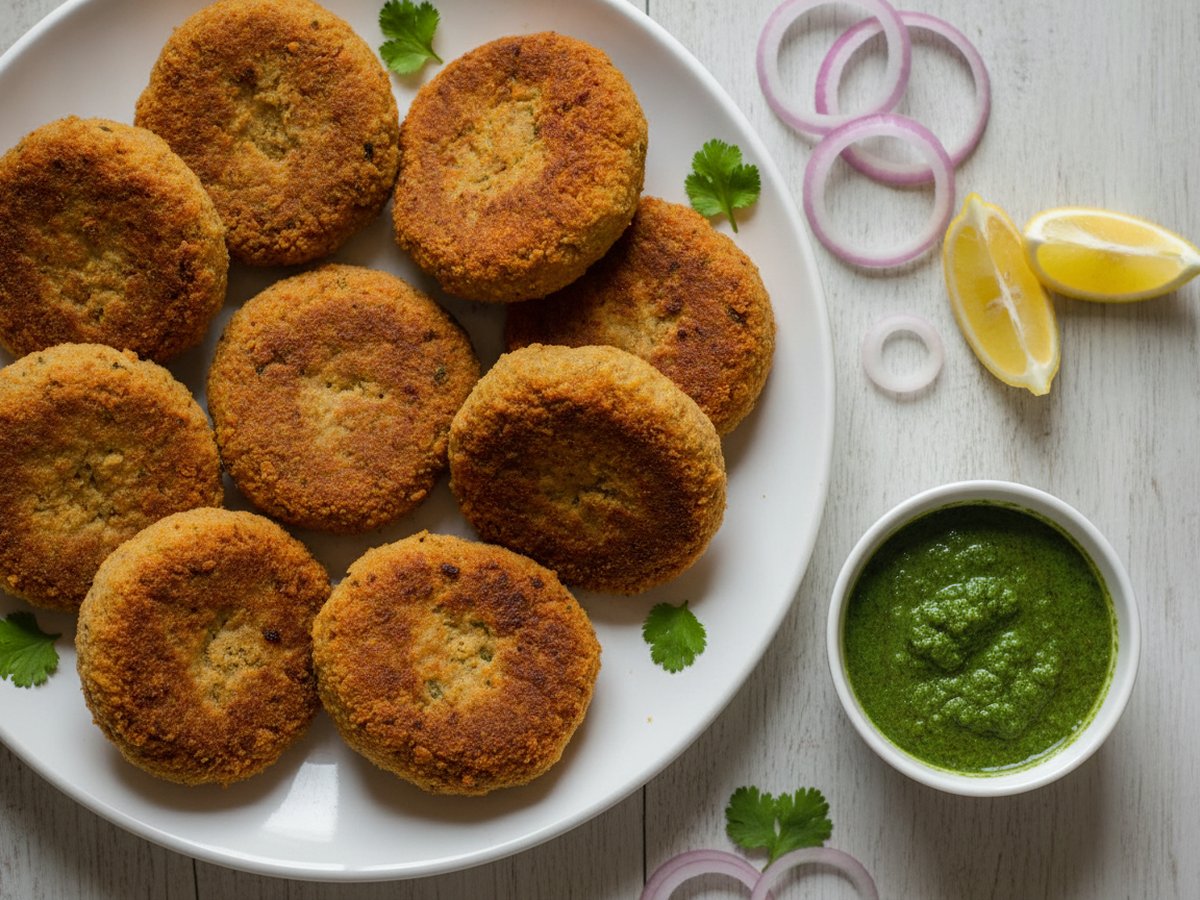
It is a chaat condiment first. It goes over samosas, pakoras, dahi bhalla and other chaat, usually alongside a green chutney, so that every bite gets sour, sweet, salt and heat at once. Two of the videos ranking for this search title it a Ramzan special, alongside pakoras and chaat for iftar.
The ingredients, and what each one does
Every quantity on the card was checked against at least three published recipes and taken where two of them agree. The ratio that matters is tamarind to jaggery: roughly equal by volume, 100 g of seedless tamarind (about 1 cup packed) to 140 g of jaggery (1 cup). The Whisk Addict, Cook with Manali and Swasthi’s Recipes all land on that ratio once their batches are scaled to the same size.
- Seedless tamarind block. The compressed brown block sold in South Asian shops. Seedless saves time at the sieve; a block with seeds works too, it just leaves more behind. Butter Over Bae gives the equivalents: 300 g of block with seeds, 200 g seedless, or 100 g of unflavoured tamarind paste for the same batch.
- Jaggery (gur). Gives the chutney its colour and a molasses depth that white sugar does not. Powdered or grated dissolves in two to three minutes; a solid lump takes longer.
- Roasted cumin powder. The main savoury note. Bee Extravegant and Swasthi’s Recipes both specify roasted; the ground spices go in late and are only simmered, so roasting is where their toasted flavour comes from.
- Dry ginger powder (saunth). A low, warm heat under the chilli. Some recipes call the whole sauce saunth chutney after it.
- Kala namak (black salt). The sulphurous, eggy salt that makes it taste like chaat rather than like jam. Regular salt alone gives a flatter result.
- Red chilli powder. Given as 1/2 to 1 teaspoon, with 1 as the default. Kashmiri chilli adds colour with less heat; here is how to pull back a batch that came out too hot.
The step most people get wrong: reducing it too far
Stop cooking while the chutney still looks slightly too thin. Tamarind chutney keeps thickening as it cools and thickens again in the fridge, a point The Culinary Peace makes plainly. A chutney that looks right in the pan sets to a paste in the jar.
What right looks like: dip a spoon, lift it, and the chutney coats the back in an even brown film and runs off slowly in a ribbon rather than in drops. If you drag a finger through the coating, the line holds for a second and then closes. That is the moment to take it off the heat. If it has gone too far, whisk in warm water a tablespoon at a time; nothing is lost.
The second thing that goes wrong is the tempering. Cumin seeds in hot oil need only seconds to crackle. Savita Shekhawat gives chilli powder only 20 to 30 seconds in hot oil and warns against burning it, which is why this version adds the chilli with the other ground spices, after the pulp is in.
Imli chutney, step by step
 Soak the tamarind in hot water for 30 minutes.
- Press the pulp through a fine sieve; discard the fibre.
- Dissolve the jaggery in the pulp over medium heat.
- Simmer until it coats a spoon, then stop.
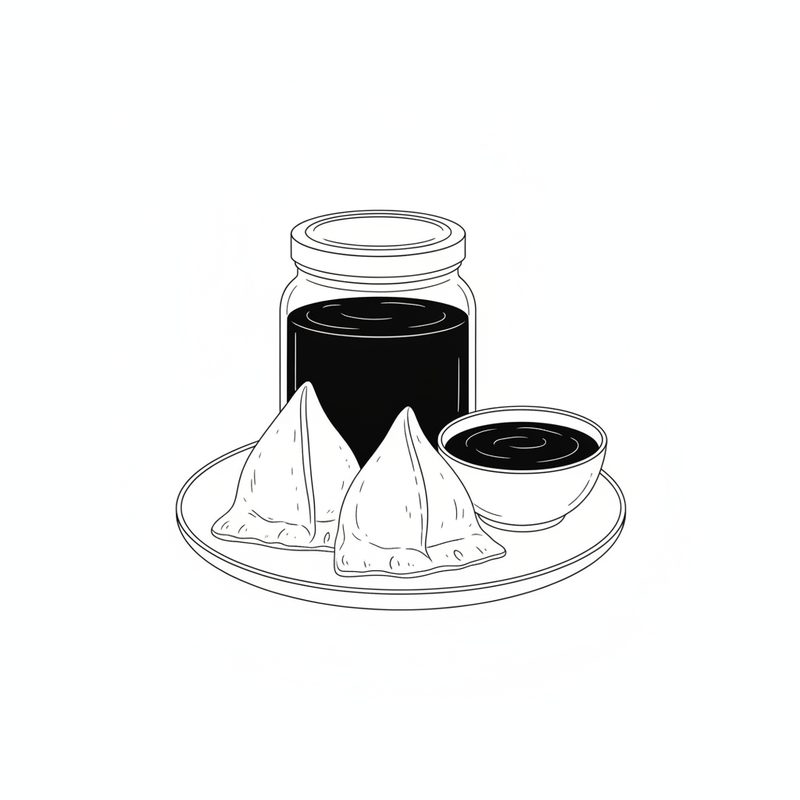
- Cool, jar and serve with samosas or pakoras.
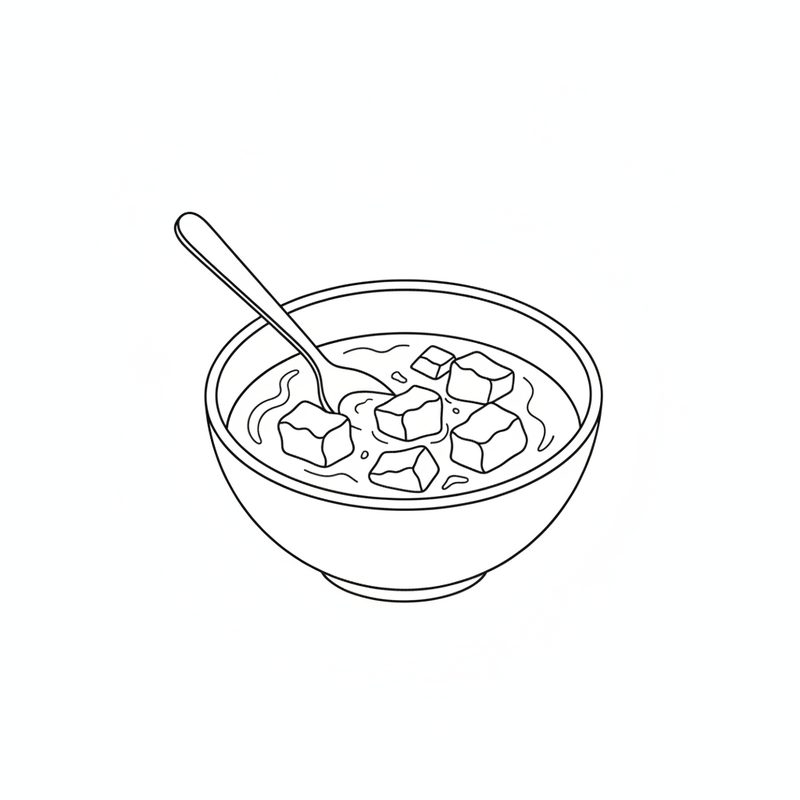
The soak is the only wait. With hot water, 30 minutes softens a seedless block enough to squeeze, which matches The Whisk Addict; Cook with Manali boils the tamarind briefly and then leaves it covered for 25 to 30 minutes, which does the same job. Cold water needs four to five hours, as Bee Extravegant and Savita Shekhawat both note. The card’s prep and cook times do not include the soak.
Rinse the sieve with the second cup of water a little at a time and keep pressing. Most of the pulp clings to the fibre, and the first pass leaves a lot behind. You are finished when what is left in the sieve is pale strings and seeds.
Chaat-stall style versus everyday style
The card is a middle version: sweet and sour in balance, thin enough to drizzle. The two ends of the range are worth knowing because they are different sauces.
- Chaat-stall style is thicker, darker and sweeter, and often built on dates. Swasthi’s Recipes simmers 100 g of dates with 50 g of tamarind and blends the lot; Butter Over Bae uses date syrup with a dahi bara spice mix and chaat masala. This is the style for dahi bhalla, where it sits on yogurt rather than soaking in.
- Everyday style is tangier and looser. Savita Shekhawat uses only 50 g of jaggery to 100 g of tamarind, half the card’s sweetness. This suits pakoras and samosas, where you want the sour to cut through fried batter.
To move the card toward chaat-stall style, add a few tablespoons of white sugar at the jaggery stage, as both The Whisk Addict and Cook with Manali do, and reduce one or two minutes longer. To move it toward everyday style, start with 70 g of jaggery and taste before adding more.
The quicker route, and what it costs you
Quick imli chutney skips the stove entirely. Bee Extravegant stirs brown sugar, ginger, chilli, roasted cumin, coriander powder and black salt straight into strained tamarind pulp and jars it. It takes as long as the soak.
What you lose: the sugar is never cooked into the pulp, so the chutney is thinner and grainier, and the ground spices stay raw rather than blooming in heat. There is no cumin-seed tempering. It is a fair sauce for a weeknight pakora, and it is not the glossy, coating chutney in the photo.
A middle route is to blend the soaked tamarind with its water before sieving, which The Whisk Addict and Cook with Manali both do. It gets more pulp through the sieve in less time and changes nothing else.
How long imli chutney keeps, and freezing it
Imli chutney keeps for three to four weeks in a clean glass jar in the fridge; that is the figure The Whisk Addict and The Culinary Peace both give, and Cook with Manali says a month. Some writers keep it for two months, but three to four weeks is the figure most sources agree on.
Cool it completely before the lid goes on, and use a clean, dry spoon every time. Water or crumbs carried into the jar are what spoil a sugar-heavy sauce early.
It freezes well. The Whisk Addict freezes it for up to 6 months. Freeze it in small portions so you thaw only what a meal needs, and stir after thawing, since it can separate slightly.
What to serve imli chutney with
Serve imli chutney with anything fried and anything built on yogurt. The usual places for it:
- samosas and chicken pakora, drizzled or as a dip
- dahi bhalla (dahi bara) and other yogurt chaat, spooned over the yogurt
- vada pav, spread inside the bun, as The Whisk Addict suggests
- dhokla and bajji, as The Culinary Peace serves it
For a chaat plate, make it alongside a green mint and coriander chutney, which The Culinary Peace keeps in the fridge next to it: the tamarind is sweet and sour, the green chutney is fresh and hot, and each covers what the other lacks.
Questions people ask
Is imli chutney the same as tamarind chutney?
Yes. Imli is the Hindi and Urdu word for tamarind, so imli chutney and sweet tamarind chutney are the same sauce. Recipes that lean on dry ginger sometimes call it saunth chutney.
Can I use tamarind paste instead of a block?
Yes. Butter Over Bae treats 100 g of unflavoured tamarind paste as the equivalent of 200 g of seedless block, so use about half the weight of paste and skip the soaking and sieving.
Does tamarind chutney freeze well?
Yes. It freezes well in small portions; The Whisk Addict keeps it frozen for up to 6 months. Stir it after thawing.
How do I make imli chutney quickly?
Soak the tamarind in hot water, strain it, and stir in brown sugar or jaggery and the ground spices without cooking. It is thinner and less glossy than the cooked version but ready in about 30 minutes.
Why did my imli chutney turn thick like jam?
It was reduced too far. Tamarind chutney thickens as it cools, so cook it only until it coats a spoon. Whisk in warm water a tablespoon at a time to loosen it.
What chutneys are served with imli chutney?
A green mint and coriander chutney is the usual partner. On chaat the two go on together, the tamarind for sweet and sour, the green chutney for fresh heat.