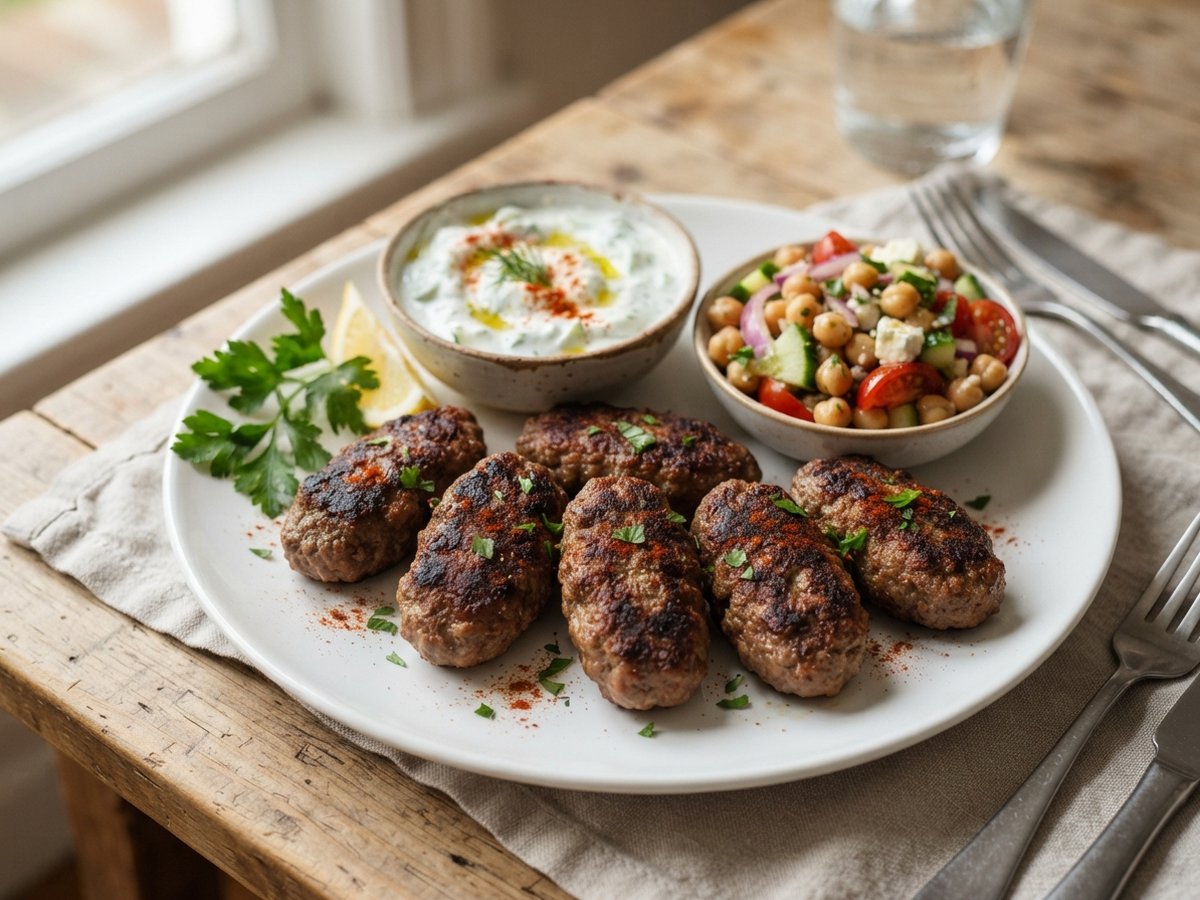
Kofta (Turkish köfte) are seasoned meatballs of minced meat. This version mixes beef with parsley, garlic, paprika and chili, shapes it slightly long and flat, and pan-fries it for 4–5 minutes a side. It takes about 20 minutes and makes 8–10 pieces. Köfte is simply the Turkish word for meatballs; the closest Danish relative is the frikadelle.
Last updated
Recipe
Kofta
Ingredients
Method
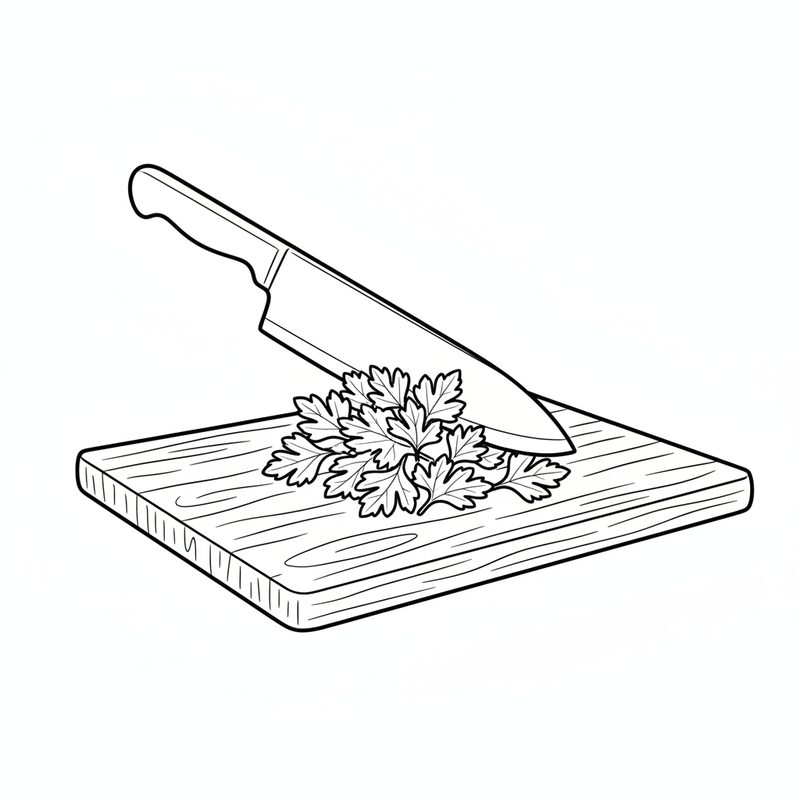
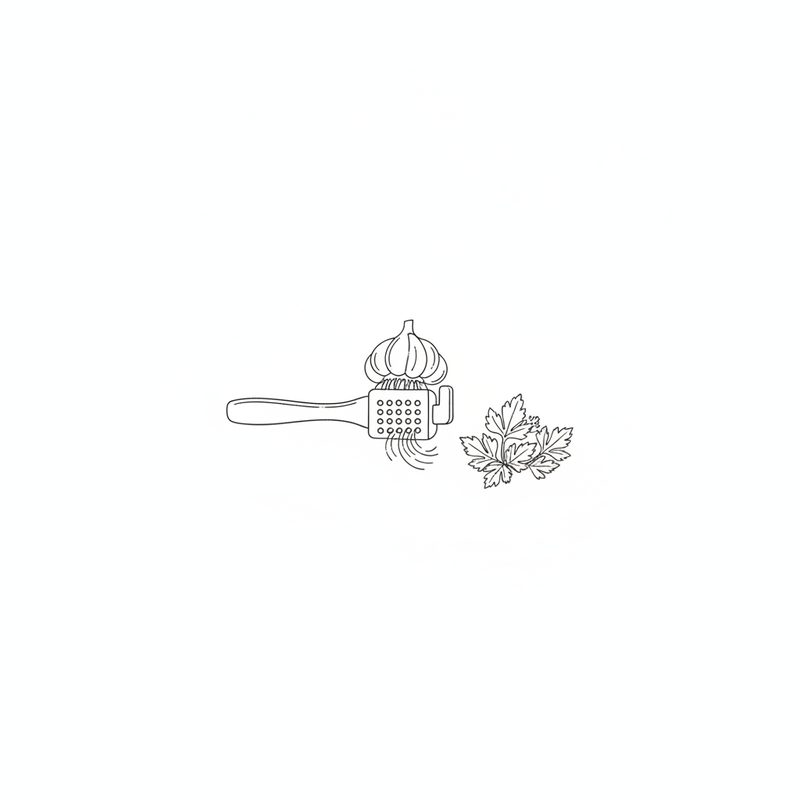
- Rinse and chop the broad-leaved parsley, peel the garlic cloves, and chop them nicely or press them.
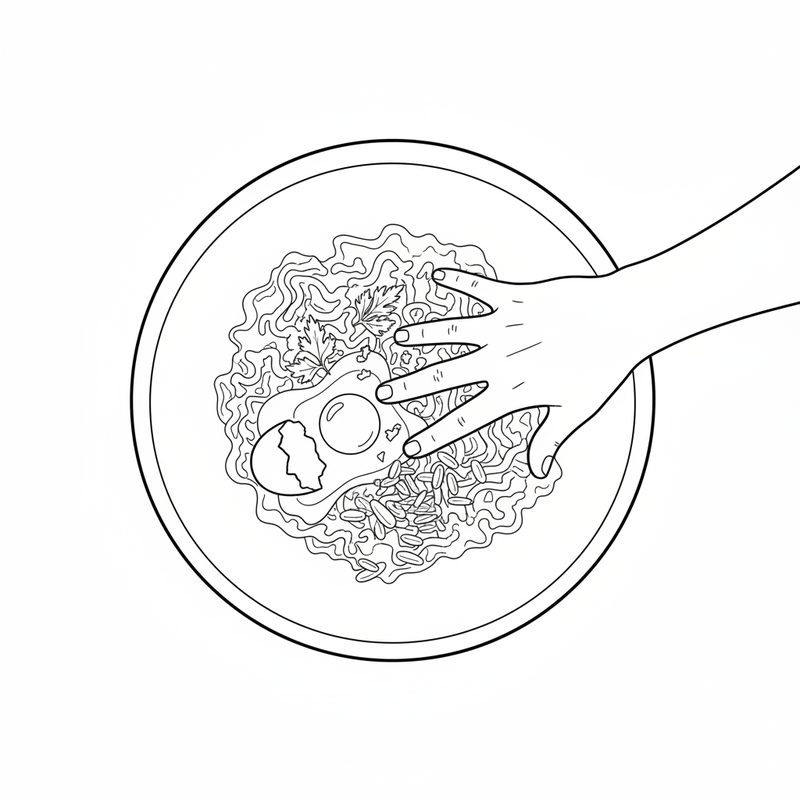
- Mix all the ingredients thoroughly together into a bowl.
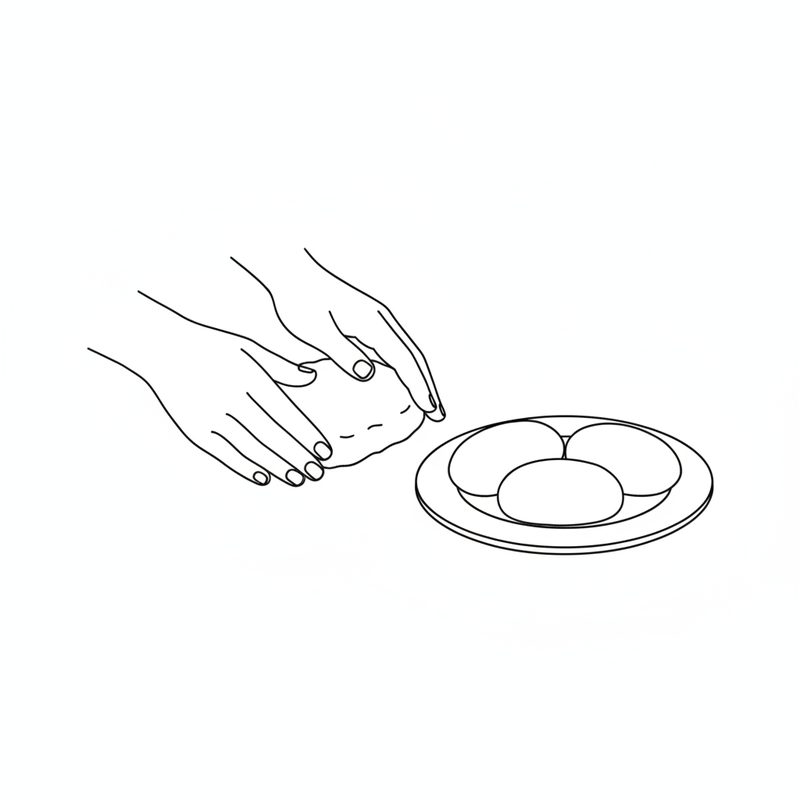
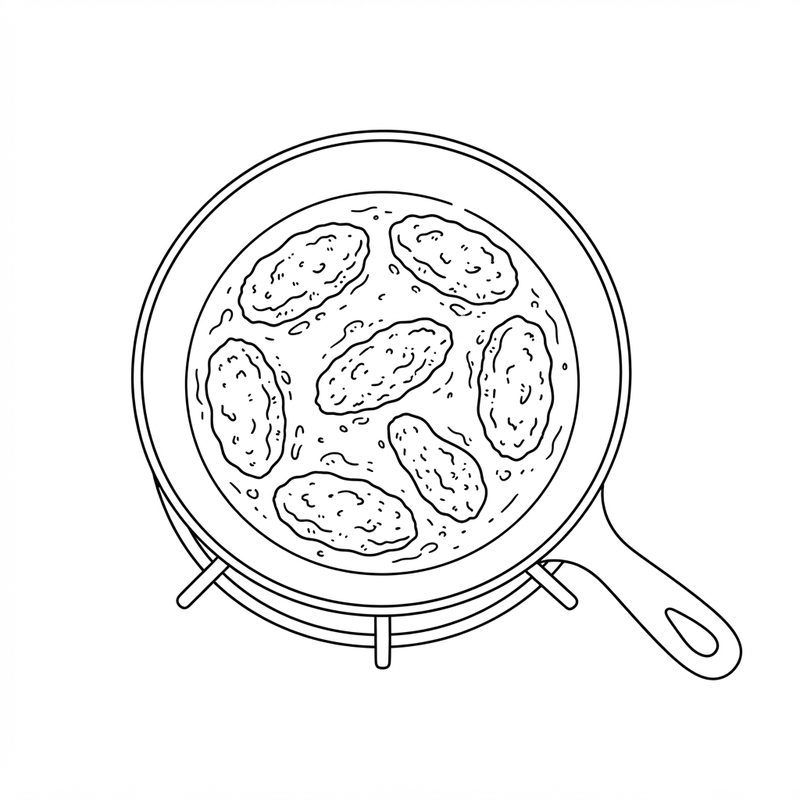
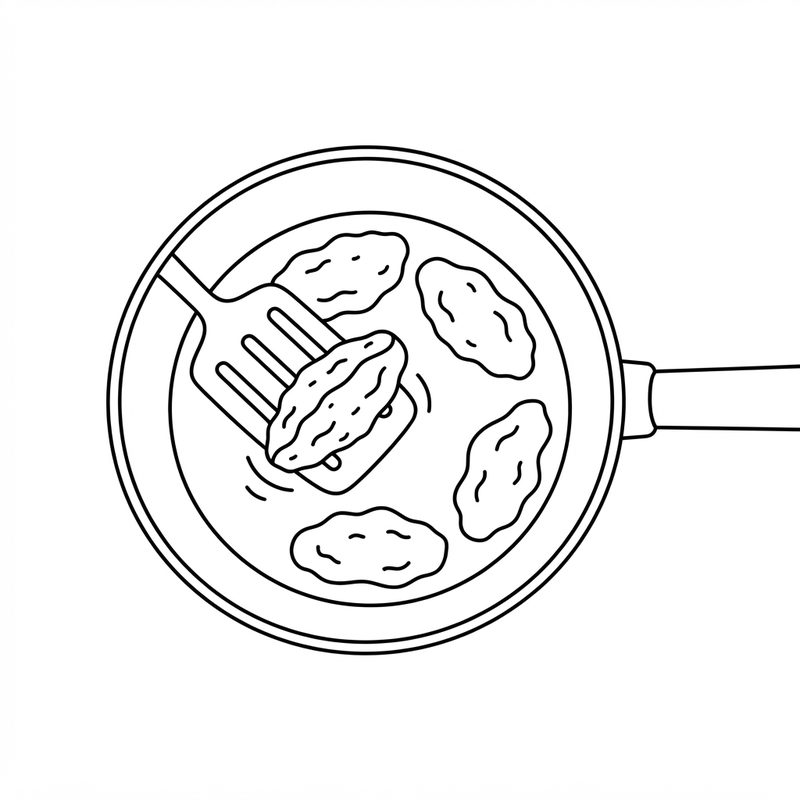
- Form the ball, push them a little flat and put them in the oiled pan. They must be cooked for about 4-5 minutes on each side – depending on size.
- Kofta tastes good with tzatziki or tomato sauce and a salad – for example chickpeas salad or raw potatoes.
Step by step, in pictures
The four steps on the card, drawn as six moves.
 Chop the parsley
- Press the garlic
- Mix everything in a bowl
- Shape and flatten slightly
- Fry in an oiled pan
- Turn after 4–5 minutes
How Turkish köfte differ from Danish frikadeller
The difference is the shape, the meat and the seasoning. Turkish köfte, as made here, are a little elongated, use minced beef, and carry garlic, parsley and more spice. Danish frikadeller are rounder, are traditionally made from a blend of two meats such as veal, pork or beef (Wikipedia: Frikadelle), and usually contain onion with no seasoning beyond salt and pepper.
What meat to use for kofta
This recipe uses 500 g of minced beef, preferably not too fat. Elsewhere kofta is usually made with beef, chicken, lamb or mutton, or a mixture of them (Wikipedia: Kofta). For a meat-free meatball on this site, see the cauliflower meatballs.
Swapping the corn grits, and keeping it gluten-free
If you have no corn grits or flour, use breadcrumbs (Danish rasp) instead. With corn grits the kofta are gluten-free; wheat flour or breadcrumbs add gluten. Nothing in the recipe contains dairy, so it is lactose-free whichever binder you use. The tzatziki served alongside is not.
What to serve with kofta
Tzatziki or a tomato sauce, plus a salad. A chickpea salad goes well with them.
Kofta, köfte or kafta?
They are the same family of dish under regional names. Kofta is the English word, borrowed from Hindi-Urdu and from Persian koofta, meaning “pounded meat”. Köfte is the Turkish form. Kafta is the Levantine version, typically minced beef or lamb with onion, parsley and spices (Wikipedia: Kofta).
Are meatballs a Danish invention?
No. Kofta are made from South and Central Asia through the Middle East and North Africa to the Balkans, and the earliest known kofta recipes appear in early Arab cookbooks. The Balkans have ćufte, Greece has keftedes, and Turkey has many regional köfte of its own, from İnegöl köfte to çiğ köfte made with bulgur (Wikipedia: Kofta). Even the frikadelle’s own origin is unknown (Wikipedia: Frikadelle).
If you have a good suggestion for the dish, or have found another variation, please share it in the comments below.