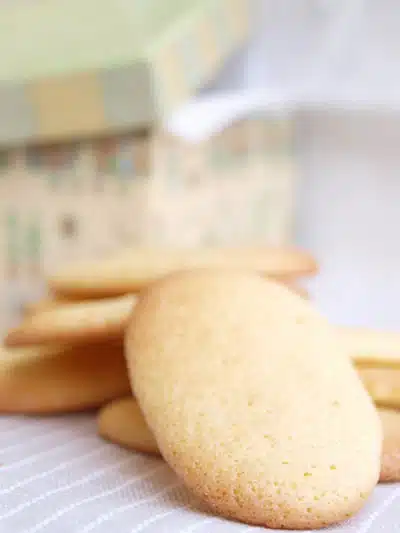
Lengua de gato are thin, crisp Filipino butter cookies whose name is Spanish for “cat’s tongue” — a reference to the long, flat shape they are piped into. This version uses six ingredients: butter, sugar, salt, egg whites, vanilla and cake flour.
Last updated
Recipe
Lengua de Gato
Ingredients
Method
- Preheat oven to 160°C.
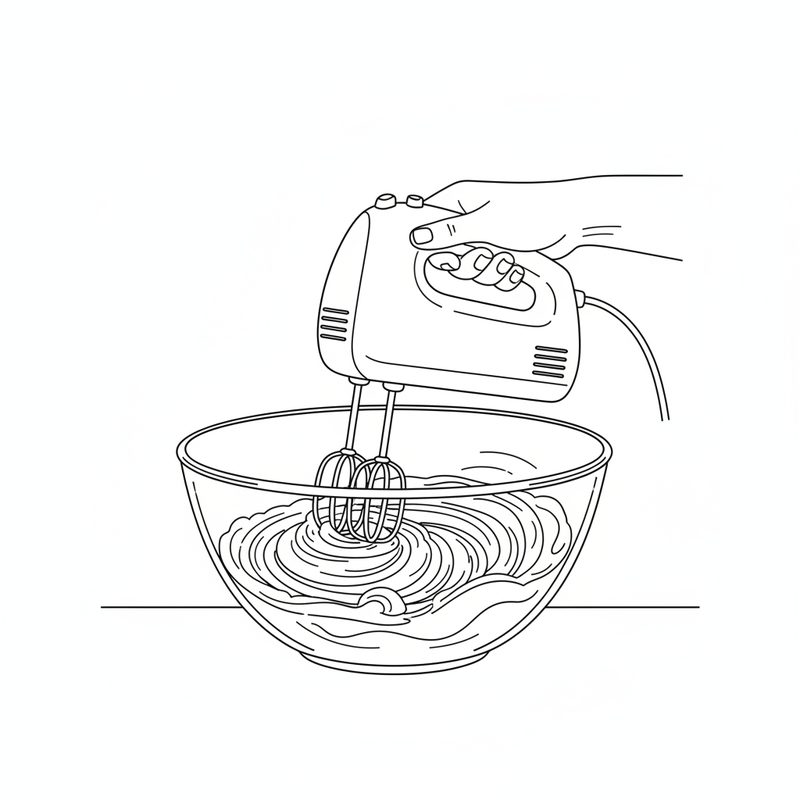
- Cream the butter, salt and sugar using electric mixer. Continue mixing for about 2 minutes or until light and fluffy.
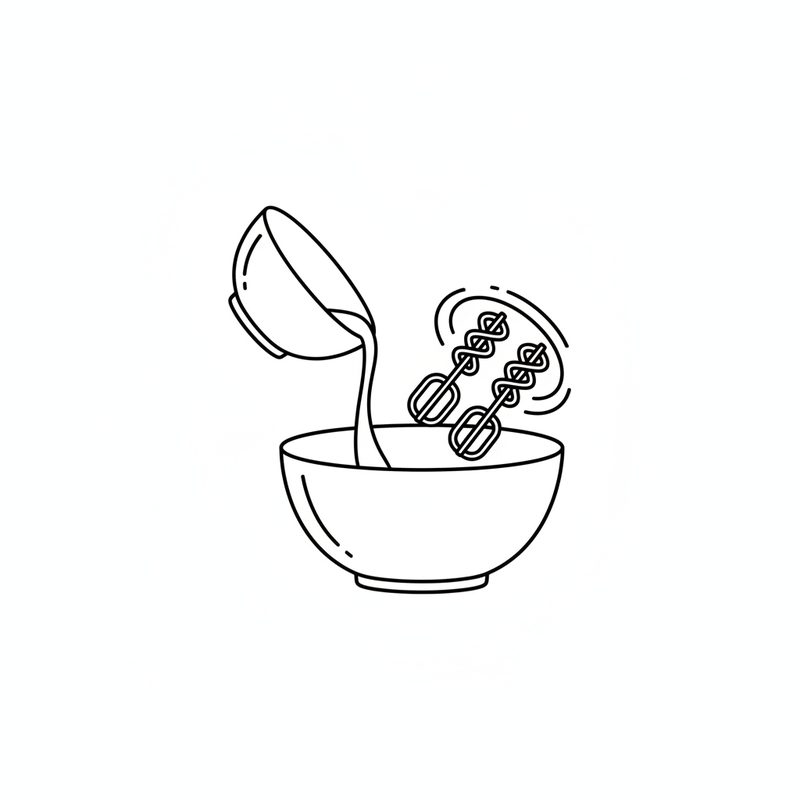
- While mixing, gradually add the egg whites followed by vanilla extract. Mix for a minute at medium-low speed
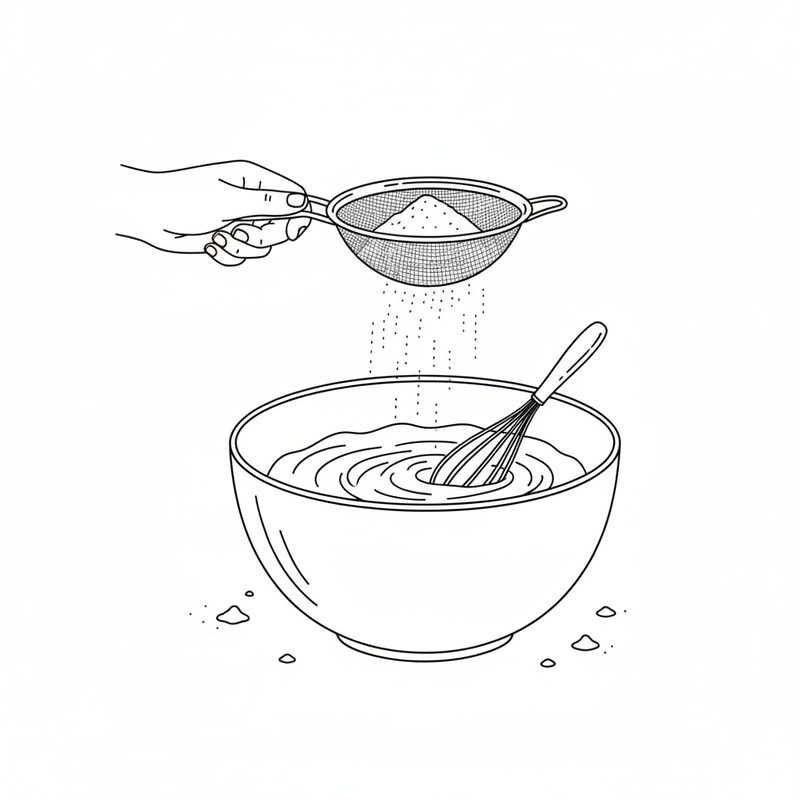
- Turn speed to low and gradually add the flour while continuously mixing. Continue to mix until the ingredients are well incorporated and the batter becomes smooth.
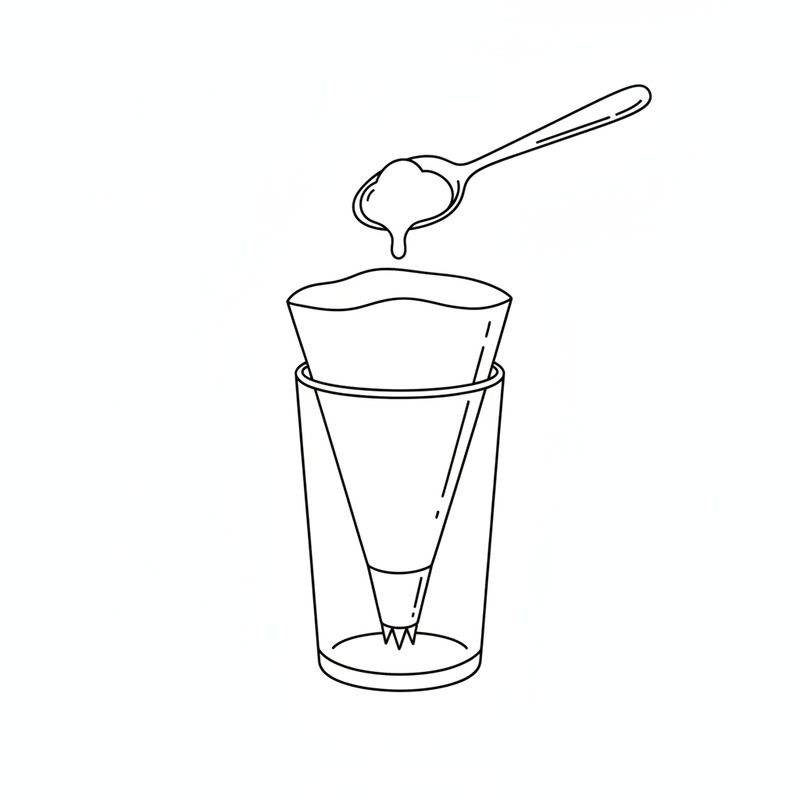
- Get a piping bag with a star or round tip (#21) or just cut the tip of the bag to make a hole. Spoon the mixture into the piping bag.
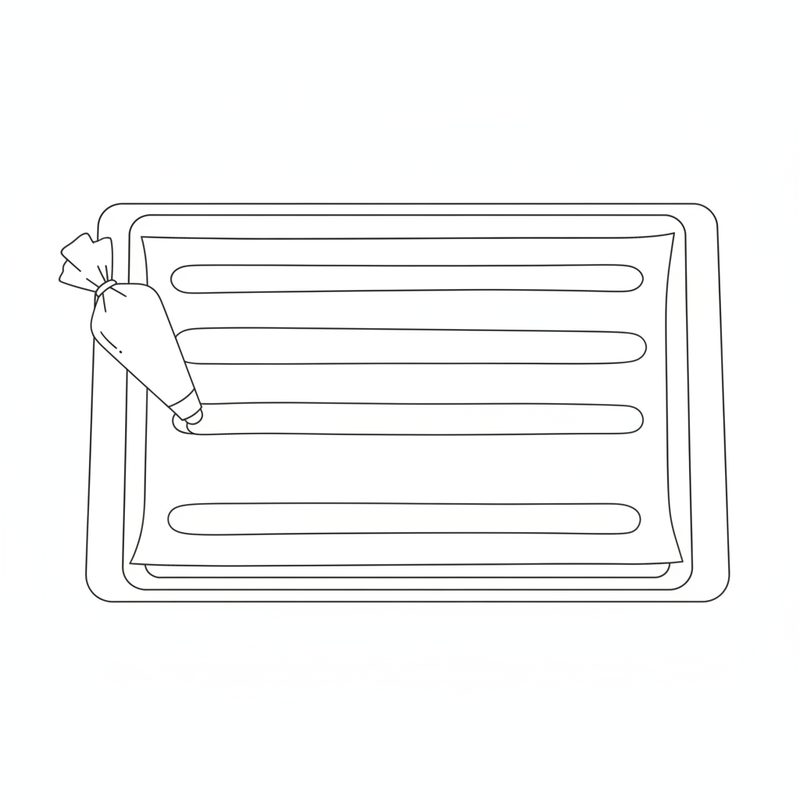
- On a baking tray lined with parchment paper or silicon mat, pipe round, thin strips of batter about 3-inches long per piece. Space them out about 2 inch apart so they have space to spread while baking.
- Bake for 10-12 minutes or until edges start to turn golden.
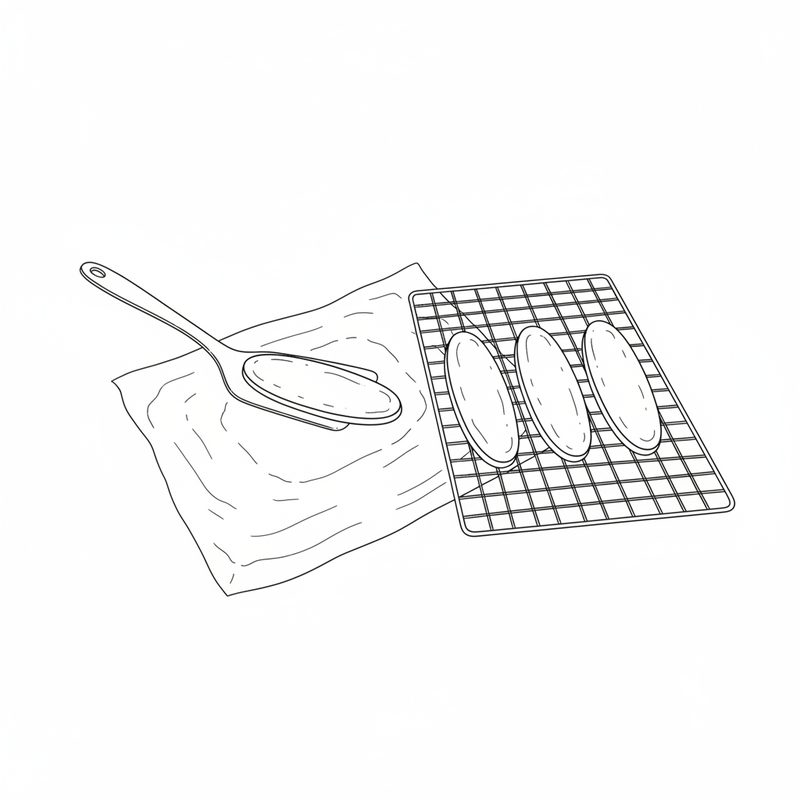
- Remove from the oven and loosen cookies from the trays while still warm. When completely cool, pack them in airtight containers.
Step by step, in pictures
Six moments from the method above, in the order they happen.
 Cream the butter, salt and sugar until light and fluffy.
- Add the egg whites a little at a time, then the vanilla.
- Sift in the cake flour with the mixer on low.
- Spoon the batter into a piping bag.
- Pipe thin strips about 3 inches long, spaced about 2 inches apart.
- Loosen the cookies while still warm, then cool them completely.
Why they are called lengua de gato
Lengua de gato is Spanish for “cat’s tongue”, and the name describes the shape rather than the flavour. The batter is loose enough to pipe, so it goes onto the tray in long narrow strips that spread and set into thin, flat cookies with rounded ends. The same cat’s-tongue name attaches to thin biscuits in other baking traditions — the French langue de chat is the same idea — but the Filipino cookie is built on butter, sugar, egg whites and flour, with no milk and no whole eggs.
What decides how thin and crisp they turn out
The batter is forgiving. Everything that decides the texture happens after it is mixed.
- Pipe thin, and leave room. The strips spread as they bake, so a tray that looks too empty is about right — strips piped close together can run into each other.
- Lift them off while they are still warm. Left to cool on the paper they stick to it, and thin cookies tear rather than lift.
- Let them cool completely before the lid goes on. Any warmth still in the cookies turns to moisture inside a sealed container, and moisture is what takes the crispness back out.
How to store lengua de gato
In an airtight container at room temperature, lengua de gato stay crisp for about a week. That is the figure the recipe sites that publish one agree on, and the limit is texture rather than spoilage — they go soft and stale long before they go bad. Left in the open air they lose their snap, so the container matters more than where you keep it.
Questions about lengua de gato
What is a famous Filipino cookie?
Lengua de gato is one of them, and it is the recipe on this page. Two others worth knowing are otap and polvoron.
Can I make them without a piping bag?
The method here pipes the batter, and a bag with the tip cut off does the job as well as a fitted nozzle. The source recipe does not give a spoon-and-spread alternative, so this page does not invent one.
More Filipino sweets to bake next
For more of the same kind of baking, there is Graham de Leche and Royal Bibingka. For another thin, crisp biscuit, try Otap or Pacencia.