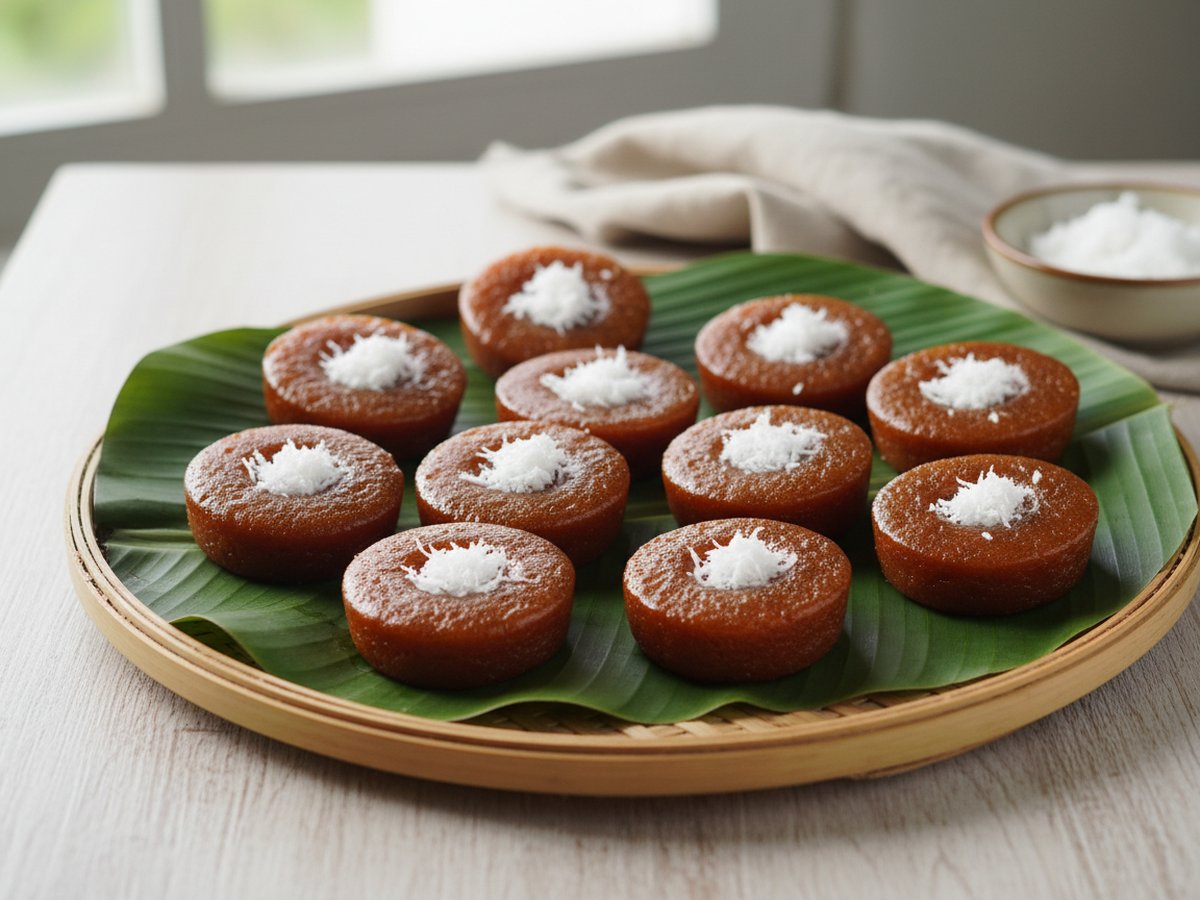
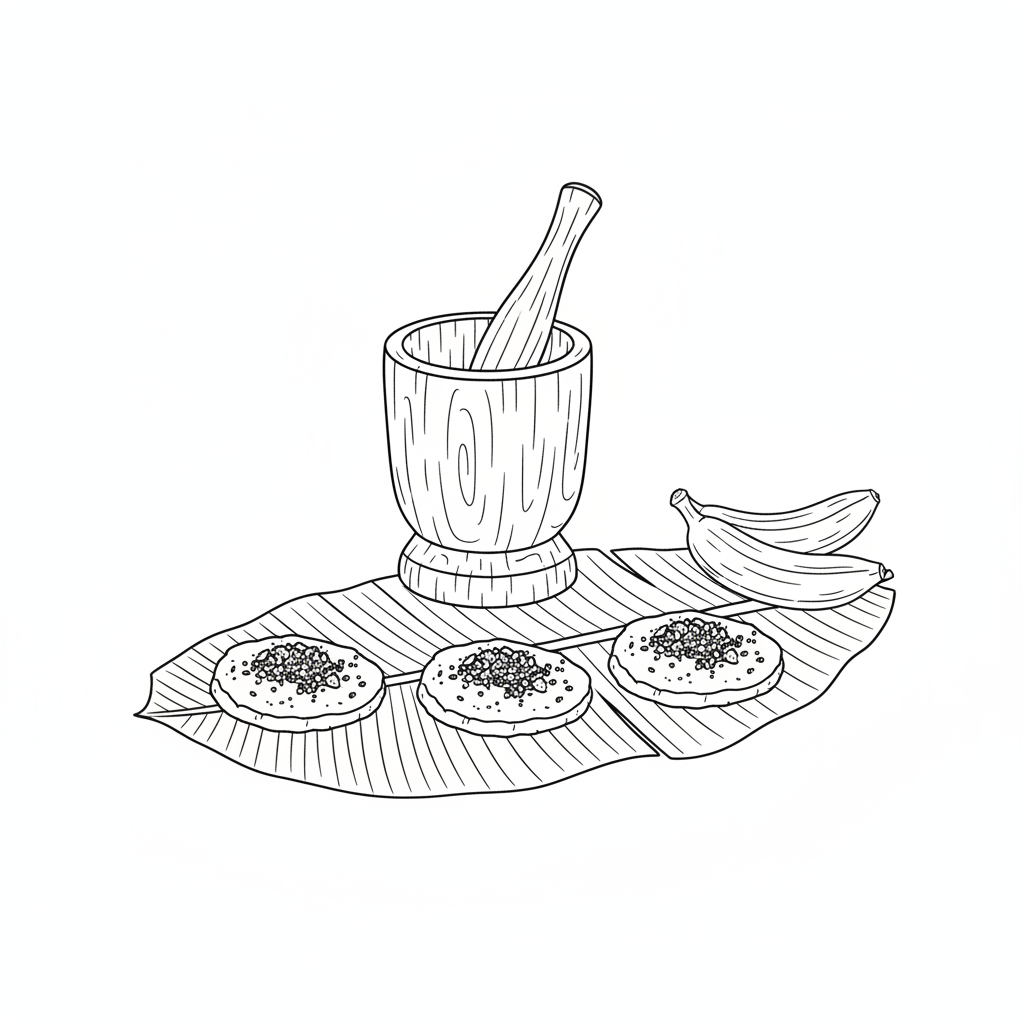
Nilupak na saging is a Filipino merienda made by pounding boiled saba bananas with grated coconut, condensed milk and margarine or butter, sweetened to taste and served on banana leaves under a scattering of young coconut and ground peanuts. It takes six ingredients and no baking, and the whole thing comes together in about twenty minutes once the bananas are soft.
Recipe
Nilupak na Saging
Ingredients
Method
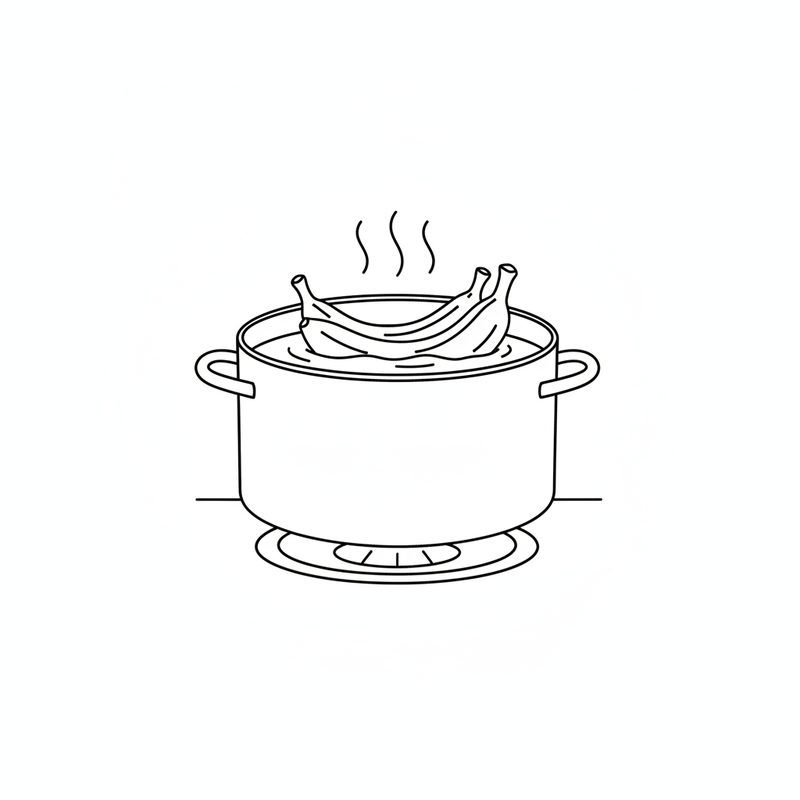
- Boil the unripe bananas until tender.
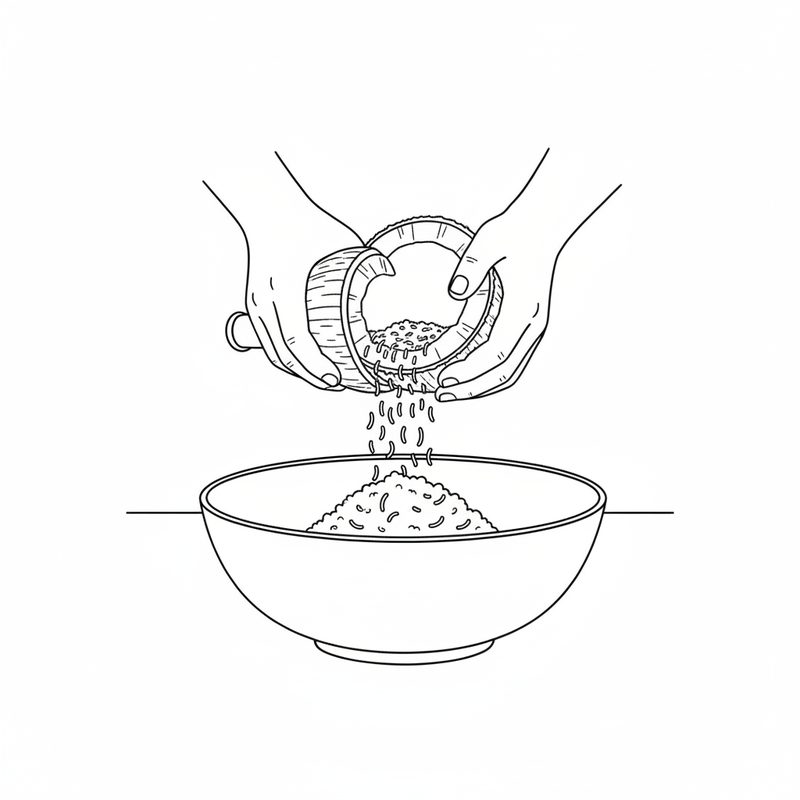
- While boiling, grate young coconut.
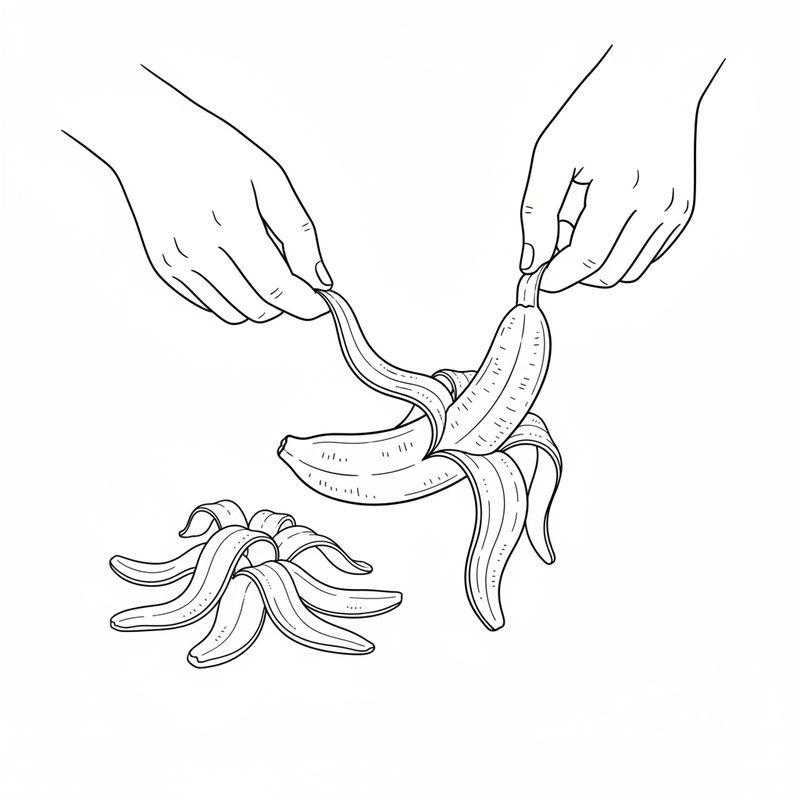
- Check if the unripe bananas are already fork-tender. When soft, peel them one by one.
- Crush roasted peanuts using mortar and pestle.
- Grab the lusong. Add some of the banana peels and then mash them. Use the mashed peels to wipe the lusong.
- Add the boiled bananas in small batches and then pound them aggressively.
- Add some margarine or butter, grated coconut, condensed milk and sugar to taste (I used brown sugar). Mash again until they are well combined. Add the crushed peanuts and then pound until you get a sticky mixture.
- When you achieve the right stickiness, scoop some of the mixture and roll into a ball. Flatten them gently and then transfer to a banana leaf. Do this with the rest of the mixture.
- Brush each of the nilupak na saging with margarine on top. Sprinkle some ground peanuts and grated coconut
Step by step, in pictures
The nine steps in the card, condensed to six.
 Boil the unripe saba until fork-tender.
- Grate young coconut while they boil.
- Peel the boiled bananas one by one.
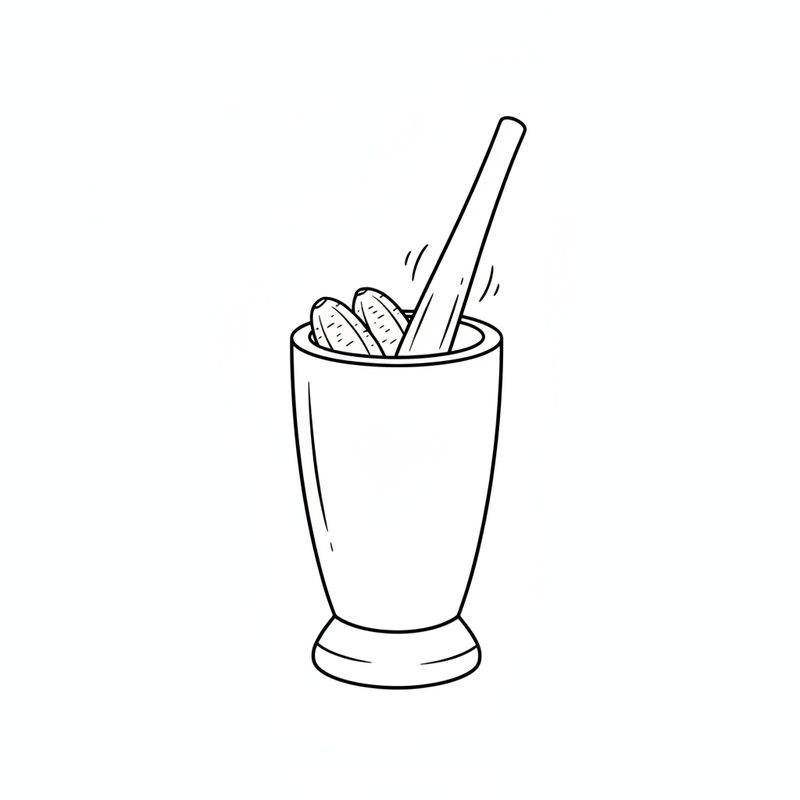
- Crush roasted peanuts in a mortar.
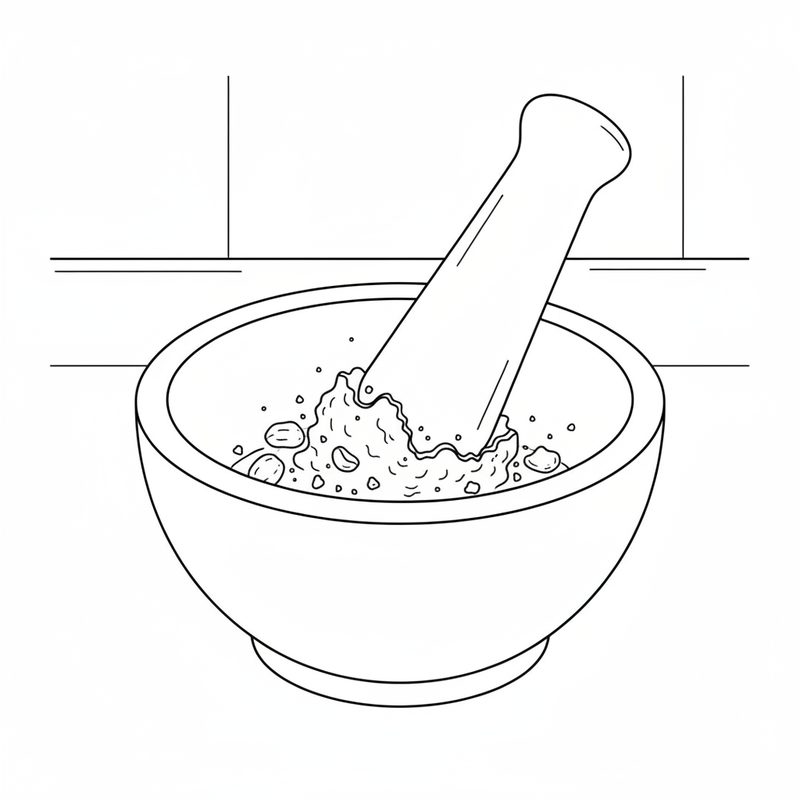
- Pound the bananas in the lusong.
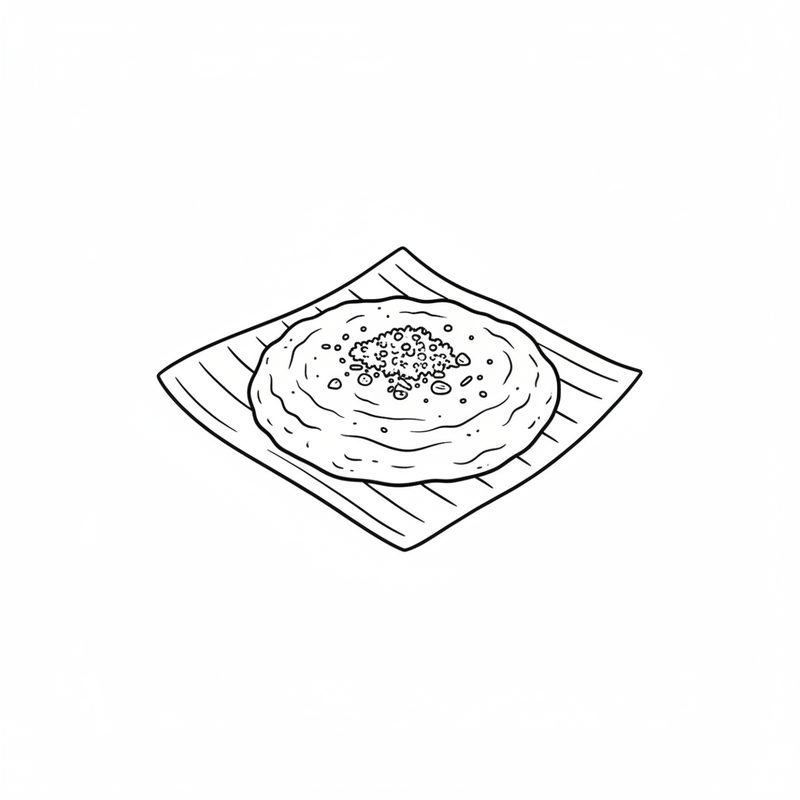
- Flatten on banana leaf, then top.
Ripe or unripe saba: which one this needs
Unripe, still-green saba is what almost every published version of this dish calls for, and it is what the recipe above uses. Of seven recipe sources checked for this page, six specify unripe or green saba; one calls for ripe. The reasons the sources give are consistent: firm, underripe fruit holds its texture through boiling and pounding, and it does not push the mixture into being too sweet once condensed milk and sugar are added.
The one source that disagrees calls for ripe saba, for natural sweetness and a softer texture. That is the trade if you go that way: a looser, sweeter mash rather than the dense, sticky one the pounding is meant to produce.
How long to boil saba bananas
Around 15 to 20 minutes in boiling water, with the skins still on. Published times vary more than you might expect — the sources checked for this page range from 10 minutes to 25 — so treat the clock as a guide and the fork as the test. The bananas are ready when a fork slides in with no resistance, which is the doneness check the recipe above uses too.
Boil them whole and unpeeled. The skins come away easily once the fruit is soft, and peeling them afterwards is far less work than wrestling with a green banana beforehand.
Can you make nilupak na saging without coconut?
Not in any published version of this dish we could find. Every nilupak na saging recipe checked for this page includes grated coconut, either worked into the mixture or scattered over the top, and usually both.
The cassava version is a different story. Two independent sources describe grated coconut as optional in nilupak na kamoteng kahoy, where condensed milk and butter carry the mixture on their own. So coconut-free nilupak exists as a category — it just does not appear to exist for the banana one. If you leave it out here you are improvising rather than following a known version, and you lose both the texture and the topping.
What nilupak means, and where saging fits in
Nilupak is a family of Filipino snacks made by mashing or pounding a starchy food with coconut milk and sugar, with condensed milk and butter as common stand-ins for those two. The name comes from the Tagalog word lupak, to pound — the tool is the dish. Besides saba bananas, the bases most often named are cassava, ube and sweet potato, and cassava is the one sources describe as most commonly used. Nilupak na saging is the banana version, and the lesser known of the pair.
The pounding is what gives the dish its texture as well as its name. Traditionally it is done in a large wooden mortar — the lusong that the recipe above calls for — and the mixture turns dense and sticky rather than smooth.
If cassava is what you have in the house, our cassava cake is a different dish altogether — baked, not pounded — but it is the other Filipino dessert built on that same root.
Why saba bananas, and what they taste like
Saba is a hybrid cooking banana associated with the Philippines, used as an ingredient rather than eaten out of the hand. Cooked, it tastes closer to sweet potato than to a dessert banana — starchy rather than sugary, which is the character the condensed milk and sugar are added against.
Saba is also the banana behind a lot of the Filipino sweets you already know. If you want to cook through the rest of them, try Ube Turon, Minatamis na Saging or our Carioca.