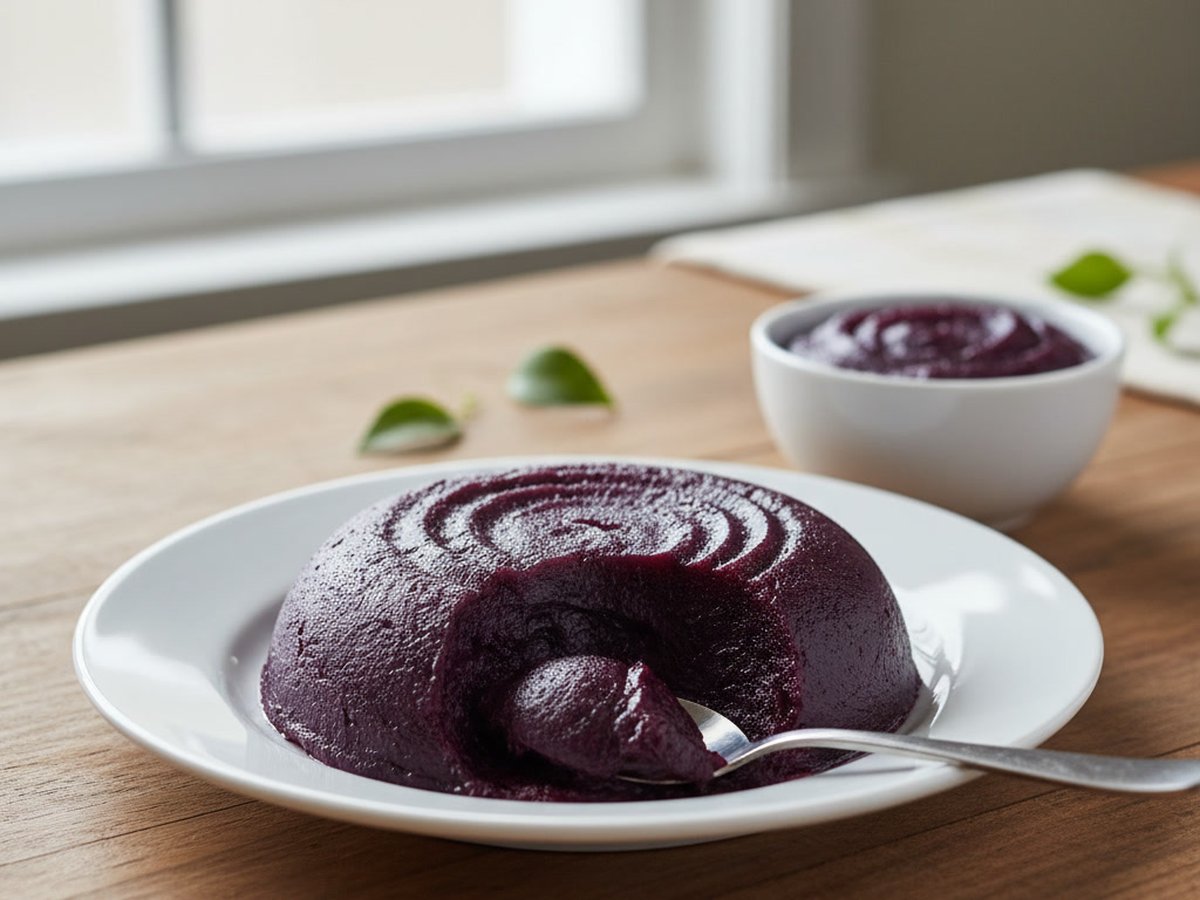
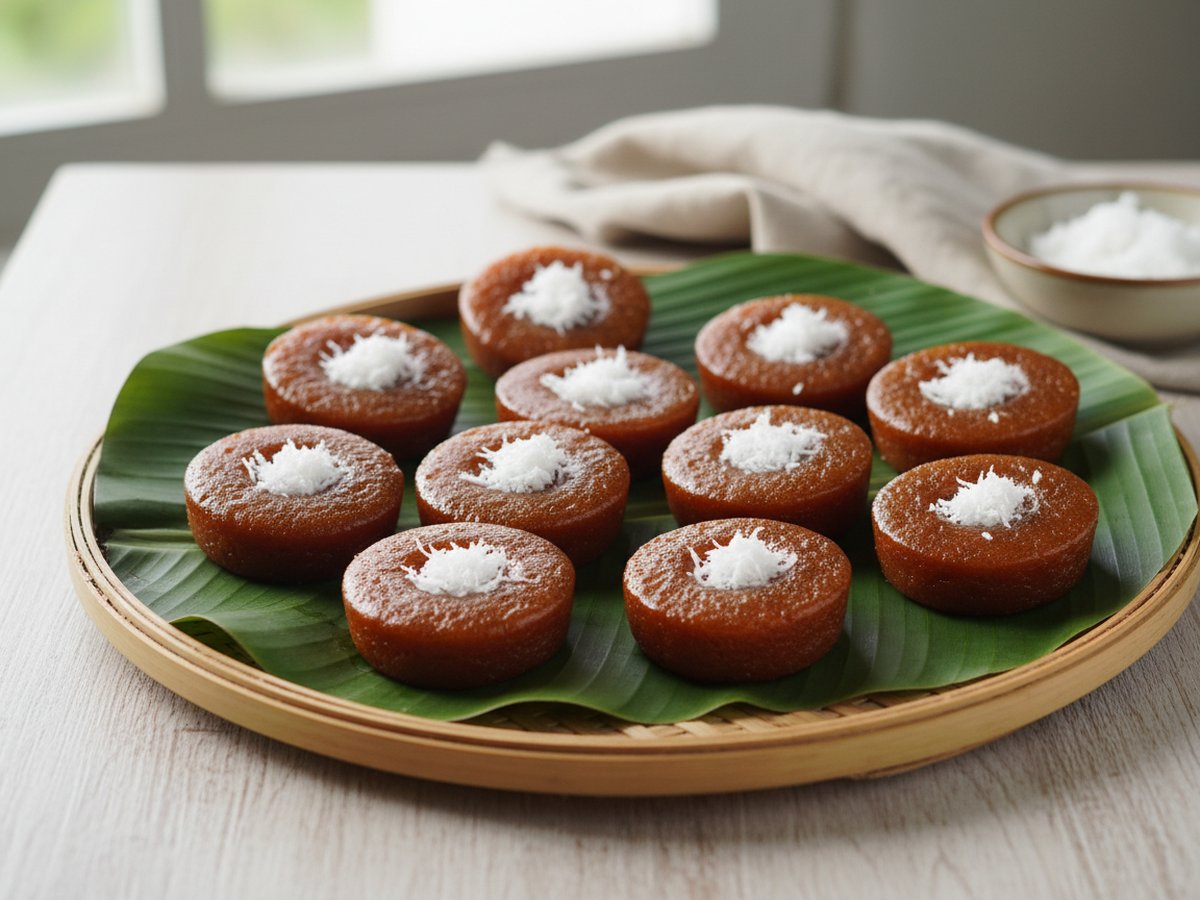
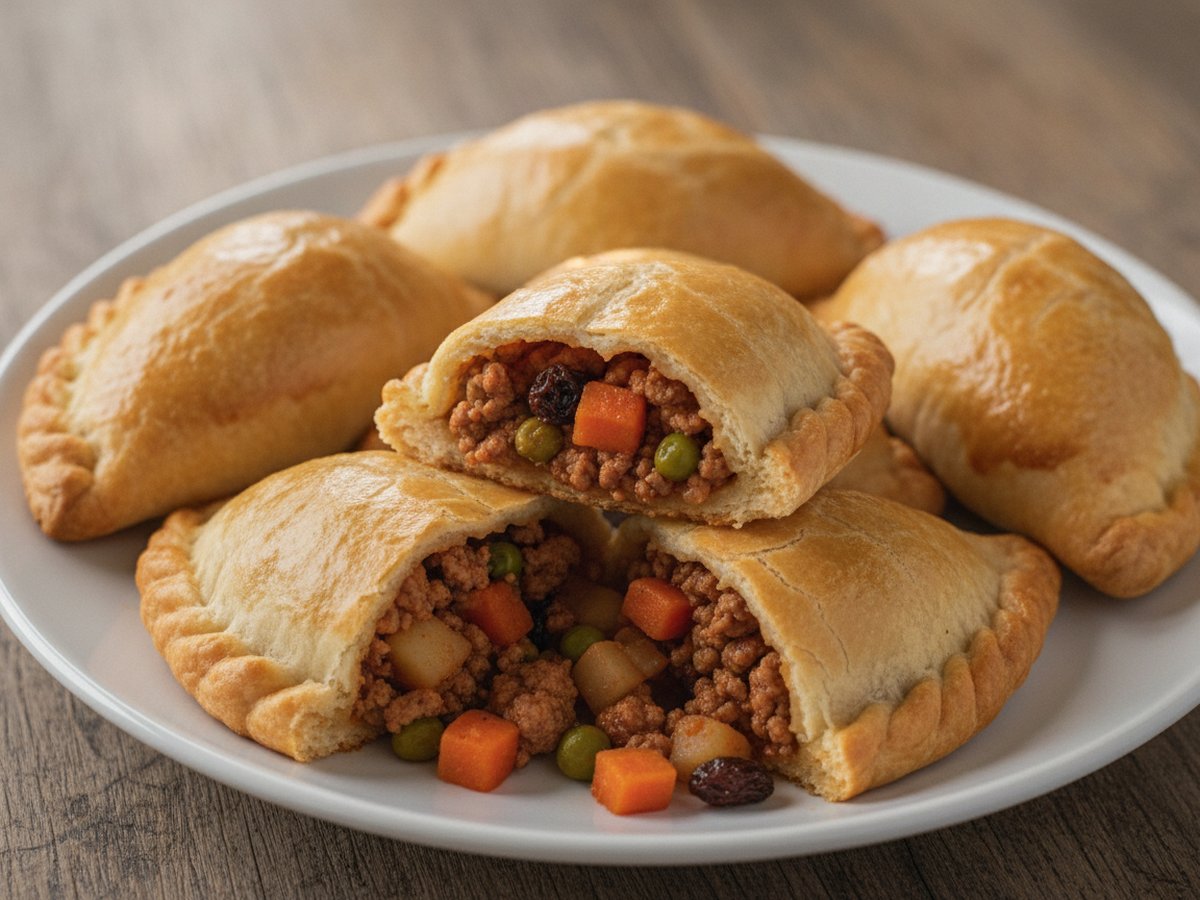
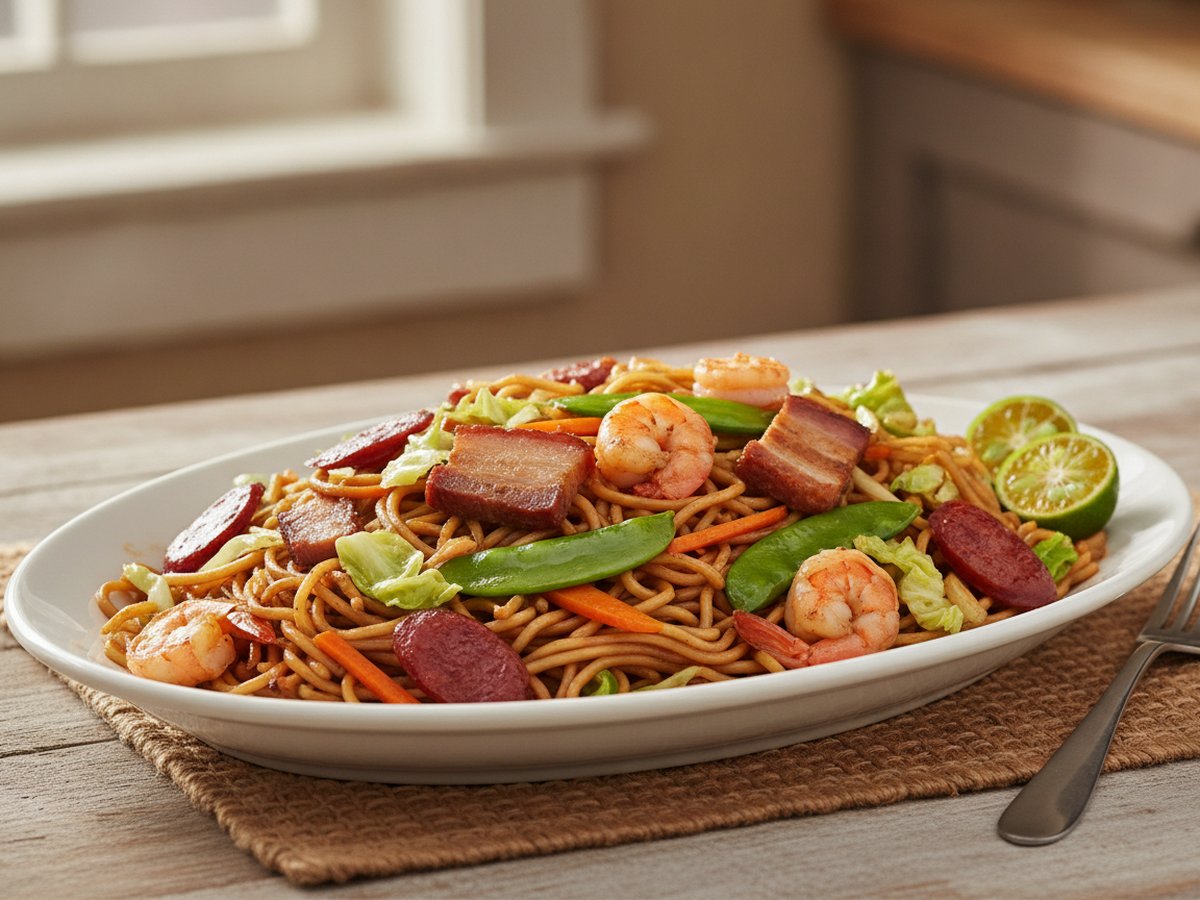
Munggo Bread Recipe – Filipino cuisine has all kinds of bread, from sweet to savory. Among the various types of bread you can enjoy, there is the Munggo Bread. Munggo bread refers to Filipino mung bean bread and it’s just one of the different names for the snack. If you are interested in what mung beans have to offer, you should check out our Ginisang Munggo recipe. When you turn mung beans into a paste, it is a typical filling for certain Filipino pastries and bread. An example of this is hopia, which has several filling options like Ube Hopia.
With munggo bread, it is a soft, fluffy bread with the sweet and creamy flavor of mung bean filling. Each bite of munggo bread offers a delightful balance of flavors, with a hint of sweetness from the filling and a gentle richness from the bread. Whether enjoyed as a breakfast indulgence or a delightful snack, munggo bread is a true delight for the taste buds and a comforting treat for any occasion. If you want to try the recipe for yourself, here is one Munggo Bread Recipe to try:
Other Notes for the Recipe
There are many great things about this bread dish. For one thing, it can be enjoyed for breakfast or as a satisfying midday snack. Pair it with a cup of coffee, tea, or your preferred cold beverage for a truly enjoyable experience. When it comes to storing this delicious bread, it is recommended to keep it at room temperature for approximately one to two days to maintain its freshness. However, if you want to extend its shelf life, freezing is the way to go. Simply wrap the loaf tightly in aluminum foil, place it in a resealable freezer bag, and store it in the freezer for up to three months. This way, you can always have a delicious slice of Pan de Monggo ready whenever you crave it.
If you want to explore other Filipino bread recipes, you should check out “Ensaymada” or “Pastel with Yema.” You can also check out other Filipino pastries with “Buko Pie.” Aside from this, you can try another delicious dessert featuring munggo, which is “Ginataang Munggo.” Or you can go for the sweeter alternative which is “Ginataang Mais.”