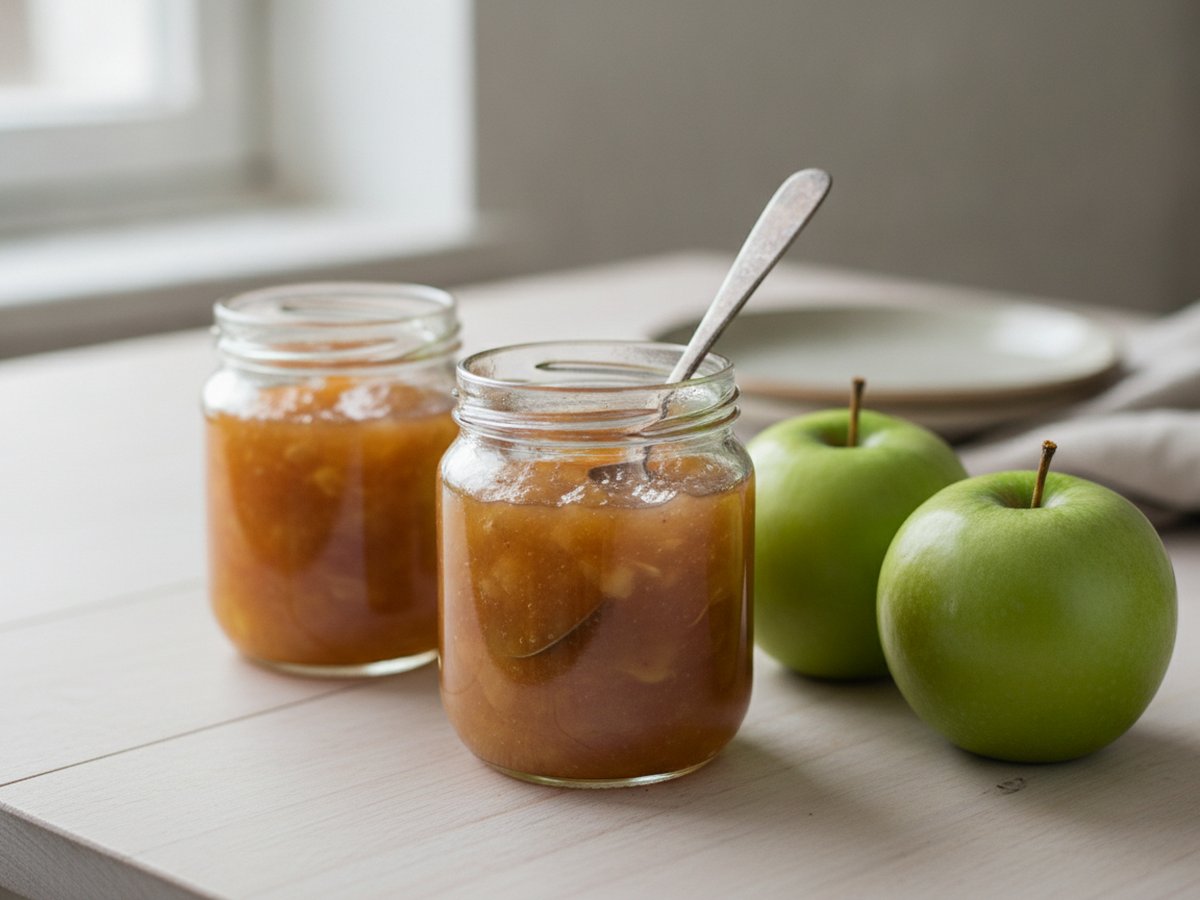
To make apple jam, cook 1 kg of peeled, chopped tart apples with 1 1/2 cups of sugar, lemon juice and cinnamon until the mixture sets on a cold plate. If you have apples, tart apples or a mix of any apples, you can make this easy apple jam. This small-batch apple jam recipe needs no added pectin and is ready in about 50 minutes.
Last updated
Recipe
Apple Jam
Ingredients
Method
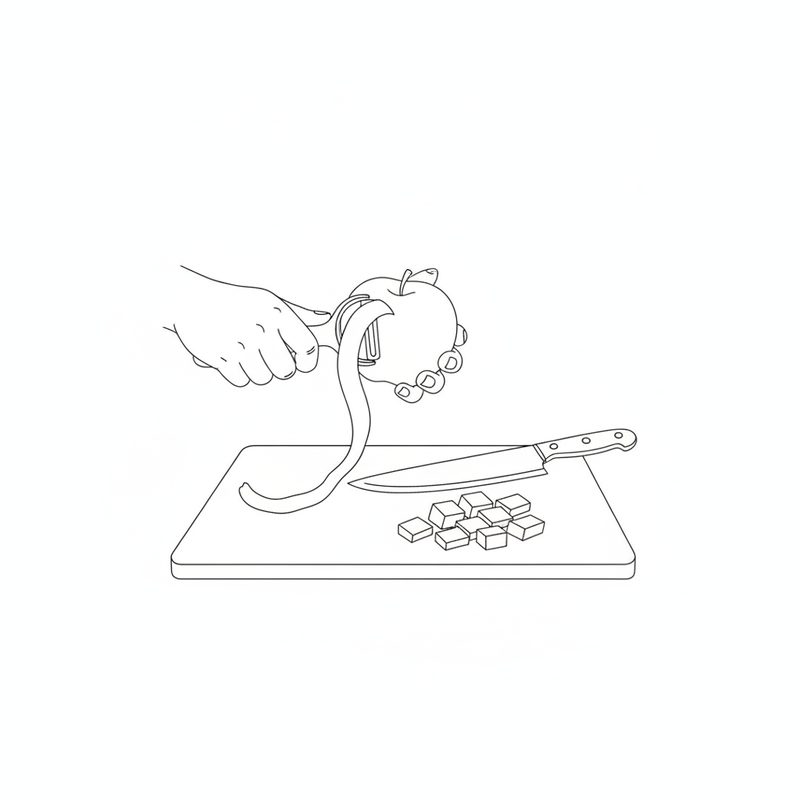
- Peel and core the apples and cut away any bruised or dark spots. Chop them small for a chunky jam, or roughly for a smooth one. Put two small plates in the freezer for the set test.
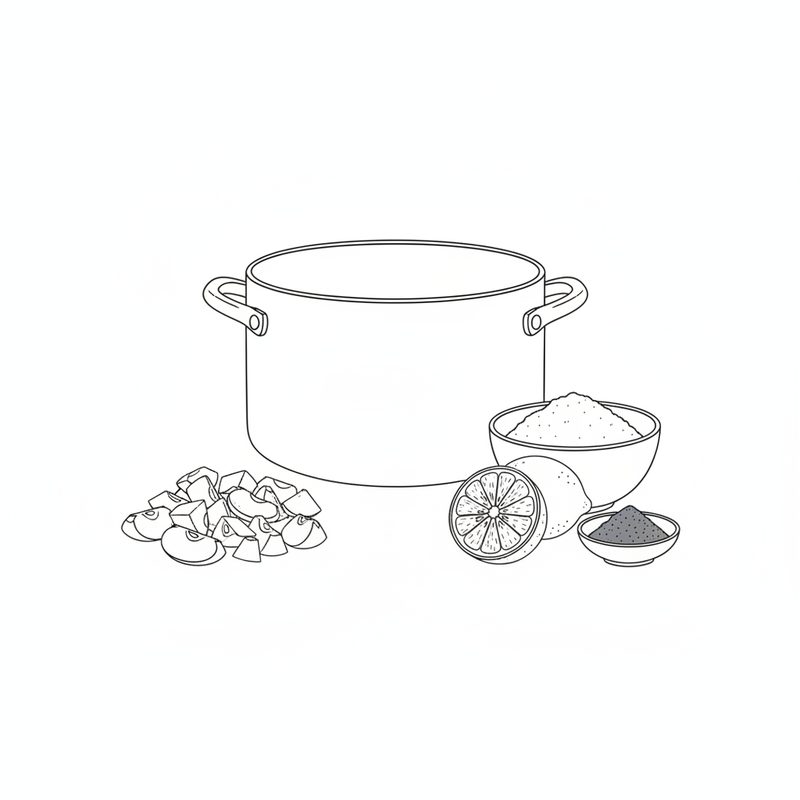
- Put the apples, sugar, lemon juice and cinnamon in a large, heavy-bottomed pot. Bring to a boil over medium-high heat, stirring until the sugar dissolves.
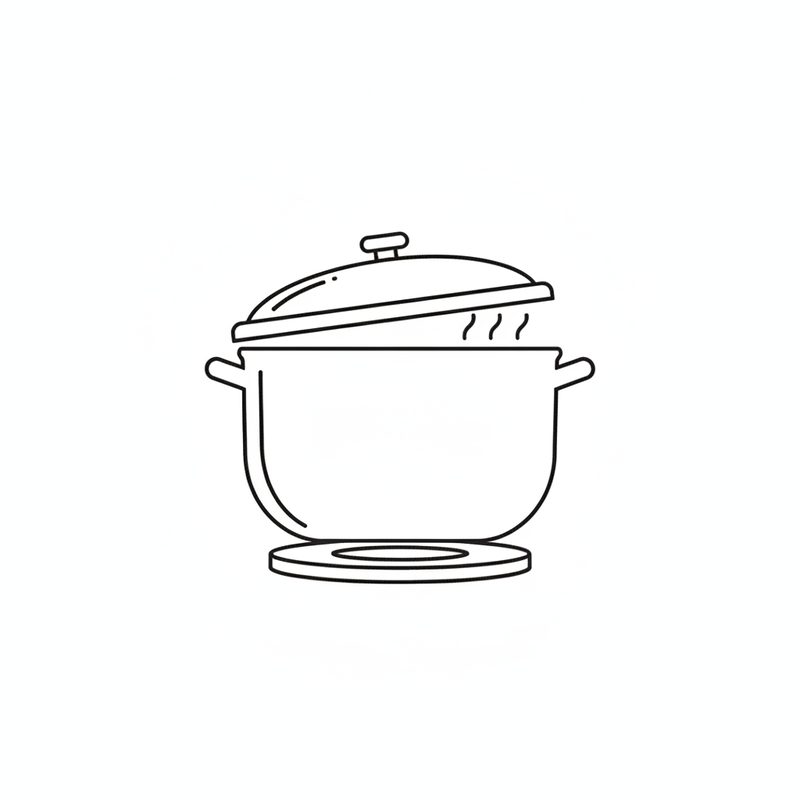
- Cover the pot, lower the heat and let the apples simmer in their own steam for about 15 minutes, until the pieces turn translucent.
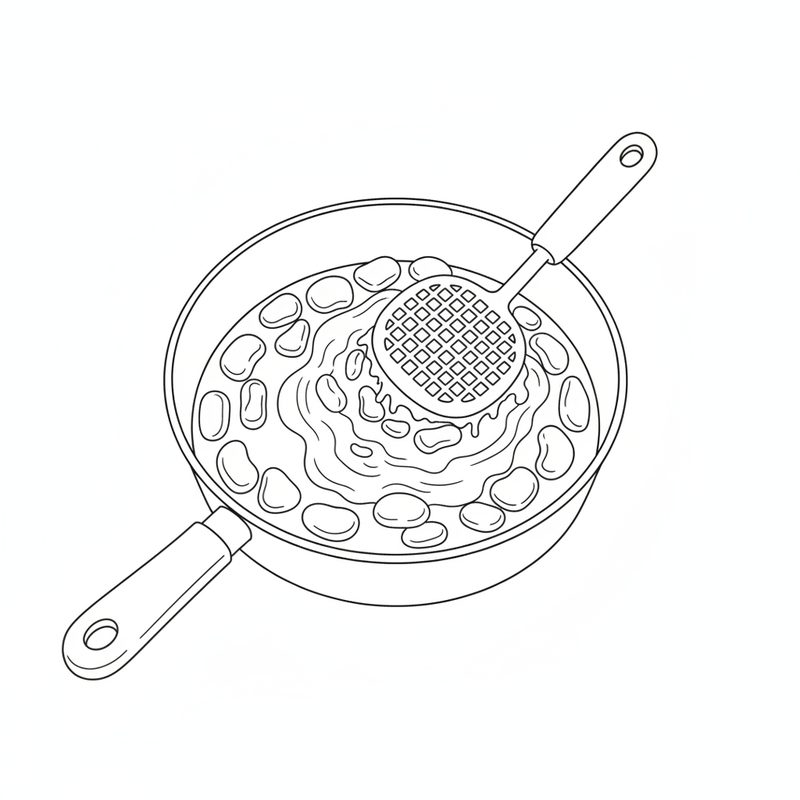
- Mash with a potato masher for a chunky jam, or blend with an immersion blender for a smooth jam.
- Cook uncovered over low heat for about 20 minutes, stirring often and scraping the bottom so the jam does not stick or boil too hard.
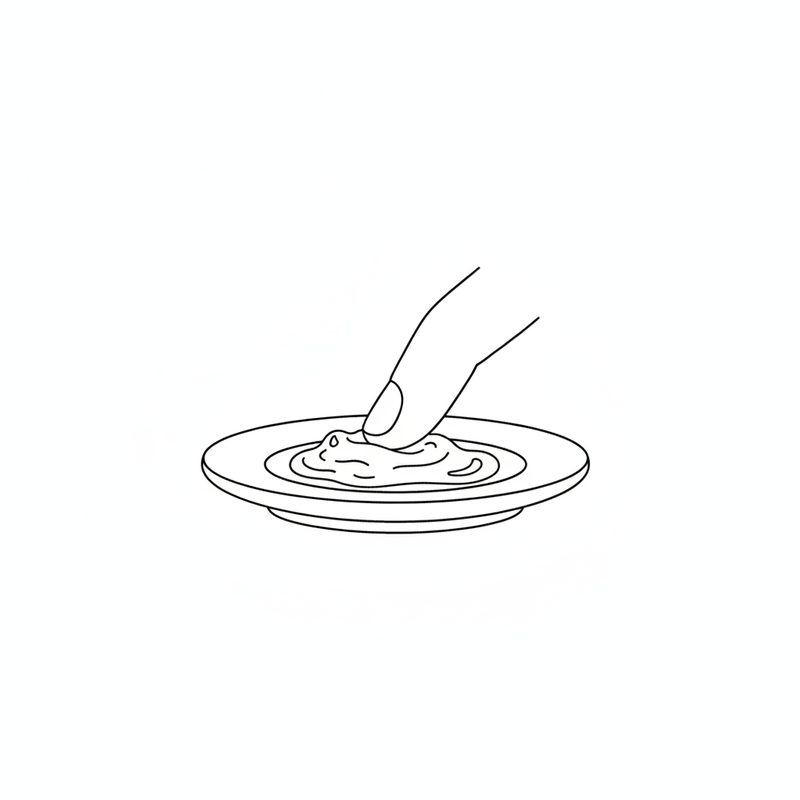
- Test the set: put a teaspoon of hot jam on a cold plate, wait 30 seconds and push it with your finger. If it holds its shape and does not spread, it is ready. If it runs, cook a few minutes more and test again.
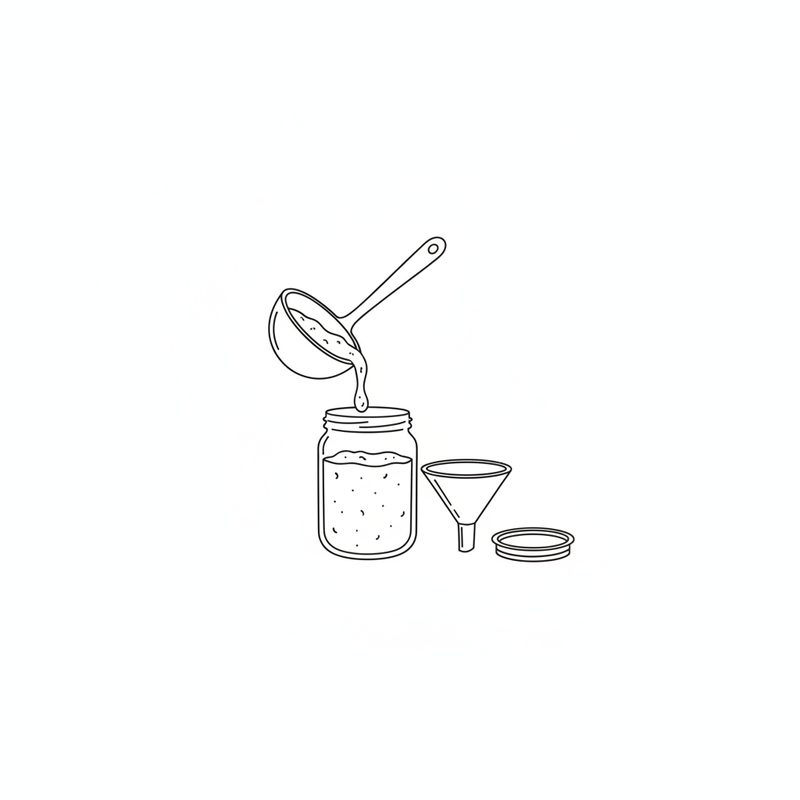
- Ladle the hot jam into clean jars, leaving 1/4 inch of headspace. Let it cool, cover, and keep it in the fridge or freezer.
Step by step, in pictures
The whole method in six pictures, from peeling the apples to filling the jars.
 Peel, core and chop
- Everything into one pot
- Cover and simmer
- Mash or blend
- Test on a cold plate
- Fill the jars
What is apple jam?
Apple jam is chopped apples cooked with sugar and an acid, usually lemon juice, until the mixture thickens and sets into a spreadable preserve. Tart apples carry enough natural pectin to set without added pectin. Mashed, the jam keeps soft pieces of fruit; blended, it turns smooth and glossy.
This homemade apple jam recipe is a small batch: one kilo of apples, one pot, and about 50 minutes from peeling to jars. Cinnamon gives it a warm, apple pie flavor, and the lemon keeps it sharp, so it tastes sweet and sour rather than just sweet.
Which apples work best for apple jam?
Tart, firm apples such as Granny Smith work best for apple jam, because sour apples carry enough natural pectin and acid to set with sugar alone. The National Center for Home Food Preservation (NCHFP) puts sour apples in its group of fruits that gel on their own, and ripe, sweeter apples in the group that usually needs help.
Very sour apples on their own make a sharp jam. A blend with a sweeter apple such as Pink Lady gives a rounder flavor and still sets. Pick apples that are just ripe: NCHFP notes that pectin from over-ripe fruit will not form a gel, so soft, floury apples make a runny jam. Cut away any bruised or dark spots before you chop.
Do you need pectin to make apple jam?
No. Apple jam made with tart apples sets without added pectin. Apples are one of the classic high-pectin fruits, which is why this recipe has just four ingredients: apples, sugar, lemon juice and cinnamon.
Lemon juice is there for two reasons. NCHFP explains that acid is needed both for the gel to form and for flavor, so the lemon helps the jam set as well as keeping it bright. Pectin itself is a natural part of the fruit, released as the apples cook down, not something the lemon adds.
How much sugar goes in apple jam?
This recipe uses 1 1/2 cups (300 g) of sugar for 1 kg of apples, which gives a moderately sweet jam. For a tarter jam the original version of this recipe suggests 1 cup per kilo, and for a sweeter one up to 2 cups.
Sugar is not only for taste. NCHFP describes sugar as a preservative that also helps the jam gel, so cutting it makes a softer set and a jam that keeps for a shorter time in the fridge. A truly sugar-free apple jam needs a pectin made for low- or no-sugar recipes; it is a different recipe, not this one with the sugar left out. If you like it sweeter at the end, a little honey or agave can be stirred in to taste.
How do you know when apple jam is set?
Use the cold plate test: drop a teaspoon of hot jam onto a chilled plate, wait 30 seconds, then push it with your finger. If the drop holds its shape and does not spread, the jam is ready. If it runs, keep cooking for a few minutes and test again. A little water separating around the drop is normal.
- Chill two small plates before you start cooking, so a cold one is ready for each test.
- Take the pot off the heat while you test, so the jam does not overcook.
- Read the drop after 30 seconds, not straight away.
A thermometer is the other check. NCHFP gives the gel point as 220°F (104°C) at sea level, or 8°F above the boiling point of water where you live, since water boils at a lower temperature at altitude. Apple jam also thickens as it cools, so a jam that looks loose in the pot can firm up in the jars.
Chunky or smooth apple jam?
Both come from the same pot; the only difference is what you do after the first simmer. For a chunky, pulpy jam, mash the soft apples with a potato masher and leave some pieces whole. For a smooth jam, blend in the pot with an immersion blender. If you use a countertop blender instead, let the jam cool slightly, fill the jug only partway and hold the lid down with a folded towel, because hot jam can push the lid off.
Chop size matters too. For a chunky jam, cut the apples into small, even dice so they soften at the same rate. For a smooth jam the size matters less.
Apple jam ingredients and swaps
Apples. Firm and tart, peeled and cored; a mix of tart and sweeter apples gives a rounder taste. While you peel, drop the cut pieces into a bowl of water with a squeeze of lemon so they do not turn brown, then drain well.
Sugar. Plain white granulated sugar gives the clearest colour and lets the apple flavor lead.
Lemon juice. Fresh lemon juice, for acid and set. If you like a sharper, sweet-and-sour jam, add a little more at the end to taste.
Cinnamon. Ground cinnamon goes in at the start with everything else, so the colour and flavor stay even through the batch. A cinnamon stick works instead of ground cinnamon; lift it out before you fill the jars.
Other spices. They are optional. I like to add a little ginger. Cloves, cardamom and nutmeg also suit apple, and cinnamon with nutmeg and cloves turns it into a spiced, apple pie style jam. Add a small amount, taste, then add more.
How long does homemade apple jam keep?
Keep this apple jam in the fridge or the freezer, not in the cupboard. For refrigerator and freezer jams, NCHFP says they usually keep up to 3 weeks in the refrigerator and up to a year in the freezer. Jams made with less sugar keep for a shorter time.
Ladle the hot jam into clean jars, leaving 1/4 inch of space at the top, let them cool, put the lids on and store the jars in the fridge or freezer. Freezing is a good way to keep part of a batch for later: Clemson Cooperative Extension notes that no unique safety issues are associated with freezing old-time recipes that have not been tested for canning. Use a clean spoon each time you take some out.
Can you can this apple jam?
Not this version. This is a refrigerator or freezer jam. NCHFP advises using only tested recipes for boiling water bath canning, because untested methods can raise the risk of foodborne illness, including botulism. If you want jars that keep on the shelf, follow a tested apple jam or apple butter recipe from NCHFP or the USDA Complete Guide to Home Canning, with its own processing time and headspace.
Why is my apple jam runny, or sticking to the pot?
Runny jam has usually not cooked long enough. Put it back in the pot, bring it back to a boil and keep cooking, testing on a cold plate every few minutes. Over-ripe or very sweet apples also set more softly, so the next batch may need tarter fruit.
Jam that catches on the bottom of the pot needs lower heat and more stirring. Use a wide, heavy-bottomed pot, keep it on low after the first simmer, and scrape the bottom as you stir. If the jam set too firm, warm it gently with a spoonful of water and stir until it loosens.
How to serve apple jam
Spread it on toast with butter, stir it into yogurt or porridge, or spoon it over pancakes. It is good with a sharp cheese, and as a filling for a soft roll or a buttered Danish tebirkes. For another sweet-and-sour condiment from the same kitchen, try imli chutney, and if you have apples left over, they go into a fruit chaat.
Apple jam FAQ
Can I make apple jam without sugar?
Not with this recipe. Sugar helps the jam set and keep, so a sugar-free apple jam needs a pectin made for no-sugar recipes and its own tested method.
Can I use red or sweet apples?
Yes, mixed with tart apples. Sweet, ripe apples have less pectin and acid, so on their own they set softly. Mix them with tart green apples and keep the lemon juice.
Can I freeze apple jam?
Yes. Leave space at the top of the jar or container for it to expand, and thaw it in the fridge. NCHFP gives up to a year in the freezer for freezer jams.
What is the difference between apple jam and apple butter?
Apple jam keeps pieces of fruit or a soft, spoonable texture and sets with sugar and pectin. Apple butter is usually cooked down much longer into a thick, smooth, darker spread.