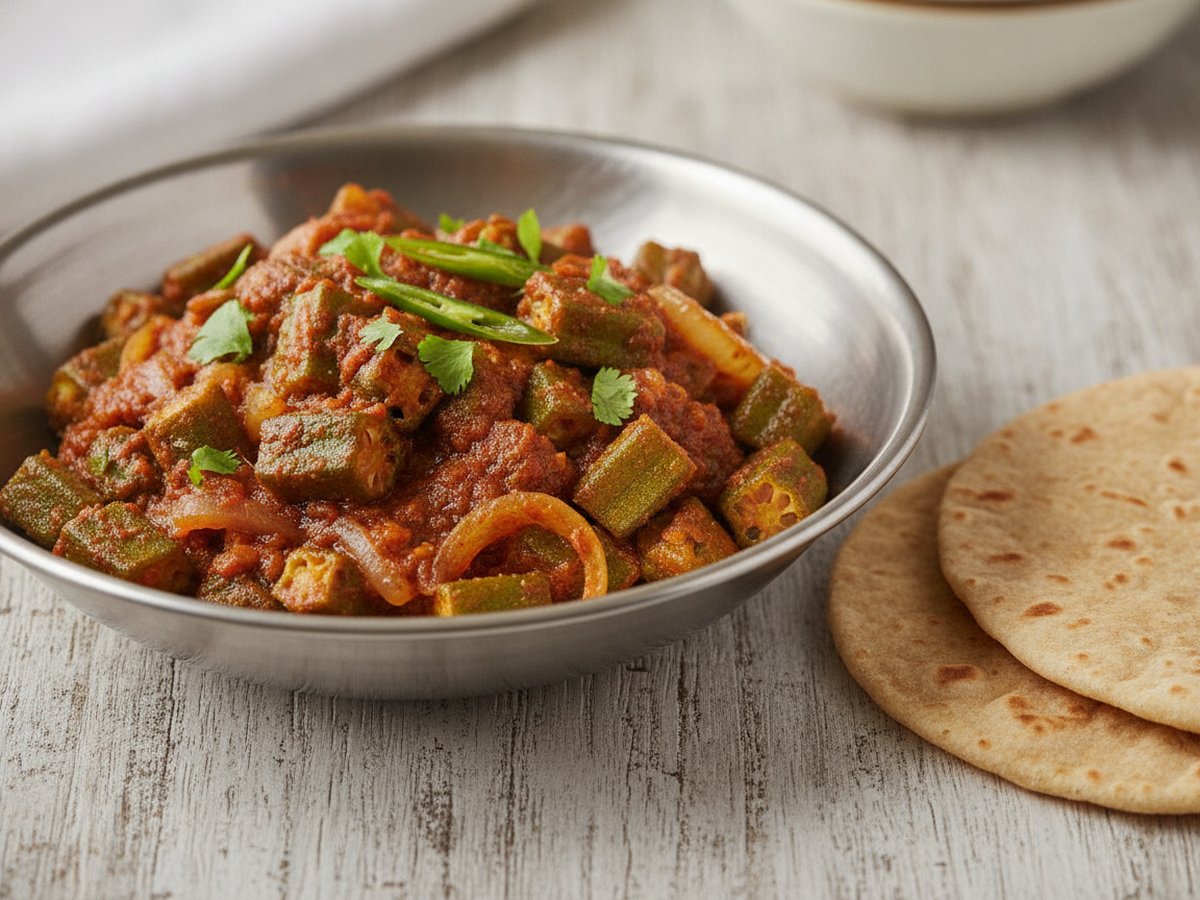
Bhindi masala is okra cut into short pieces, fried on its own until it stops being sticky, then folded into an onion and tomato masala that has been cooked until the oil comes back out. Bhindi masaledar is the same dish: masaledar just means well spiced.
One thing decides whether it works. The okra has to go into the pan dry and come out of its first fry partly cooked, with coloured edges, before it ever meets the masala. Get that right and the rest is an ordinary onion-tomato base.
Last updated
Recipe
Bhindi Masala (Pakistani Spiced Okra)
Ingredients
Method
- Rinse the okra under running water, then wipe every pod completely dry with a clean cloth. Leave it on the cloth for a while if there is any moisture left.
- Trim off both ends and cut the okra into 2 to 2.5 cm (¾ to 1 inch) pieces.
- Heat 1½ tbsp oil in a wide pan over medium heat. Fry the okra, stirring often, for 5 to 7 minutes until the edges colour and it is no longer stringy but still holds its shape. Lift it onto a plate.
- Add the remaining 1½ tbsp oil to the same pan with the cumin seeds. When they splutter, add the onion and green chilli and cook until golden. Stir in the ginger-garlic paste and cook for about 2 minutes, until it no longer smells raw.
- Add the tomatoes with the salt and cook until soft and mushy. Stir in the turmeric, red chilli powder, coriander powder and garam masala and cook until the masala thickens and leaves the sides of the pan. Add the water and cook it down until thick again.
- Stir in the kasuri methi, if using, and fold in the okra gently. Cook on low for 5 to 7 minutes until tender, covering only briefly and uncovering to cook off any moisture. Taste for salt, sprinkle over the amchur, if using, and the coriander leaves. Serve with roti, paratha or rice.
What bhindi masala is
Bhindi masala is a dry okra curry: the okra is coated in masala rather than sitting in gravy. Bhindi is the Urdu and Hindi word for okra, which is also sold as ladies’ finger or lady finger.
The base is the same in every version compared here: cumin seeds in oil, onion, ginger and garlic, tomatoes, then turmeric, red chilli, coriander and garam masala. What changes from cook to cook is the amount of oil, whether there is a sour finish such as amchur (dried mango powder), and how rich the masala is made.
Is bhindi masala Pakistani or Indian?
Both. Okra cooked in an onion and tomato masala is everyday food in Pakistani and North Indian kitchens alike, and the method does not change in any way that matters from one side of the border to the other. None of the recipes compared for this page claims to know where it started, so this page does not either.
What does change is style. A home pot is light on oil and done in about half an hour. The dhaba, or roadside restaurant, version is richer, and it is covered further down.
How to keep bhindi from going slimy
Dry the okra completely before you cut it. Every source compared here says the same thing first: rinse, then wipe or pat each pod dry, because water on a cut pod is what turns the inside to strings. If you have time, leave the rinsed okra on a towel for a while before cutting.
Buy young, tender pods. Two of the sources make the same point: fresh okra cooks quickly and loses its stickiness fast, while okra that has sat in the fridge for days takes much longer to get there.
Fry it before it meets anything wet. The okra cooks alone in a little oil first, and the tomatoes and water only arrive after it has stopped roping.
The step most people get wrong
The first fry. People either crowd the pan, so the okra steams in its own moisture, or they stop too early because it looks green and cooked.
Use a wide pan over medium heat, keep the pieces close to a single layer and stir often. The sources put this stage at 5 to 7 minutes. It is right when the edges have taken on some colour, the pieces have shrunk slightly and the strings you see when you lift a piece on the spatula have gone. It should still hold its shape. It finishes cooking in the masala.
Bhindi masala, step by step
 Rinse, then dry every pod completely.
- Trim both ends and cut 2 to 2.5 cm pieces.
- Fry the okra until the edges colour, then lift it out.
- Onion to golden, then the ginger-garlic paste.
- Tomatoes and spices down to a thick masala.
- Okra back in, finish with garam masala and coriander.
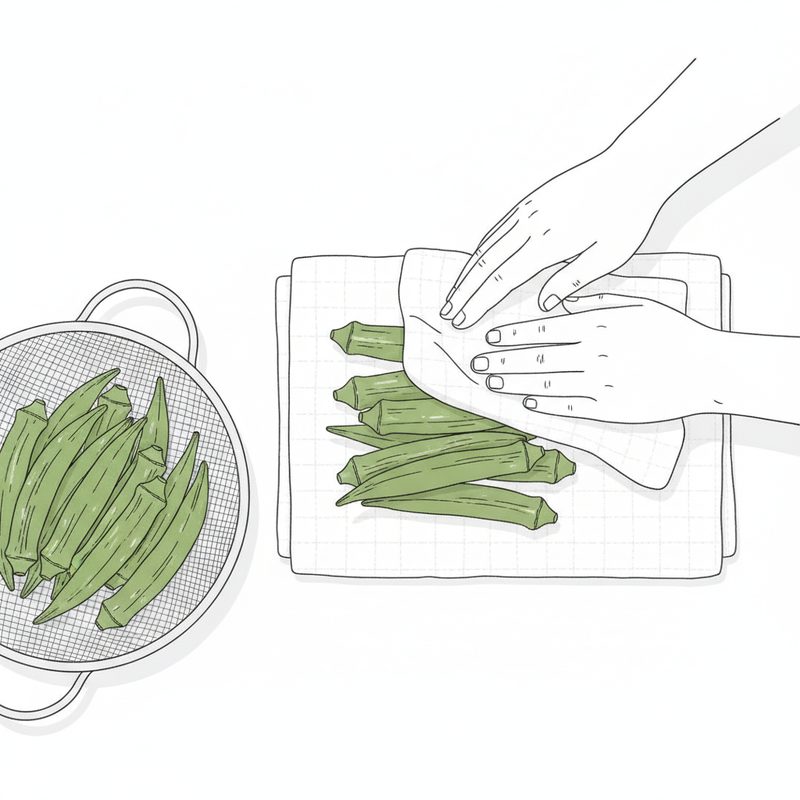
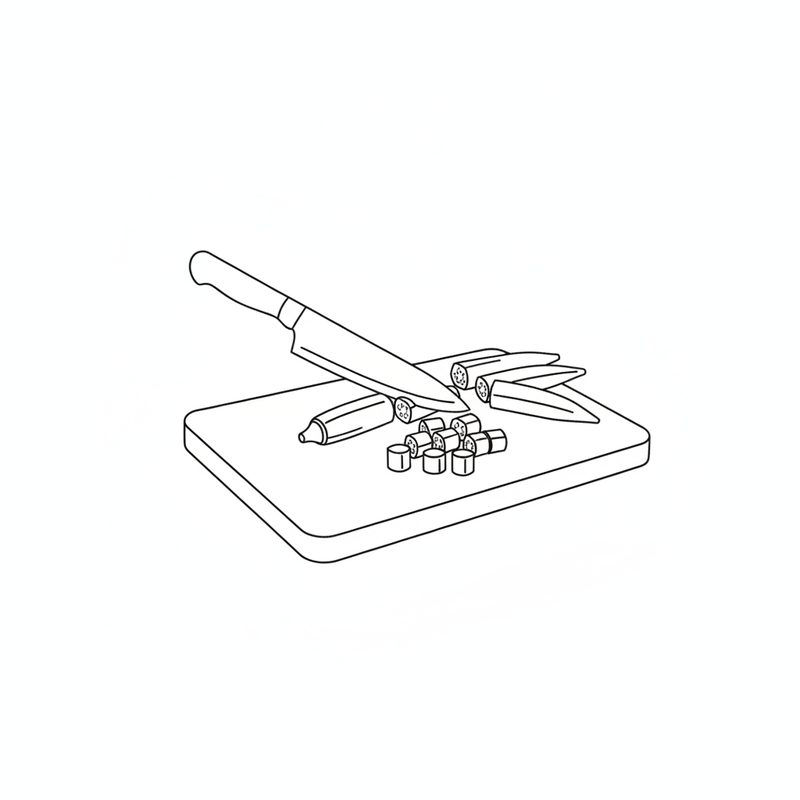
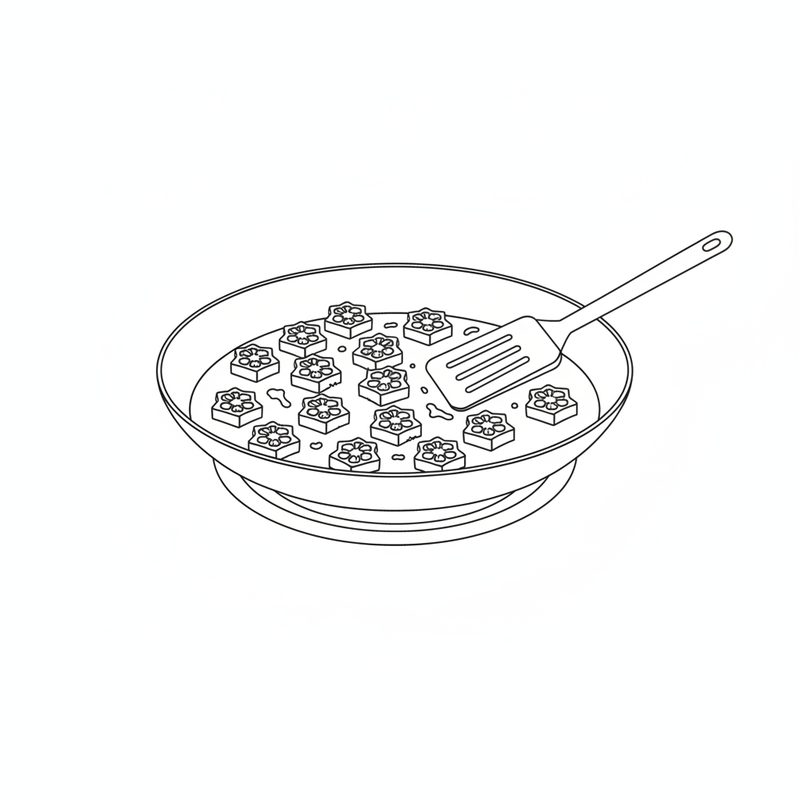
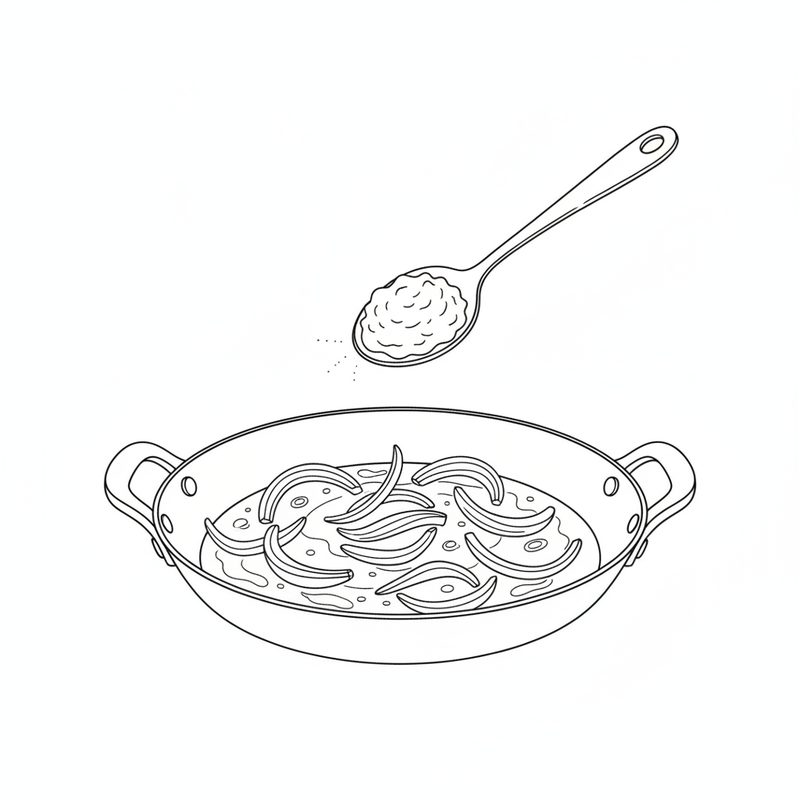
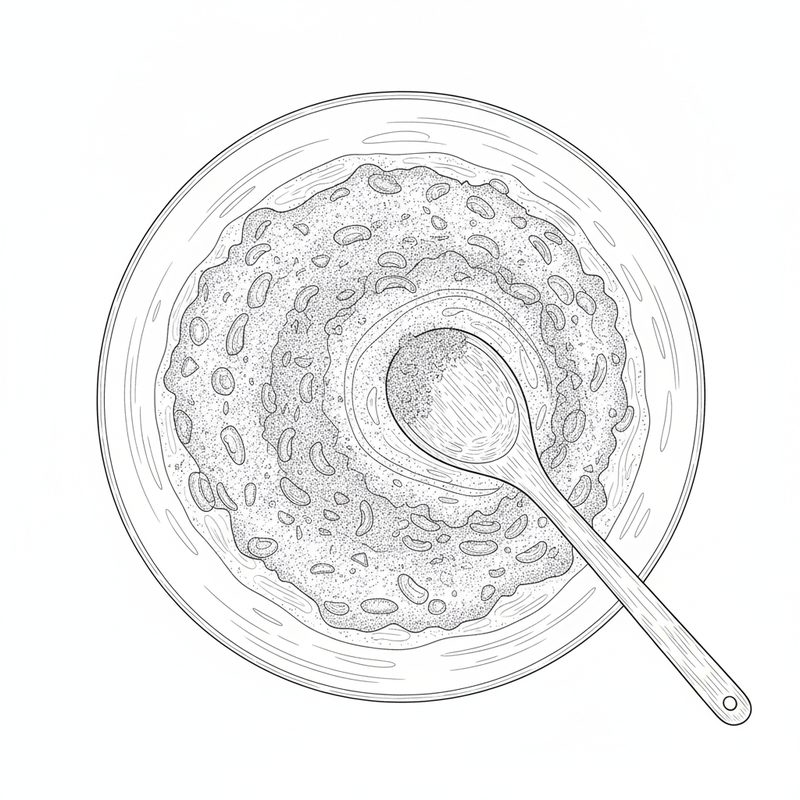
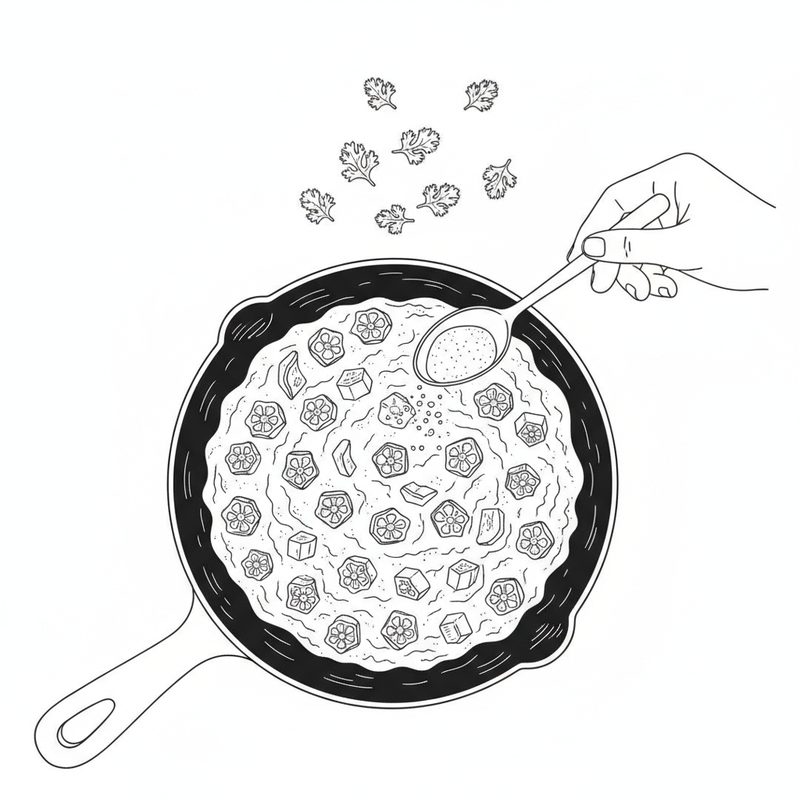
The masala is ready for the okra when it has thickened, turned a deeper red and the oil shows at the edges and the mixture pulls away from the pan as you stir. If it is still loose and watery, keep cooking: wet masala is the second way to make okra slimy.
Home style and dhaba style
The card is home style. It follows the method that Indian Healthy Recipes, Cook with Manali and Cook with Kushi share: about 3 tablespoons of oil, one onion and two tomatoes for 500 g of okra.
Two quantities are a choice rather than a consensus, so here is which source each one follows. The onion is one medium onion, as Cook with Manali uses; Indian Healthy Recipes uses two. The ginger-garlic is ¾ tablespoon of paste, as Indian Healthy Recipes uses; Cook with Kushi uses a tablespoon each of chopped ginger and garlic, and Cook with Manali uses ginger only.
Dhaba style is a different weight of dish. My Food Story’s dhaba version shallow-fries the same 500 g of okra in 4 tablespoons of oil, cooks a puree of four tomatoes with 4 teaspoons of coriander powder and Kashmiri chilli, and enriches the masala with cashew paste. Expect a glossier, heavier dish. Take that route when bhindi is the main event, not a side.
The shorter route, and what it costs
Skip the masala and make bhindi fry. Tea for Turmeric’s bhindi fry cooks the okra with seeds and ground spices over medium-high heat for about 12 minutes, uncovered, and finishes with amchur. It is quicker and crisper. What you lose is the onion and tomato coating, which is what makes this masaledar rather than a stir-fry.
A pressure cooker is the other shortcut. Piping Pot Curry’s Instant Pot version puts everything in at once with 3 tablespoons of water. It is the least work, and it gives up the separate first fry, so the okra is softer and the edges never brown.
Why the card has no serving count
Because the sources do not agree. Scaled to the same 500 g of okra, they range from 3 servings to 7, which is more than double, and a number picked from that range would be a guess. As a side dish with roti and a curry, 500 g goes further than it does as the only vegetable on the table. The times are the middle of what the three main sources state: 15 minutes of prep and 30 of cooking.
What to serve with bhindi masala
Roti, paratha or rice, which is how the main sources serve it. It is dry enough to scoop up with a piece of roti.
It also works as the vegetable beside a meat curry. Put it next to a chicken karahi or an achari chicken, or make it with karela, the bitter gourd curry built on the same fry-first logic.
Storing leftover bhindi masala
Keep it covered in the fridge for up to 3 days, which is the limit Cook with Kushi gives and sits inside the general 3 to 4 day guidance for cooked leftovers from FoodSafety.gov. Reheat it in a pan until hot all the way through.
Questions people ask
What is bhindi masala made of?
Okra, onion, tomatoes, ginger and garlic, cumin seeds and ground spices: turmeric, red chilli, coriander and garam masala. Many versions add kasuri methi or amchur at the end.
What is bhindi called in English?
Okra. It is also sold as ladies’ finger or lady finger.
What should you avoid when cooking bhindi?
Avoid cutting okra while it is wet, crowding it in the pan, adding it to a masala that is still watery, and overcooking it once it is in. Each of those makes it slimy or mushy.
Can I use frozen okra?
Yes, but expect more stickiness. Cook with Kushi and Indian Healthy Recipes say frozen works if you pat it dry; Tea for Turmeric found frozen okra was still slimy after its stated cooking time, so give it longer in the first fry.
What can I use instead of amchur?
A squeeze of lemon or lime juice. Amchur is optional on the card; it adds a sour finish rather than anything structural.