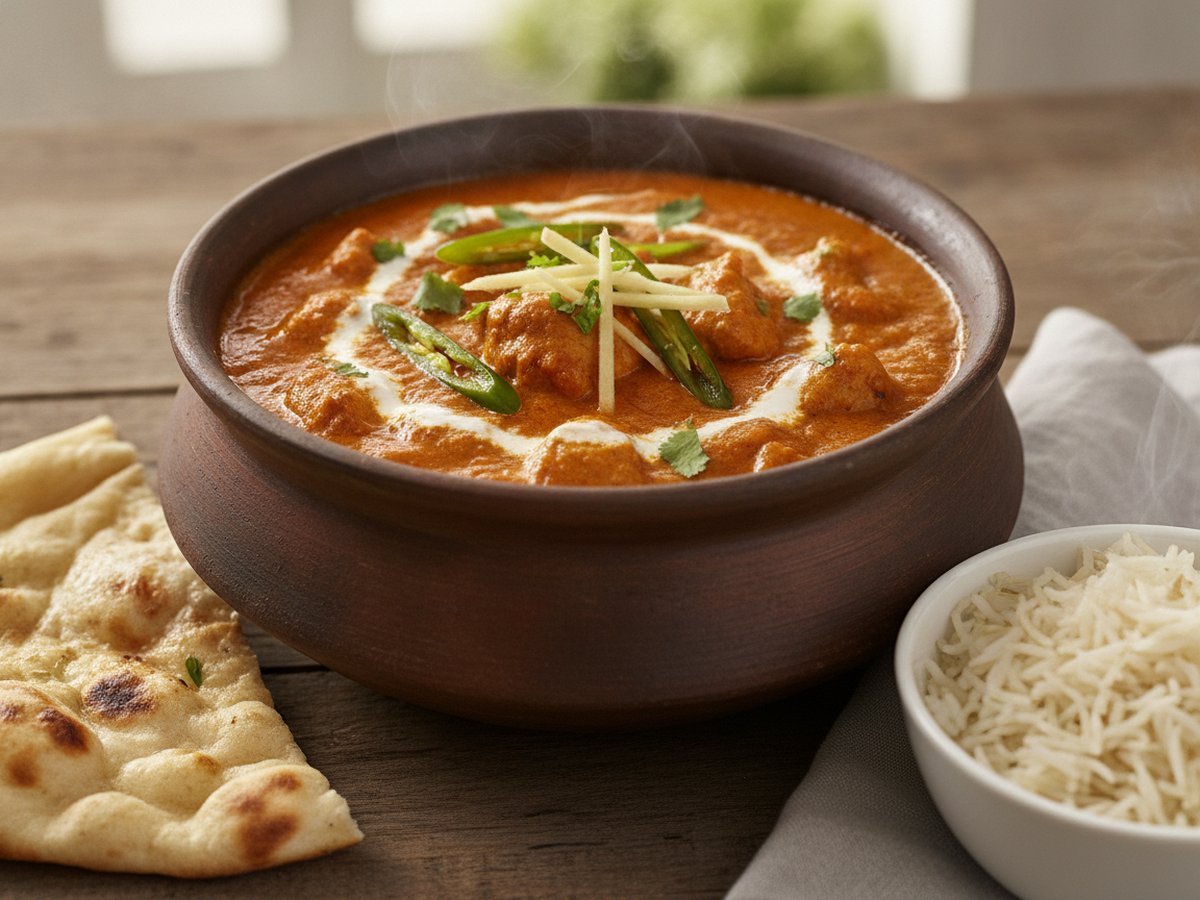
Chicken handi is a creamy chicken curry: boneless chicken cooked in a tomato masala, then finished with yogurt, cream and dried fenugreek leaves (kasuri methi). It is named after the handi, the round-bellied pot it is traditionally cooked and served in, and this chicken handi recipe takes about 35 minutes in an ordinary pan, with everyday ground spices.
One step decides whether it works: cooking the tomato masala until the oil separates from it, before any yogurt or cream goes in. Skip that and the gravy tastes of raw tomato and the cream only dilutes it.
Last updated
Recipe
Chicken Handi (Creamy Restaurant-Style Handi)
Ingredients
For the handi
To finish
Method
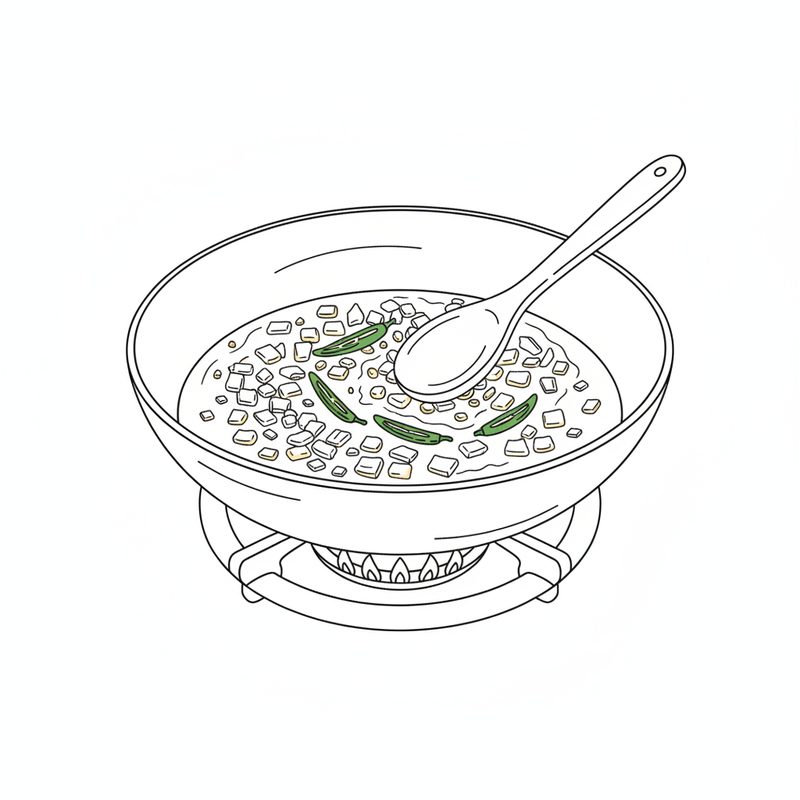
- Heat the oil in a wide heavy pan or handi over medium heat. Add the onion and green chillies and fry until the onion is soft and its edges start to colour.
- Add the ginger garlic paste and stir for about a minute, until the raw smell is gone.
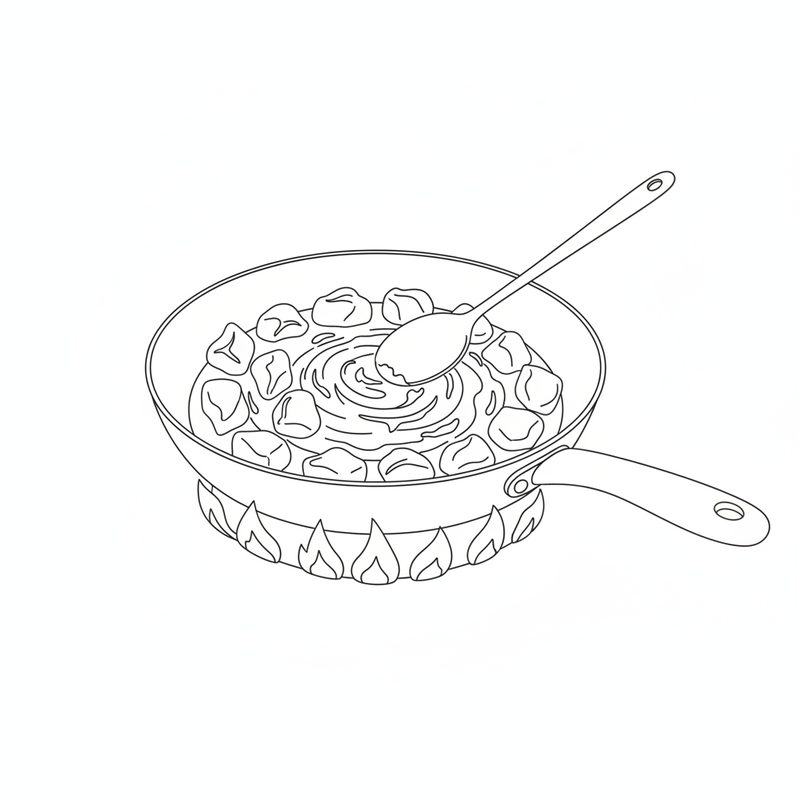
- Turn to high heat, add the chicken pieces and stir-fry for about 2 minutes, until every piece has turned white on the outside.
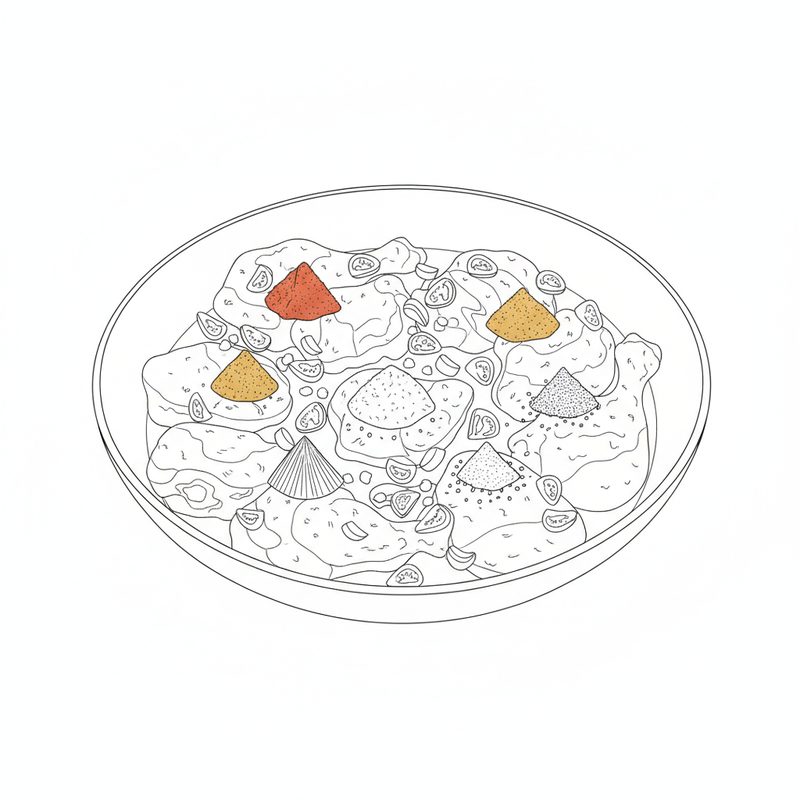
- Add the tomatoes, salt, both chilli powders, turmeric powder, cumin powder, coriander powder and the black and white pepper. Mix well. Cover and cook on medium-low until the tomatoes collapse, then uncover, raise the heat to medium-high and cook, stirring, for 6 to 8 minutes, until the masala is a thick paste and oil separates at the edges.
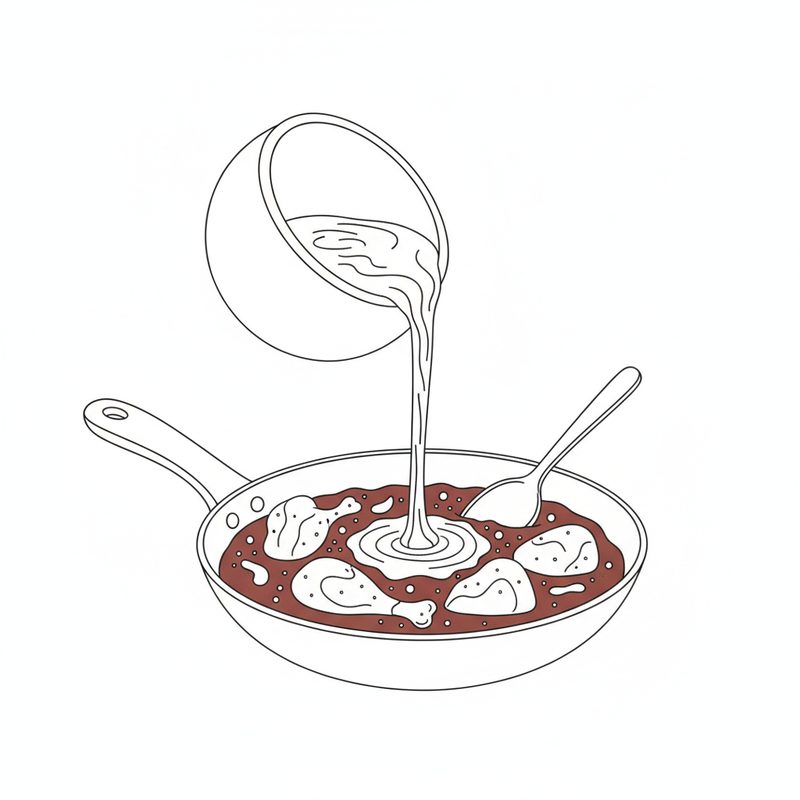
- Remove the pan from the heat and stir in the whisked yogurt. Return it to medium heat for 4 to 5 minutes, stirring, until the oil rises to the surface again.
- Pour in the water, cover and simmer over low heat for about 5 minutes, until the chicken is cooked through (74°C / 165°F inside). Bone-in pieces need longer.
- Stir in the cream, kasuri methi and garam masala. Cover and simmer over low heat for 5 minutes, then stir in the butter if using. Taste for salt.
- Drizzle over the remaining cream and scatter with ginger, green chilli and coriander. Serve hot with naan, roti or basmati rice.
What chicken handi is: a creamy chicken curry
Chicken handi is a South Asian chicken curry with a thick, mildly tangy gravy of tomato, yogurt and cream, seasoned with kasuri methi and garam masala. The name comes from the pot, not the spices: a handi is a deep, narrow-necked cooking pot, traditionally clay.
Where it belongs is claimed from both sides of the border. Chili to Choc describes it as a Pakistani restaurant curry, while My Food Story files it among North Indian classics. Both are fair descriptions of where it is cooked today; neither settles where it began, and this page does not try to.
You do not need a clay pot. Every recipe compared for this page cooks it in a standard heavy pan or kadai, and the gravy is the same. A clay handi is a lovely way to serve it.
What separates it from an everyday chicken curry is the finish. Many home curries are thinner, onion-and-tomato gravies; handi is cooked down to a thick masala and then made rich with yogurt and cream, with kasuri methi as the defining flavour.
The step most people get wrong
The masala has to be cooked until the oil separates. After the tomatoes and ground spices go in, they first look wet and loose. Keep cooking, stirring, and the mixture tightens into a thick paste that pulls together in the pan, with a clear film of oil sliding out at the edges. That film is the signal that the tomatoes and spices are cooked through rather than merely hot.
The second place it goes wrong is the yogurt. Added to a very hot pan, it can split into small white curds. Take the pan off the heat, stir in yogurt that has been whisked smooth, and only then put it back on the heat. Cook it until the oil rises to the surface a second time; at that point the yogurt has cooked into the gravy.
Cooking tips for the best chicken handi gravy
The best chicken handi comes from controlling the heat in stages: high heat to seal the chicken, medium-high to cook the masala down, low heat once the yogurt and cream are in.
- Seal, do not brown. Two minutes on high heat is enough to turn the chicken pieces white outside. They finish cooking in the gravy, so a long sear only dries out boneless chicken.
- Cook out the garlic and ginger. Stir the ginger garlic paste for about a minute, until it stops smelling raw, before the chicken goes in.
- Add the ground spices with the tomatoes. Turmeric, cumin and coriander powder go in with the tomatoes, so the moisture keeps them from scorching while the masala cooks down.
- Salt at the end, too. Taste again after the cream goes in; cream and yogurt mute salt, and the gravy often needs a pinch more.
- Crush the kasuri methi. Rub the dried leaves between your palms over the pan to release their aroma, and add them only in the last few minutes.
Restaurant style vs home style
Restaurant-style chicken handi uses more oil, more cream and a white pepper note; home-style versions cut the oil and often add onion.
- Oil. The restaurant-leaning recipes use about 75 ml (1/3 cup) for 500 g of chicken. That oil carries the spices and is what shows as a red sheen on top. A home pot works with 3 to 4 tablespoons, which is what Flour & Spice uses; the gravy is less glossy and slightly less rich.
- White pepper. Two of the recipes compared add 1/2 tsp of white pepper alongside black. It gives a softer, slower heat than black pepper; leave it out and the dish loses only that background warmth.
- Onion. Chili to Choc’s restaurant version uses no onion at all, so the gravy is pure tomato, yogurt and cream. Most home versions fry onions first (one medium onion on this card), which adds sweetness and body to the base.
- Butter and cream drizzle. A knob of butter stirred in at the end and a spoon of cream on top are finishing touches, not structure. Leave them out and the dish still works.
Easy chicken handi recipe, step by step
It is an easy curry: one pan, no marinating and no blender. The order never changes: aromatics, chicken, tomato masala cooked until the oil separates, yogurt, a short simmer, then cream and kasuri methi at the end.
 Fry the onion and green chillies in the oil.
- Sear the chicken until it turns white.
- Add the tomatoes and the ground spices.
- Stir in the whisked yogurt off the heat.
- Finish with cream and kasuri methi.

Chicken handi vs butter chicken vs chicken karahi
Chicken handi is not the same as butter chicken. Butter chicken is sweeter and milder, built on a buttery tomato gravy and often made with tandoori chicken; handi relies on yogurt, cream and kasuri methi rather than butter or sugar.
| Chicken handi | Butter chicken | Chicken karahi | |
|---|---|---|---|
| Gravy | Tomato, yogurt and cream | Tomato, butter and cream, sweeter | Tomato-led, thick and clinging |
| Chicken | Raw pieces cooked in the gravy | Often tandoori chicken added to the sauce | Raw pieces cooked in the gravy |
| Defining finish | Cream and kasuri methi | Butter | Fresh ginger and green chilli |
| Heat | Mild to medium | Mild | Spicy |
If you like the tomato base but want less richness, the Pakistani chicken karahi is the closer cousin. For a tangier, pickle-spiced curry, try achari chicken; and if your favourite is the smoky, creamy one from the takeaway menu, that is chicken tikka masala.
How spicy chicken handi is
Chicken handi is mild to medium. The cream and yogurt soften the heat, and most of the red colour comes from Kashmiri chilli powder, which is chosen for colour more than burn.
The heat you control lives in the plain red chilli powder and the green chillies. The card gives 1/2 to 1 tsp of red chilli powder with 1 tsp as the default; start at 1/2 tsp if you are cooking for children. If you cannot find Kashmiri chilli powder, Flour & Spice suggests using roughly half the amount of cayenne instead, which brings heat without the same deep red colour.
Boneless chicken handi or bone-in chicken
Boneless chicken is the restaurant default, but bone-in works. Boneless chicken handi is the quicker of the two, because small pieces cook through in the short covered simmer. Chili to Choc notes that most Pakistani restaurants use boneless chicken, and My Food Story makes the same dish with 500 g of bone-in curry-cut pieces.
Boneless thighs stay juicier than breast if the simmer runs a little long, because they carry more fat; breast is leaner and should come off the heat as soon as it is done. Bone-in pieces need a longer covered simmer at step 6. Whichever you use, chicken is safe at an internal temperature of 74°C (165°F), the FoodSafety.gov safe minimum for chicken and other poultry.
Shortcuts and variations
- Tomato paste. Chili to Choc adds 1 tbsp of tomato paste to fresh tomatoes for a deeper red. Indian Ambrosia uses only paste. It gets you to the oil-separation stage faster; what you lose is the fresh, slightly sharp tomato taste.
- Cashew paste. Maria’s Menu and Indian Ambrosia blend soaked cashews into the gravy. It makes the handi thicker and nuttier, closer to a korma.
- Puréed tomatoes. Flour & Spice cooks the tomatoes, then blends them with the yogurt for a completely smooth gravy. Chopped tomatoes give a more rustic texture.
- Coconut powder. Chili to Choc stirs in 1 tsp after the oil separates, for a faint sweetness.
What to serve with chicken handi curry
Serve chicken handi with naan, roti or plain basmati rice. Bread suits a thick restaurant-style gravy; rice suits a looser, home-style pot. The gravy is thick enough to scoop with bread; a soft peshwari naan adds sweetness against the tang of the tomato and yogurt.
Storing and reheating
Cool leftovers quickly and refrigerate them in a covered container for 3 to 4 days, the FoodSafety.gov guideline for leftover cooked poultry. The gravy thickens in the fridge. Reheat it gently with a splash of water, stirring, until it is steaming hot all the way through; a hard boil can split the cream, as it can in any cream-finished curry.
Questions people ask
What is chicken handi?
Chicken handi is a creamy chicken curry cooked in a tomato and yogurt masala and finished with cream and dried fenugreek leaves. It is named after the handi, the deep pot it is traditionally cooked and served in.
Is chicken handi the same as butter chicken?
No. Butter chicken is sweeter and milder and is built on butter, often with tandoori chicken. Chicken handi uses raw chicken cooked in the masala and gets its richness from yogurt and cream, with kasuri methi as the defining flavour.
Is chicken handi spicy?
It is mild to medium. The cream and yogurt soften the chilli, and the red colour comes mostly from Kashmiri chilli powder. Use 1/2 tsp of red chilli powder for a milder pot.
What is the authentic recipe for chicken handi?
There is no single authentic recipe, but the versions compared for this page agree on the core: chicken cooked in a tomato masala until the oil separates, then yogurt, cream, kasuri methi and garam masala.
What is the difference between chicken curry and chicken handi?
Chicken handi is a kind of chicken curry. What sets it apart is a thick tomato masala cooked until the oil separates, then finished with yogurt, cream and kasuri methi, and the name comes from the handi pot it is cooked in.
Do I need a clay handi to make it?
No. A heavy, wide pan or kadai gives the same gravy. A clay handi is a traditional way to cook and serve it, not a requirement.