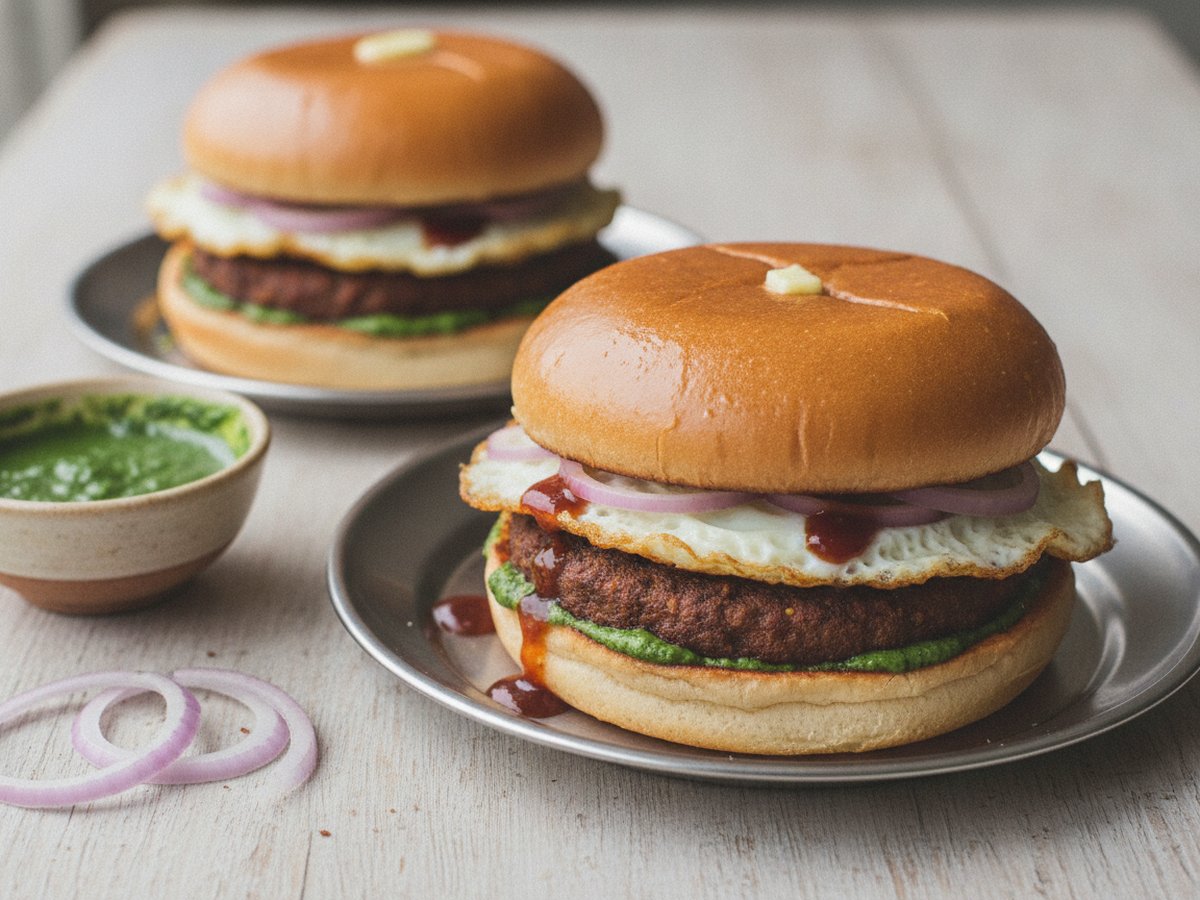
Bun kabab is Karachi’s street burger: a spiced lentil patty of chana dal and potato, dipped in whipped egg, fried on a flat griddle and tucked into a soft toasted bun with green chutney, tamarind chutney and raw onion rings. One batch of 1 cup of dal and 2 potatoes makes 12, in about 50 minutes once the dal has soaked.
The one thing that decides whether it works is the dal. Cooked until it crushes between two fingers and then dried until no water is left in the pot, it shapes cleanly and holds through frying. Left wet, the patties split in the pan.
Last updated
Recipe
Bun Kabab (Karachi Street-Style Burger)
Ingredients
For the patties
To assemble
Method
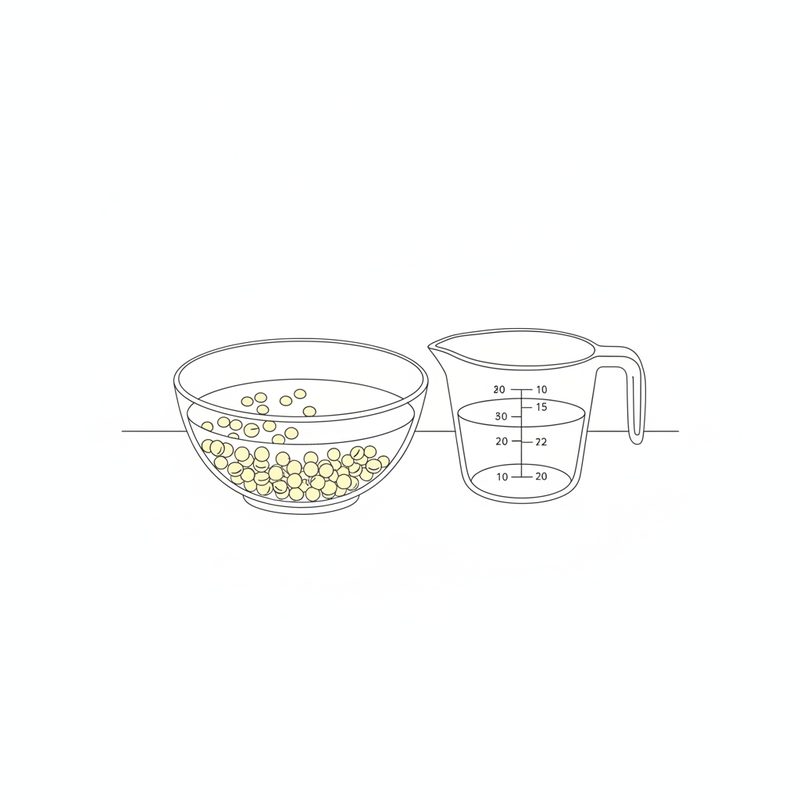
- Rinse the chana dal and soak it in cold water for at least 4 hours, or overnight. Drain.
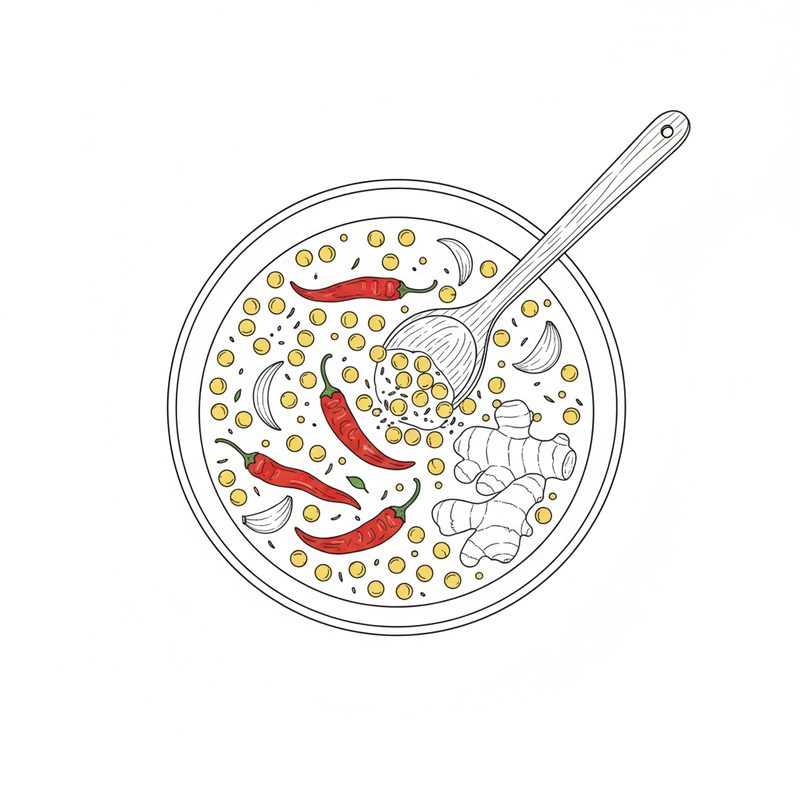
- Put the dal in a pot with the water, dried chillies, cumin seeds, onion, garlic, ginger and salt. Bring to a boil, cover and simmer on low to medium heat for 30 to 45 minutes, until a grain crushes easily between two fingers.
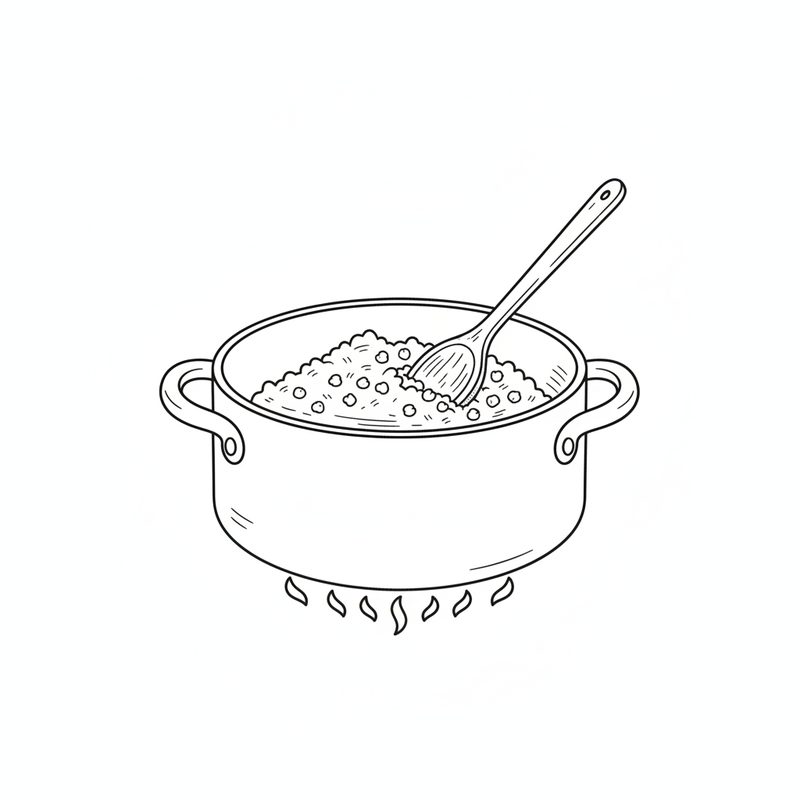
- Uncover, turn the heat up and stir until no water is left and the dal looks dry and crumbly. Leave it to cool.
- Grind the dal mixture, chillies included, in short pulses to a coarse paste that holds together when pressed. Mix in the mashed potatoes, garam masala, chaat masala, green chillies and coriander. Taste and adjust the salt.
- Shape the mixture into 12 flat, round patties, slightly wider than the buns.
- Whisk the eggs with a pinch of salt until frothy. Heat a thin film of oil or ghee on a tawa or heavy frying pan over medium heat. Dip each patty in the egg and fry for about 2 minutes on each side, until the egg coat is set and golden. Fry in batches, adding a little oil as needed.
- Toast the buns, cut side down, on the same pan until golden.
- Spread green chutney on the bottom half of each bun. Add a hot patty, onion rings, tomato and cucumber if using, and a drizzle of tamarind chutney. Close with the top half and serve hot.
What is bun kabab?
Bun kabab is a sandwich of a shallow-fried, egg-coated kebab patty in a soft bun, sold from street carts and small stalls across Pakistan. It is Karachi street food first: the city is where it is most closely identified, and the vendors on Burns Road are the best known. Wikipedia also records the name anda shami, and the common nickname anday wala burger, or egg burger.
It is eaten as a snack or a quick meal, the way fast food is eaten elsewhere, and the build is fixed more than the patty is: a hot patty sandwiched in a soft bun with sharp raw onion slices, a green chutney and a sweet-sour tamarind one. The spelling varies as much as the filling. Bun kabab, bun kebab and bun kabob all name the same thing, and recipes call them bun kababs or bun kebabs.
Where Pakistan’s bun kebab comes from
The bun kebab traces back to Karachi in the 1950s, but who made the original is disputed. Wikipedia sets out three competing accounts and does not choose between them.
- Haji Abdul Razzak is said to have introduced it in 1953 as a quick meal for workers.
- It evolved from the vada pav, the potato fritter sandwich of Mumbai.
- It first appeared outside the Khayam Cinema as food for moviegoers.
The same entry notes that dal patties and shami kababs both became popular fillings after the sandwich first appeared, and that in Lahore a buttery, pan-fried version with a very soft filling is called a bun plaster.
What is bun kabab made of?
A bun kabab is made of a patty, an egg coating, a soft bun, chutneys and onion. The patty is where versions split.
- Dal and potato (this recipe). Chana dal (split chickpeas) simmered with whole red chillies, cumin, onion, garlic and ginger, ground, then mixed with mashed potato, chaat masala, garam masala, green chilli and coriander. It contains no meat, though the egg coating means it is not vegan.
- Meat and dal. Minced beef, mutton or chicken cooked with chana dal, the same mixture as a shami kabab.
- Potato and chickpea. A quicker filling from boiled chickpeas and potato, with the egg poured over the assembled bun on the griddle.
Sources disagree on which is the standard. Pakistani.recipes says the classic Karachi patty is dal and potato, not meat. Wikipedia describes bun kabab patties as typically ground beef or mutton with lentils. Both are sold today, and the method below is the dal version that most home recipes compared here use.
The step most people get wrong: wet dal
Wet dal is the single most common reason bun kebab patties fall apart. Moisture left in the dal turns to steam in the hot oil and splits the patty, and the egg coating slides off a soft surface.
Here is what right looks like. The dal is cooked when one grain crushes easily between finger and thumb, the test Butter Over Bae gives. Then the lid comes off and the heat goes up, and you stir until the bottom of the pot is dry and the dal looks crumbly rather than glossy. If you scrape a spoon across the base and no liquid seeps back, it is ready.
Grind it to a coarse paste that holds its form when pressed, not a smooth purée. Pakistani.recipes warns that a blender gives a paste that fries up rubbery; a food processor in short pulses, or a masher, keeps some texture. Let the mixture cool before shaping, because warm dal and potato are softer and harder to handle.
The egg coat: frothy, not just beaten
The egg coat should be whisked until frothy, so it clings and puffs into a lacy golden layer around the patty. A quick stir with a fork gives a thin, flat coating that runs off.
This is an egg wash the patty is dipped through, not a fried egg laid on top; the separate omelette layer belongs to the anday wala variation below.
Fry on medium heat with a thin film of oil or ghee on a tawa or heavy frying pan. Each side takes about 2 minutes: the egg should be set and golden, with crisp frilly edges where it ran onto the pan. Too hot and the egg browns before it sets through; too cool and the patty soaks up oil.
The recipes at a glance: where they agree and split
The three recipes that use the same batch, 1 cup of chana dal with 2 medium potatoes for 12 bun kababs, are Butter Over Bae, Bake Fresh and the PMP Mom’s Recipe Book. Every quantity on the card above is one that at least two independent recipes give, at that batch size or scaled to it.
| Ingredient | On the card | Agreeing sources |
|---|---|---|
| Whole dried red chillies | 8 to 10 | Butter Over Bae, Bake Fresh |
| Cumin seeds | 2 tsp | Chili to Choc and KFoods (scaled), PMP range |
| Water for the dal | 480 ml (2 cups) | PMP, Chili to Choc (scaled) |
| Garam masala | 1/2 tsp | PMP, Bake Fresh |
| Chaat masala | 1 tsp | PMP, Yum Foodz |
| Salt | 1 1/2 tsp | Chili to Choc (scaled), PMP range |
The spice level is the widest split. PMP uses 5 to 6 dried chillies where Butter Over Bae and Bake Fresh use 8 to 10, so for a milder patty use the lower number. Several cooks also add whole spices to the simmering dal, such as black cardamom, cloves, black peppercorns or cinnamon, and some add dried mango powder or khatai for sourness. No two of the recipes compared agree on an amount for those, so they are left off the card. Add a pinch if you know you like them.
How long does bun kabab take?
Bun kabab takes about 50 minutes from soaked dal to assembled buns, which is the median of the total times the recipes state. The soak comes before that: at least 4 hours, or overnight.
The stated split between prep and cook varies too widely between recipes to give honestly, from 10 to 70 minutes of prep. In practice the dal simmers for 30 to 45 minutes, the potatoes boil alongside it, and the frying goes in batches of three or four patties at 4 minutes a batch.
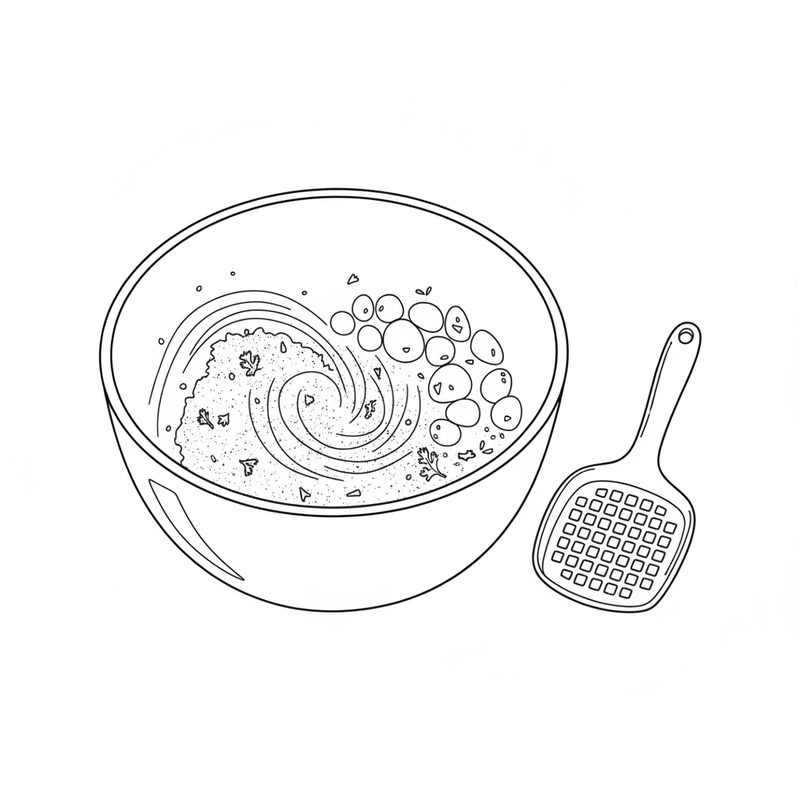
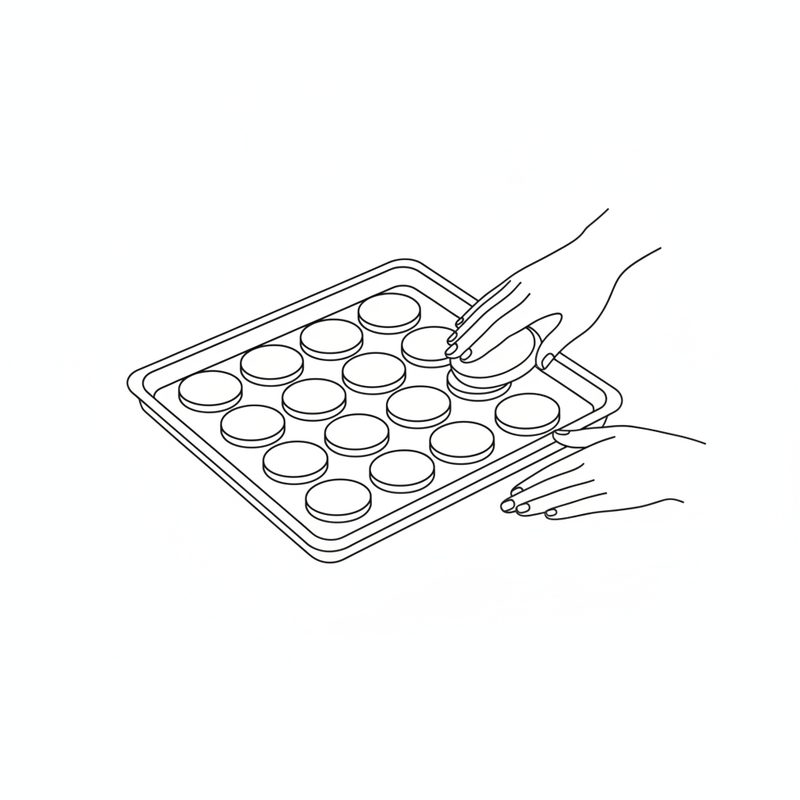
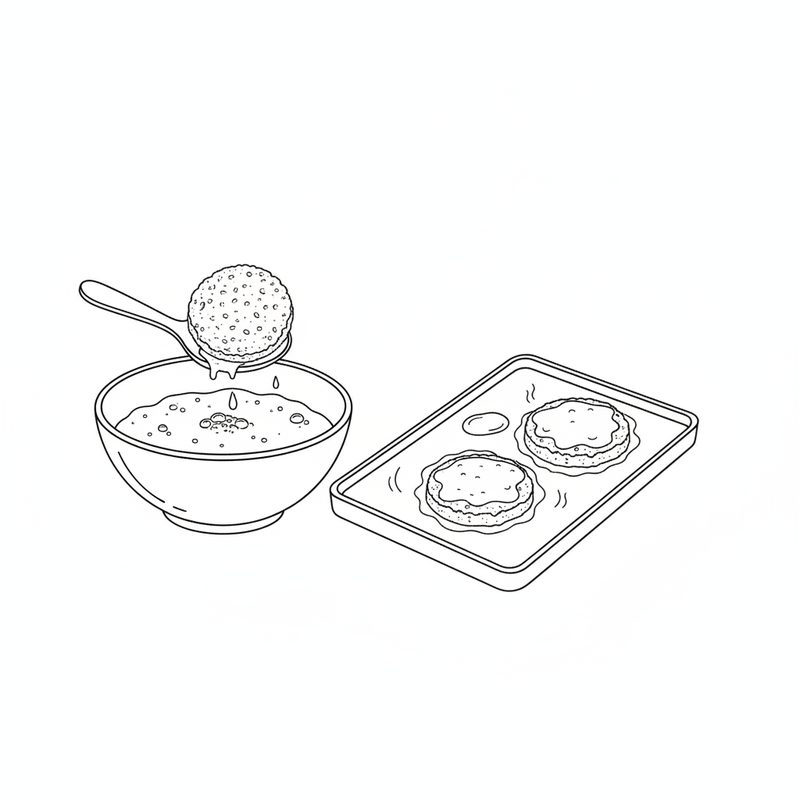
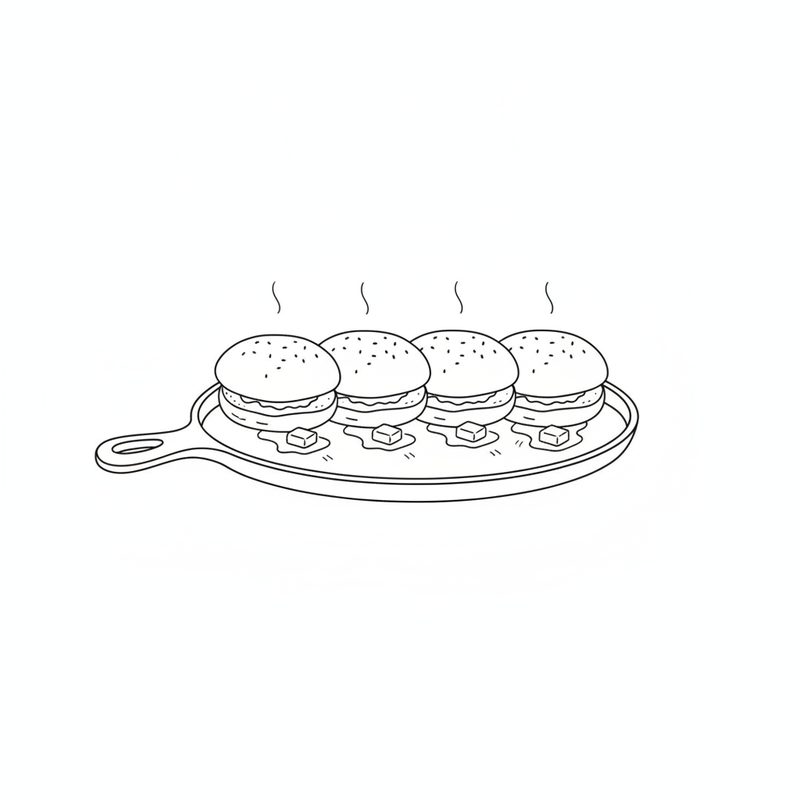
Bun kabab step by step, in pictures
Eight stages, in order. The quantities are in the recipe card above.
 Soak the chana dal for at least 4 hours.
- Simmer the dal with chillies, cumin, onion, garlic and ginger.
- Dry the cooked dal over high heat until no water is left.
- Grind the dal and mix it with potato, masalas, chilli and coriander.
- Shape 12 flat patties a little wider than the buns.
- Dip each patty in frothy egg and fry about 2 minutes a side.
- Toast the cut sides of the buns on the same griddle.
- Layer green chutney, patty, onion rings and tamarind chutney.
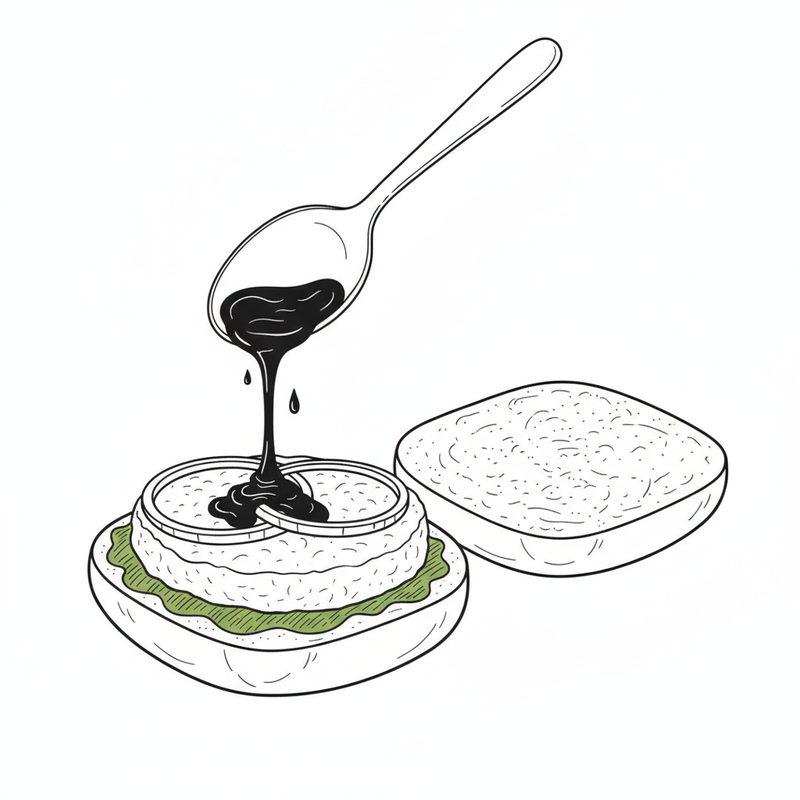
Bun kabab sauce: the two chutneys
Bun kabab sauce is two chutneys, used together and served along with fresh onion slices. Green chutney goes on the bottom bun and tamarind chutney goes over the patty, and the contrast between them is most of the flavour.
- Green chutney is the spicy chutney: mint and coriander blended with green chilli, garlic and salt. Most of the recipes compared loosen it with plain yogurt, which also softens the heat.
- Tamarind chutney is sweet and sour: tamarind pulp with sugar, roasted cumin and chilli. The imli chutney on this site is the one to use.
Ketchup is the common extra among the condiments at street stalls, and several recipes list it as optional. It is not a replacement for the tamarind.
Bun kabab variations: street style, home style and anday wala
The street version is built fast on one large griddle: buns toasted in the fat left from the patties, and the whole sandwich often pressed on the tawa again so it holds together. The PMP recipe does exactly that, frying the assembled bun for a few seconds in a little oil before cutting it.
The home version on this page keeps the patty and the bun as separate stages, which is easy to manage in a normal frying pan. For the anday wala style, fry a thin omelette and lay a piece over the patty, as Chili to Choc does, or pour beaten egg over the closed bun on the griddle, as Hinz Cooking does.
Any soft round bun works, including regular burger buns; a crusty roll fights the soft patty. Sliced tomatoes and cucumber are optional extras, and the meat-and-dal kebab patty described above is the other common filling.
The shorter route
The shorter route is a pressure cooker for the dal, which Butter Over Bae offers as an option. It saves most of the simmering time. What you lose is control: dal goes from tender to mushy quickly under pressure, and mushy dal holds more water, so the drying step matters even more.
A meat patty is another route if you already have shami kabab mixture made. The chapli kabab is a different thing altogether, a flat, loose minced-meat kabab that is not egg-dipped.
Problems and fixes
- Patties crack or fall apart. The dal was wet, or ground too fine. Dry the mixture in the pot a little longer, or chill the mixture for 10 to 15 minutes before shaping, as Food Fusion does.
- The egg slides off. The egg was not whisked enough, or the patty was warm and damp. Whisk until frothy and use a spoon to coat the top.
- The patty is bland. Taste the mixture before shaping, when you can still fix it. Chaat masala and salt are the two that most often need a little more.
- The bun goes soggy. Toasted buns hold up longer: toast the cut sides first and add the chutneys just before serving.
Make ahead and storage
The patties can be shaped ahead and kept covered in the fridge, then egg-dipped and fried just before serving. Dip them only when you are ready to fry, because the egg coat should go on fresh.
Yum Foodz says shaped patties can be frozen for 2 weeks. None of the other recipes compared give a freezing time. Assembled bun kababs do not keep well; the bun absorbs the chutney within the hour.
Questions people ask
What is bun kabab made of?
Bun kabab is made of a soft bun, a patty dipped in egg and shallow-fried, green chutney, tamarind chutney and raw onion rings. The patty is usually chana dal and potato, or minced meat cooked with chana dal.
Is it spelled kabob or kebab?
Both spellings are used, along with kabab. In Pakistan the dish is usually written bun kabab or bun kebab; the word is the same in each case.
Is bun kabab vegetarian?
The dal and potato version contains no meat, but it is coated in egg, so it is not vegan. Meat versions use minced beef, mutton or chicken.
Is bun kabab the same as a burger?
Bun kabab is often called a Pakistani burger, but the patty is a spiced kabab, usually lentil based and egg-coated, and it is dressed with chutneys rather than ketchup and mustard.
What food category is bun kabab?
Bun kabab is street food: a sandwich eaten as a snack or a light main course. The kabab inside is a shallow-fried patty, closer to a shami kabab than a grilled kebab.