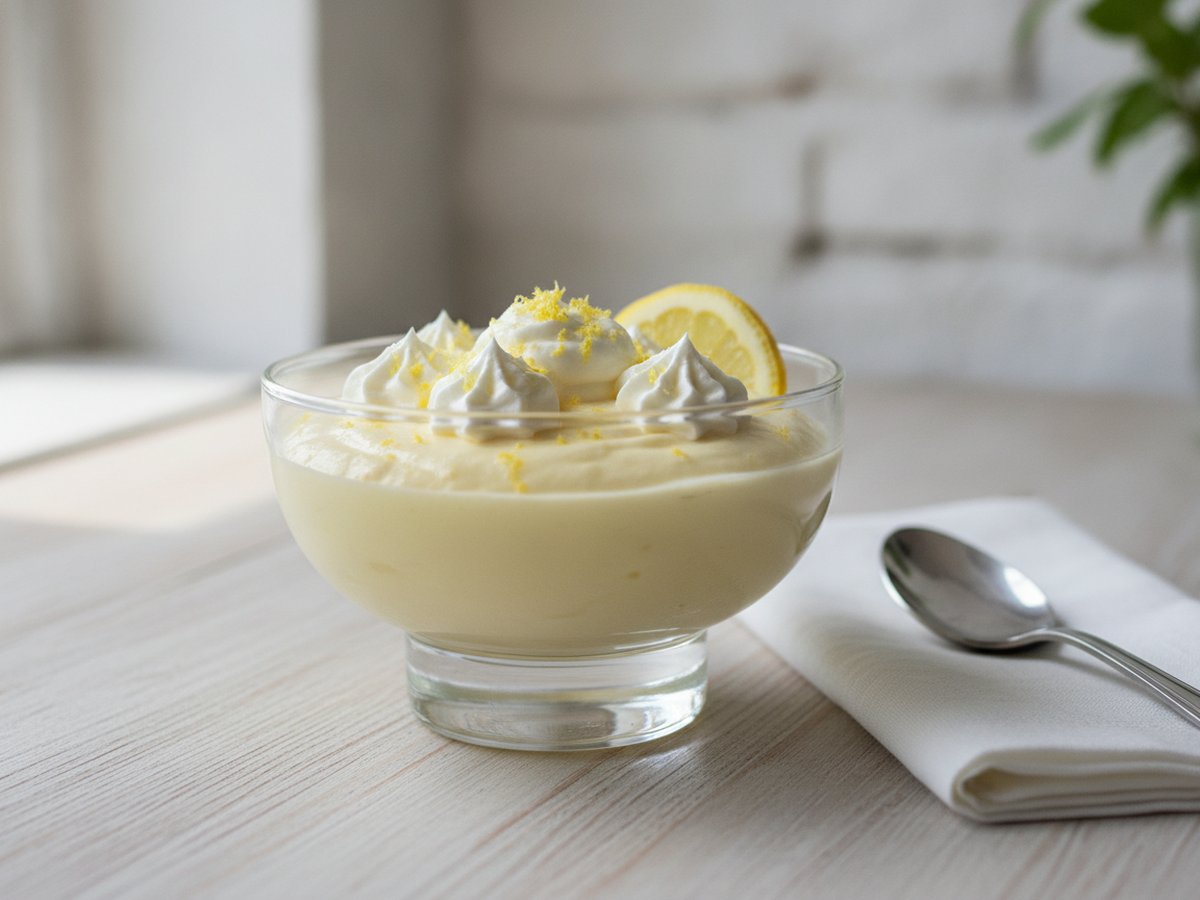
Citronfromage (roughly see-TRONE-fro-MAHSH) is Danish lemon mousse: egg yolks whisked with sugar and lemon, set with a little gelatine, then lightened with whipped cream and stiff egg whites and chilled until it holds a spoon. This version serves 6 and needs about 20 minutes of work and at least 3 hours in the fridge.
Despite the name there is no cheese in it. In Danish desserts a fromage is a cold, gelatine-set mousse, and the lemon one is the version most Danes know. It is made the day before and served in a glass bowl or small glasses, with a little more whipped cream on top.
Last updated
Recipe
Citronfromage (Danish Lemon Mousse)
Ingredients
Mousse
To decorate
Method
- Soak the gelatine sheets in a bowl of cold water for about 10 minutes, until soft.
- Whisk the egg yolks with the sugar and lemon zest until pale, thick and fluffy.
- In separate clean bowls, whisk the egg whites until stiff, and whip the 2.5 dl cream to soft peaks. Do not whip the cream stiff.
- Warm the lemon juice gently in a small pan and take it off the heat. Squeeze the water out of the gelatine and stir it into the warm juice until completely dissolved, with no lumps. Let it cool until just lukewarm.
- Pour the lukewarm lemon mixture into the yolks in a thin stream, whisking all the time.
- Fold in the whipped cream, then the egg whites in two additions, with a spatula, until there are no white streaks. Keep as much air in as you can.
- Pour into a glass serving bowl or 6 small glasses, cover and chill for at least 3 hours, or overnight, until set.
- Just before serving, decorate with whipped cream, a little grated lemon zest and chopped pistachios if using.
What is citronfromage?
Citronfromage is a cold Danish lemon mousse set with gelatine. The base is egg yolks whisked with sugar and grated lemon zest, into which lemon juice with dissolved gelatine is stirred; whipped cream and beaten egg whites are folded in last, which is what makes it light rather than dense.
It is old. According to Danish Wikipedia, fruit fromages were first described in Denmark in Madam Mangor’s cookbook in 1837, and her 1842 cookbook carried seven different fromages, the lemon one among them. The same article describes the dish as a development of crème bavarois.
Danish food writers tend to call it a classic or a retro dessert, the kind served after a family dinner rather than in a restaurant. It belongs on the same table as risalamande and koldskål: cold, creamy, made ahead, and not very sweet.
Where the numbers in this recipe come from
Every quantity on the card is taken from published recipes, not estimated. Danish recipes for citronfromage split into three methods, and this page follows the most common one: eggs separated, the whites beaten stiff and folded in.
- Eggs: 4, separated. Gourministeriet and a Danish-American family recipe published by HomesMSP both use 4; Madens Verden scales the same method up to 6.
- Sugar: 100 g, which is 25 g per egg. Gourministeriet uses 100 g for 4 eggs and Madens Verden 150 g for 6, the same ratio. The HomesMSP version uses 6 tablespoons.
- Lemon juice: 1 dl. Gourministeriet and Madens Verden agree on 1 dl (100 g), about 2 lemons.
- Gelatine: 4 sheets. Gourministeriet uses 4 sheets for 4 eggs and Madens Verden 6 for 6.
- Cream: 2.5 dl folded in, from Gourministeriet. Madens Verden uses 2 dl for its larger batch, so this is the creamier of the two.
- Serves: 6. All three sources say 6.
- Time: the total time on the card, 3 hours 20 minutes, is the median of the totals given by Gourministeriet (2 hours 20 minutes), Madens Verden (3 hours 20 minutes) and Frederikke Wærens (4 hours). Almost all of it is chilling. A prep time is left off the card because the published ones range from 5 to 20 minutes.
Ingredients, and what is hard to find
Leaf gelatine (husblas in Danish) is the standard setting agent here, and Danish recipes count it in sheets. Outside Denmark, look for gold or silver leaf gelatine in a large supermarket or a baking shop. If you only have powdered gelatine, the American versions show the scale: the HomesMSP recipe uses 1 envelope for 4 eggs, and My Danish Kitchen uses 1 tablespoon for 3. Follow the packet for blooming it.
Use an unwaxed lemon for the zest, because the peel goes into the mousse. Danish recipes specify usprøjtet or organic lemons for that reason.
Raw eggs: use pasteurised
Citronfromage is not cooked, so the eggs are eaten raw. The US Food and Drug Administration advises that for dishes where the eggs stay raw when served, you use shell eggs that have been pasteurised or otherwise treated to destroy Salmonella, or pasteurised egg products.
Danish recipes already assume this. Gourministeriet, Madens Verden, Meyers and DR all list pasteurised eggs, and in Denmark pasteurised yolks and whites are sold separately in cartons, which is why Madens Verden gives its eggs in grams as well.
Citronfromage, step by step
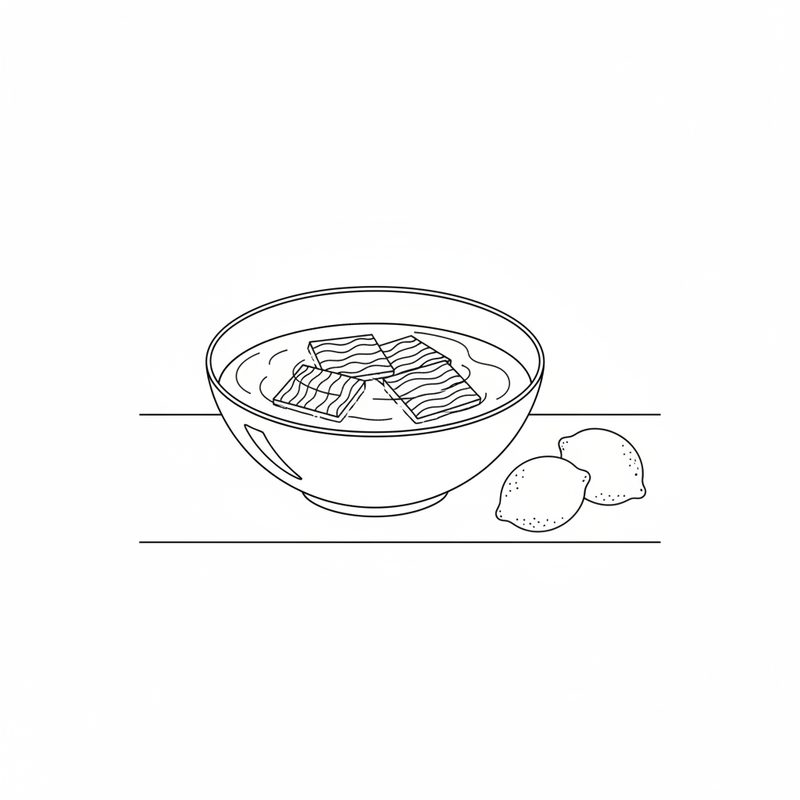
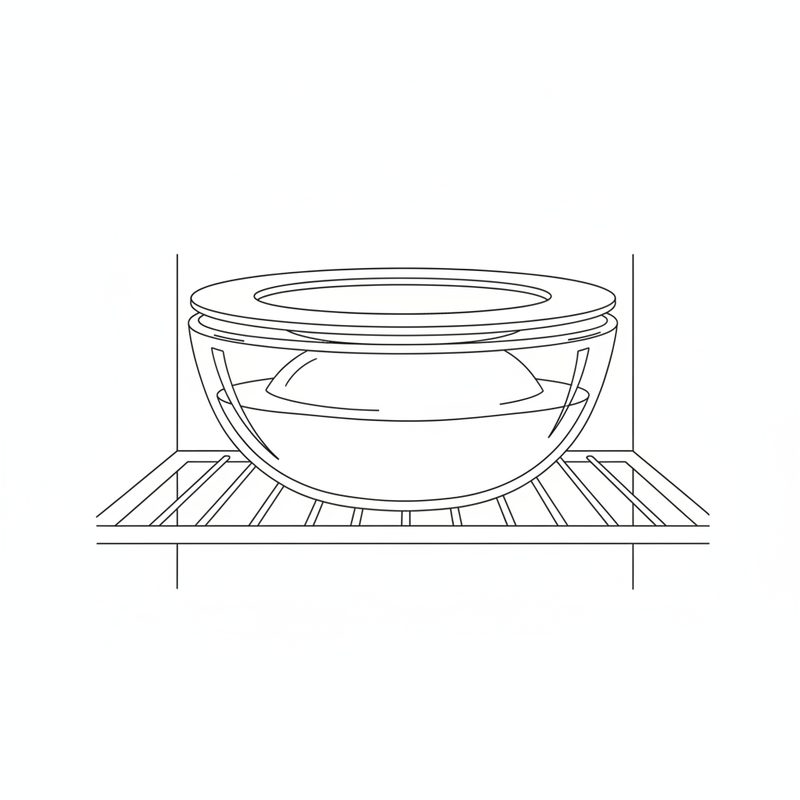
 Soak the gelatine sheets in cold water for about 10 minutes.
- Whisk the yolks, sugar and zest until pale, thick and fluffy.
- Melt the squeezed gelatine in the warm lemon juice, then let it cool to lukewarm.
- Whip the cream to soft peaks, not stiff.
- Fold the cream, then the stiff egg whites, into the lemon base.
- Cover and chill for at least 3 hours, until set.


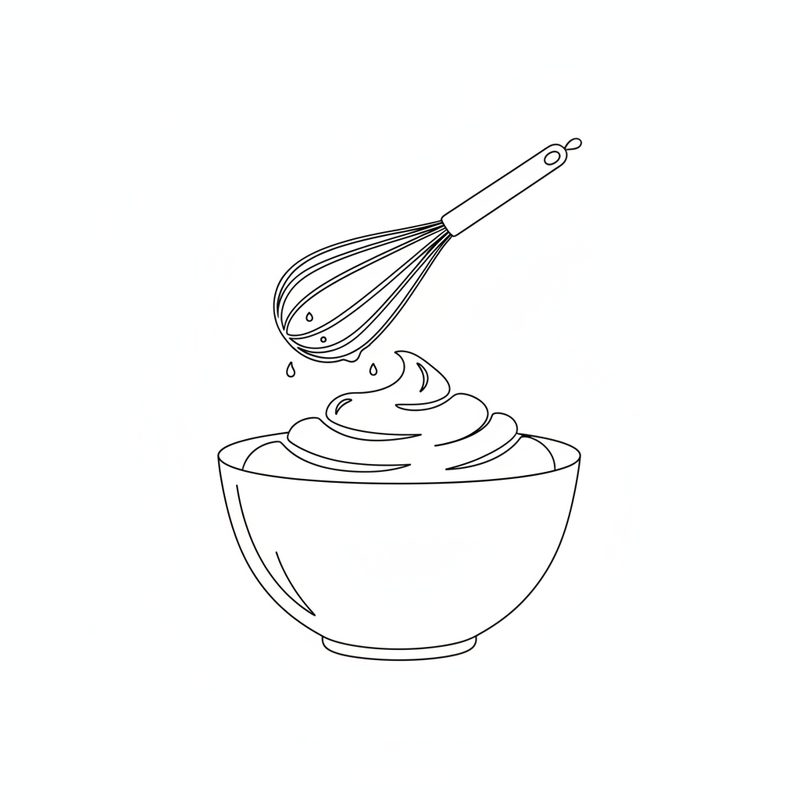

Have everything weighed and four bowls ready before you start: one for the yolks, one for the whites, one for the cream, and a small pan for the lemon juice. The order matters less than the temperatures.
What goes wrong, and what it looks like
Rubbery threads in the mousse. The gelatine did not dissolve fully. It needs warm liquid, not boiling, and a proper stir. Meyers tells you to check for undissolved lumps before going on, and that is the right habit.
The base sets before you fold. Lemon juice with gelatine starts to thicken as it cools. Stir it into the yolks while it is lukewarm, and have the cream and whites already whipped so the folding happens straight after.
Flat and dense. The air has been beaten out. Fold with a spatula, cutting down through the middle and turning the bowl, and stop as soon as there are no white streaks. Meyers also warns against whipping the cream too stiff, because folding works it further.
A clear layer at the bottom. The base and the foam were not folded together evenly. Gourministeriet’s instruction is to make sure everything is thoroughly combined before it goes into the glasses.
Other versions you will meet
Whole eggs. Arla and DR whisk 3 whole eggs with the sugar instead of separating them, and rely on whipped cream alone for lightness. Fewer bowls, a slightly denser result.
Yolks only, heated. Meyers boils the sugar, lemon juice and zest together first, then whisks pasteurised yolks into the warm syrup over low heat until foamy, with no egg whites at all.
Without gelatine. Versions without husblas exist; Madmusen publishes one with four ingredients. This recipe depends on the gelatine to set, so do not simply leave it out.
In lemon shells or moulds. Some cooks set it in hollowed lemon halves or small moulds. Nipuni Julie freezes moulded portions so they come out cleanly.
Serving and storing
Serve it cold, straight from the fridge, with a little extra whipped cream and grated lemon zest. Gourministeriet adds finely chopped unsalted pistachios, and Meyers suggests a crisp wafer alongside, which is a good idea because the mousse is soft.
It is a make-ahead dessert by design. Madens Verden, Gourministeriet and Meyers all say it can be made the day before, which leaves the evening free. Keep it covered in the fridge so it does not pick up other smells.
If you are planning a Danish table, it follows a heavy main course well, and it sits comfortably next to a kransekage at a celebration.
Questions people ask
Is there cheese in citronfromage?
No. In Danish desserts a fromage is a cold, gelatine-set mousse. Citronfromage is made from eggs, sugar, lemon, gelatine and cream.
What is citronfromage in English?
It is usually called Danish lemon mousse. Some older American recipes call it Danish lemon souffle, although it is not baked.
How long does citronfromage need to set?
At least 3 hours in the fridge, and it can stay overnight. The sources this recipe uses give 2, 3 and 4 hours as the minimum.
Can you make citronfromage the day before?
Yes. Madens Verden, Gourministeriet and Meyers all say it can be made a day ahead. Keep it covered in the fridge and add the whipped cream topping just before serving.
Is it safe to eat citronfromage made with raw eggs?
Use pasteurised eggs. The US Food and Drug Administration advises pasteurised shell eggs or pasteurised egg products for any dish where the eggs are not cooked, and Danish recipes for citronfromage specify pasteurised eggs.
Can I make citronfromage without gelatine?
Recipes without gelatine exist, but this one relies on the gelatine to set. Without it the mousse will not hold its shape in the same way.