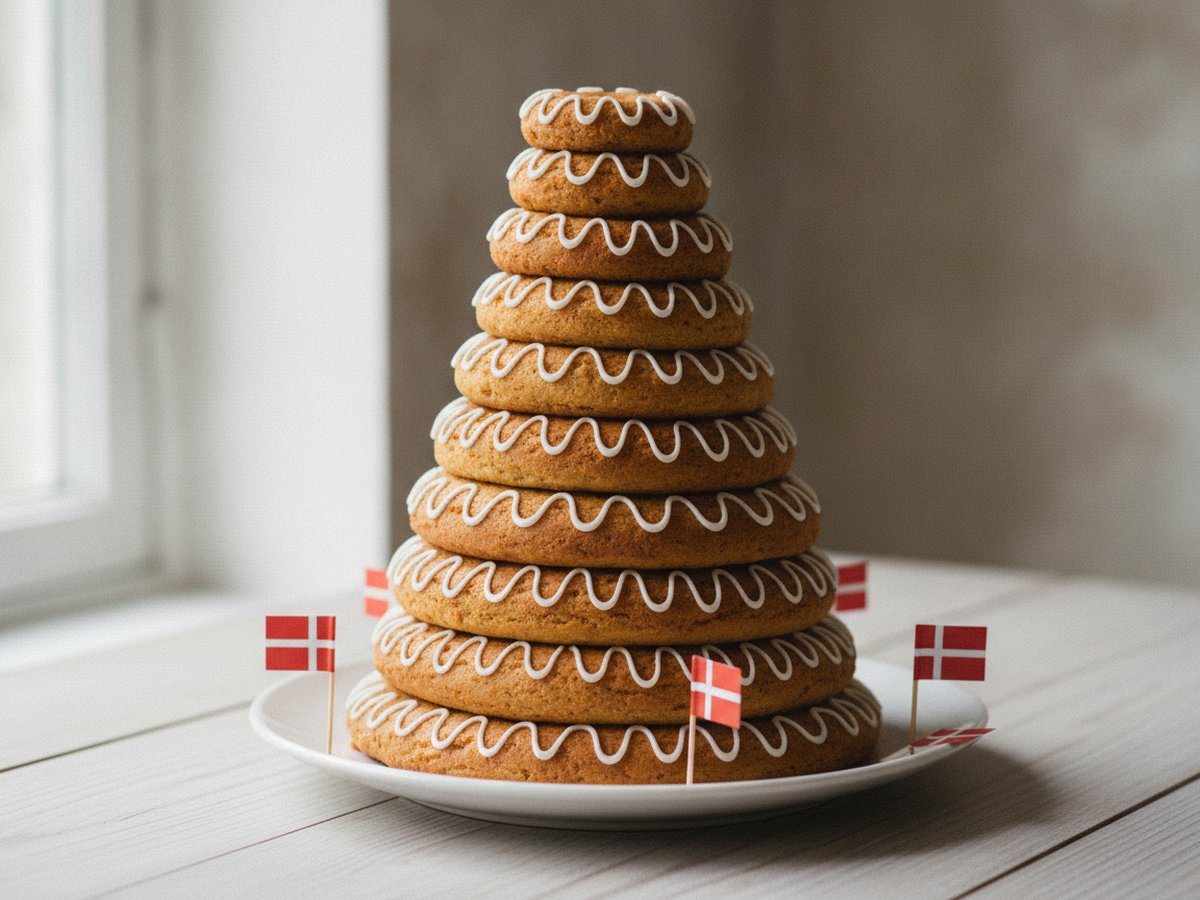
Kransekage (roughly KRAN-seh-kay-eh) is a Danish tower cake: a stack of graduated rings of baked almond dough, glued together and decorated with zigzags of white icing. The rings are firm on the outside and chewy in the middle, and the whole thing is made from three ingredients, almonds, powdered sugar and egg white.
The name means wreath cake. In Denmark it is the cake of New Year; in Norway it turns up at weddings, Christmas and Constitution Day. This recipe makes one tower of 11 rings without special tins, and every number on the card comes from published recipes named further down.
Last updated
Recipe
Kransekage Recipe (Danish Marzipan Ring Cake)
Ingredients
Rings (Skandibaking)
Icing (Arla's ratio)
To finish
Method
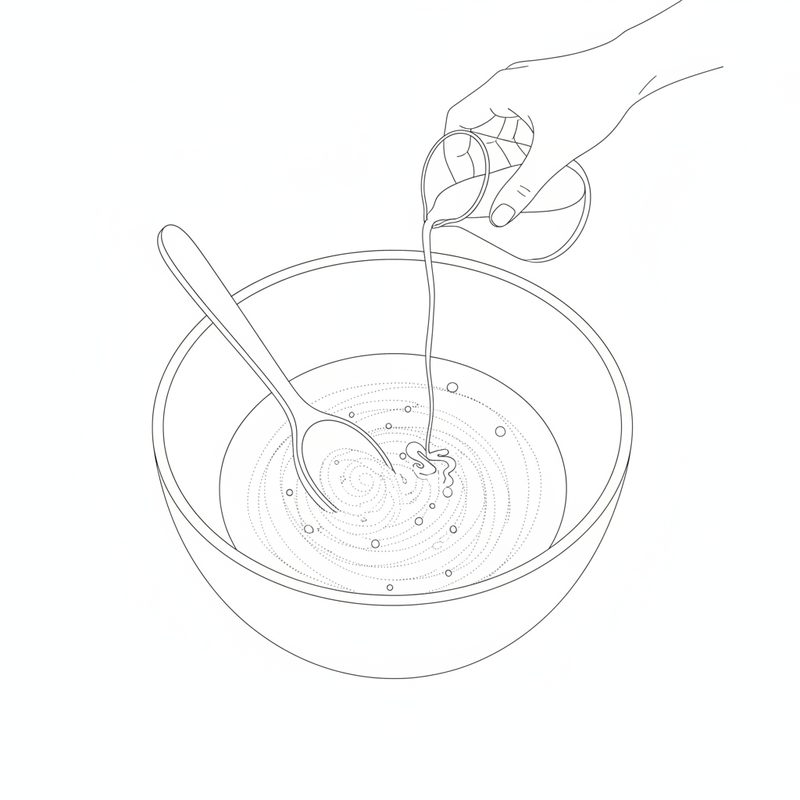
- Mix the almond flour and powdered sugar in a bowl. Add the almond extract, then the egg white one tablespoon at a time, working it in until the dough holds together like soft sugar-cookie dough. A little stickiness is fine.
- Wrap the dough and chill it overnight, or for at least a few hours. This stops the rings from spreading.
- Heat the oven to 200°C (390°F) and line two baking trays with parchment.
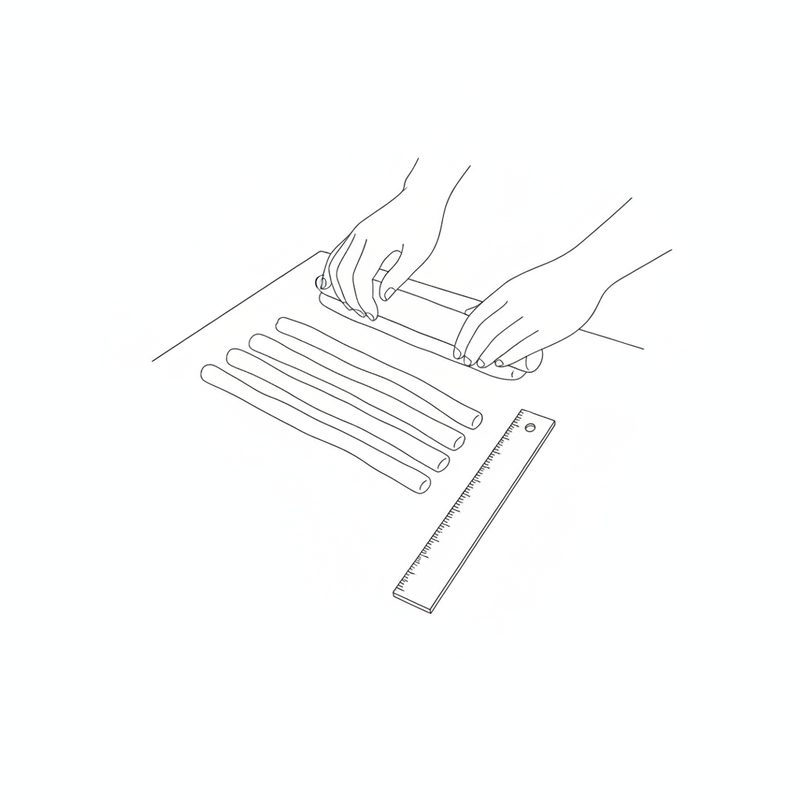
- Roll the dough into ropes 1.3 to 1.5 cm (about 1/2 in) thick and press one long side gently with your palm to make a ridge.
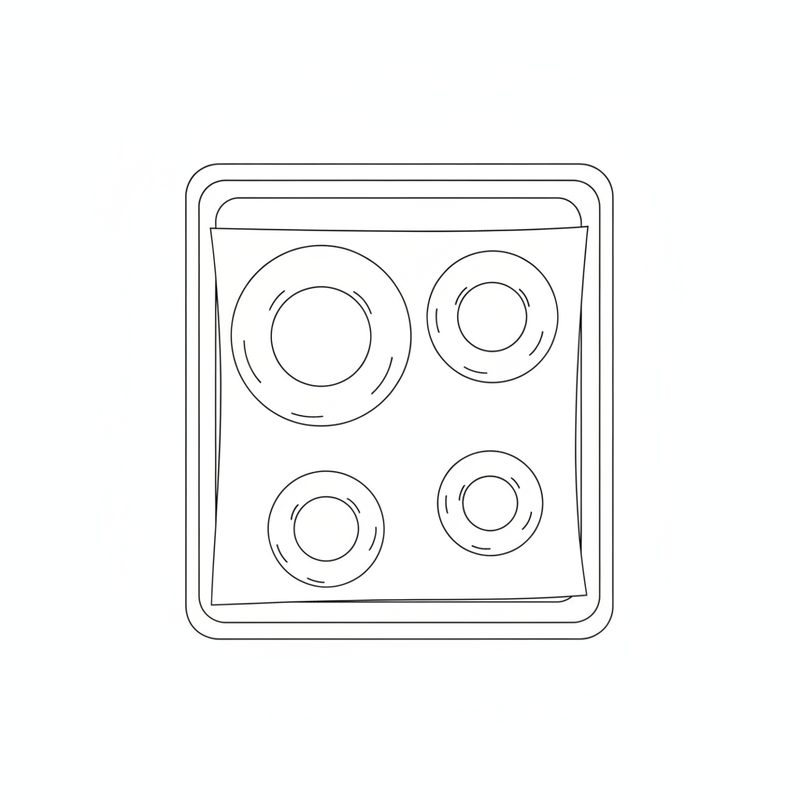
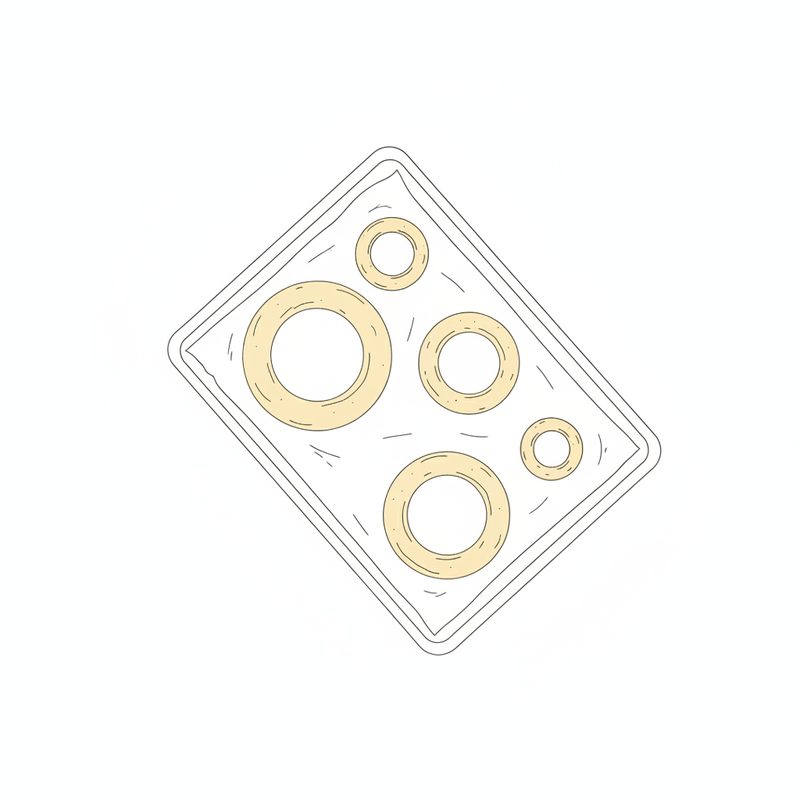
- Shape 11 rings on the parchment, ridge up, starting with the smallest at about 5 cm (2 in) across and making each one about 1.3 cm (1/2 in) wider. Pinch the seams shut and smooth them.
- Bake for about 10 to 12 minutes, until just golden. Take the small rings out first. Rings in greased kransekage tins take 15 to 20 minutes.
- Let the rings cool completely on the tray.
- Stir the powdered sugar into the egg white until thick as toothpaste: more sugar if it runs, a little more white if it will not pipe. Spoon it into a piping bag with a very small hole.
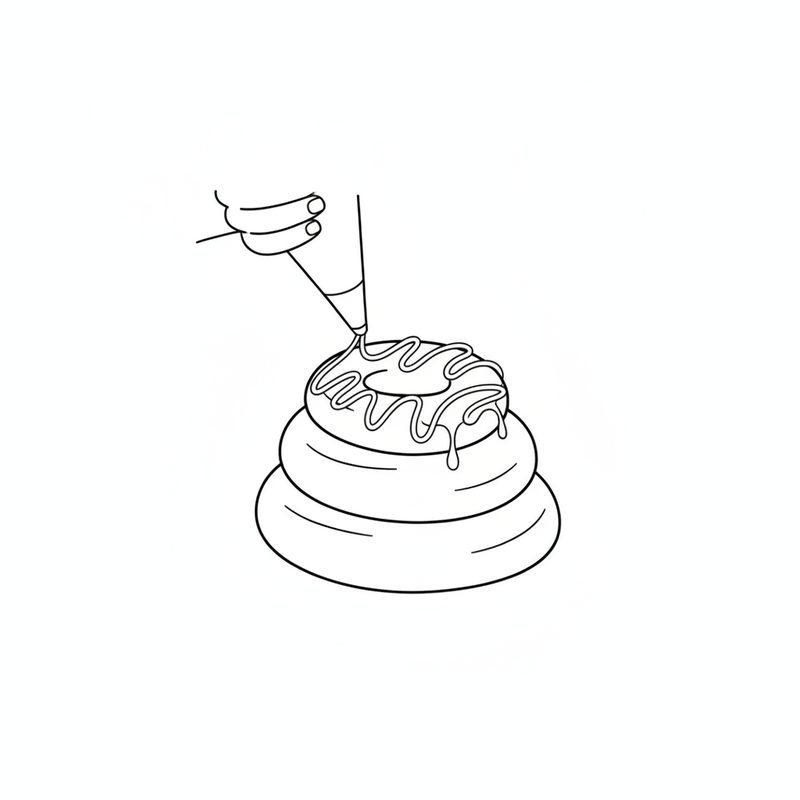
- Pipe a zigzag over the largest ring, set the next one on top while the icing is wet, and continue to the smallest. Decorate with flags if you like.
What is kransekage?
Kransekage is a cone of concentric almond rings, each one slightly smaller than the one below, held together with white icing. Wikipedia describes the ideal as hard to the touch yet soft and chewy, and that is the test for every ring you bake.
The dough is, in effect, a homemade marzipan: ground almonds and sugar bound with egg white. Nothing raises it. Its height comes only from the stacking, and a traditional tower has 16 or 18 rings according to Kitchen Frau, or 18 or more according to Wikipedia.
It is served by lifting rings off the tower and breaking them into pieces, not by slicing. A tower of 11 rings is a sensible first one; the method for 18 is the same, with more dough.
Is kransekage Danish or Norwegian?
It is both. The Danish spelling is kransekage and the Norwegian is kransekake, and Wikipedia calls it a traditional Danish and Norwegian confection. The same source traces its origin to a Copenhagen baker in the 18th century, when almonds were expensive enough to make the cake a display of wealth.
The two countries use it differently. In Denmark it belongs to New Year. Weddings and baptisms traditionally get a variation called overflødighedshorn, a horn of plenty built from the same rings and filled with sweets. In Norway, Wikipedia lists Constitution Day, Christmas, weddings and baptisms, and the name tårnkake, tower cake.
The dough, and why this one
The card uses Skandibaking’s dough: 320 g of almond flour, 280 g of powdered sugar, 6 to 8 tablespoons of egg white and a teaspoon of almond extract. It is chosen because it uses almond flour, which is easy to buy in the US, and because it is written for a tower shaped without tins.
The three tower recipes do not agree on quantities, and the card does not pretend they do. Kitchen Frau uses 550 g of almond flour to 550 g of icing sugar for a full 16 or 18 ring set. Scandinavian Simple Eating grinds sliced almonds with dates. What the first two agree on is the ratio: roughly equal weights of almonds and sugar.
The egg white goes in a tablespoon at a time. Both Skandibaking and Kitchen Frau stop adding it when the dough holds together, which is why the card gives a range. The dough should feel like soft sugar-cookie dough and may be a little sticky. A dough that sticks to everything has had too much; Kitchen Frau’s fix is a little more dry flour.
In Denmark the dough is usually made from ren rå marcipan rather than loose almonds. Arla’s Danish recipe uses 500 g of marzipan, 150 g of powdered sugar and 75 g of egg white. That marzipan is hard to find outside Scandinavia, and Biekje warns that not every marzipan works; she uses one with 63% almonds. If you do have it, Skandibaking grates it with 100 g of powdered sugar and leaves out the extract.
Why the dough rests overnight
The rest stops the rings from spreading in the oven. Skandibaking chills the dough overnight, and at least a few hours on the same day; Scandinavian Simple Eating chills it for a day. A ring that spreads loses its ridge and sits flat, and a flat ring does not stack into a cone.
Kitchen Frau skips the rest because her rings bake inside tins, which hold the shape for her. Without tins, rest the dough.
Shaping the rings without tins
Roll the dough into ropes 1.3 to 1.5 cm thick, about half an inch. Skandibaking gives 1 to 1.5 cm and Kitchen Frau about half an inch, so the overlap is the number to aim for. Use a ruler; ropes of uneven thickness bake unevenly.
Press one long side of each rope gently with your palm so it has a ridge, as Skandibaking does. The ridge points up, and it gives the tower its stepped look.
For the sizes, Kitchen Frau’s rule for free-form rings is simple: make the smallest about 5 cm (2 inches) across and each one after it about 1.3 cm (half an inch) wider, measured to the middle of the rope. Start with the smallest so the top of the tower tapers properly. Skandibaking offers a printable stencil to slide under the parchment if you would rather trace.
Pinch each seam shut and smooth it. Kitchen Frau notes the dough is forgiving, so a ring that comes out wrong can be rolled again.
If you own a set of kransekage tins, grease them and dust them with rice flour, as Kitchen Frau does, and lay a rope into each one.
Baking: temperature and time
Bake at 200°C (390 to 400°F). Skandibaking bakes at 200°C and Kitchen Frau at 400°F; Scandinavian Simple Eating is lower, at 375°F.
Rings on parchment take about 10 to 12 minutes. Skandibaking says about 10 and Scandinavian Simple Eating 10 to 12. Rings in tins take longer, 15 to 20 minutes in Kitchen Frau’s recipe. The small rings are done before the large ones, so watch the tray and take the small ones off first.
The colour is the signal. Take them out when they are just golden. Skandibaking’s warning cuts both ways: underbaked rings are too soft and the tower can collapse, overbaked rings crack.
Let the rings cool completely before you touch the icing. Kitchen Frau cools them in their tins and loosens any that stick with the tip of a knife.
Kransekage, step by step
 Mix the almond flour and powdered sugar, then work in the egg white a spoonful at a time.
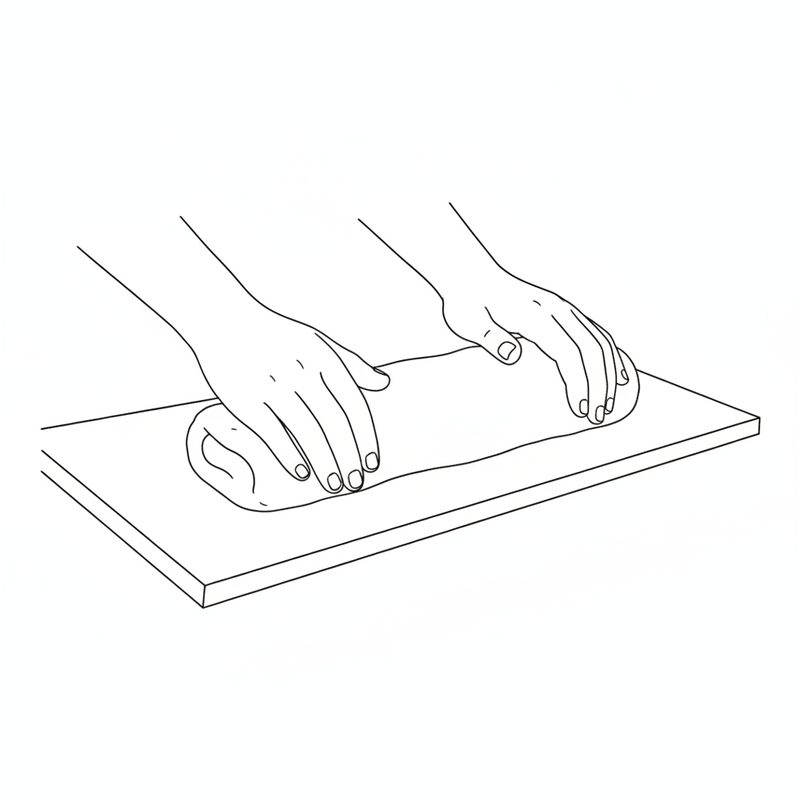
- Knead to a smooth, firm dough, wrap it and rest it in the fridge overnight.
- Roll the dough into even ropes 1.3 to 1.5 cm thick.
- Shape graduated rings on parchment, smallest first, seams pinched shut.
- Bake until just golden and let the rings cool completely on the tray.
- Pipe zigzags of icing on each ring and stack them while the icing is wet.
Icing and stacking the tower
The icing is powdered sugar stirred into egg white until it is as thick as toothpaste. The card uses Arla’s ratio, 150 g of powdered sugar to one egg white. Arla’s test is the useful part: if it runs, add sugar; if it will not pipe, add a little more white.
The icing is not cooked, so use pasteurized egg white. Skandibaking, My Danish Kitchen and Biekje all specify it, and it matters most when the cake is going to anyone vulnerable to food poisoning. Skandibaking also allows water in place of the egg white.
Put the icing in a piping bag with a very small hole. Pipe a zigzag over the largest ring, set the next ring on top while the icing is wet, and carry on to the smallest. The wet icing is the glue. Some bakers dip the base of each ring in melted chocolate first, as Skandibaking and Biekje suggest, which also helps it hold.
Small paper flags are the usual Danish decoration, and Wikipedia mentions flags and crackers on the cake.
Where the numbers come from
Three published tower recipes were compared: Skandibaking, Kitchen Frau and Scandinavian Simple Eating. Arla, My Danish Kitchen and Biekje were checked for the Danish marzipan dough, the oven temperature and the icing.
The dough quantities and the yield of 11 rings are Skandibaking’s, because the three disagreed on amounts. The temperature of 200°C is shared by two of the three. The baking time of 12 minutes is the median of the times the three give. The rope thickness is where Skandibaking and Kitchen Frau overlap. The icing is Arla’s ratio.
The card has no prep time, because only one of the three gives one. There is no nutrition information or rating, because no source supports one.
What goes wrong, and what it looks like
Rings spread flat. The dough was too wet or did not rest. Chill it overnight, and add egg white only until the dough holds.
Rings crack. They were baked too long. Take them out at the first even gold.
The tower leans or sinks. The rings were underbaked and are still soft. Skandibaking ties a stable tower to rings baked until just golden.
The icing slides off. It is too thin. Add powdered sugar until it holds a line.
The rings are hard all the way through. They were overbaked or left uncovered. Store them sealed, with a piece of apple or orange peel as Kitchen Frau does, and they soften back to chewy.
Serving, storing and freezing
Serve kransekage by lifting off a ring and breaking it into short pieces. In Denmark it is eaten as part of the New Year celebration. One wedding custom, according to Wikipedia, has the couple lift the top ring: the number of rings that come up with it is said to be the number of children they will have.
The baked, un-iced rings keep for a few days in a tightly sealed container, according to Kitchen Frau. Arla freezes kransekage without icing, and Biekje finds it better after a day’s rest, so baking a day ahead is an advantage, not a compromise. Ice and stack on the day.
For other Danish almond bakes, marzipan goes into the remonce of spandauer and the Danish kringle. For something festive without an oven, romkugler are the Danish rum balls, and the wider list is in traditional Danish foods.
Questions people ask
How do you pronounce kransekage?
Roughly KRAN-seh-kay-eh. The Danish r is soft and the g is close to silent. The Norwegian spelling is kransekake.
What is kransekage called in English?
Wreath cake, which is what the Danish name means. It is also sold as almond ring cake or marzipan ring cake, and Norwegians call it tårnkake, tower cake.
Is kransekake Norwegian or Danish?
Both. Kransekage is the Danish name and kransekake the Norwegian one, for the same tower of almond rings. Wikipedia traces its origin to an 18th-century Copenhagen baker.
Do you need kransekage tins?
No. Skandibaking and Scandinavian Simple Eating both shape the rings by hand on parchment. Tins give the most even rings, and Kitchen Frau uses them, but a rested dough holds its shape without them.
Can you make kransekage with marzipan?
Yes, and in Denmark that is usual. Arla mixes 500 g of marzipan with 150 g of powdered sugar and 75 g of egg white. Use a marzipan with a high almond content; Biekje uses one at 63%.
How far ahead can you make kransekage?
Bake the rings a day or a few days ahead and keep them sealed. Kitchen Frau adds a piece of apple or orange peel to keep them chewy, and Arla freezes them un-iced. Ice and stack on the day.