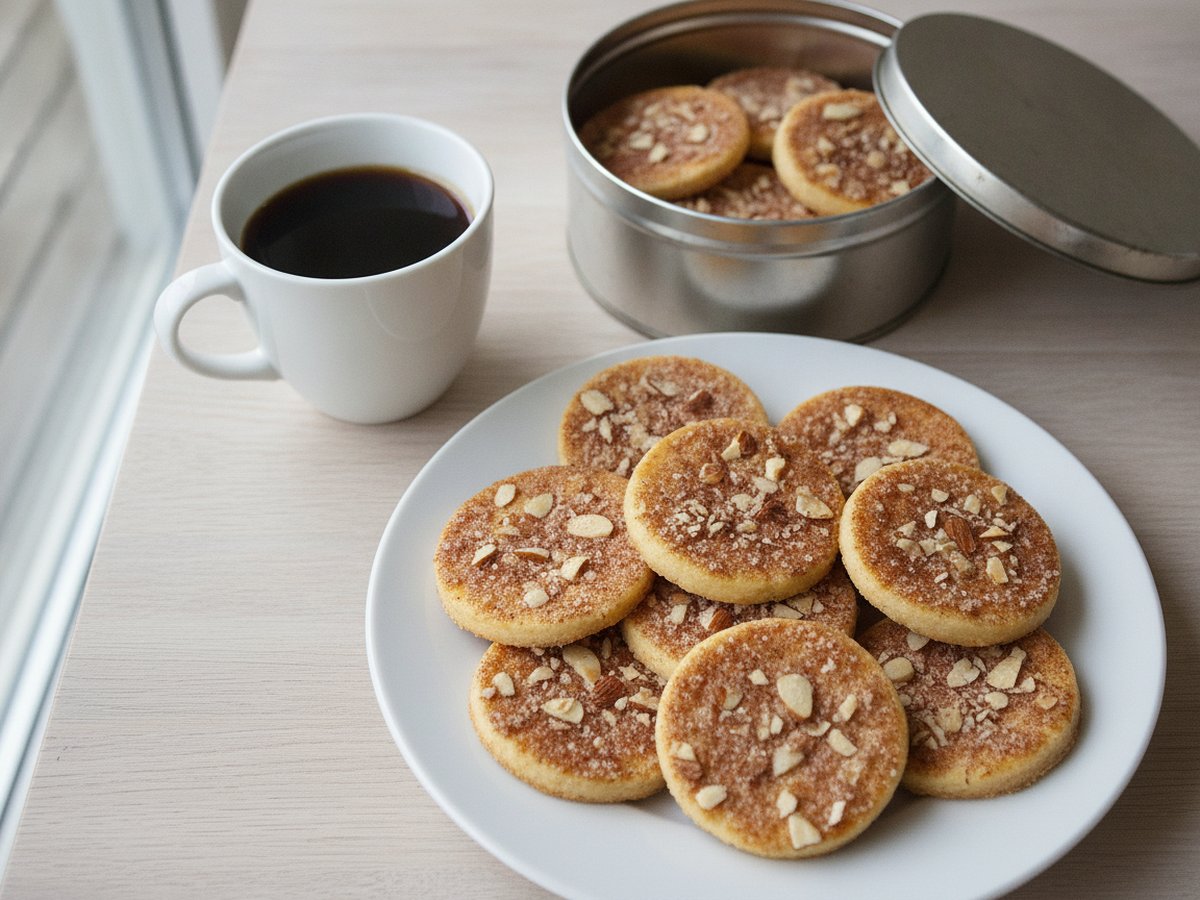
Jødekager (roughly YUR-the-kah-er) are thin, crisp Danish butter cookies brushed with egg and covered in cinnamon sugar and chopped almonds before they go into the oven. The dough is 250 g flour, 150 g butter, 100 g sugar and one egg. It makes about 45 cookies, and each tray bakes in around 7 minutes at 200°C (400°F).
Two things set them apart from an ordinary sugar cookie. The dough is raised with hjortetakssalt, hartshorn salt, which gives a thin cookie its dry snap, and the topping goes on raw, so the sugar bakes into a crackly crust. In Denmark they belong to December and the cookie tin, alongside the other småkager.
Last updated
Recipe
Jødekager (Danish Christmas Cookies)
Ingredients
Dough
Topping
Method
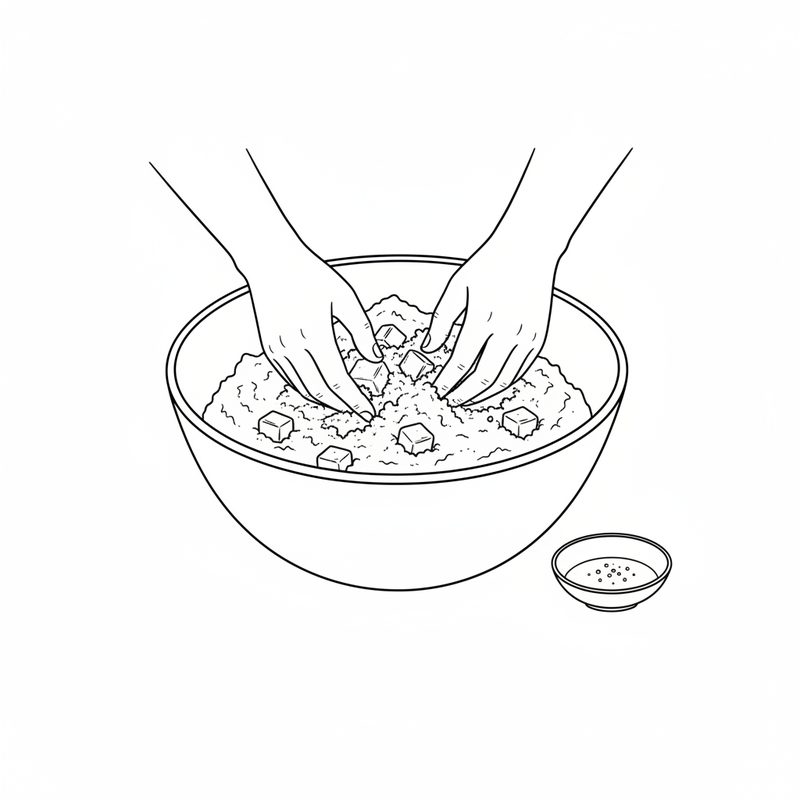
- Mix the flour, hartshorn salt (or baking powder) and salt in a bowl. Rub in the cold butter with your fingertips until no large lumps remain and the mixture looks like sand.
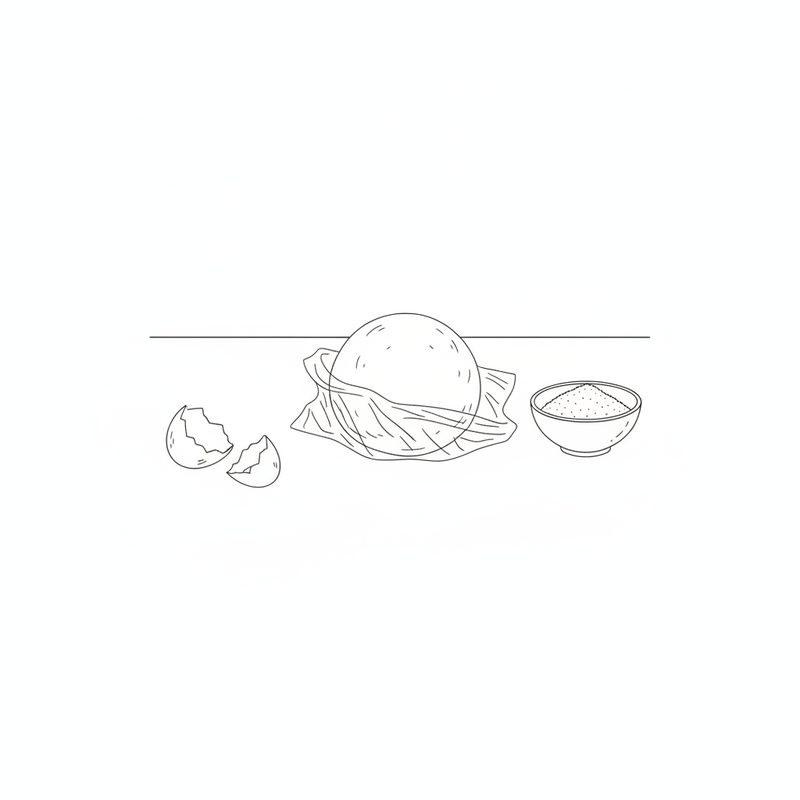
- Mix in the sugar, then add the egg and work the dough only until it comes together. Wrap it and chill for at least 1 hour.
- Heat the oven to 200°C (400°F) and line baking sheets with baking paper. Mix the almonds, sugar and cinnamon in a small bowl.
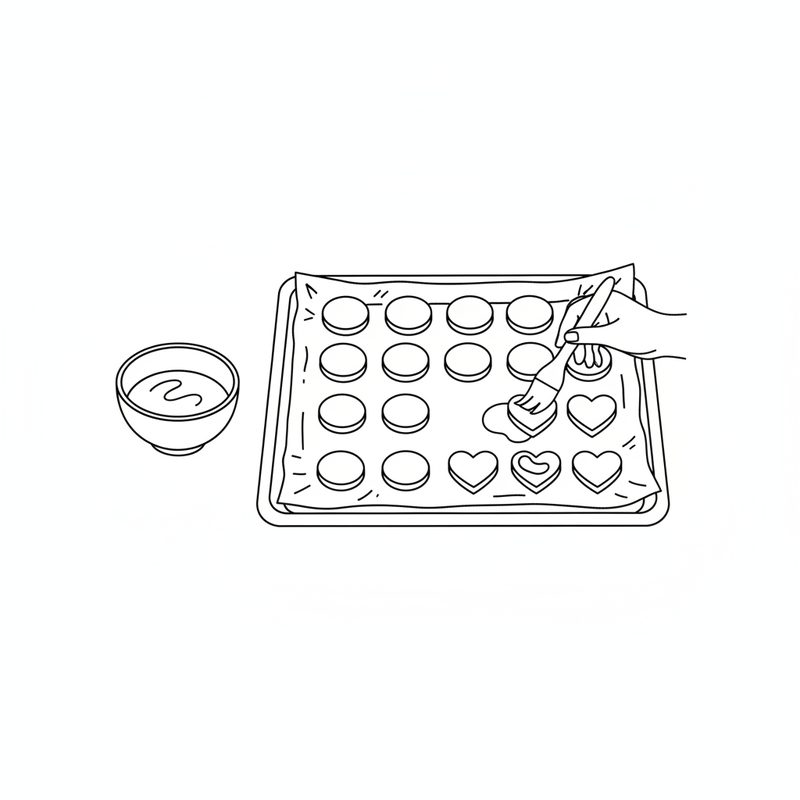
- Roll the dough out on a floured surface to about 2 mm thick. Cut out rounds or hearts and lay them on the sheets. Chill and reroll the scraps.
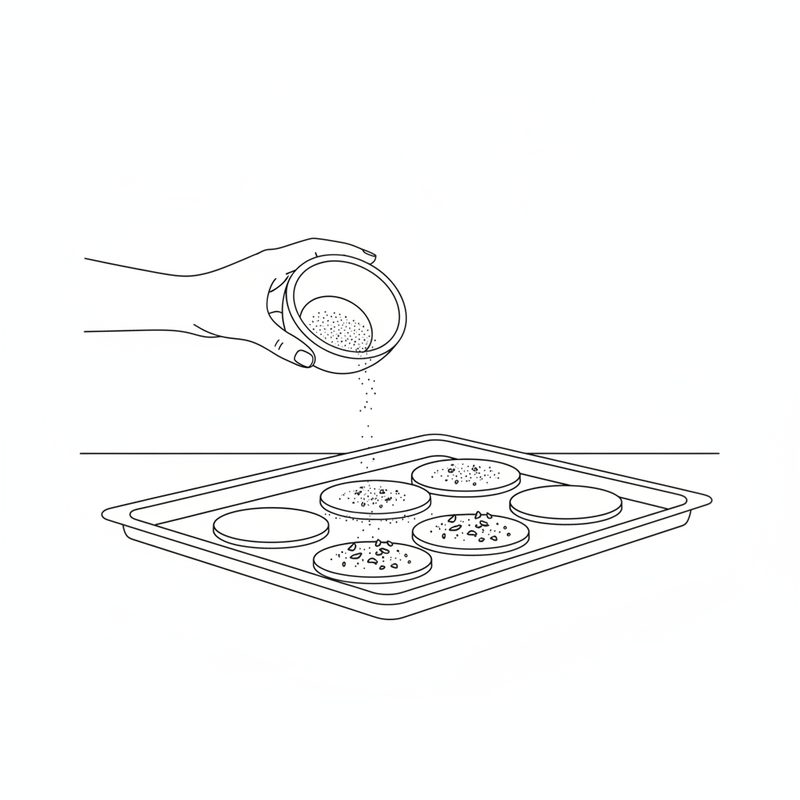
- Brush each cookie lightly with the beaten egg and scatter the almond and cinnamon sugar over it straight away.
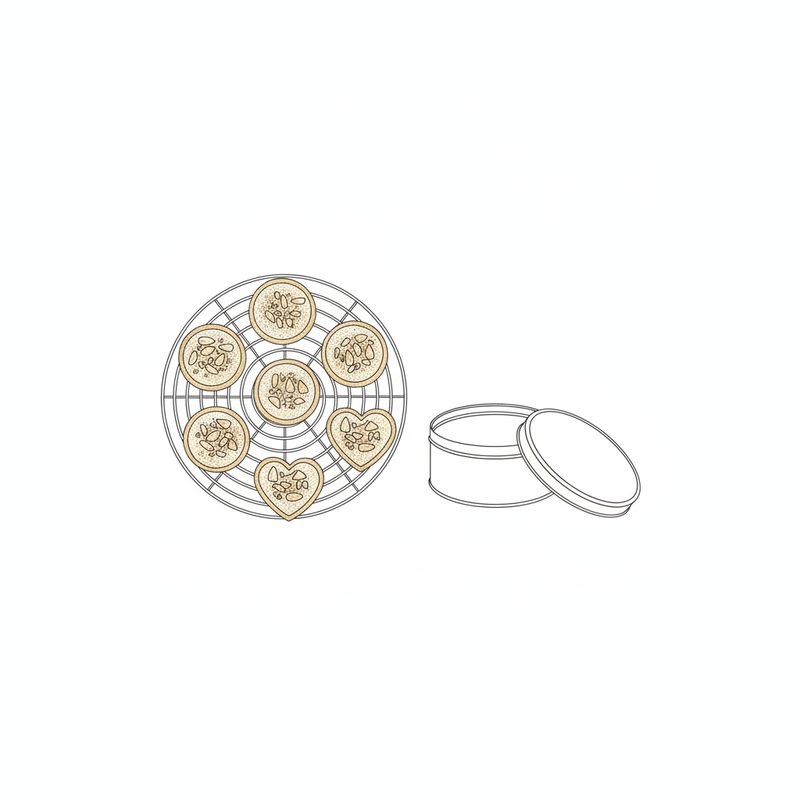
- Bake for 5 to 8 minutes, until the edges are golden. Cool completely on a rack, then store in an airtight tin.
What are jødekager?
Jødekager are Danish Christmas cookies made from a plain butter dough that is rolled thin, cut into rounds or hearts and topped with egg, cinnamon sugar and almonds. They are one of the standard småkager, the small cookies Danes bake in batches through December and keep in tins.
They are not rich or soft. A good one is about as thick as a coin, crisp all the way through, and tastes mostly of butter and cinnamon. The almonds are there for crunch more than flavour.
Why are they called jødekager?
Jødekager means “Jewish cakes”. The name is usually explained by Jewish bakers in Denmark who sold cookies of this kind, but the date is not settled. Skandibaking places the cookie with Jewish bakers in the 1700s, Klitly puts the recipe around the middle of the 1800s, and Herzelieb simply notes that many stories surround where they came from.
Herzelieb also points out that the name has not always meant this cookie: in parts of North Jutland a jødekage can be a soft cinnamon bun. In Danish cookbooks and newspapers today, jødekager is simply the ordinary name for these cinnamon-topped cookies, and it is the name used here.
The ingredients, and what to buy
Every recipe checked for this page uses 150 g butter, against 250 to 300 g flour, so the dough is short and wants cold hands. Use real butter. A spread gives a softer cookie that will not snap.
Hartshorn salt (hjortetakssalt, also sold as baker’s ammonia or ammonium carbonate) is the traditional raising agent for thin Scandinavian cookies. It is easy to buy in Denmark and Germany and harder elsewhere, so look in specialist baking shops or online. Skandibaking makes the same dough with ½ tsp baking powder instead, which is the nearest real substitute. Hartshorn smells of ammonia while it bakes; the smell leaves as the cookies cool, which is why it suits only thin, dry bakes like this one.
The topping is where recipes differ most. Herzelieb uses 25 g sugar with 4 tsp cinnamon, which is strongly spiced. Mette Blomsterberg’s version in Politiken uses about 100 g sugar to 20 g cinnamon, which is sweeter and makes more than one batch needs. The card uses Herzelieb’s amounts. Chop the almonds finely, with or without skins.
How to get them thin and crisp
Roll the dough to about 2 mm, the thickness Politiken gives. Thicker cookies stay pale in the middle and go soft in the tin.
Chill the dough for at least an hour before rolling, and again whenever it starts to stick or tear. Press the scraps together, chill them and roll once more.
Brush the egg on lightly. Too much pools at the edges and burns, and the topping slides off with it. Scatter the almond sugar straight after brushing, while the egg is still wet, so it sticks.
Start watching the oven at 5 minutes. The recipes give 5 to 8 minutes at 200°C (400°F); Politiken bakes at 190°C. They are done when the edges are golden and the underside has colour. A minute too long and the sugar darkens and turns bitter.
Jødekager, step by step
 Rub the cold butter into the flour until it looks like coarse sand.
- Add the sugar and egg, bring the dough together, wrap and chill.
- Roll the dough thin, about 2 mm, and cut rounds or hearts.
- Brush each cookie lightly with beaten egg.
- Scatter the almond and cinnamon sugar over the top.
- Bake until the edges turn golden, cool on a rack, then store in a tin.

What goes wrong
- The dough cracks when you roll it. It is too cold straight from the fridge. Leave it on the counter for a few minutes and try again.
- The dough sticks and tears. It has gone warm. Put it back in the fridge rather than working in more flour, which makes the cookies tough.
- The cookies are soft the next day. They were rolled too thick or taken out too early, or they share a tin with something moist.
- The topping falls off. The egg was too sparse, or it had dried before the sugar went on.
When jødekager are eaten
Jødekager are a December cookie. They go into the tin with the other småkager and come out with coffee through the weeks before Christmas. The usual company is brunkager, thin spiced cookies sliced from a chilled log, pebernødder, the small spiced peppernuts, and fried klejner. For the same plain butter-and-crunch character outside the season, kammerjunkere are twice-baked and eaten with koldskål in summer.
How to store jødekager
Let them cool completely, then keep them in an airtight tin, which is what every recipe checked here recommends. Keep them apart from soft cookies or cake, which give off moisture and take the crispness with it.
Questions people ask
What does jødekager mean in English?
Jødekager means “Jewish cakes” or “Jewish cookies”. The name is usually linked to Jewish bakers in Denmark, though sources date the cookie anywhere from the 1700s to the mid-1800s.
What can I use instead of hartshorn salt?
Use the same amount of baking powder, ½ tsp for 250 g flour, as Skandibaking does. Hartshorn is the traditional choice for the driest snap.
What is the difference between jødekager and vaniljekranse?
Vaniljekranse are piped rings of vanilla butter dough with no topping. Jødekager are rolled thin, cut out and topped with egg, cinnamon sugar and chopped almonds before baking.
How long should jødekager dough rest?
Chill it for at least 1 hour. Politiken’s recipe chills for 30 minutes and Skandibaking allows a few hours or overnight; colder dough is easier to roll thin.
What temperature do you bake jødekager at?
Bake them at 200°C (400°F) for about 5 to 8 minutes, until the edges are golden. Politiken’s version uses 190°C for 7 to 8 minutes.