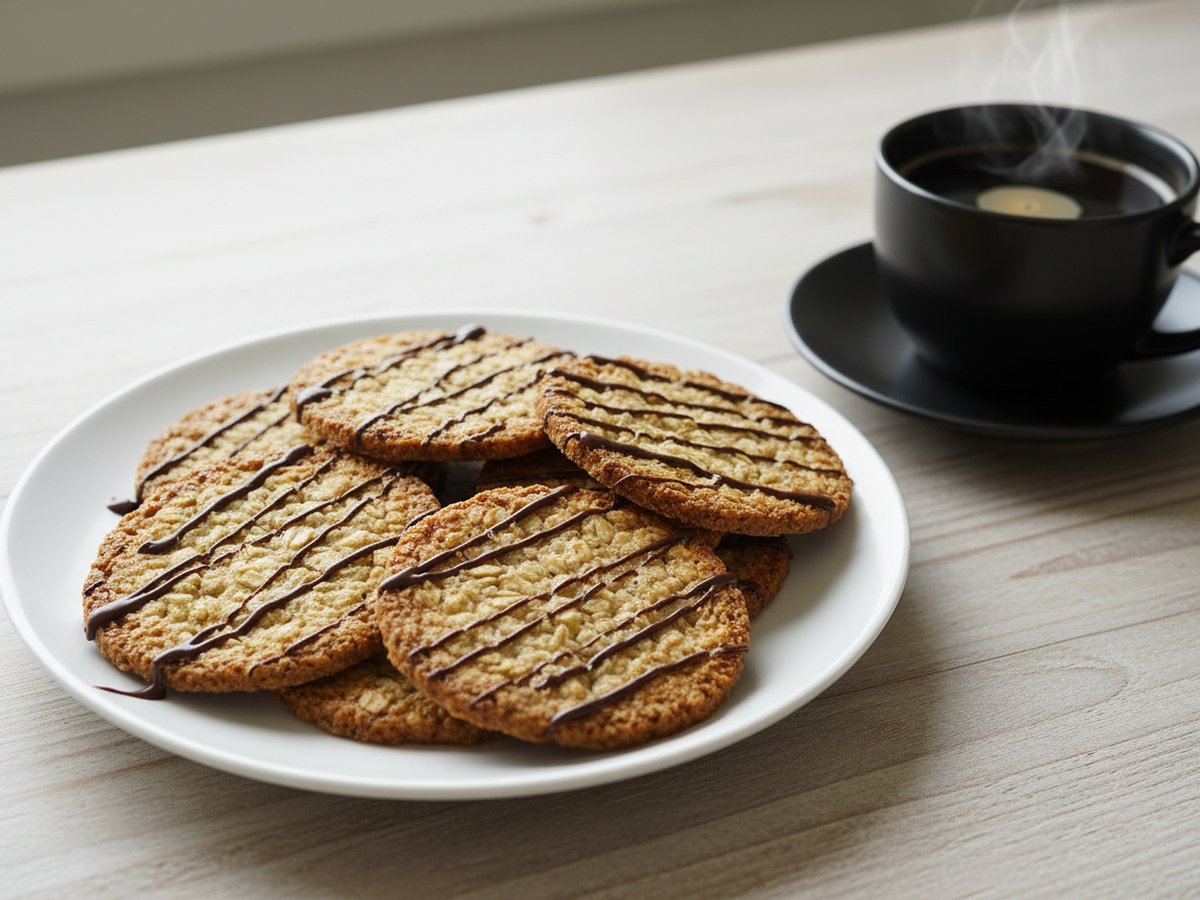
Danish oatmeal cookies, havregrynskager (roughly HOW-ruh-groon-skay-er), are thin, crisp oat cookies made from melted butter, sugar, one egg and rolled oats, with only a tablespoon of flour. In the oven they spread into flat, lacy rounds that snap once they are cold, and they are often finished with a drizzle of dark chocolate.
If you expected a soft, chewy American oatmeal cookie, this is close to the opposite: no raisins, no brown sugar, no chew. The batter is nearer to a caramel with oats in it than to a dough, and it needs room on the tray.
Last updated
Recipe
Danish Oatmeal Cookies (Havregrynskager)
Ingredients
To finish (optional)
Method
- Heat the oven to 175 °C fan (350 °F). Line two baking trays with baking paper.
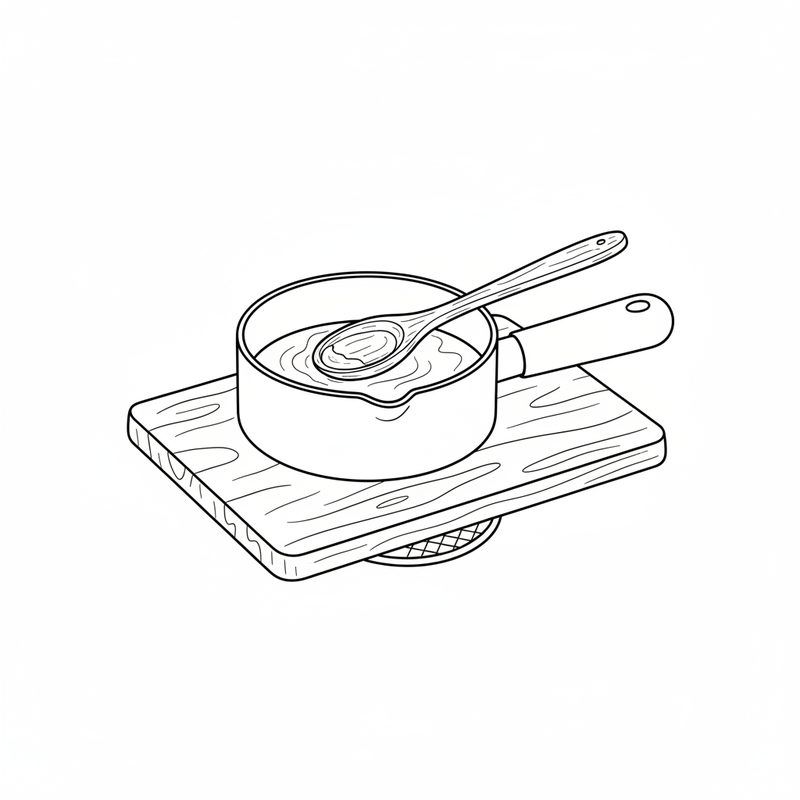
- Melt the butter in a saucepan over low heat and take it off the heat as soon as it has melted. Leave it until it is warm, not hot.
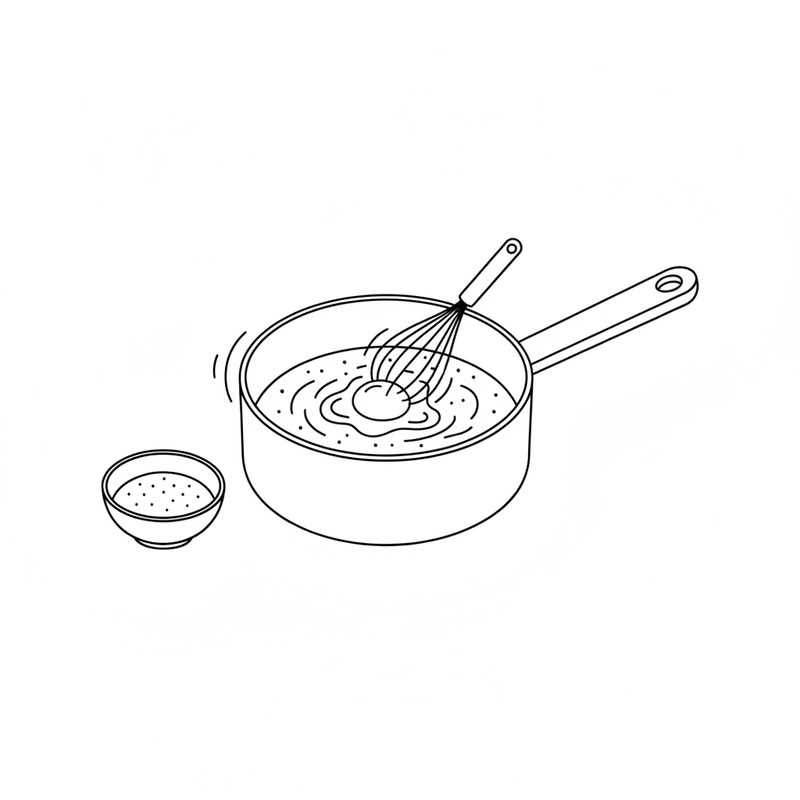
- Whisk the sugar, vanilla and egg into the butter in the pan until smooth.
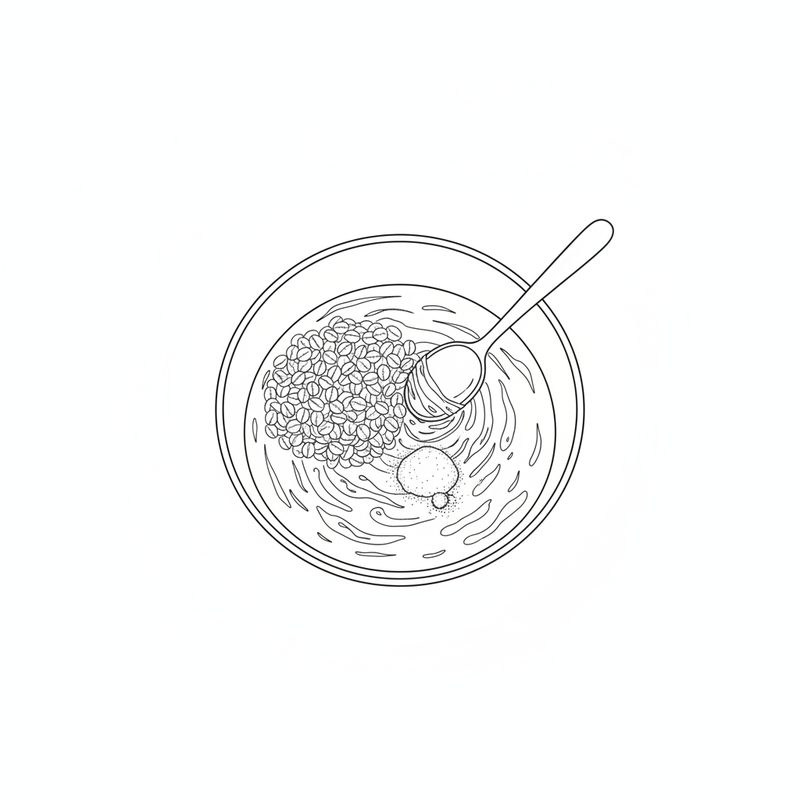
- Mix the oats, flour, baking powder and salt, then stir them into the pan until no dry oats are left.
- Put level teaspoons of batter on the trays, no more than eight per tray and well apart. They spread a lot.
- Bake one tray at a time for 8 to 12 minutes, until the edges are deep golden brown. Check early; they burn quickly.
- Leave the cookies on the tray for about 5 minutes until firm, then slide the paper onto a rack. Bake the rest of the batter on re-lined trays.
- If you like, melt the chocolate and drizzle it over the cold cookies with a fork. Let it set before stacking.
What havregrynskager are
Havregrynskager are lace cookies made with oats. Havregryn means rolled oats and kager means cakes or cookies, so the name is simply oat cookies.
The proportions explain the texture. There is more sugar than oats by weight and barely any flour, so the butter and sugar melt in the oven, carry the oats outwards and set as a thin, brittle sheet with holes in it.
Sweden has almost the same cookie under the name havreflarn. Scandinavian Cookbook’s havreflarn uses the same butter, sugar, egg, oats and tablespoon of flour as the Danish recipes, and Hygge Style subtitles its havregrynskager recipe “also known as IKEA biscuits”. If you were looking for an IKEA oat cookie recipe, that is the cookie this page makes.
The other “Danish oatmeal cookies”
A second recipe uses the same English name. On Allrecipes, Food.com and several copies of it, “Danish oatmeal cookies” are butter creamed with icing sugar, plain flour, oats and chopped pecans, baked at 165 °C (325 °F) and dusted with more icing sugar.
That is a soft, crumbly cookie, closer to a pecan sandy or a snowball cookie than to anything a Danish recipe would call havregrynskager. It is a good cookie. It is not this one, and the two cannot be swapped: one is a dough, the other a pourable batter.
How havregrynskager are eaten
Havregrynskager are a coffee biscuit: baked in a batch, kept in a tin and put out with coffee or tea in the afternoon.
Joined in pairs they become something more like a small cake. Valdemarsro brushes large ones with dark chocolate and sandwiches them with vanilla buttercream, and Kvalifood calls the sandwiched kind krokanere. For other Danish cakes that sit on the same coffee table, see kammerjunkere, brunkager and hindbærsnitter.
Do not confuse them with havregrynskugler, the no-bake chocolate oat balls. The names are close; the two have only the oats in common.
Where the published recipes disagree
Five published recipes were compared: Hygge Style, Skandibaking, Mummum.dk, Valdemarsro and Scandinavian Cookbook. Per egg, they agree on the method and differ on the amounts.
- Butter runs from 70 g to 100 g. The card uses 75 g, where Mummum, Skandibaking and Scandinavian Cookbook sit within 5 g of each other.
- Sugar runs from 125 g to 150 g. The card uses 125 g, as Skandibaking and Valdemarsro do; Mummum uses 130 g.
- Oats run from 100 g to 125 g. The card uses 100 g, as Hygge Style and Mummum do.
- Flour runs from 2 teaspoons to 30 g. The card uses 1 tablespoon, as Mummum and Scandinavian Cookbook do.
- Baking powder is 1 teaspoon in all five.
- The oven is 175 °C in three of them; Mummum uses 180 °C fan and Skandibaking 185 °C (365 °F).
The yield is where they differ most, because it depends on the spoon. Valdemarsro makes eight large cookies, Mummum ten and Skandibaking twenty. With a level teaspoon, Scandinavian Cookbook gets 30 and Hygge Style 32, which is why the card says about 30.
Melted butter, oats and vanilla
The butter is melted, not creamed, and the egg goes straight into it. If the pan is still too hot to hold your hand against, the egg cooks into strands before it can be whisked in.
Danish recipes use havregryn, and Valdemarsro specifies the fine-rolled kind, finvalsede havregryn. Outside Denmark, ordinary rolled oats work, as the English-language recipes show. Quick oats are the nearest match to the finer Danish ones.
Vanilla sugar is the Danish habit, as in the Mummum recipe. A teaspoon of vanilla extract, as Skandibaking uses, does the same job. Grated orange zest is an optional extra in both Skandibaking and Valdemarsro.
Havregrynskager, step by step
 Melt the butter and let it cool to warm.
- Whisk in the sugar, vanilla and egg.
- Stir in the oats, flour, baking powder and salt.
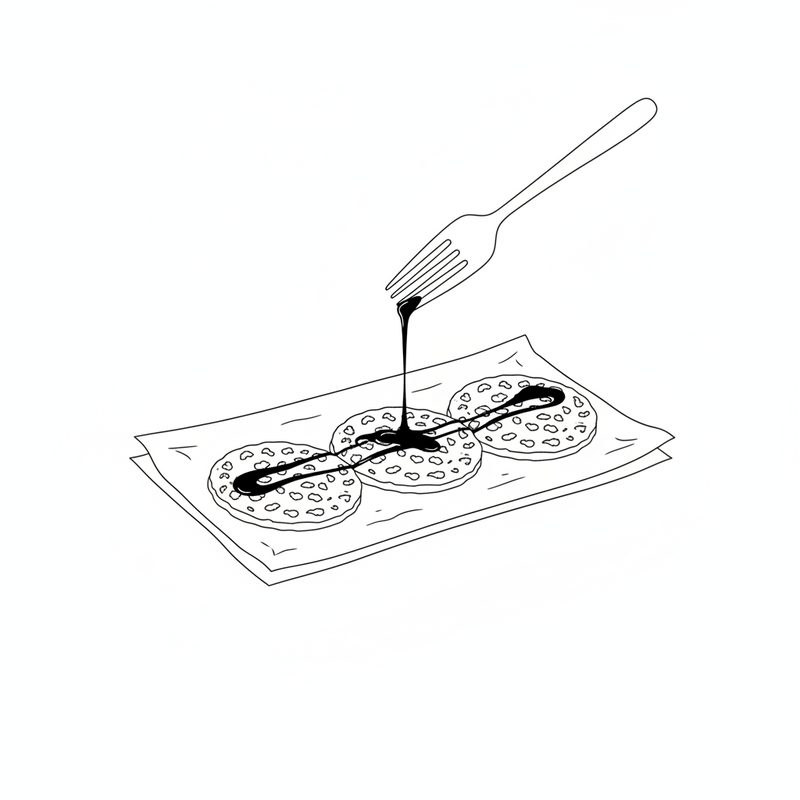
- Drizzle cold cookies with dark chocolate.
Spacing and baking
Put no more than eight cookies on a tray. Each level teaspoon of batter spreads into a wide, flat round, and crowded blobs run together into one sheet.
Bake one tray at a time and take it out when the edges are deep golden brown. Ovens vary a great deal, as Mummum notes, so check early: Hygge Style looks at 5 minutes, while most recipes land between 8 and 12.
Leave them on the tray for about 5 minutes. They come out soft and bendable and only turn crisp as they cool, so lifting them too soon tears them. Re-line the tray with fresh baking paper for each batch.
Chocolate: drizzle, dip or sandwich
Chocolate goes on cold cookies. Melt it gently and drizzle it across with a fork, or dip half of each cookie, then let it set before stacking.
Hygge Style uses 75 g of dark chocolate with a teaspoon of coconut oil for drizzling, and twice that to sandwich the cookies in pairs. The oil only makes the chocolate easier to spread; it is optional.
What goes wrong, and what it looks like
- One big sheet of cookie: too much batter per blob, or too many on the tray.
- Thick, soft middles: the blobs were too big. Use a level teaspoon.
- Threads of cooked egg in the batter: the butter was still hot.
- Cookies crack or fold when lifted: they were moved before they had cooled and set.
- Dark edges, pale centre: the oven runs hot. Check at 5 minutes and pull the tray when the edges are deep golden.
Storing havregrynskager
Keep them in an airtight tin at room temperature. Valdemarsro bakes them the day before and stores them this way until they are needed.
Sandwiched cookies do not keep as well: the filling softens them, and Valdemarsro gives them a day. Fill only what will be eaten.
Questions people ask
Are havregrynskager the same as Swedish havreflarn?
Nearly. Both are thin oat lace cookies of melted butter, sugar, egg, rolled oats and a little flour, and the published Danish and Swedish recipes differ only by a few grams.
What are Danish oat sandwich cookies?
Two havregrynskager joined with dark chocolate or vanilla buttercream. Kvalifood calls them krokanere; Valdemarsro brushes the cookies with chocolate before filling them.
Can I use quick oats instead of rolled oats?
Yes. Danish recipes often use fine-rolled oats, and quick oats are the nearest match outside Denmark. Ordinary rolled oats also work and give a coarser cookie.
Are Danish oatmeal cookies healthy?
They are a butter-and-sugar cookie: in this recipe the butter and sugar together weigh twice as much as the oats. No nutrition figures are given here because no source supplies verified ones.