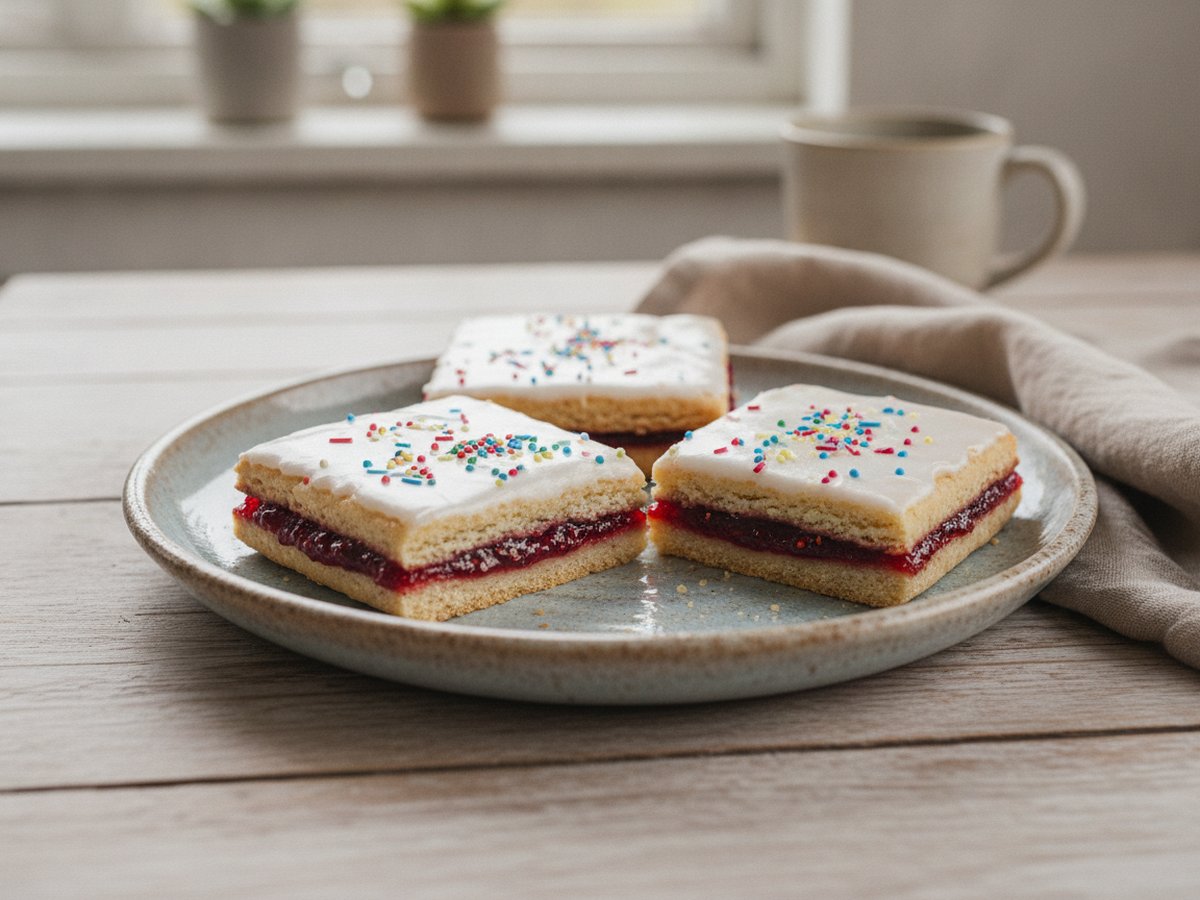
Danish raspberry squares, hindbærsnitter (roughly HIN-bair-snit-ah), are two thin sheets of vanilla shortbread sandwiched with raspberry jam, covered in white icing and cut into squares. If you searched “Danish raspberry” expecting the flaky cream-cheese pastry sold in American bakeries, that is a different thing; this is the Danish raspberry bake.
No yeast, no lamination, no proving. The pastry is a short, crumbly shortcrust, baked pale, and the whole batch makes twelve pieces from one tray of dough.
Last updated
Recipe
Danish Raspberry Squares (Hindbærsnitter)
Ingredients
For the shortbread
For the filling and icing
Method
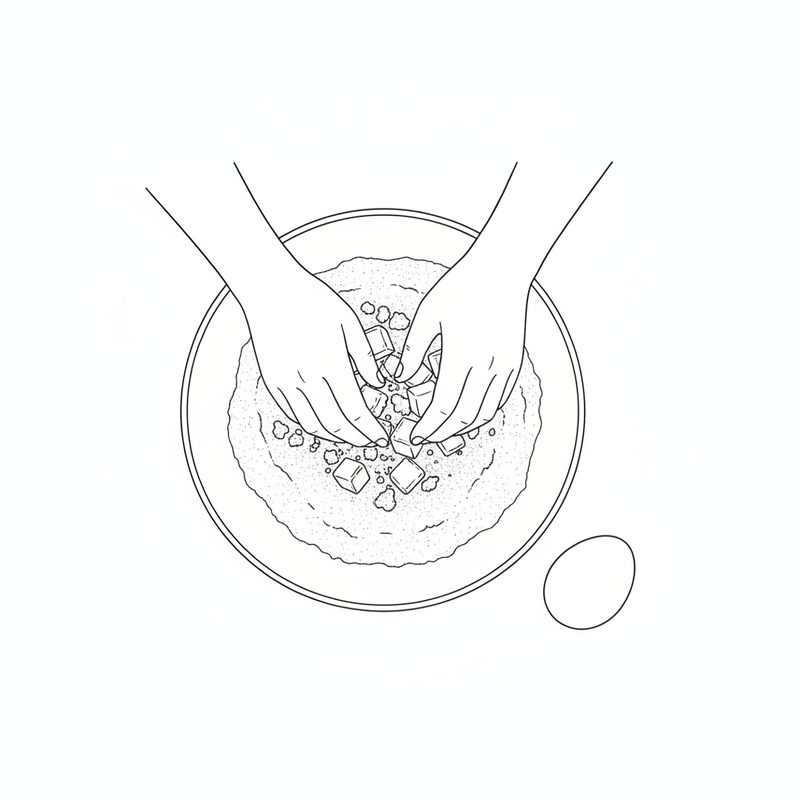
- Whisk the 345 g flour, 120 g icing sugar and the salt in a bowl. Rub in the cold cubed butter with your fingertips until the mixture looks like coarse crumbs.
- Add the egg and vanilla and press the dough together just until it holds. Divide it in two, wrap each half and chill for at least 30 minutes.
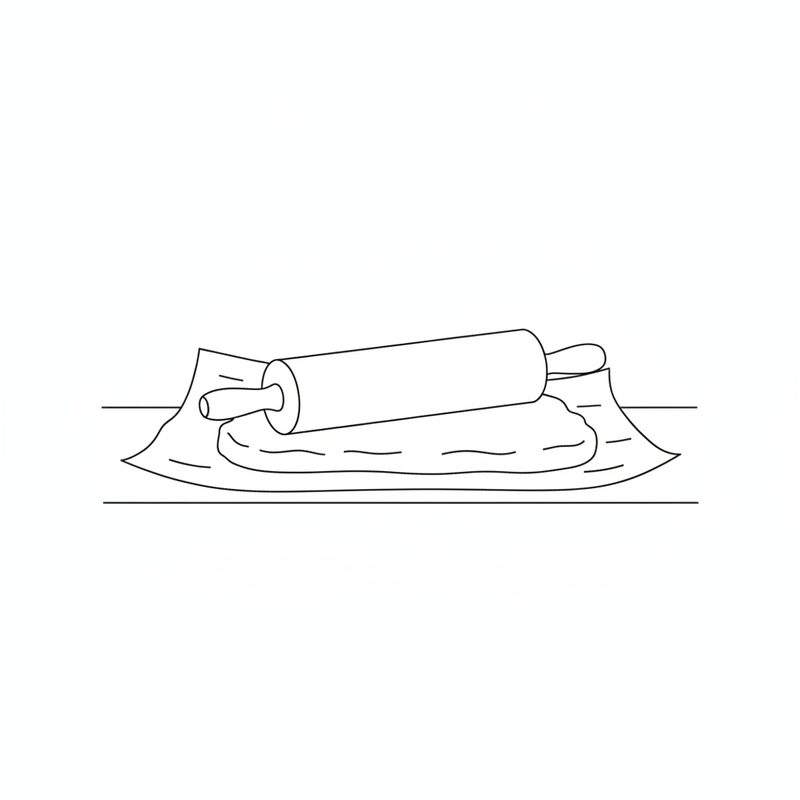
- Heat the oven to 175-180°C (350°F). Roll each half between two sheets of baking paper into a rectangle about 20 x 24 cm (8 x 9 in), keeping the two as close in size as you can. Prick both all over with a fork.
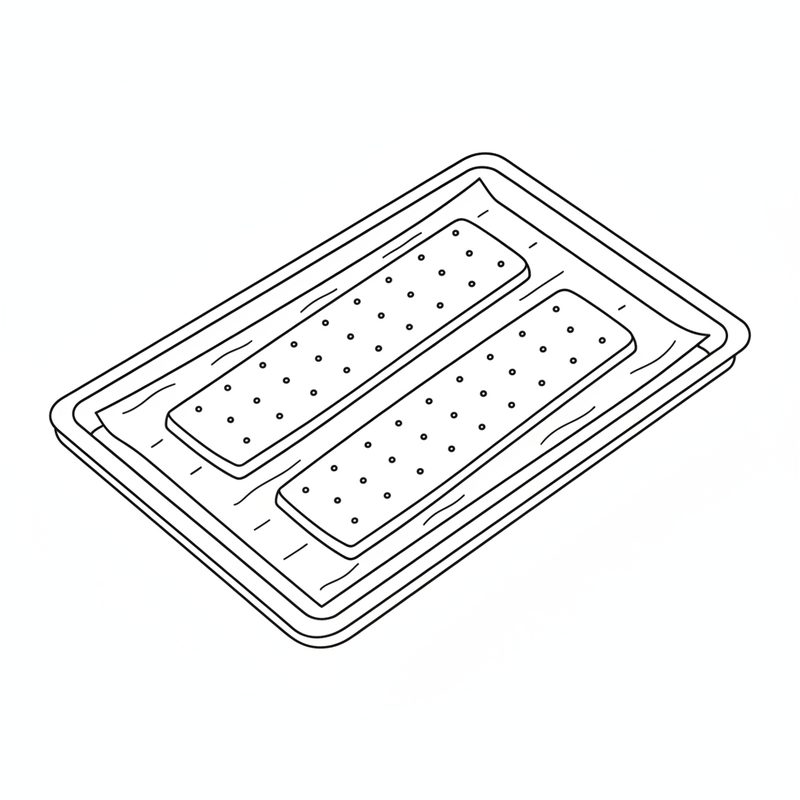
- Slide each sheet, still on its paper, onto a baking tray. Bake for 10 to 15 minutes, until set and only just colouring at the edges. Let them cool on the trays.
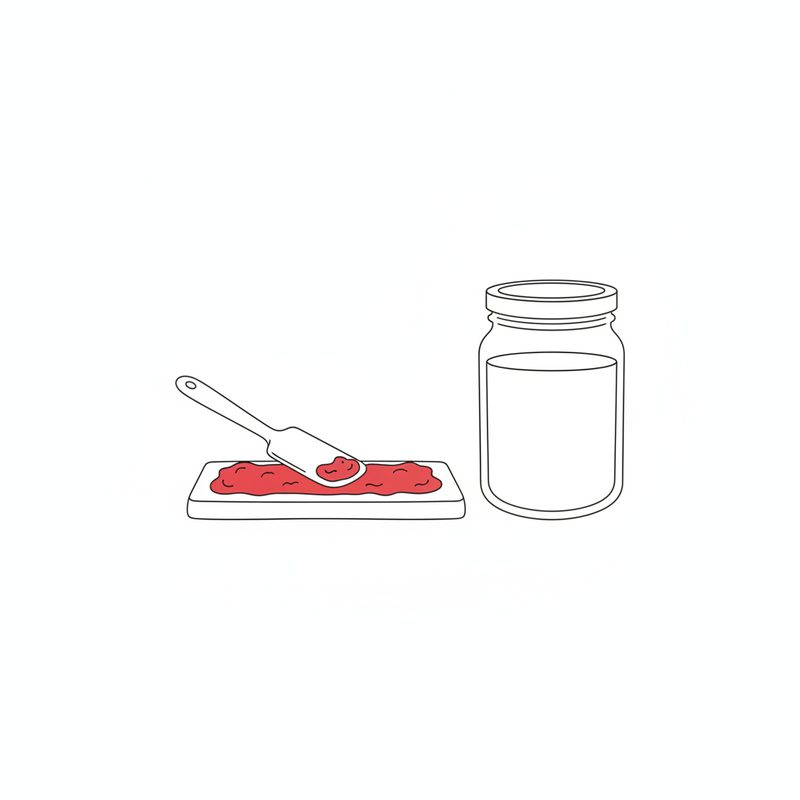
- Spread the jam evenly over one sheet. Lay the second sheet on top and press down lightly.
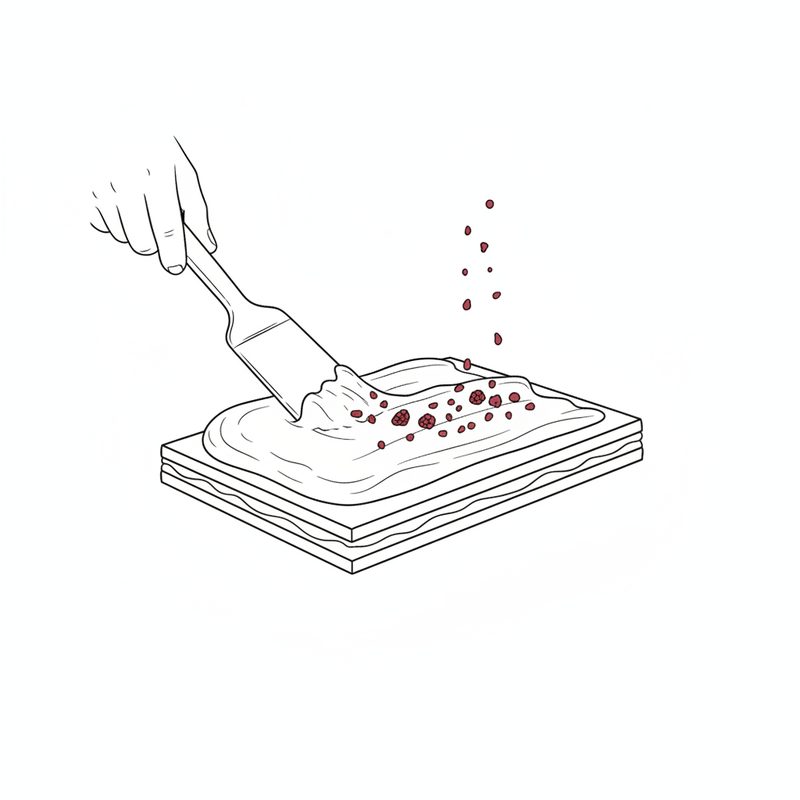
- Stir the 240 g icing sugar with 2 tbsp water, adding more water a teaspoon at a time, until the icing is thick but spreadable. Spread it over the top and scatter the crushed freeze-dried raspberries or sprinkles at once.
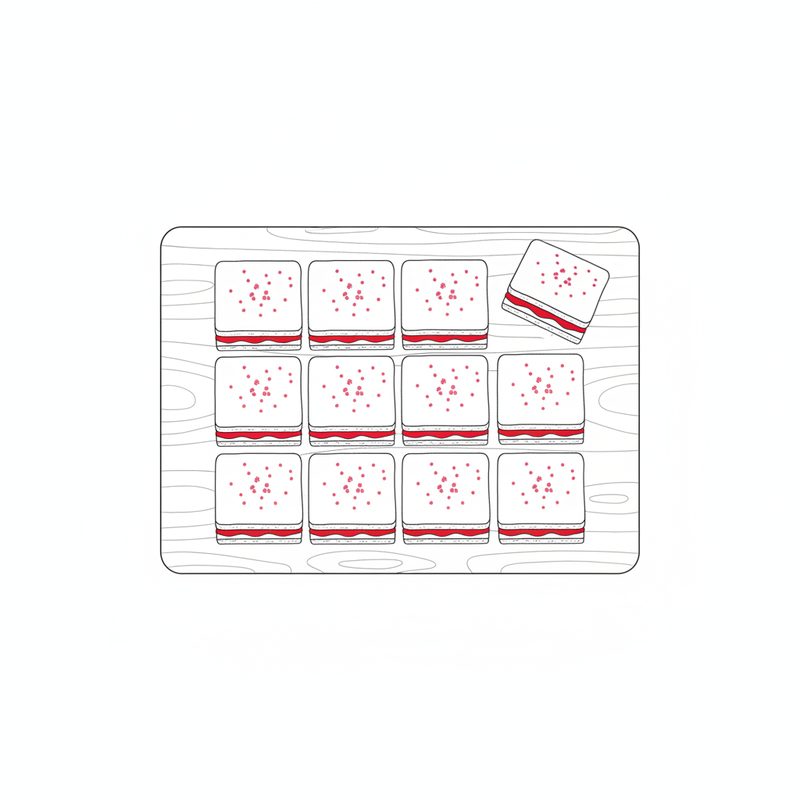
- Leave until the icing has set completely. Trim the edges with a sharp knife and cut into 12 pieces.
What Danish raspberry squares are
Hindbærsnitter are a layered bar: shortbread, jam, shortbread, icing. Hindbær is raspberry and snitter are slices, so the name simply means raspberry slices.
The pastry does most of the work. It is butter, flour, icing sugar and one egg, rolled thin and baked until it only just colours. It should snap cleanly and then go soft where it meets the jam.
The top is plain water icing, finished with crushed freeze-dried raspberries or coloured sprinkles while the icing is still wet.
Raspberry Danish or hindbærsnitter: which one is this?
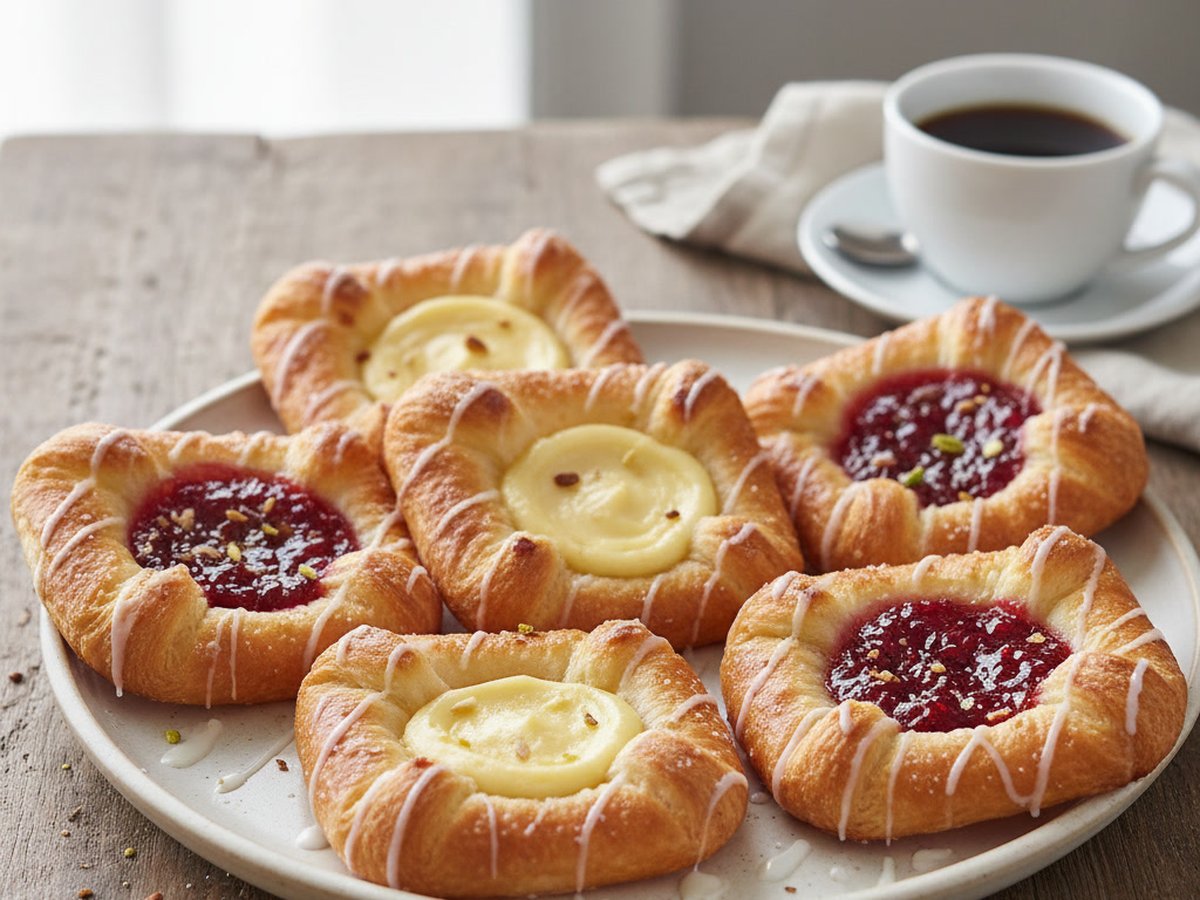
This page is hindbærsnitter. The other “raspberry Danish” is a laminated or puff pastry with sweetened cream cheese and raspberry jam in the middle and a thin glaze on top.
The two share raspberry jam and nothing else. The pastry is flaky and yeasted or puffed; hindbærsnitter are short and crumbly, closer to a biscuit. If you want the flaky one, a puff pastry recipe is what you need. If you want the one that is actually Danish in construction, read on.
How hindbærsnitter are eaten
They are eaten in the hand, as a bakery slice rather than a plated dessert. Serve them with coffee or tea.
They keep well for a few days, which is most of their appeal: bake on Saturday and there is something on the table all weekend. If you want more of the same kind of baking, kanelsnegle and kammerjunkere sit in the same place in the day, and this overview of traditional Danish food gives the wider picture.
Where the published recipes disagree
The published versions agree on the method and on most quantities, and differ on three numbers. Here is how this card settles them.
- Butter: two of the three main sources use 14 tablespoons, about 200 g; Adamant Kitchen uses a full cup. The card uses 200 g.
- Flour: the sources give 2 1/2, 2 3/4 and 3 cups. No two match, so the card takes the middle figure, from Scandinavian Cookbook: 2 3/4 cups, about 345 g.
- Jam: 1/2, 2/3 and 3/4 cup. The card again takes Scandinavian Cookbook’s middle figure, 2/3 cup. Use less for a thin stripe, more for a thick one.
- Oven: three sources bake at 175 to 180°C (350°F); Scandinavian Cookbook bakes hotter, at 190°C (375°F), for a shorter time. The card uses 175 to 180°C.
Gram weights on the card are converted from the sources’ cups and tablespoons, at 125 g per cup of flour, 120 g per cup of icing sugar and about 14 g per tablespoon of butter. Weigh if you can. Shortcrust does not forgive a heavy cup of flour.
The pastry: cold butter and a short rest
Keep the butter cold and stop working the dough the moment it holds together. Warm butter or long kneading gives a hard, tough sheet instead of a short one.
Rub the butter in until the mix looks like coarse crumbs, then add the egg and vanilla and press it together. It will look too dry at first. Resist adding water; the egg and the butter are enough.
Rest the dough in the fridge for at least 30 minutes. That is the median of the sources, which range from half an hour to an hour or more. A cold dough rolls without cracking and shrinks less in the oven.
Roll each half between two sheets of baking paper. It saves adding flour, and you can lift the whole sheet onto the tray without tearing it.
Hindbærsnitter, step by step
 Rub the cold butter into the flour and sugar.
- Roll each half between two sheets of baking paper.
- Prick and bake until set but still pale.
- Spread the jam over one sheet.
- Ice the top and scatter the raspberry crumbs at once.
- Cut into twelve once the icing has set.
Jam and icing
Use a firm, well-set raspberry jam. A loose jam soaks the bottom sheet and slides out of the sides when you cut. Adamant Kitchen specifies a firm set for the same reason.
Make the icing thick. It should hold a line drawn through it with a spoon for a second before levelling. Too thin and it runs off the edges and dries transparent; too thick and it tears the top sheet as you spread it.
Freeze-dried raspberries are not stocked everywhere. Coloured sprinkles are the nearest real substitute and appear in two of the published versions. Scatter either one straight away, because the icing crusts quickly and nothing sticks once it has.
Hindbærsnitter and Alexandertorte
Scandinavian Cookbook notes that Danish raspberry squares are almost identical to Alexandertorte, which it describes as an East German dessert with Latvian roots. The construction, shortcrust layers with raspberry jam and white icing, is the same. That is where this page leaves the history.
What goes wrong, and what it looks like
- The sheets puffed and bubbled. They were not pricked. Prick all over with a fork before baking.
- The pastry is hard and brown. Over-baked. The sheets should come out pale, just colouring at the edges; they firm up as they cool.
- The two sheets are different sizes. Normal. Stack them anyway and trim all four sides once the icing has set.
- The squares crack when cut. The icing was cut too soon or with a blunt knife. Wait until it is fully set and use a long sharp knife, pressing straight down.
The trimmed edges are the baker’s share. There are enough of them from a batch to crumb into romkugler.
Storing hindbærsnitter
Keep them in an airtight tin at room temperature. Simmer + Sauce gives a few days; Adamant Kitchen says up to two weeks in a sealed container, and that they can be frozen for longer.
The pastry softens a little each day as it takes on moisture from the jam. If you like a softer slice, day two is the one to eat.
Questions people ask
What is a raspberry Danish?
In English it usually means a flaky laminated or puff pastry filled with cream cheese and raspberry jam. The Danish raspberry bake is hindbærsnitter: two thin shortbread sheets with raspberry jam between them and white icing on top.
Can I use shop-bought jam?
Yes. Every version consulted for this recipe uses ready-made raspberry jam. Pick a firm-set one so it does not soak the pastry or run out when you cut.
Do the two sheets have to be baked separately?
No. Bake them one after the other or on two trays at once. What matters is that both are baked to the same pale colour.
Can hindbærsnitter be frozen?
Adamant Kitchen says they can be frozen for longer storage. Freeze them cut, in a single layer, and thaw them in a closed tin so condensation does not mark the icing.