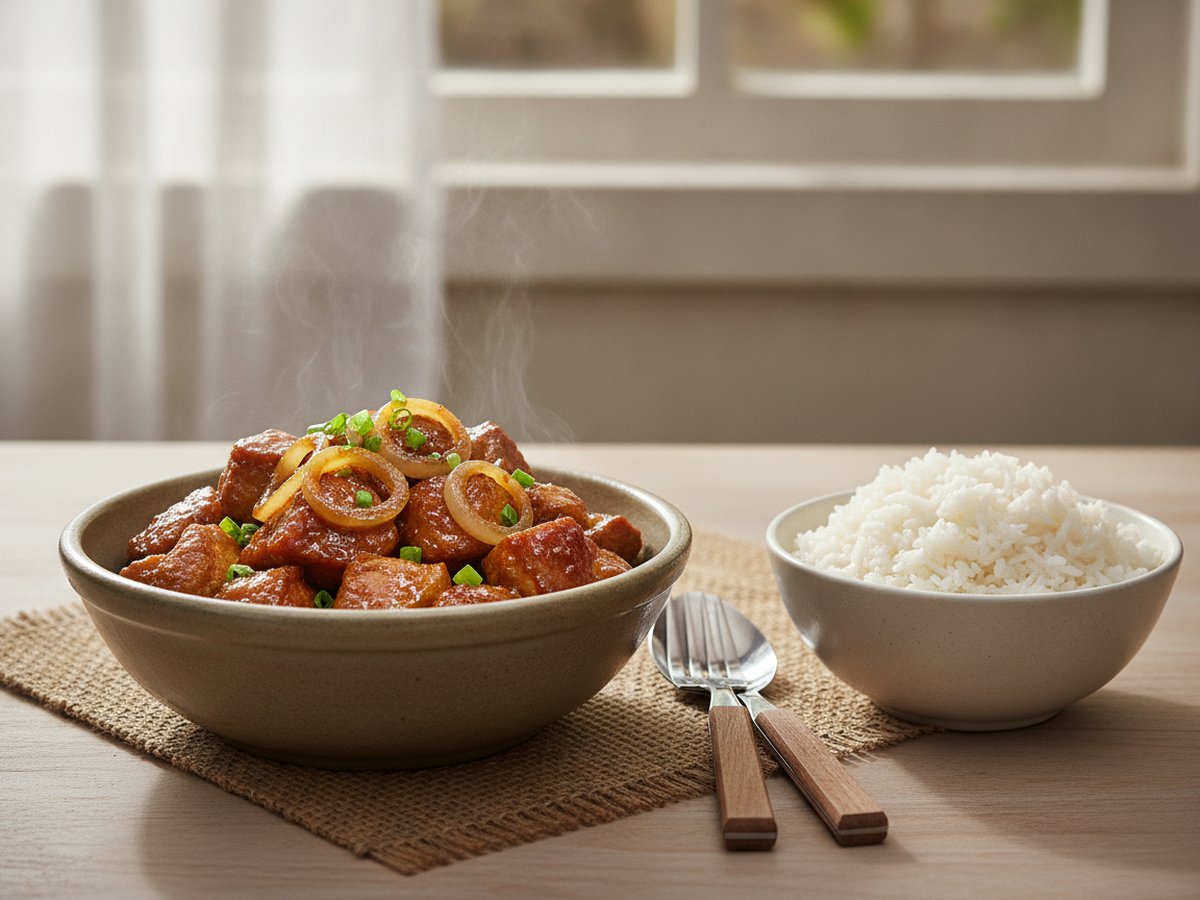
Asadong baboy, or Filipino pork asado, is pork braised in soy sauce, calamansi juice and tomato sauce until it is fork-tender, then finished with liver spread so the sauce turns thick and glossy. It is savoury and tangy, not sweet. It comes to the table sliced, with fried potatoes and a lot of rice.
This is the Kapampangan style, from Pampanga, and it is the version Google’s own answer for this search leads with. If you came for the sweet, dark asado that fills siopao, that is a different dish, and the difference is explained below.
Last updated
Recipe
Filipino Asado
Ingredients
Method
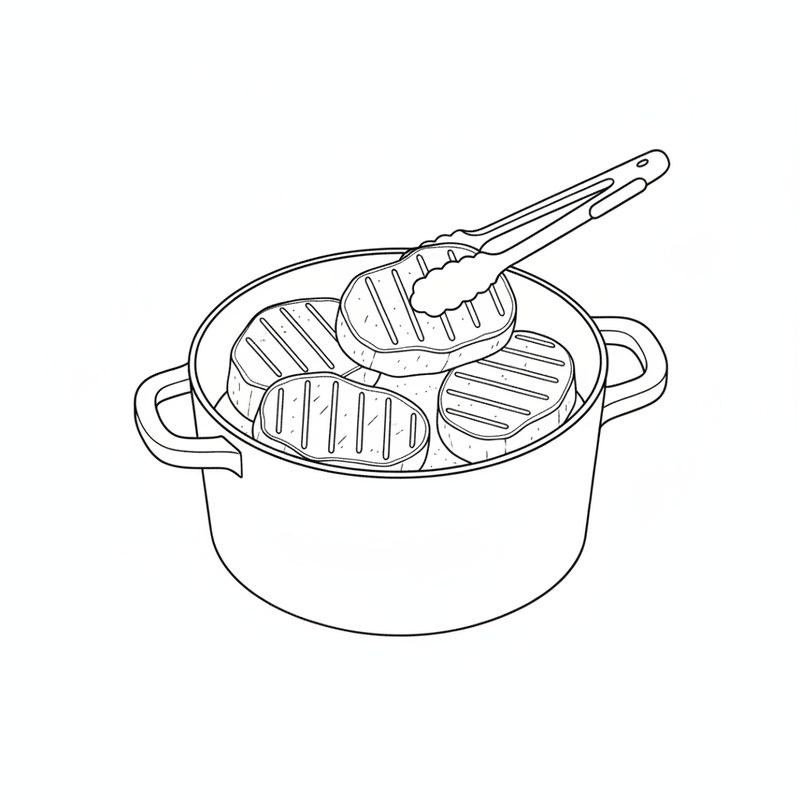
- Heat 2 tbsp of the oil in a heavy pot over medium heat. Fry the potato slices in a single layer, in batches, until lightly browned on both sides. Lift them out and set aside.
- Add the last tablespoon of oil. Sear the pork chunks on every side until browned, then lift them out.
- Cook the onion and garlic in the same pot until soft and fragrant.
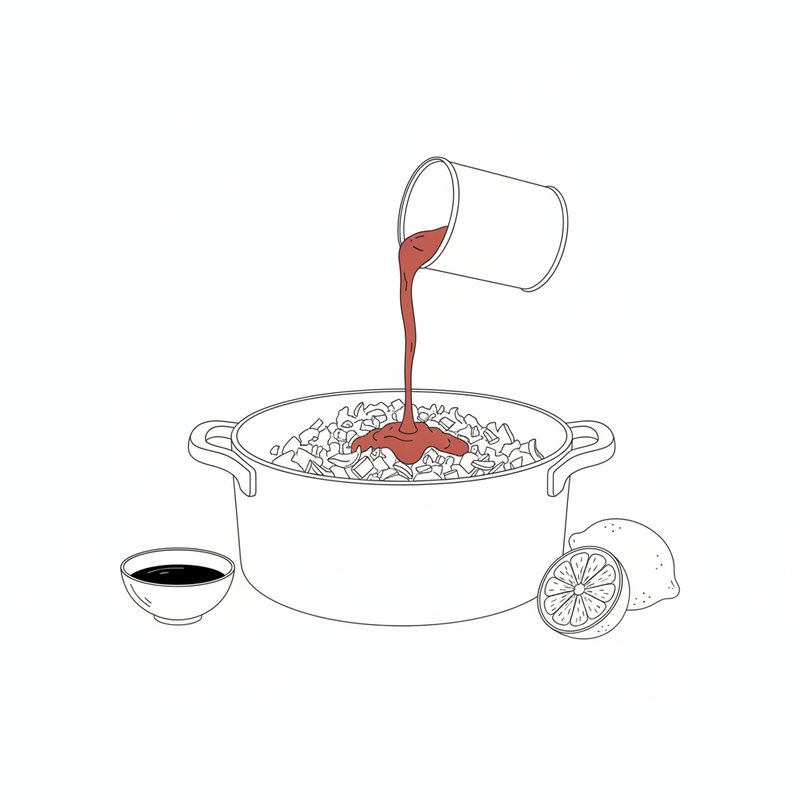
- Pour in the tomato sauce, soy sauce and calamansi juice, and scrape up the browned bits from the bottom of the pot.
- Return the pork with the bay leaf and peppercorns. Add the water and bring to a boil, skimming off any scum.
- Cover, turn the heat to low and simmer until the pork is fork-tender, 45 to 60 minutes. Turn the chunks once halfway.
- Stir the liver spread into the sauce around the pork. Turn the heat up and boil uncovered, stirring from the bottom, until the sauce coats a spoon. Season with salt.
- Lift out the pork, slice it thickly and return the slices to the sauce with the fried potatoes. Heat through.
- Serve hot with white rice.
What is asado in the Philippines?
Asado is the name of two different Filipino dishes. One is Chinese-style pork asado, which comes from Cantonese char siu: pork simmered in soy sauce, sugar and five-spice until the sauce goes dark and sticky. That is the sweet one, and the usual filling for siopao.
The other is savoury. Wikipedia files it as asado de carajay: pork, beef or chicken braised with soy sauce, calamansi, bay leaf, peppercorns and vegetables. Its Pampanga form is called asado matua, made with a whole pork shoulder or rump, tomatoes and potatoes. That is the asado on this page.
The word is Spanish and means grilled. Neither Filipino asado is grilled any more. Both are braised.
What goes into Kapampangan pork asado
Pork shoulder, soy sauce, calamansi or lemon juice, tomato sauce, onion, garlic, bay leaf, black pepper, potatoes and a small can of liver spread. Two of the three recipes behind this page use exactly that list. The third swaps the tomato sauce for fresh tomatoes and a little tomato paste.
Use shoulder, sold as kasim in the Philippines. It has enough fat to stay moist through an hour in the pot. A leaner cut works, but it dries out sooner, so start checking it earlier.
Liver spread is what makes the sauce. It thickens it and adds a deep, savoury, slightly earthy note that tomato alone does not have. One 3-ounce (85 g) can is enough for 2 pounds (900 g) of pork.
Where the three recipes agree, and where they do not
They agree on the method: brown the pork, braise it in tomato, soy and citrus, then thicken it with liver spread. They disagree on amounts, mostly because they cook different weights of pork.
| Ingredient | Foxy Folksy | Kawaling Pinoy | Yummy Kitchen | This recipe |
|---|---|---|---|---|
| Pork | 2 lb shoulder | 4 lb whole shoulder | 1/2 kg lean pork | 2 lb shoulder |
| Soy sauce | 1/2 cup | 1/4 cup | 1/4 cup | 1/4 cup |
| Calamansi or lemon | 1/4 cup | 1/2 cup | 3 calamansi | 1/4 cup |
| Tomato | 1 cup sauce | 1 cup sauce | 6 fresh tomatoes and paste | 1 cup sauce |
| Water | 2 to 3 cups | 1 1/2 cups | 1 cup | 1 1/2 cups |
| Liver spread | 3 oz | 3 oz | 3 tbsp | 3 oz |
Where two recipes agree, the card uses their number. Where none agree, the card says whose it follows: the pork weight and the citrus come from Foxy Folksy, and the water from Kawaling Pinoy, which also sits in the middle of the three. Kawaling Pinoy uses 4 garlic cloves where the other two use 2, so add more if you like garlic forward.
Pork asado, step by step
 Fry the potato slices, then lift them out.
- Sear the pork chunks on every side.
- Soften onion and garlic, then add tomato sauce, soy sauce and citrus.
- Once the pork is tender, stir in the liver spread.
- Slice the pork thickly and return it to the sauce.



How to tell when it is done
The pork is done when a fork slides into the thickest chunk and pulls out without lifting the meat. Foxy Folksy gives 45 to 60 minutes of covered simmering for 2 pounds cut into chunks. Kawaling Pinoy braises a whole 4-pound shoulder and gives it about 2 hours, so a bigger piece needs a lot longer.
The sauce is done when it coats the back of a spoon and holds a line when you run a finger through it. If it is still thin after the liver spread goes in, keep it boiling with the lid off.
Stir from the bottom once the liver spread is in. Tomato and liver both catch on the base of the pot quickly, and a scorched layer turns the whole sauce bitter.
Should you marinate the pork first?
You can, but you do not have to. Kawaling Pinoy marinates the pork in the calamansi, soy sauce, onion and garlic for 2 to 4 hours in the fridge, then pours the marinade into the braise. Foxy Folksy skips it and puts the same liquids straight into the pot.
Skipping it is fine here, because the pork spends an hour cooking in those liquids either way. If you do marinate, keep it in the fridge, drain the pork well so it browns instead of steaming, and add every drop of the marinade to the pot.
Chicken and beef asado
The same sauce works with chicken, and more people search for chicken asado than for pork. GypsyPlate and Food Faith Fitness both use 2 pounds of bone-in thighs with the skin removed. Food Faith Fitness simmers them covered for about 30 minutes, until cooked through, so start checking chicken far sooner than pork.
Beef needs longer. Panlasang Pinoy uses beef chuck and simmers it covered for 40 minutes before adding tomato paste, then keeps going until the beef is tender. Choose a stewing cut; a quick-cooking steak cut goes tough.
Some households finish the pot with grated cheese. Foxy Folksy stirs in half a cup at the end, and Wikipedia lists cheese, chorizo de Bilbao, pickles and Vienna sausages among the extras families add to the Pampanga version.
What to serve with asado
Plain white rice, and more than you think, because the sauce is the point. Sinangag, Filipino garlic fried rice, works as well if you have leftover rice.
If you like this kind of braise, mechado and beef afritada are close relatives: meat braised in tomato sauce with potatoes. For the sweet Chinese-style asado in steamed buns, this site has a siopao sauce to go with them.
Storing and reheating asado
Refrigerate leftovers within 2 hours of cooking and eat them within 3 to 4 days. That is the USDA guidance for cooked leftovers, and it applies here.
The sauce sets thick in the fridge. Reheat it over low heat with a splash of water, stirring from the bottom, until it is steaming hot all the way through, 165°F (74°C) by the USDA reheating guidance.
This is a good dish to cook a day ahead. Keep the fried potatoes separate and warm them in the sauce at the end. The meat and sauce freeze well; potatoes go grainy in the freezer, so fry fresh ones when you reheat.
Questions people ask
Is Filipino asado sweet?
Kapampangan asado is not. It is savoury and tangy, from soy sauce, citrus and tomato. The sweet one is Chinese-style pork asado, cooked with brown sugar and five-spice, which is the filling in siopao.
Can I use lemon instead of calamansi?
Yes. Foxy Folksy and Food Faith Fitness both list lemon juice as the stand-in, measure for measure. Lemon is a little sharper, so taste the sauce before adding salt.
Can I make asado without liver spread?
Yes, but the sauce will be thinner and less rich. All three pork recipes behind this page use it. Without it, boil the sauce down longer with the lid off until it coats a spoon.
What cut of pork is best for asado?
Shoulder, called kasim. Wikipedia names shoulder or rump for the Pampanga version, and both recipes on this page that name a cut use shoulder. It has the fat to stay moist through a long braise.
What is the difference between pork asado and chicken asado?
Only the meat and the time. The sauce is the same soy, citrus and tomato braise. Chicken thighs are done in about 30 minutes of covered simmering; pork shoulder takes 45 to 60 minutes in chunks.