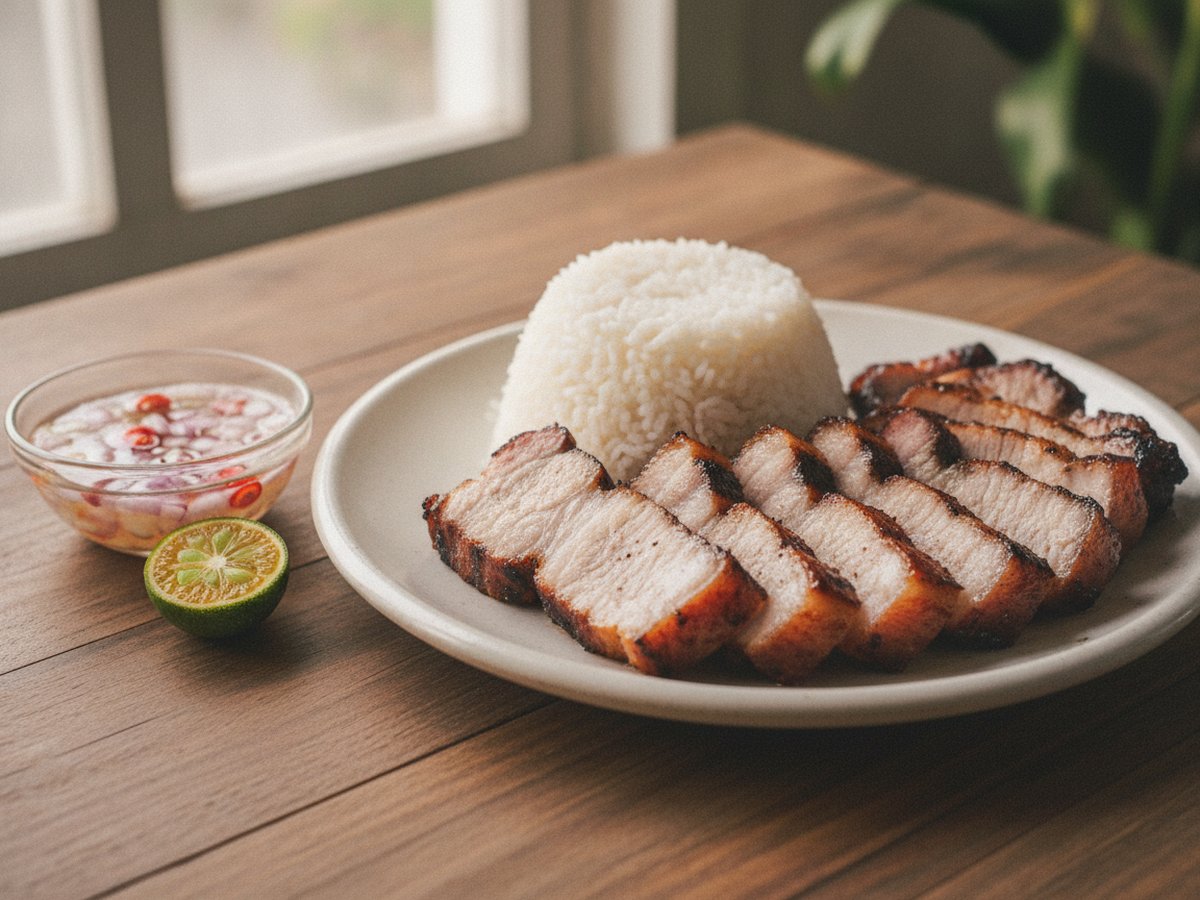
Liempo is the Filipino word for pork belly, and inihaw na liempo is pork belly sliced into thick strips, marinated in soy sauce, calamansi and garlic, then grilled and basted with banana ketchup until the edges char and turn sticky. It tastes salty, sour and a little sweet, with crisp fat at the rim and juicy meat in the middle.
You need 2 pounds of pork belly, at least 3 hours of marinating, and about 20 minutes on the grill. Serve it sliced, with hot rice and a bowl of spiced vinegar for dipping.
Last updated
Recipe
Inihaw na Liempo (Filipino Grilled Pork Belly)
Ingredients
For the marinade
For the basting sauce
Method
- Slice the pork belly into strips about 1/2 inch thick and pat them dry.
- In a large bowl, whisk the soy sauce, calamansi juice, garlic, brown sugar, salt and pepper until the sugar dissolves. Taste it: it should be salty and sour with a little sweetness.
- Add the pork and toss until every strip is coated. Cover and refrigerate for at least 3 hours, or overnight, turning the pieces once.
- Lift the pork out and let the excess drip off. Pour the marinade into a small saucepan and boil it for 3 to 5 minutes. Take it off the heat and stir in the banana ketchup and oil. This is the basting sauce.
- Heat the grill to medium and oil the grates. Grill the pork in a single layer, turning every few minutes and basting after each turn, until the edges are charred and sticky and the meat reaches 145°F (63°C), about 15 to 20 minutes in total.
- Rest the pork for 3 minutes, then slice it into bite-sized pieces. Serve hot with steamed rice and spiced vinegar.
What is liempo?
Liempo is pork belly, the boneless cut from the underside of the pig with alternating layers of fat and lean meat. In the Philippines the word is used for the raw cut at the market and, more loosely, for the grilled dish made from it.
The full name of the grilled dish is inihaw na liempo. “Inihaw” means grilled. You will also see it called liempo barbecue, BBQ liempo or Filipino grilled pork belly. When a menu just says “liempo”, it almost always means this: strips of belly, cooked over charcoal, sliced and eaten with rice.
It is not the same as lechon liempo, which is a whole slab of skin-on belly, rolled, tied and roasted for hours until the skin crackles. More on the difference below.
Liempo ingredients
The marinade is soy sauce, citrus, garlic and a little sugar. The baste is banana ketchup and oil. That is the whole dish.
- Pork belly. Buy it skinless or skin-on, sliced about 1/2 inch thick. Thinner strips dry out and burn before the fat renders. Thicker ones char outside while the middle stays underdone. Pork shoulder or pork chops with some fat on them also work.
- Soy sauce. The salt in the marinade. Use a regular all-purpose soy sauce.
- Calamansi juice. The small, sour Filipino citrus. Lime or lemon juice is the honest substitute when you cannot find it. The juice of 2 limes is roughly the 1/4 cup on the card.
- Garlic. Crushed or minced. Five cloves is the baseline. Many cooks use a whole head, and that is fine.
- Brown sugar. Balances the sour and helps the edges caramelise.
- Banana ketchup. Sweet, tangy and red. It goes on as a glaze while the pork grills, not into the soak. Look for it in Asian grocery stores. Tomato ketchup works, but the glaze will taste less sweet and fruity.
A note on the amounts. We compared five published versions for the same 2 pounds of pork. Soy sauce, salt, pepper and oil are where two or more of them agree. Calamansi is the one people argue about: some recipes use 1/4 cup, others double it or more. This card stays at 1/4 cup, so the marinade is salty-sour rather than sharp. If you like it more sour, add more juice and taste the marinade first.
How to grill liempo
Slice, marinate, boil the leftover marinade into a glaze, then grill on medium heat while you keep turning and basting. Medium heat matters more than anything else here.
 Slice into strips.
- Marinate.
- Boil marinade, add ketchup.
- Grill on medium.
- Turn and baste.
- Rest and slice.
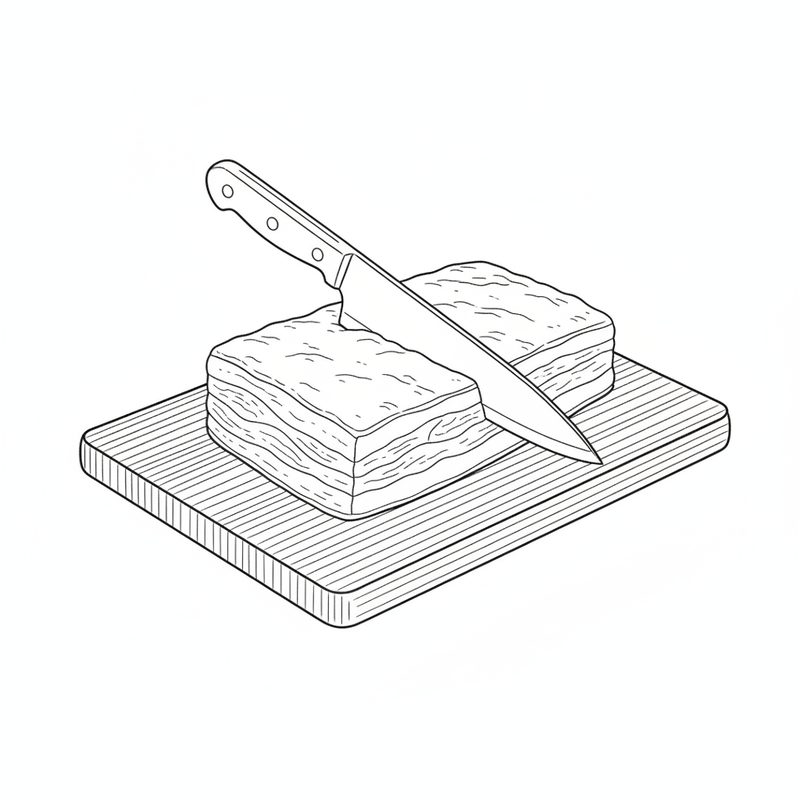
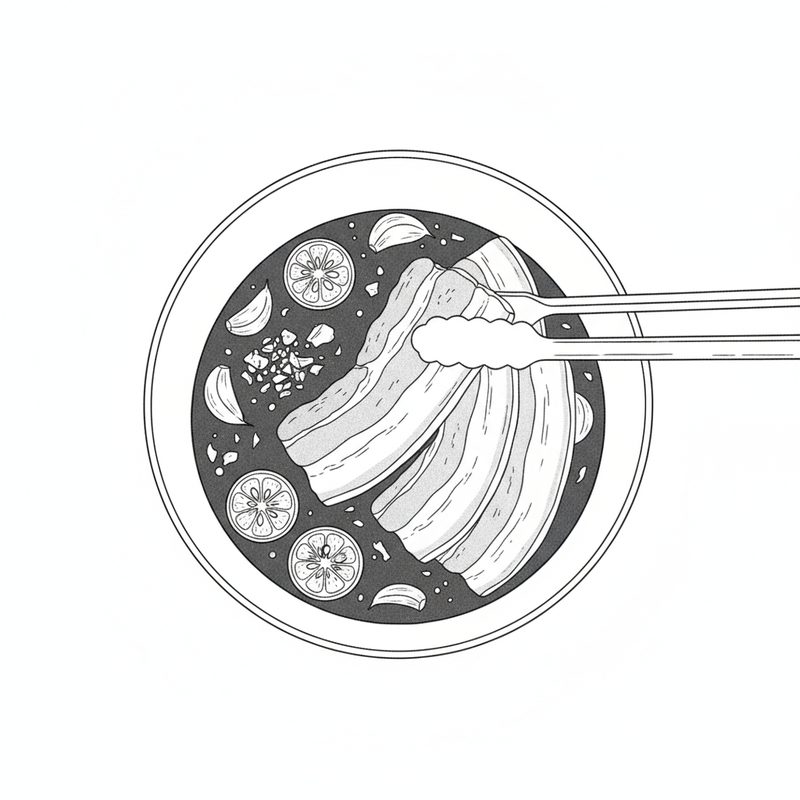
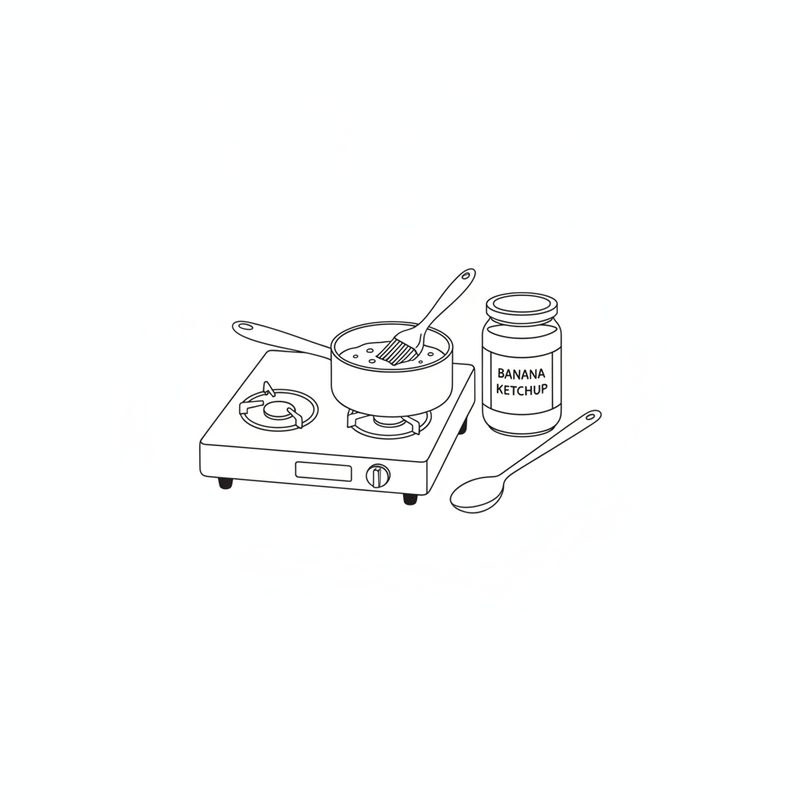
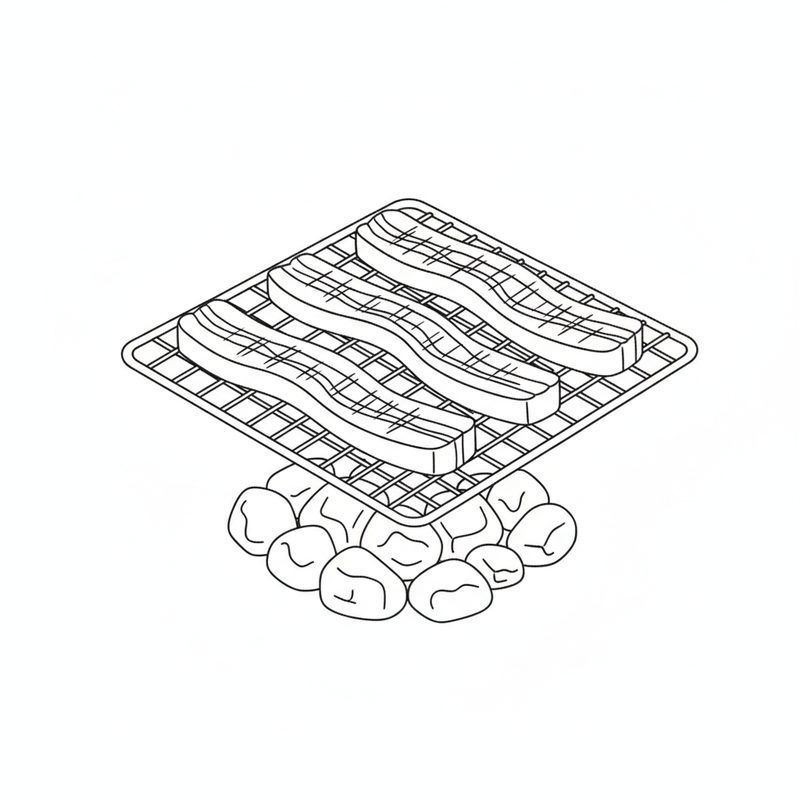
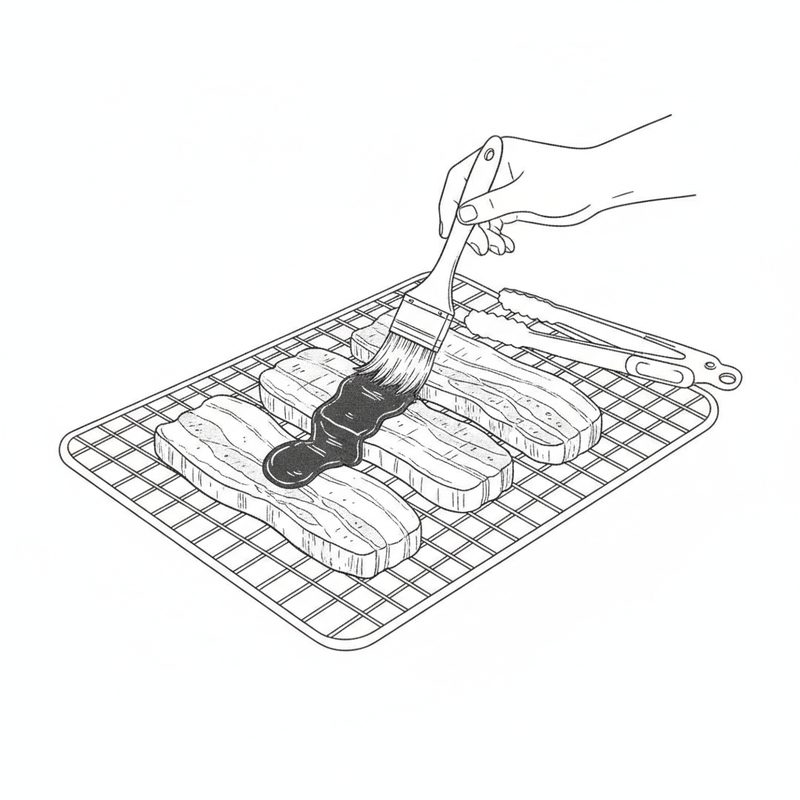
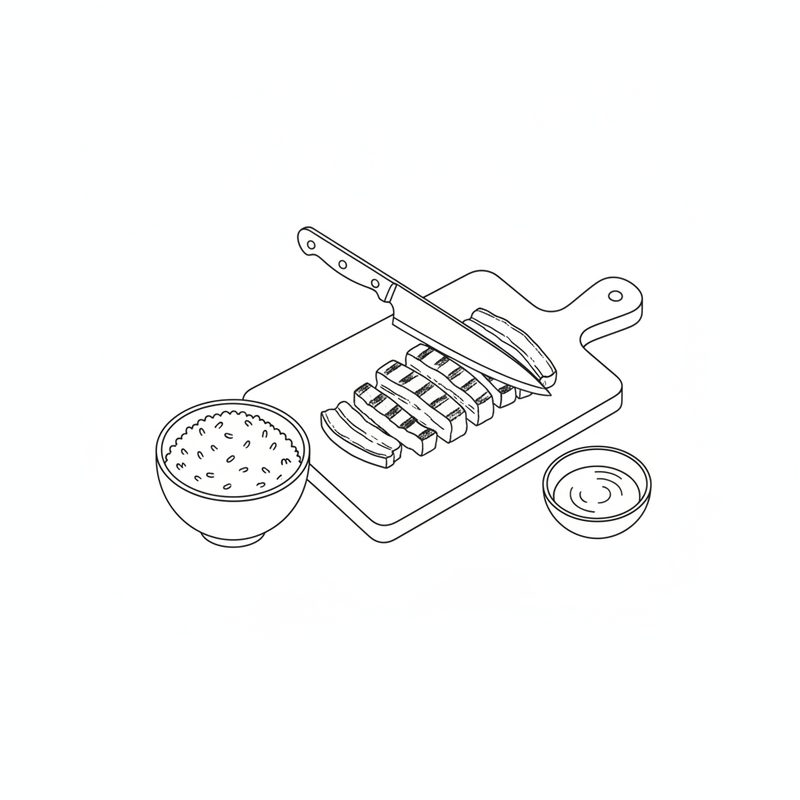
Two things to watch. First, the sugar. Brown sugar and banana ketchup both burn, so flip the strips every few minutes. If the edges go from dark brown to black before the fat has turned translucent, the fire is too hot. Move the pork to a cooler part of the grill.
Second, the leftover marinade. It has had raw pork sitting in it for hours, so it is boiled for 3 to 5 minutes before it goes anywhere near cooked meat. Do not skip this to save a pan.
Pork is safe at 145°F (63°C) followed by a 3-minute rest. Check the thickest strip with a thermometer. Without one, cut into it: the juices should run clear and the meat should have no pink left.
Liempo without a grill
Yes, you can make liempo indoors. You lose some of the smoky charcoal taste, but the glaze still caramelises.
- Oven broiler. Lay the strips on a wire rack over a lined baking sheet and broil on high for 8 to 10 minutes per side, basting halfway. Watch the last few minutes closely.
- Grill pan or skillet. Cook over medium heat with a little oil, turning and basting the same way. Pour off the fat that collects, or the pork fries instead of browning.
Inihaw na liempo vs lechon liempo vs lechon kawali
All three are pork belly. The cut is the same; the method and the result are not.
| Dish | How it is cooked | What you get |
|---|---|---|
| Inihaw na liempo | Marinated strips, grilled and basted | Sticky, charred edges, juicy slices |
| Lechon liempo | Whole skin-on slab, seasoned, rolled, tied and roasted for hours | Crackling skin, sliced into rounds |
| Lechon kawali | Boiled, then deep-fried in chunks | Blistered, crunchy skin |
If crunchy skin is what you are after, make lechon kawali and serve it with lechon kawali sauce. If you want the grill, this is the one.
What to serve with liempo
Steamed white rice and a dipping sauce. Grilled pork belly is rich, so the plate needs something sour next to it.
- Spiced vinegar. Vinegar with minced garlic, chopped onion, salt, pepper and chili. Kawaling Pinoy’s version is 1 cup vinegar, 4 cloves garlic, 2 tablespoons onion, 1/2 teaspoon salt and 1/4 teaspoon pepper.
- Toyomansi. Soy sauce and calamansi juice, with sliced chili if you like heat.
- Atchara. Pickled green papaya. Sweet, sour and crunchy, it cuts the fat.
- Sliced tomatoes and onions, raw, with a little salt.
Cooking for a crowd? Put liempo on the grill next to Filipino beef inihaw. Both use the same heat and the same kind of soy-citrus marinade.
Storing and making ahead
Liempo is a make-ahead dish. The marinating does most of the work, so prepare it the night before.
- Marinade time. At least 3 hours, overnight is better, and no more than 24 hours. The citrus keeps working, and after a day the outside of the pork turns soft.
- Freezing. Freeze the raw pork in its marinade for up to 1 month. Thaw it in the fridge, then grill as usual.
- Leftovers. Keep the cooked liempo covered in the fridge. Reheat it in a hot pan or under the broiler so the edges crisp again; a microwave makes the fat soft. Or chop it and stir it into fried rice.
Questions people ask
Where does liempo come from?
Liempo is the Filipino name for pork belly, and inihaw na liempo, grilled pork belly, is a Filipino dish. It is usually sliced and eaten with steamed rice and a vinegar dip.
How do you make Filipino pork belly barbecue?
Slice pork belly 1/2 inch thick, marinate it for at least 3 hours in soy sauce, calamansi, garlic, brown sugar, salt and pepper, then grill it on medium heat for about 15 to 20 minutes, basting with boiled marinade mixed with banana ketchup.
Can you roast pork belly instead of grilling it?
Yes. For this recipe, broil the marinated strips on a rack on high for 8 to 10 minutes per side, basting halfway. For roasted lechon liempo, a whole slab of skin-on belly is rolled, tied and roasted slowly until the skin crackles.
How long does it take to cook lechon liempo?
About 3 hours for a whole rolled pork belly of around 5 pounds, roasted over indirect heat. Grilled liempo strips are much faster, about 15 to 20 minutes.
How long should liempo marinate?
At least 3 hours, ideally overnight, and no longer than 24 hours. The acid in the citrus softens the outside of the pork if it sits too long.
What cut of pork is best for liempo?
Pork belly, sliced about 1/2 inch thick. Pork shoulder or pork chops with a little fat on them can be used the same way.