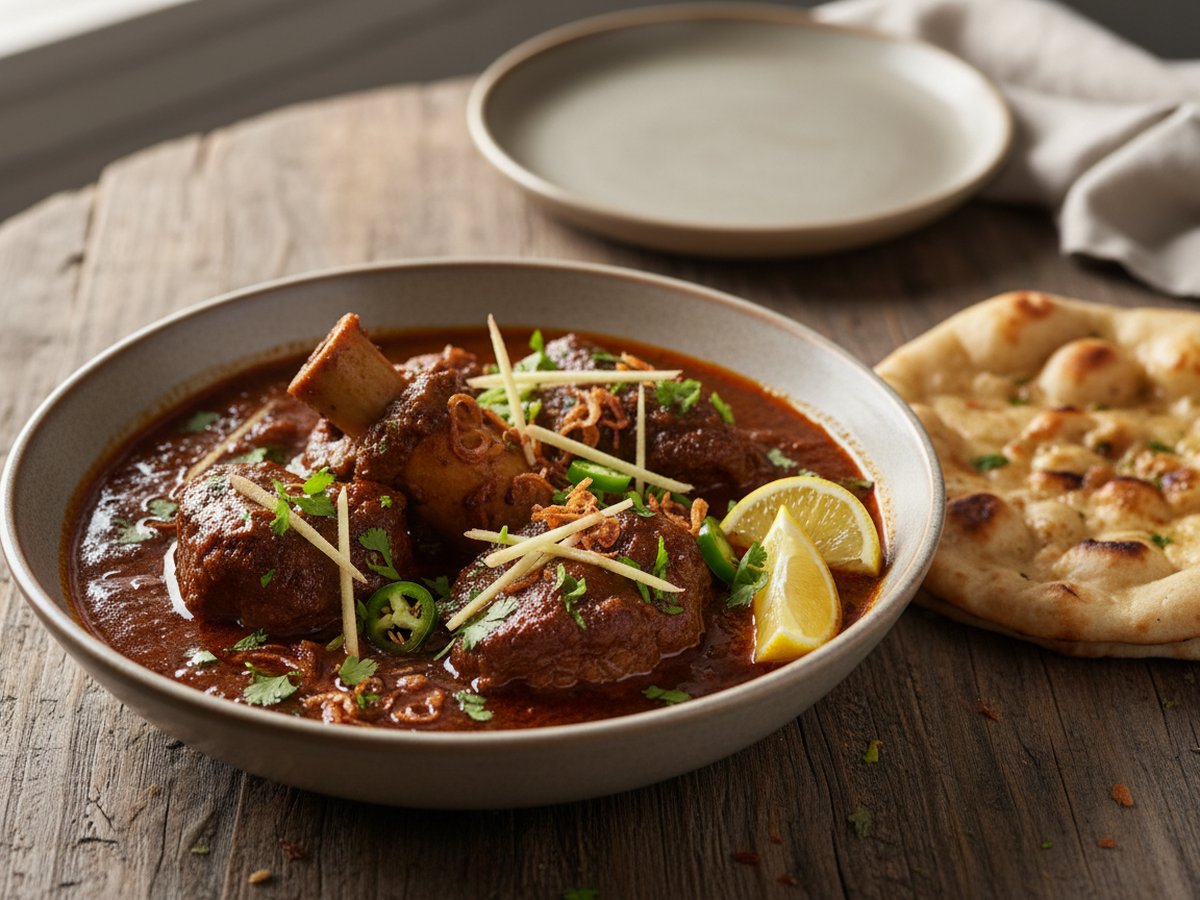
Nihari is a slow-cooked meat stew from the Indian subcontinent, made from shank simmered for hours in a fennel- and ginger-led spice blend, then thickened with whole wheat flour and finished with hot chilli ghee. This version uses 900 g of bone-in beef shank, serves 8 and takes about four and a half hours, almost all of it hands-off simmering.
The one thing that decides whether it works is the flour: stirred into the pot and then boiled, it turns thin broth into a glossy, spoon-coating gravy. Skip the boil and the whole pot tastes of raw dough.
Last updated
Recipe
Nihari Recipe (Pakistani Slow-Cooked Beef Stew)
Ingredients
Nihari masala
Stew
To thicken
Chilli ghee and garnish
Method
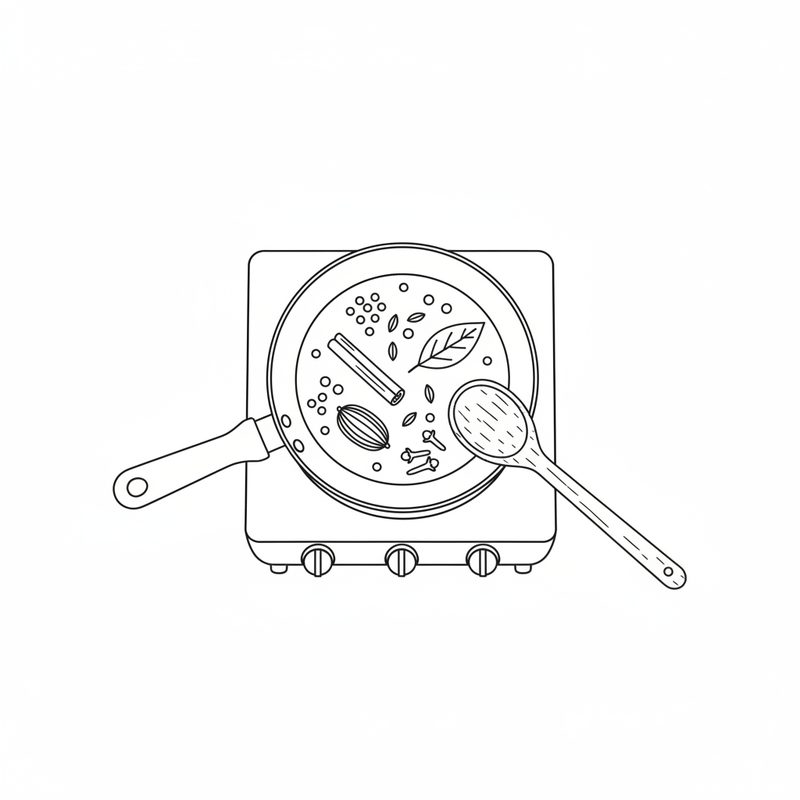
- Toast all the nihari masala spices in a dry pan over medium heat for 1-2 minutes, until the fennel smells sweet. Cool, then grind to a fine powder.
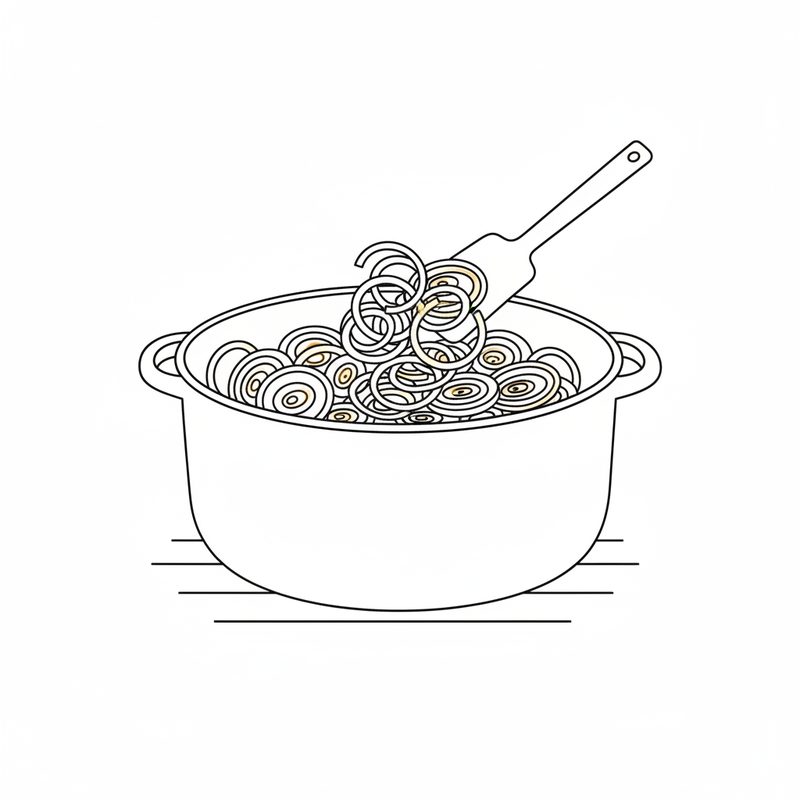
- Heat the oil in a large heavy pot over medium-high heat and fry the onion for about 10 minutes, until golden brown. Lift it out onto paper towel, leaving the oil in the pot.
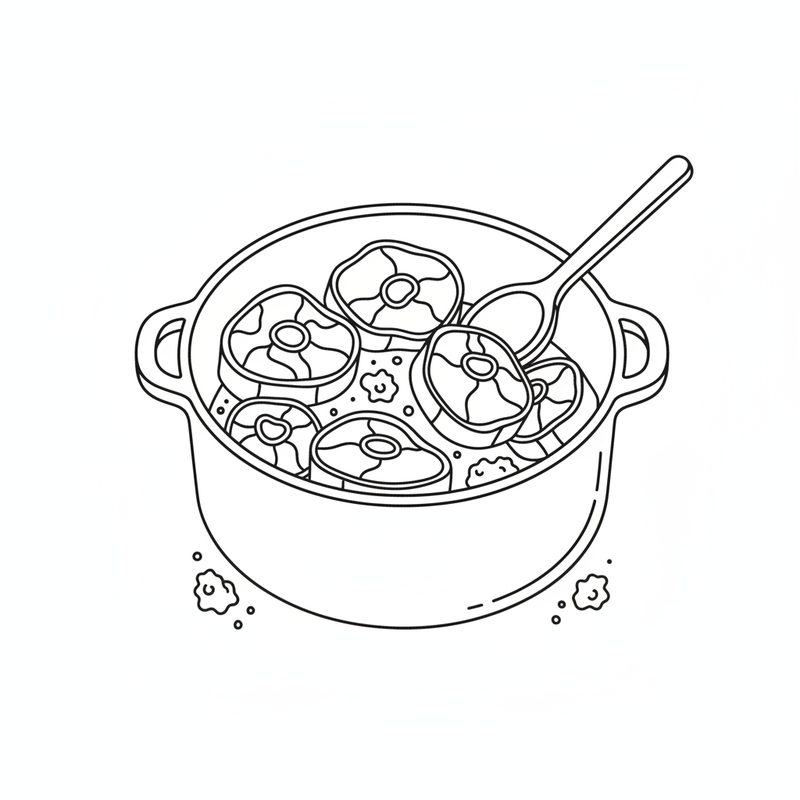
- Add the beef and marrow bones, if using, with the ginger and garlic pastes, the Kashmiri and hot chilli powders, ground coriander, turmeric and salt. Stir-fry for 4-5 minutes, until the meat has browned and the paste smells cooked rather than raw.
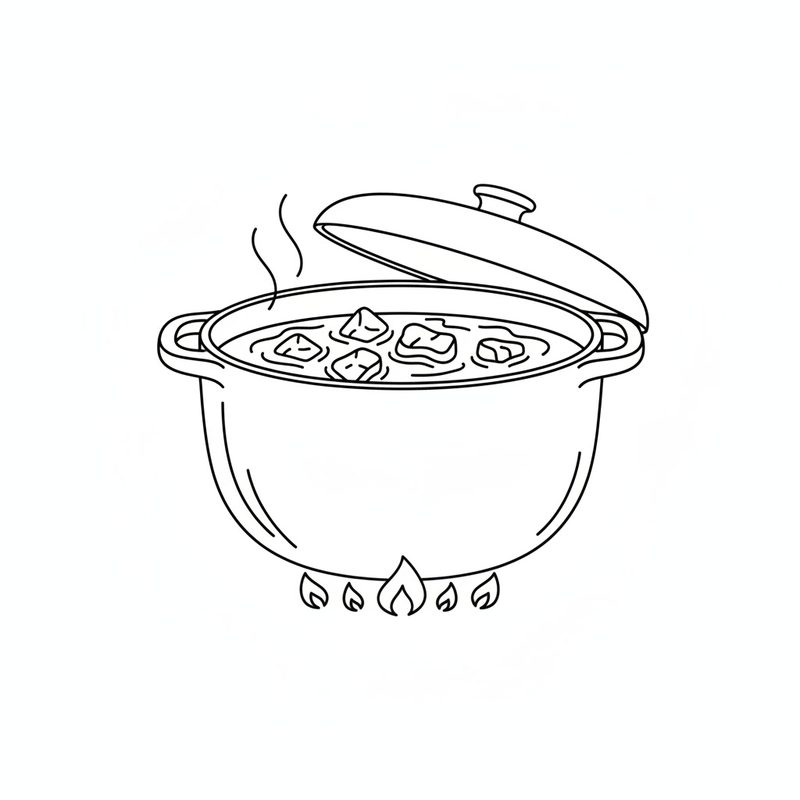
- Stir in the ground nihari masala and the water and bring to a boil. Cover, turn the heat to low and simmer for 3 1/2 to 4 hours, until the shank gives when pressed with a spoon. Top up with hot water whenever the meat is no longer covered, and skim off any grey scum.
- Crush the fried onions with your fingers and stir them back into the pot.
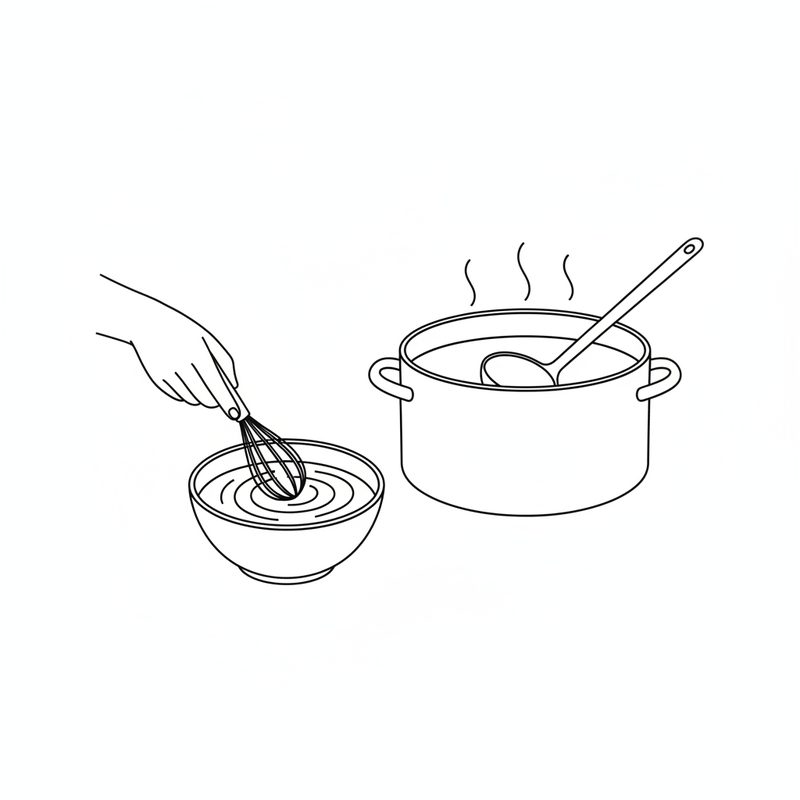
- Whisk the atta into the cold water until smooth. Pour it slowly into the pot while stirring, bring back to a full boil, then simmer on low for 15-20 minutes, until the gravy is glossy and coats a spoon.
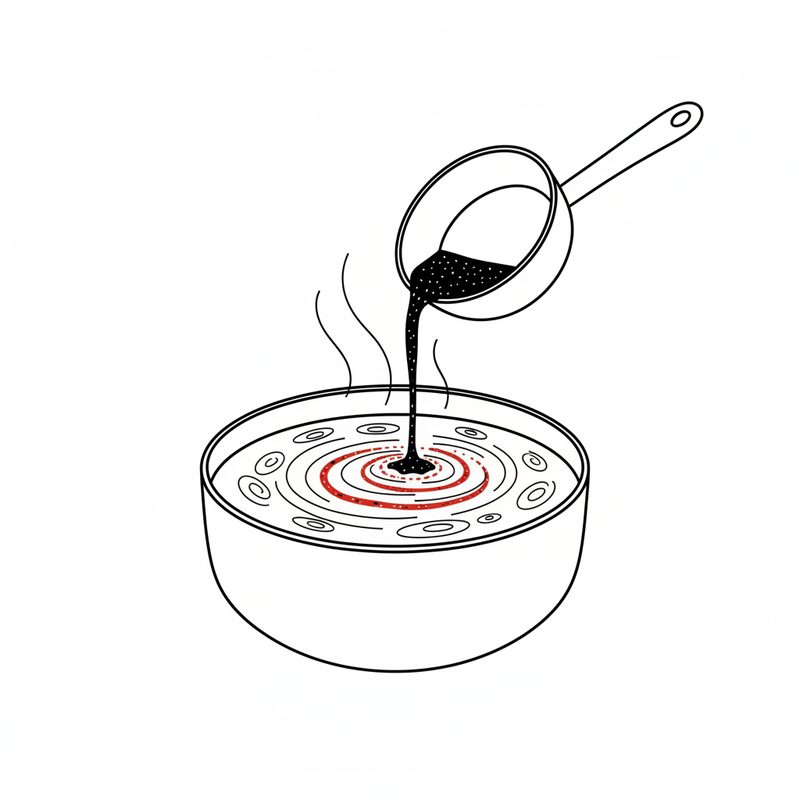
- Heat the ghee in a small pan, take it off the heat, stir in the chilli powder and pour it over the nihari at once.
- Serve hot, topped with the ginger, green chillies and coriander, with lemon wedges and naan on the side.
What nihari is
Nihari is shank meat cooked in spiced water until it falls off the bone, with the cooking liquid thickened into a gravy at the end. The meat is usually beef in Pakistan, and lamb, mutton or goat elsewhere. It is traditionally a breakfast dish, eaten early with bread, although restaurants now serve it all day.
Three things separate it from an ordinary curry. There is no tomato and no yogurt in most versions. The spice blend leans on fennel, dried ginger, long pepper and black cardamom rather than on garam masala alone. And the gravy is thickened with atta, whole wheat flour, rather than reduced.
Is nihari Indian or Pakistani?
Both. Wikipedia places its origin in 18th-century Lucknow and Delhi, and records that after partition in 1947 migrants from northern India opened nihari restaurants in Karachi, where it became a staple. BBC Good Food describes it as the national dish of Pakistan. The exact city and date of origin are disputed between sources, so this page does not pick one.
The regional styles did drift apart. According to BBC Good Food, Karachi nihari became spicier and the Lahori version tends to carry more bone marrow. The recipe below sits between the two: a medium chilli level you can push either way, and optional marrow bones.
What meat is nihari made of?
Shank. Every source consulted here uses a shank or a similarly bony, sinewy cut: beef shank at Two Cloves in a Pot, Flour & Spice and Tea for Turmeric, lamb shanks at BBC Good Food and Tiffin and Tea, bone-in short ribs at Bon Appetit. Wikipedia lists beef, lamb, mutton and goat.
The reason is collagen. A lean cut dries out over four hours; a shank turns soft and releases gelatin, and that gelatin is half of what makes the gravy cling. Ask for cross-cut beef shank with the bone in, in pieces about 7.5 cm (3 inches) across. Boneless stewing beef works, but the gravy is thinner and the meat is ready sooner, so check it after about two and a half hours.
Nihari masala: grind it or buy it
Grinding your own takes five minutes and gives a brighter, more peppery blend. No two published blends agree, so rather than average them into something no one has cooked, the card uses the Flour & Spice blend whole, because it is written for the same 900 g of beef. Toast the whole spices in a dry pan for a minute or two, just until the fennel smells sweet and the cloves darken, then grind them fine.
A packet mix is the shorter route; Shan’s nihari mix even ranks on the first results page for the dish. Use it at the amount printed on the pack for your weight of meat, and leave out the ground coriander and chilli powders on the card, because the packet already carries them. What you lose is control over salt and heat, since both are fixed in the mix.
The step most people get wrong: the flour
Whisk the atta into cold or cooled liquid first, never straight into the hot pot, or it seizes into lumps. Pour the smooth slurry in slowly while stirring, then bring the pot back to a full boil before turning it down. Two Cloves in a Pot is blunt about why: without that boil the atta tastes raw.
When it is right, the gravy goes from cloudy to glossy and coats the back of a spoon, and a line drawn through it with a finger holds for a second. When it is wrong, it looks matt and tastes faintly of pastry. Give it 15 to 20 minutes on a low simmer after the boil. If it gets too thick, loosen it with hot water; if it stays thin, a second small slurry works, as long as it is boiled again. The same logic runs through how to thicken beef stew generally.
Nihari, step by step
 Toast the whole spices, then grind them.
- Fry the onion golden and lift it out.
- Brown the shank with the pastes and powders.
- Add masala and water, then simmer low.
- Whisk the atta slurry and stir it in.
- Pour the hot chilli ghee over the top.
Setting the heat
The card gives 2 teaspoons of hot red chilli powder as the default, which is what Two Cloves in a Pot uses for the same weight of beef. The sources run from about 1 teaspoon at Tea for Turmeric to a full tablespoon at Flour & Spice, so treat 1 to 3 teaspoons as the honest range. Kashmiri chilli powder is there for colour more than heat and can stay as written.
Restaurant style and home style
Restaurant nihari is usually richer and oilier, with a thick red layer of fat floating on top, marrow bones in the pot, and extra marrow spooned in at the counter. Wikipedia describes taar, the practice of adding a portion of the previous day’s pot to the next, and notes that some Old Delhi outlets claim to have kept one going for more than a century. None of that is practical at home.
Home style, which is what the card makes, uses less fat and one pot. To move it toward restaurant style, add the optional marrow bones at the start and make the chilli ghee generous. Spoon the oil that rises to the surface back over each bowl rather than skimming it all away.
The shorter routes: pressure cooker and slow cooker
A pressure cooker gets beef shank tender in 35 to 50 minutes at high pressure: 35 at Two Cloves in a Pot and Tiffin and Tea, 45 to 50 at Flour & Spice. Follow the card to the end of step 4, cook under pressure instead of simmering, release, then thicken on the stove. What you lose is reduction: the gravy has had no time to concentrate, so let it bubble uncovered for 10 minutes before the flour goes in.
A slow cooker works too. Tea for Turmeric gives 10 hours on low for shanks. Brown everything on the stove first, since a slow cooker cannot fry onions or cook out spices, and use noticeably less water, because almost nothing evaporates. Thicken on the stove at the end so the flour gets its boil.
What to serve with nihari
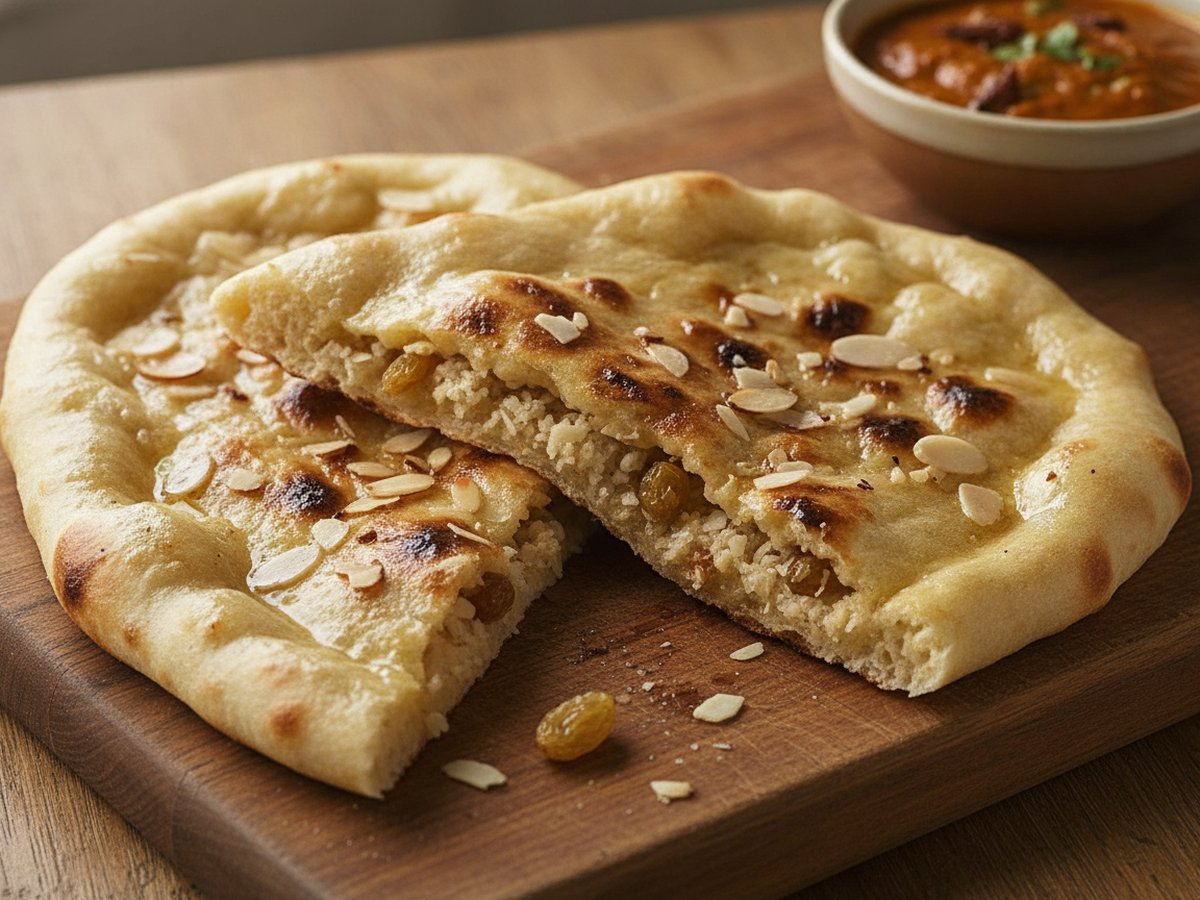
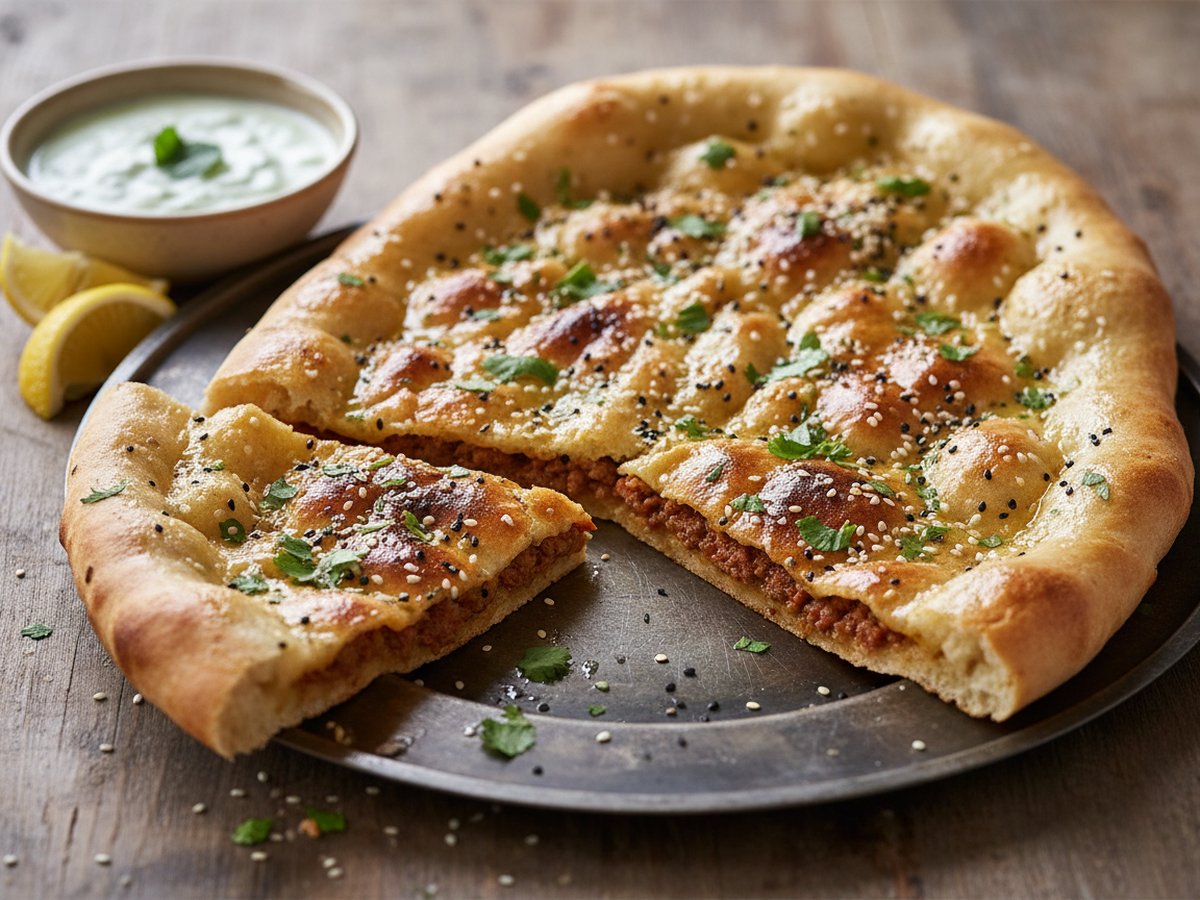
Bread, and not rice. Naan is the usual pairing; Wikipedia also mentions khamiri roti, a leavened flatbread, and Tea for Turmeric suggests sheermal. The garnishes are not decoration. The julienned ginger, green chilli, coriander and a squeeze of lemon cut through the fat, so put them on the table and let everyone add their own. For more ideas that work with any rich braise, see what to serve with beef stew.
If you are cooking a Pakistani spread, nihari sits well beside something quick and bright such as chicken karahi, and it shares its long-cooked, wheat-thickened logic with haleem.
Storing, freezing and reheating
Nihari keeps 3 to 4 days in the fridge, which is the USDA guidance for cooked leftovers. Cool it quickly, in a wide shallow container rather than the deep pot, and refrigerate it within two hours. Frozen, it keeps its best quality for 2 to 6 months.
It thickens hard in the fridge because of the gelatin and the flour. Reheat it gently with a splash of hot water until it is steaming all the way through, and stir so the base does not catch. If you are cooking ahead, Flour & Spice suggests stopping before the flour and thickening only on the day you serve it, which also gives you the chance to lift the set fat off the top.
Where the numbers come from
Every quantity on the card was checked against at least three published recipes, scaled to 900 g of meat. Where two of three agreed, that number is used. Three quantities had no agreement and come from one named source: the oil from Two Cloves in a Pot, the cooking water and the ground coriander from Flour & Spice. The masala blend is Flour & Spice’s, used whole. The times are the median of three stovetop recipes, from Tea for Turmeric, BBC Good Food and Tiffin and Tea. Nutrition figures are not given, because none of them could be sourced.
Questions people ask
What does nihari taste like?
Deep, warm and peppery rather than sharp, with fennel and ginger in front and a slow chilli heat behind. The gravy is thick and silky from the flour and the gelatin in the shank, and the lemon and fresh ginger on top cut the richness.
What is the Pakistani national dish?
Nihari is widely described as the national dish of Pakistan; BBC Good Food calls it that. Its roots are in 18th-century Lucknow and Delhi, according to Wikipedia, and it spread to Karachi after 1947.
Why is nihari eaten for breakfast?
Because that is when it was traditionally served: Wikipedia lists breakfast first among its courses, and the name is usually traced to nahar, the Arabic for morning. Restaurants now serve it all day.
Can I make nihari with chicken?
You can cook a chicken curry with the same masala and flour thickening, but it is a different dish. Chicken has none of the collagen that gives nihari gravy its body, and it would be overcooked long before a shank is tender.
Why does my nihari taste floury?
The atta was not boiled. After you stir in the slurry, bring the pot back to a full boil and then simmer it for 15 to 20 minutes, until the gravy turns glossy.