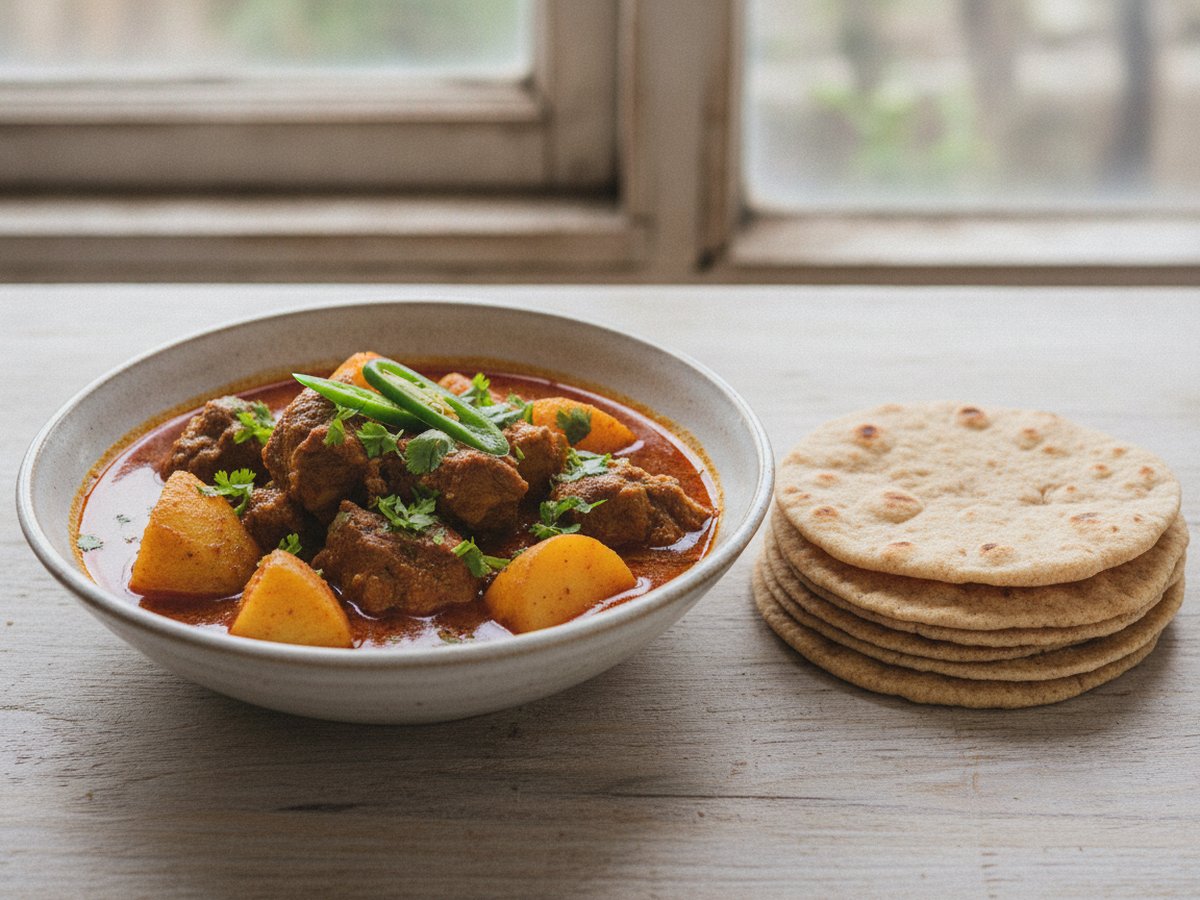
Aloo gosht is a Pakistani meat and potato curry: bone-in goat or lamb simmered in an onion, tomato and spice masala until tender, then cooked again with chunks of potato in a thin, oil-topped gravy called shorba. For 500 g of meat, serving 4, plan on about 2 hours 15 minutes, most of it hands-off simmering.
One step decides whether it works. After the meat has simmered, the water is cooked off over high heat until the masala turns thick and glossy and the oil separates from it. Only then do the potatoes and fresh water go in. Skip that and the gravy tastes of raw tomato and boiled spice, however long it simmers afterwards.
Last updated
Recipe
Aloo Gosht (Pakistani Meat and Potato Curry)
Ingredients
Method
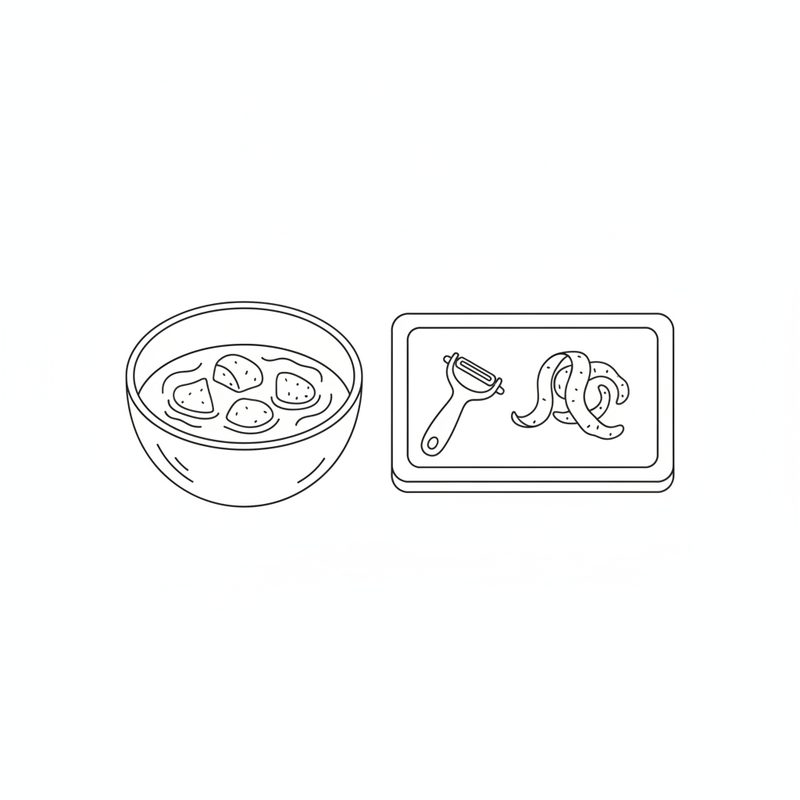
- Peel the potatoes, cut them into 4 to 5 cm chunks and keep them in a bowl of cold water until needed. Soaking rinses off surface starch, so the gravy stays loose when reheated.
- Heat the oil (and ghee, if using) in a heavy pot over medium-high heat. Add the cloves and cumin seeds, and when the seeds sizzle, add the onion. Fry for 10 to 15 minutes, stirring now and then, until the onion is soft and golden with bronze edges.
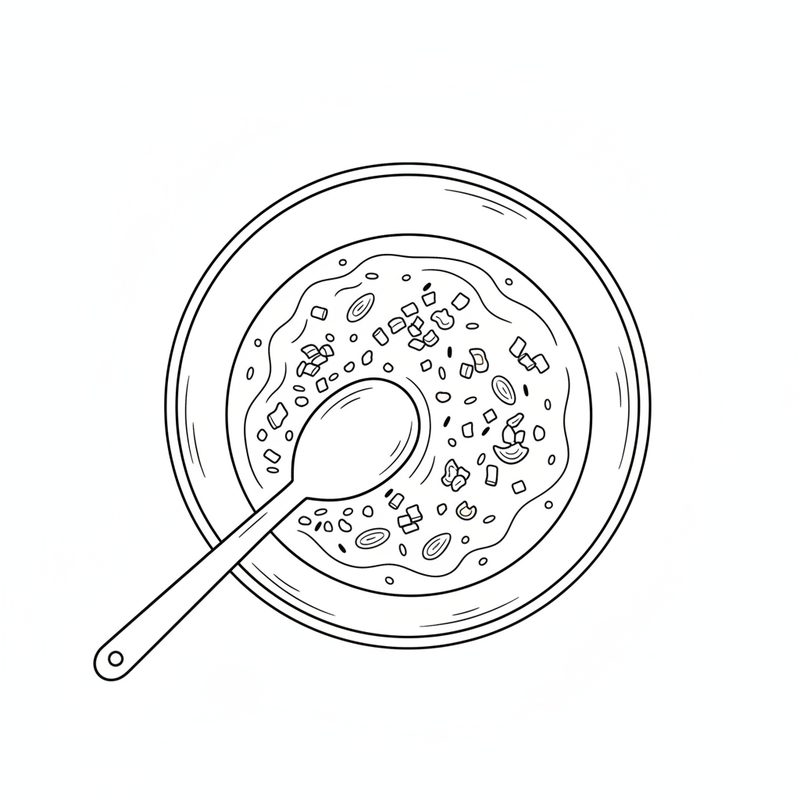
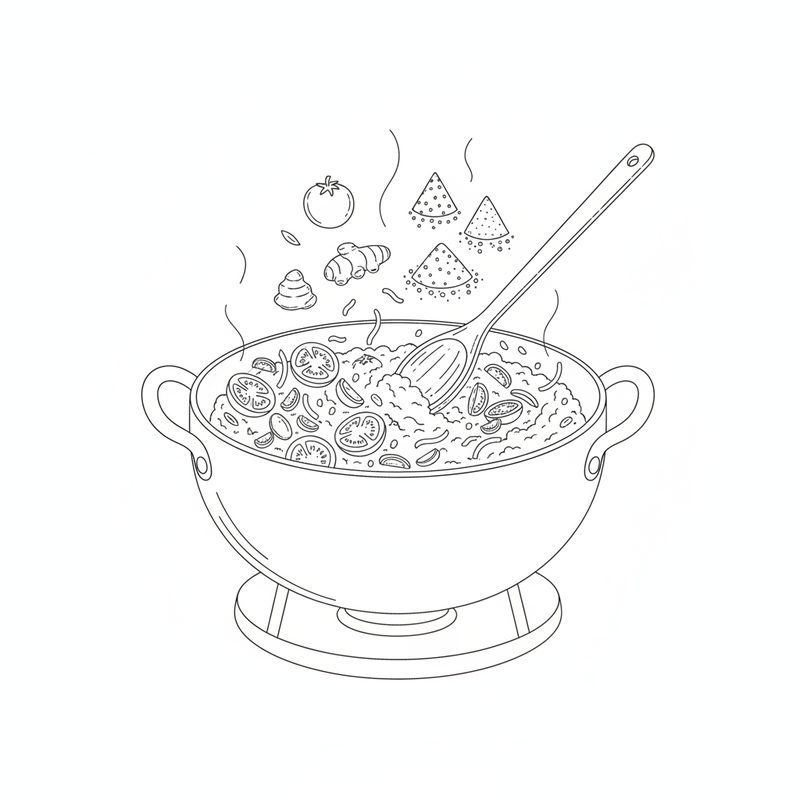
- Add the garlic and ginger and stir for 1 minute, until they no longer smell raw. Add the tomatoes, green chillies, ground coriander, cumin, chilli powder, turmeric and salt. Cook for 3 to 4 minutes, stirring, until the tomatoes break down into a paste.
- Add the meat and turn it in the masala for 5 to 7 minutes, until it has changed colour on every side and the masala starts to cling to it.
- Pour in 240 ml (1 cup) water, bring to a boil, then cover and simmer on low for about 1 1/2 hours, stirring once or twice. The meat is ready for the next stage when a piece breaks under firm pressure from a spoon but is not yet falling off the bone. Goat may need longer; add a splash of water if the pot runs dry.
- Uncover and turn the heat to high. Cook off the remaining liquid, stirring and scraping often, for 10 to 12 minutes, until the masala is thick and glossy and the oil separates at the edges of the pot.
- Drain the potatoes and add them with 480 ml (2 cups) water. Bring to a boil, cover and simmer on medium-low for 20 to 25 minutes, until the potatoes and meat are both fork tender. Taste and adjust the salt.
- Uncover and simmer for 2 to 3 minutes more, until a layer of oil rises to the surface. Turn off the heat, sprinkle with garam masala and chopped coriander, add a squeeze of lemon or lime if you like, and serve with roti, naan or rice.
What is aloo gosht?
Aloo gosht is a home-style curry of meat and potatoes. Aloo means potato and gosht means meat, usually goat, lamb or beef. The meat is cooked on the bone, the potatoes go in late so they hold their shape, and the dish is served with a pourable gravy rather than a dry, clinging masala.
It is everyday home cooking in Pakistan and is also made across North India and Bangladesh. The method is forgiving: one pot, a long unattended simmer, and only two stages that need you standing at the stove.
It sits between two other mutton curries on this site. A bhuna gosht is cooked down until almost dry; a goat korma is braised in yogurt and fried onions. Aloo gosht keeps more liquid than either, because the potatoes need something to cook in and the gravy is half the point.
The step most people get wrong: the bhuna
The bhuna is the stage where the simmering liquid is driven off and the masala fries in its own oil. It is where the raw edge of tomato, garlic and ground spice cooks out. Rushing it is the most common reason aloo gosht tastes flat.
Here is what right looks like. The pan goes from wet to sticky, then the masala gathers into a thick paste that clings to the meat. A ring of oil appears around the edge of the pot and on the surface, often tinted red from the chilli. Tea for Turmeric gives 5 to 7 minutes to evaporate the water and another 5 to 6 minutes of frying after that; Fatima Cooks describes mashing the masala over high heat until it comes together in a dry clump and the oil leaves the sides.
Stir often during these 10 to 12 minutes and scrape the bottom. A little sticking is fine and adds colour. Black specks mean the heat is too high: add a tablespoon of water, scrape, and carry on.
Which meat to use
Use bone-in goat or lamb in curry-cut pieces of about 5 cm. Bone gives the gravy body and flavour, and every source built for this page uses it for the default version.
Timing depends on the meat. Flour & Spice gives 60 to 80 minutes of stovetop simmering for goat and 75 to 90 minutes for lamb, and notes that goat varies with the age of the animal. Its default card uses boneless beef chunks, which is a fair swap: cook until a piece breaks under firm pressure from a spoon.
The test for done is the same whatever you use. Tea for Turmeric wants the meat fully cooked but not yet falling off the bone before the potatoes go in, because it gets another 20 to 25 minutes with them.
What the recipes agree on, and where they split
Four published recipes were compared line by line: Tea for Turmeric, Fatima Cooks, Flour & Spice and Piping Pot Curry. Card quantities are the ones at least two of them share, scaled to 500 g of meat.
| Ingredient | Agreement | Card |
|---|---|---|
| Meat | Tea for Turmeric and Fatima Cooks both use about 500 g (1.1 lb) bone-in | 500 g bone-in goat or lamb |
| Tomatoes | 2 small in Tea for Turmeric and Fatima Cooks; 2 in Flour & Spice | 2 small |
| Ginger | 1 inch in Tea for Turmeric, Fatima Cooks and Piping Pot Curry | 2.5 cm |
| Ground coriander | 1.5 tsp in Flour & Spice and Piping Pot Curry; 1.5 to 2 in Tea for Turmeric | 1 1/2 to 2 tsp |
| Red chilli powder | 1 tsp in Fatima Cooks and Piping Pot Curry; 3/4 to 1 in Flour & Spice | 1/2 to 1 tsp |
| Garam masala | 1/2 tsp in Tea for Turmeric, Flour & Spice and Piping Pot Curry | 1/2 tsp, at the end |
| Fat | Split: 1/4 cup oil plus 1 tbsp ghee, 1/3 cup, 1/2 cup | 80 ml (1/3 cup) |
Fat is the one real disagreement. Tea for Turmeric uses 1/4 cup of oil plus a tablespoon of ghee, which comes to about the 1/3 cup (80 ml) that Flour & Spice uses, so the card takes that. Fatima Cooks uses 1/2 cup, which gives a thicker layer of oil on the finished gravy.
The order of the first steps also differs. Flour & Spice and Fatima Cooks fry the onion first; Tea for Turmeric sears the meat first and adds the onion after. Both reach the same bhuna. The card fries the onion first, because it is easier to judge colour in an empty pot.
How long does aloo gosht take?
On the stove, about 2 hours 15 minutes: 15 minutes of preparation and about 2 hours of cooking. Those are the medians of the stated times for bone-in goat or lamb (cook times of 2 hours 15 minutes, 2 hours and 1 hour 45 minutes; prep times of 10, 15 and 15 minutes).
Almost all of the cooking is the covered simmer, roughly 1 1/2 hours for the meat, then 20 to 25 minutes once the potatoes are in. The active work is the first 25 minutes and the 10-minute bhuna in the middle.
Aloo gosht step by step, in pictures
Six stages, in the order they happen. The full method with quantities is in the recipe card above.
 Peel and cut the potatoes, then keep them in cold water.
- Fry the onion with cloves and cumin seeds until golden at the edges.
- Add ginger, garlic, tomatoes and spices; cook to a paste.
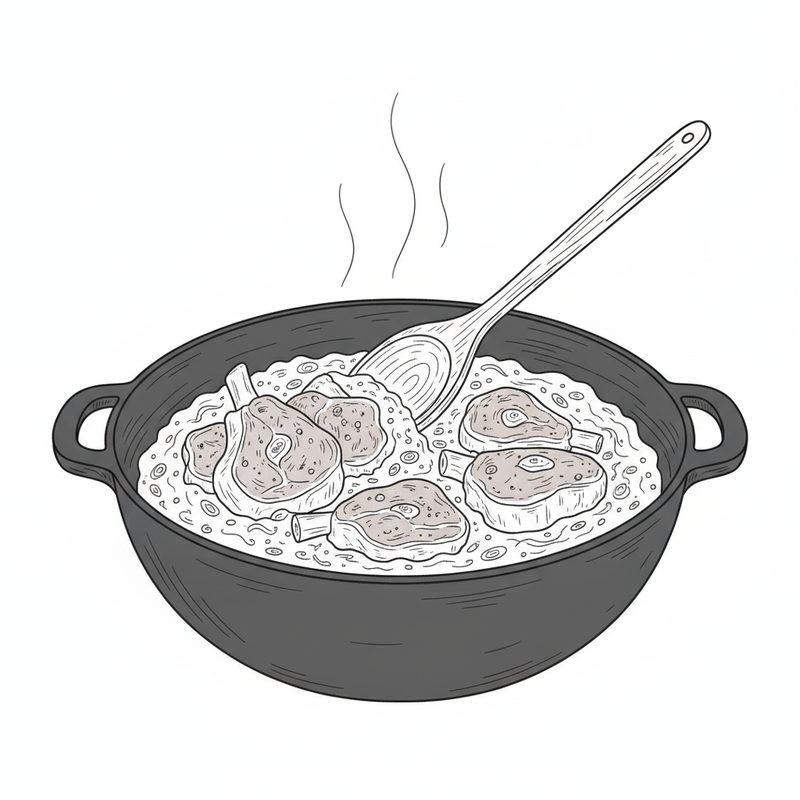
- Turn the meat in the masala until it changes colour on every side.
- After the simmer, cook off the water until the oil separates.
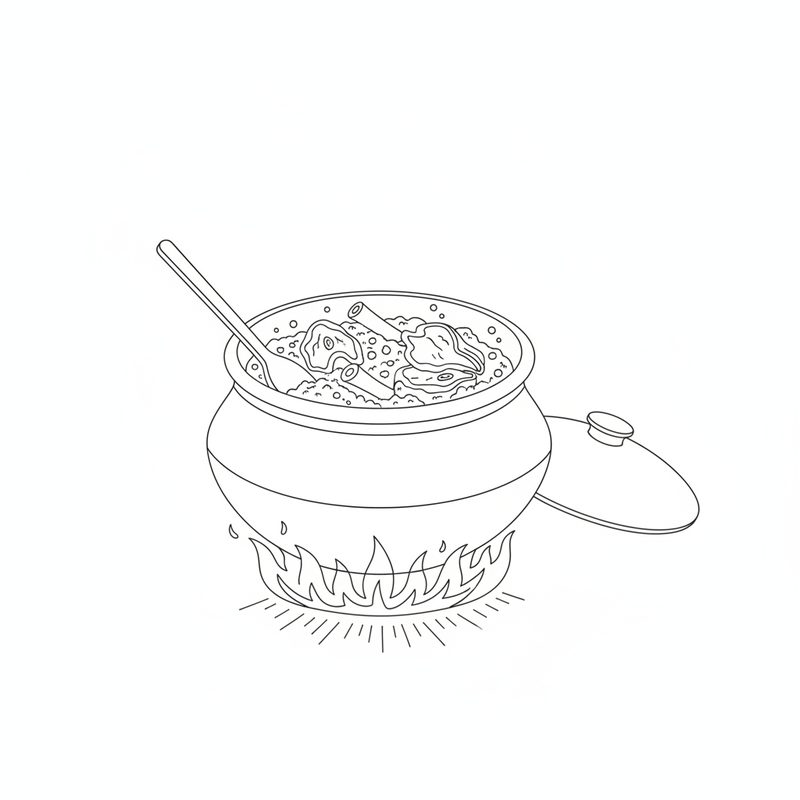
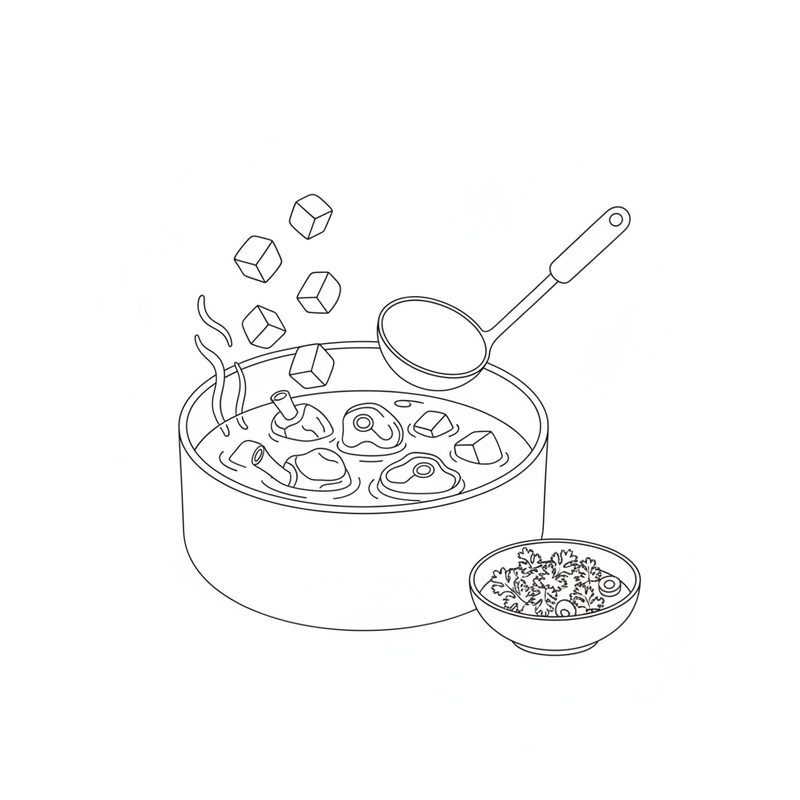
- Add the potatoes and water, cover, and simmer until both are tender.
Home style and degi style
This card is home style: a moderate amount of oil, a medium-thin gravy and potatoes that stay whole. Several of the top-ranking videos for aloo gosht label theirs degi style, after the deg, the large pot used for cooking in quantity.
This page does not claim to reproduce a degi pot. If you want a richer, oilier finish closer to that style, the fuller fat quantity from Fatima Cooks (1/2 cup, 120 ml) is the simplest change, and the bhuna stays exactly the same.
The shorter route: pressure cooker or Instant Pot
A pressure cooker cuts the meat stage from about 1 1/2 hours to about 30 minutes. Tea for Turmeric pressure cooks the meat on high for 20 minutes (22 for larger pieces of shoulder or leg) with a 10-minute natural release, and Flour & Spice also uses 20 minutes on high.
Use far less water: Tea for Turmeric adds no more than 1/4 cup at this stage, because the onion and tomato release their own. After releasing the pressure, do the bhuna on the sauté setting exactly as on the stove, then add the potatoes and gravy water and pressure cook for 4 to 6 minutes.
What you lose is control. You cannot see the meat or the gravy while it cooks, so you cannot stop the potatoes at the point where they are tender but still holding their edges.
Problems and fixes
- Gravy turns gluey the next day. Potato starch thickens it. Fatima Cooks soaks the cut potatoes in cold water before cooking for exactly this reason.
- Potatoes fall apart. They went in too early or were cut too small. Keep the chunks at 4 to 5 cm and add them only after the bhuna.
- Meat is still tough. Keep simmering, covered, in 15-minute steps, with a splash of water if the pot runs dry. Older goat simply takes longer.
- Gravy tastes raw or sharp. The bhuna was cut short. Cook it down again until the oil separates, then add fresh water.
- Too much oil on top. Spoon some off before serving, or use the lower end of the fat range next time.
What to serve with aloo gosht
Roti, paratha, naan or plain basmati rice, which is the list Tea for Turmeric gives. With bread, tear a piece and use it to pick up the meat and soak up the gravy; with rice, serve the gravy generously.
A stuffed bread such as keema naan makes it a heavier meal. If you are cooking for a crowd and want a second slow-cooked meat dish beside it, nihari takes longer but can be made a day ahead.
Storage and reheating
Refrigerate leftovers within 2 hours of cooking and eat them within 3 to 4 days, which is the USDA Food Safety and Inspection Service guidance for cooked leftovers. Store the curry in a covered container with the potatoes in their gravy.
The gravy thickens in the fridge as the potatoes absorb liquid. Reheat in a pan over medium heat with a few tablespoons of water, stirring gently, until it is steaming hot all the way through.
None of the sources compared gives a freezing time for this dish, so this page does not give one either.
Questions people ask
What is mutton gosht?
Gosht is the Urdu and Hindi word for meat, and in Pakistani cooking mutton gosht usually means goat meat. Lamb is the common substitute where goat is hard to find.
What does aloo mean?
Aloo means potato. In aloo gosht the potatoes are peeled, cut into large chunks and cooked in the gravy for the last 20 to 25 minutes.
Do you add tomatoes to aloo gosht?
Yes. All four recipes compared for this page use tomatoes, cooked down with the onion and spices into the masala before the meat simmers. Two small tomatoes are enough for 500 g of meat.
Can I make aloo gosht with beef?
Yes. Flour & Spice makes its default version with boneless beef chunks. Simmer until a piece breaks under firm pressure from a spoon before adding the potatoes.
Why is my aloo gosht gravy watery and bland?
The bhuna was skipped or cut short. Cook the gravy down over high heat until the oil separates, then add fresh water and simmer again.
How many calories are in aloo gosht?
This page does not give a calorie figure. It depends heavily on the cut of meat and how much oil is used, and no measured value was available for this exact recipe.