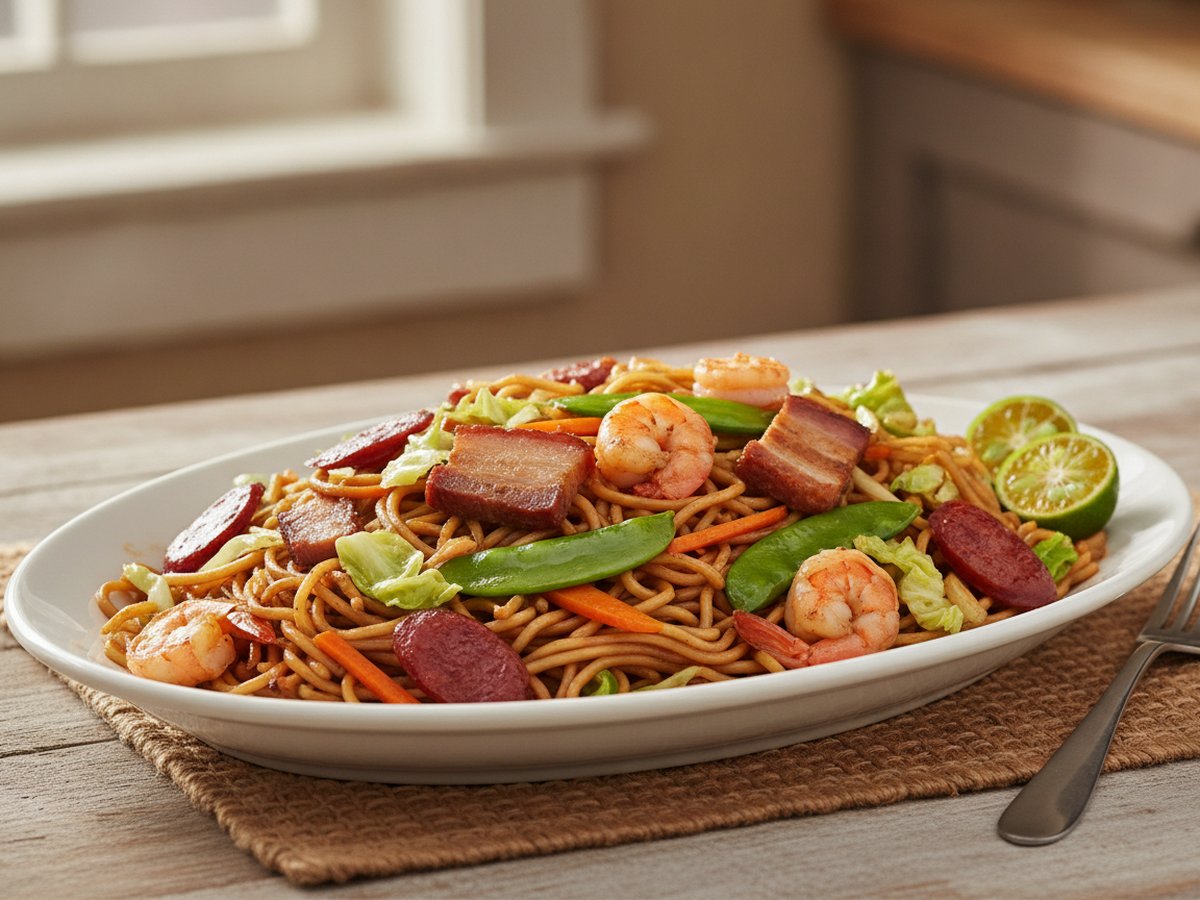
Pancit canton is Filipino stir-fried noodles: thin, dried wheat-flour noodles, sold as flour sticks, cooked in a soy and oyster sauce broth with pork, shrimp, Chinese sausage and crisp vegetables. The dry noodles go straight into the wok and drink up the broth, so every strand is seasoned and nothing is left swimming.
This is the classic meat-and-vegetable version. It serves 4 and takes about 45 minutes. The whole trick is timing: vegetables blanched first, shrimp lifted out early, noodles in last.
Last updated
Recipe
Pancit Canton Recipe (Filipino Stir-Fried Noodles)
Ingredients
Noodles
Meat and seafood
Vegetables
Sauce
Method
- Bring a pot of water to a boil and set a bowl of ice water beside it. Blanch the cabbage, carrot, green beans and celery for under a minute, move them into the ice water, then drain well.
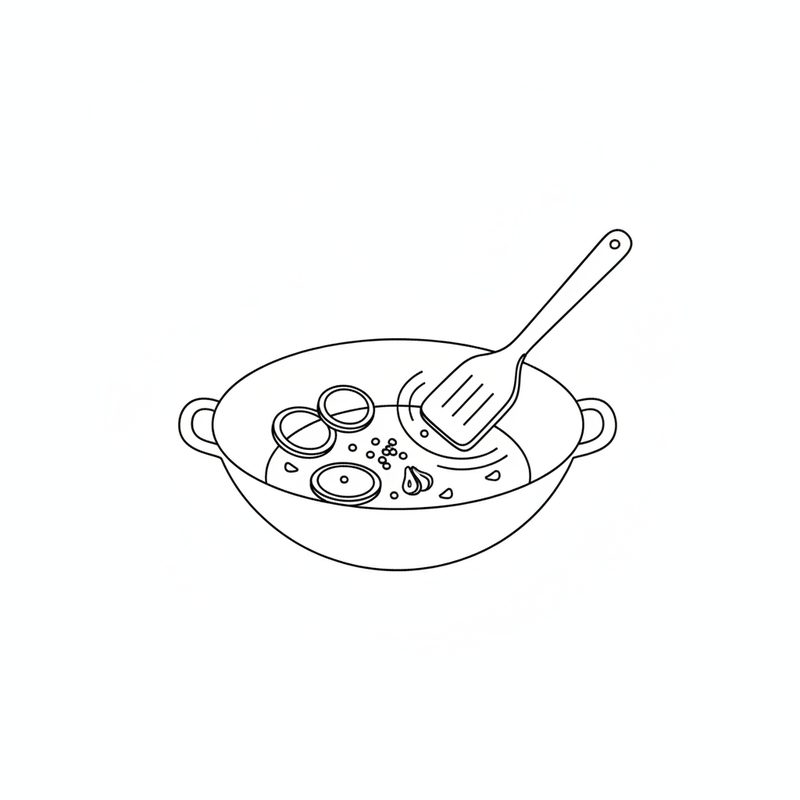
- Heat the oil in a wok or large pan. Cook the onion and garlic until the onion softens.
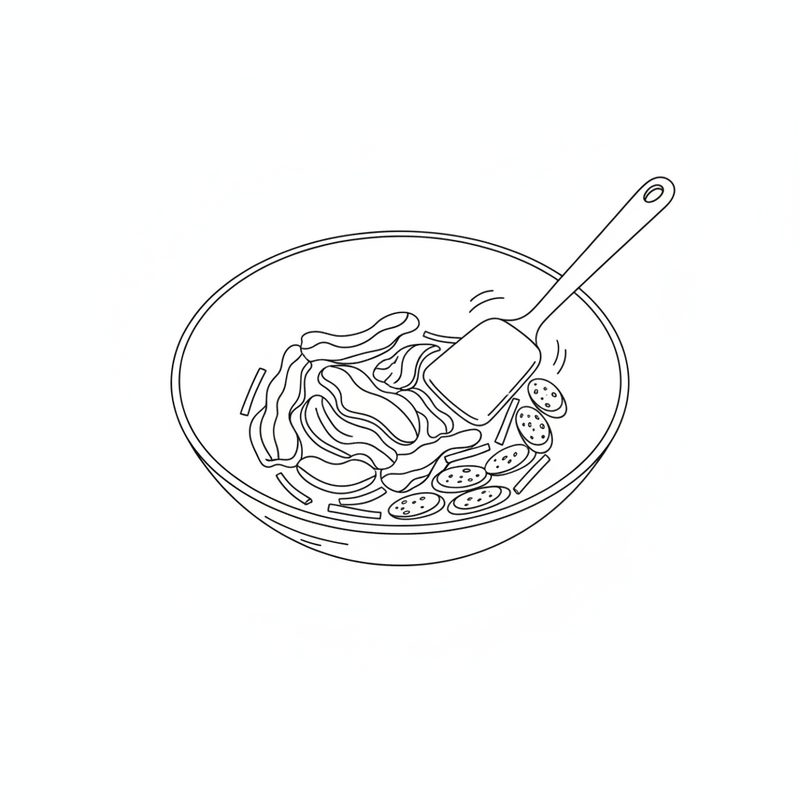
- Add the pork and Chinese sausage and cook for about 2 minutes, stirring, until the pork is no longer pink.
- Add the shrimp and cook just until they turn pink and curl. Lift them out and set aside.
- Stir in the soy sauce and oyster sauce, pour in the broth and water, and season with pepper. Bring to a boil and simmer for about 5 minutes.
- Add the noodles and toss gently as they absorb the liquid, until soft. If the pan dries out first, add a little more water.
- Return the vegetables and shrimp and toss for 1 to 2 minutes. Taste, add salt if needed, and serve with calamansi or lemon.
What is pancit canton?
Pancit canton is a Filipino noodle dish with Chinese roots. Pancit means noodles, and canton points to the Cantonese-style wheat noodle it is made with. It sits in the Philippines’ big pancit family next to rice-noodle dishes like pancit Malabon and glass-noodle dishes like chicken sotanghon.
So is it Chinese or Filipino? Both answers are fair. The noodle and the stir-fry method came with Chinese cooks and traders, and the dish as it is eaten now, with calamansi on the side and a platter in the middle of the table, is Filipino.
It is party food. Long noodles stand for long life, which is why a platter of pancit turns up at birthdays. It is also an ordinary weeknight dinner, because it is one pan and it stretches.
Canton is the wheat noodle. If you want the rice-noodle version with no meat, the vegan pancit on this site uses bihon and tofu instead.
What you need for pancit canton
You need four things: dried canton noodles, a little meat and seafood, a pile of vegetables, and a sauce of soy sauce, oyster sauce and chicken broth.
The noodles
Look for packs labelled pancit canton or flour stick noodles in an Asian grocery. They are thin, wavy and dry, usually packed in blocks. One 250 g (8 oz) pack is the amount this recipe is built around. This recipe does not boil them first. They cook in the wok, in the broth, and that is where the flavour comes from.
The meat and seafood
Pork, shrimp and Chinese sausage is the classic mix. The pork is sliced thin so it cooks in two minutes. The sausage is sliced on the diagonal so each piece browns a little. Chicken is a common swap for the pork; several of the recipes this one was checked against use it.
The vegetables
Cabbage, carrot and green beans do the heavy lifting, with celery or flat-leaf parsley for a fresh edge. Snow peas or snap peas can stand in for the beans. Cut everything thin. Carrot in matchsticks, cabbage shredded, beans sliced on the bias, so it all cooks in the same short time.
The sauce
Soy sauce for salt, oyster sauce for body and a rounder sweetness, chicken broth plus water for the noodles to absorb. That is all. Use low-sodium broth if you want more control over the salt, because the soy and oyster sauce bring plenty.
Pancit canton, step by step
 Blanch the vegetables, then chill them in ice water.
- Soften the onion and garlic in the oil.
- Cook the pork and Chinese sausage.
- Cook the shrimp until pink, then lift them out.
- Push the dry noodles into the simmering broth.
- Toss everything back together and serve with calamansi.
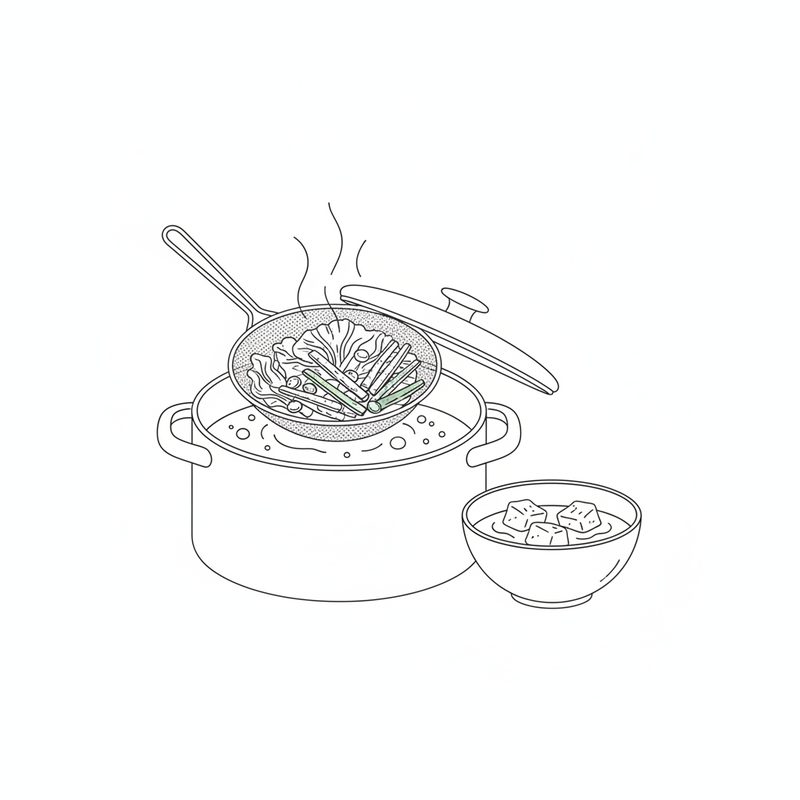
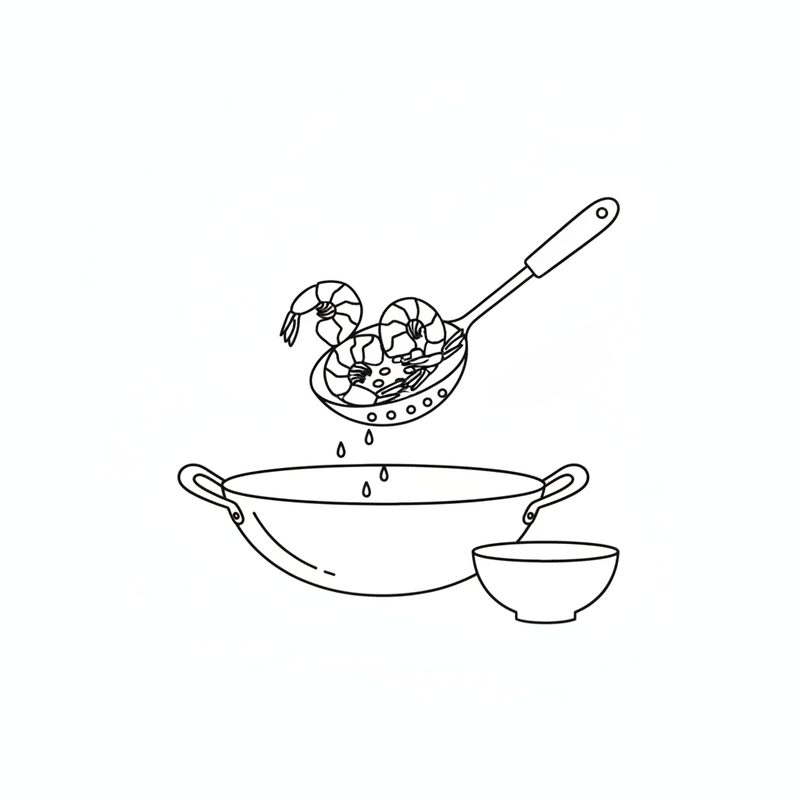
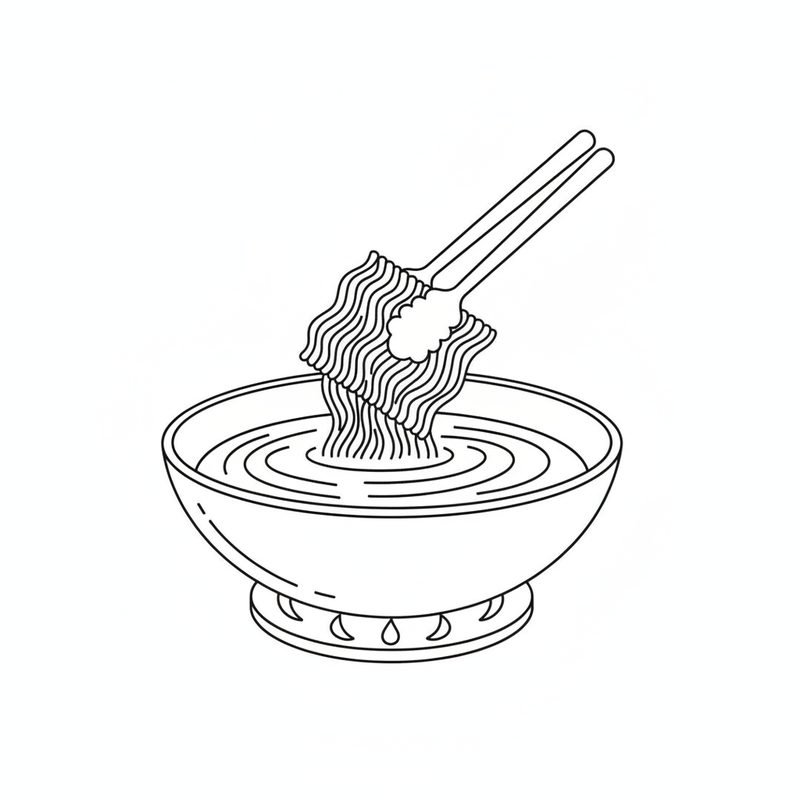
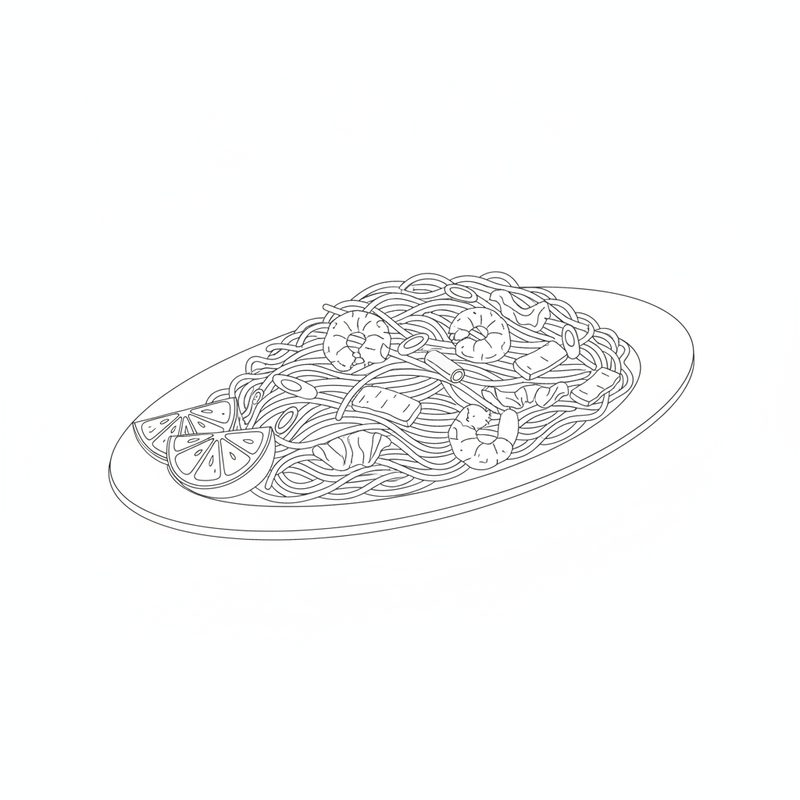
Blanch the vegetables for under a minute and put them straight into ice water. That keeps the cabbage bright and the beans snapping, instead of stewing in the wok while the noodles cook.
Pull the shrimp out as soon as they turn pink and curl. They go back in at the very end. Left in the broth, they turn tough and rubbery.
When the noodles go in, keep turning them gently with tongs so the broth reaches every part of the block. They are ready when they are soft and the liquid in the pan is almost gone.
How to keep pancit canton from going soggy or dry
Match the noodles to the liquid, and watch the pan rather than the clock. Pancit canton should look glossy and loose, with no pool of broth at the bottom.
If the pan dries out before the noodles are soft, add water a few tablespoons at a time and keep tossing. Most of the recipes this one was checked against allow for exactly that.
If there is still broth pooling when the noodles are soft, turn the heat up and keep tossing for a minute. Do not add the vegetables until it is gone, or they will soften.
Season at the end. Taste one strand, then add salt or pepper. With the soy and oyster sauce already in, it often needs nothing.
Variations
- Chicken instead of pork. Thigh or breast, sliced thin, cooked the same way.
- Thicker sauce. Some cooks stir a tablespoon of cornstarch into the water before it goes in, for a sauce that clings more.
- More vegetables. Bell pepper strips, snow peas or bok choy all work. Keep the total roughly the same, or the noodles get crowded.
- No oyster sauce. One of the recipes checked uses Worcestershire sauce in its place. It is sharper, but it works.
- Extras. Squid balls or a few pieces of chicken liver show up in fuller party versions.
- No meat at all. Go to the vegan pancit instead of stripping this one down.
For a party spread, pancit canton sits well next to a tray of Filipino lumpia. Both can be prepped ahead and both are easy to serve from the middle of the table.
Make-ahead and leftovers
The prep is most of the work, and nearly all of it can be done ahead. Slice the meat, cut the vegetables and blanch them, then keep everything covered in the fridge until you cook. After that the cooking goes quickly.
Pancit canton is best straight from the wok. Leftovers keep in the fridge once cooled. Reheat them in a pan with a splash of water or broth, because the noodles keep drinking liquid as they sit and come out of the fridge dry.
A shortcut that is fine: frozen mixed vegetables in place of the blanched ones. A shortcut that is not: skipping the blanch and putting raw vegetables in with the noodles. They stew in the broth instead of staying crisp.
Questions people ask
Is pancit canton Chinese or Filipino?
It is a Filipino dish with Chinese roots. The wheat noodle and the stir-fry came from Chinese cooking, and the name canton points to Cantonese-style noodles, but the dish as it is served today, with calamansi and a shared platter, is Filipino.
What is pancit canton made of?
Dried wheat-flour noodles cooked in chicken broth seasoned with soy sauce and oyster sauce, tossed with pork, shrimp, Chinese sausage, cabbage, carrot and green beans.
Is it healthy to eat pancit canton?
Homemade pancit canton is a noodle dish with a fair share of vegetables and lean meat, and you control the salt. Most of the sodium comes from the soy sauce, oyster sauce and broth, so low-sodium broth and more vegetables are the easy adjustments. This page does not print a calorie figure, because a nutrition number is not something it can verify.
Is instant pancit canton the same thing?
No. Instant pancit canton comes in single packs with its own seasoning and is made in a few minutes. This recipe starts from a pack of dried canton noodles and cooks them in broth with meat and vegetables.