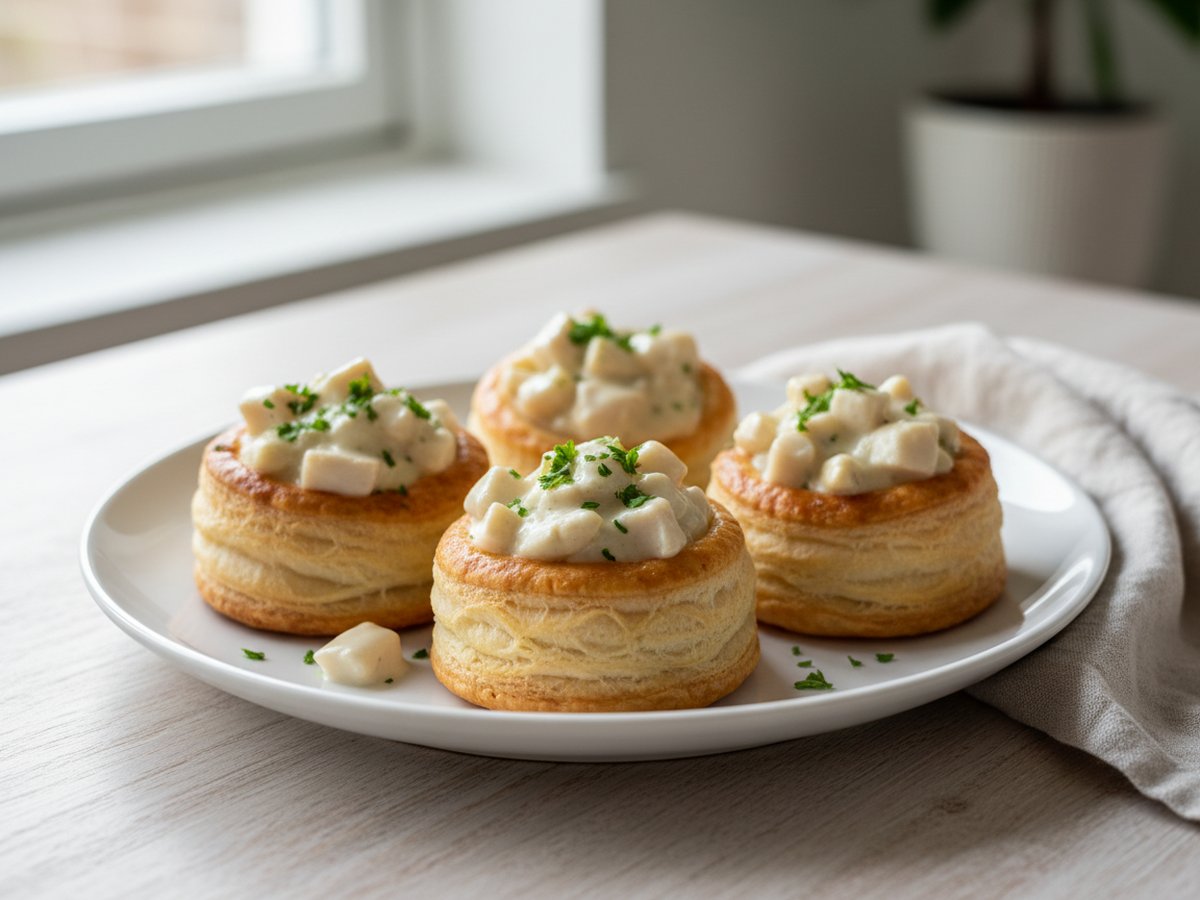
Tarteletter (roughly tah-teh-LET-ter) are Danish tartlets: small, crisp pastry shells filled at the last moment with chicken and white asparagus in a thick white sauce. The filling has its own name, høns i asparges, hen in asparagus, and the whole dish takes about 40 minutes if you buy the shells.
What makes the Danish version different from the vol-au-vent you may know is mostly the shell: in Denmark the cups are sold ready-baked, cheaply, in ordinary supermarkets. The sauce is built on milk and the water the chicken was poached in, which keeps it mild and savoury.
Last updated
Recipe
Tarteletter Recipe (Danish Chicken and Asparagus Tartlets)
Ingredients
Method
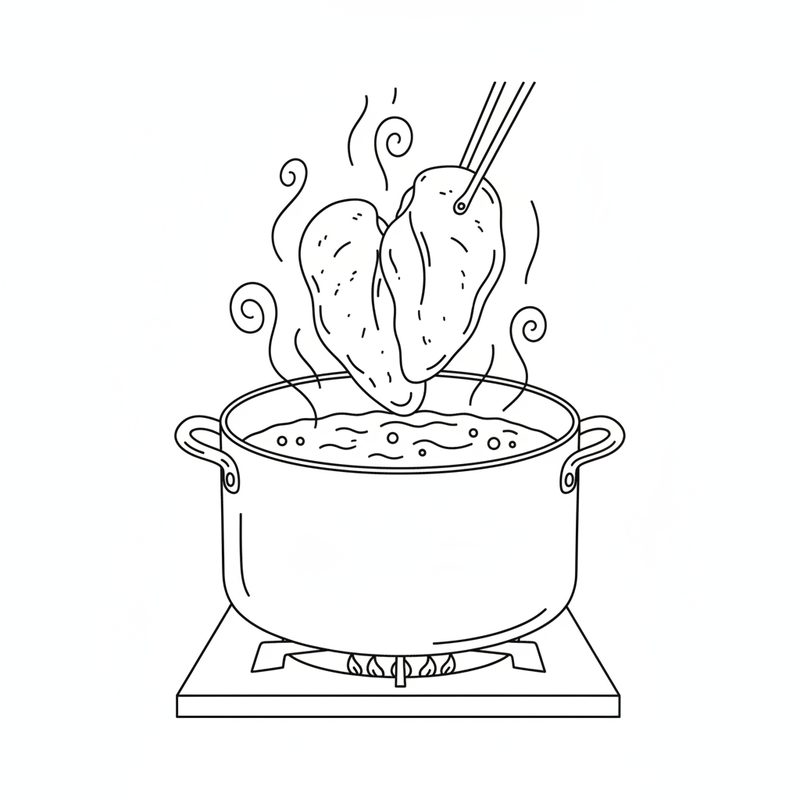
- Bring 1.5 litres of water to the boil in a large pot and season it with chicken stock powder.
- Add the chicken breasts, turn the heat down and simmer for about 20 minutes, until cooked through (74 °C / 165 °F in the thickest part) but not dry. Lift the chicken out and keep the cooking water.
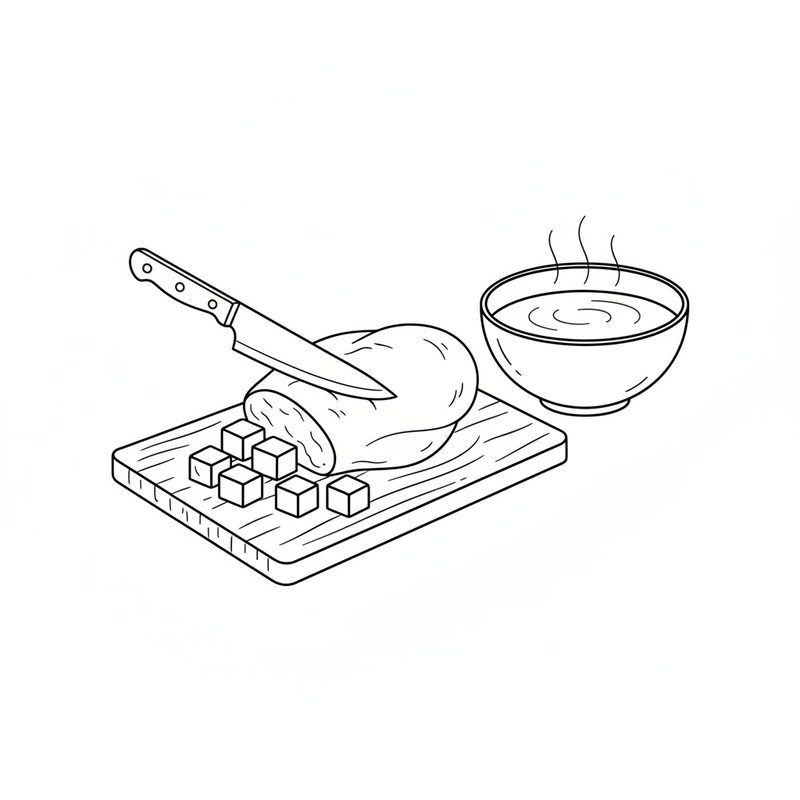
- Cut the chicken into small cubes, about 7 mm (1/3 inch).
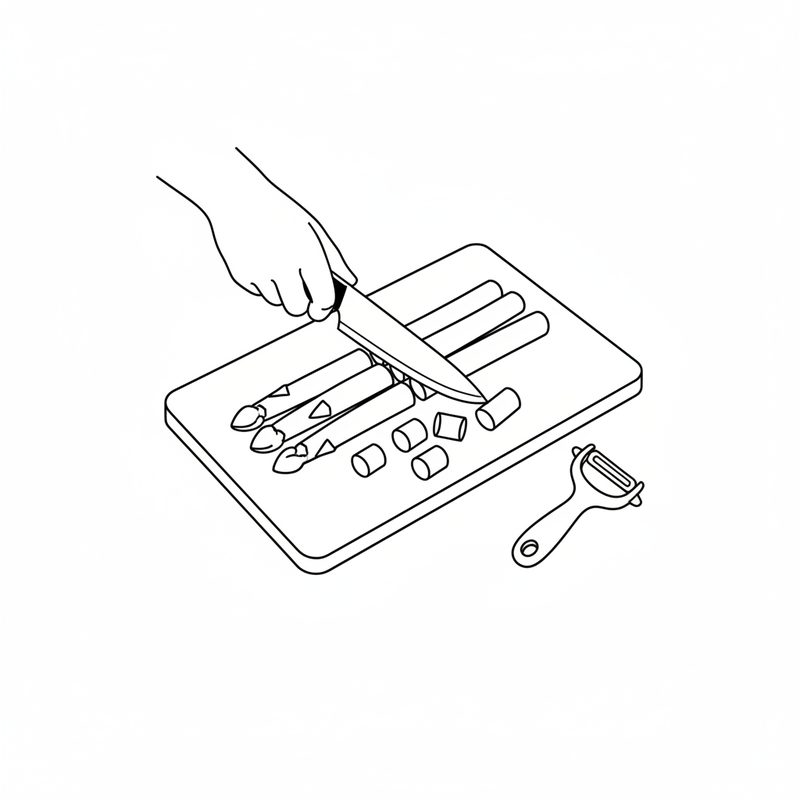
- If the asparagus is fresh, peel it and boil it in water until tender. If it is tinned, drain it. Cut it into pieces about 2 cm (3/4 inch) long.
- Melt the butter in a saucepan over medium heat, add the flour and whisk it into a thick paste. Let it cook for about a minute.
- Add the milk and 2 dl of the chicken cooking water a little at a time, whisking constantly so no lumps form. Simmer for 5 to 10 minutes, until the sauce is thick.
- Stir in the chicken and asparagus, let them heat through, and season with salt and pepper.
- Warm the tartlet shells in the oven for a couple of minutes. Fill them to the top with the hot filling just before serving and scatter chopped parsley over.
What tarteletter are, and when they are eaten
Tarteletter are a hot, savoury dish of pastry cups and creamy chicken filling, served as a starter or as a light main. Nordic Food Living describes them as an old dish that is still common on restaurant buffets, at Christmas dinners and at home on an ordinary Saturday evening.
They are also tied to two seasons. The Kuma Knives recipe calls tarteletter both a summer classic, because of the fresh asparagus, and a regular part of the Danish Christmas lunch table.
The traditional meat is boiled hen rather than chicken breast. Nordic Food Living explains that old laying hens were too tough to fry but full of flavour when simmered, which is where the name høns i asparges comes from. Chicken breast is the quick modern version and is what this card uses.
A single shell is a tartelet; tarteletter is the plural, and in practice the word means the finished dish.
Where the numbers in this recipe come from
The card uses the quantities from Nordic Food Living, the top-ranking English-language version, and checks them against three other published recipes: Skandibaking, Kuma Knives and DaneKo. The four do not scale the same way, so no single set of quantities is shared by two of them.
- Flour: 5 tablespoons, the same in Nordic Food Living and Skandibaking.
- Chicken: 350 g for 3 to 4 people. Kuma Knives uses 225 g for 2, which comes to almost the same amount per person.
- White asparagus: 150 g. Kuma Knives uses 125 g of white asparagus plus some green.
- Poaching time: about 20 minutes for chicken breast, the same in Nordic Food Living and Kuma Knives.
- Time: 40 minutes in total, the median of the three sources that state one (40, 40 and 90 minutes; the 90 includes homemade pastry). The card gives no separate prep and cook times because the sources split them too differently to agree.
- Number of shells: not on the card. DaneKo fills 6, Kuma Knives 8 for two people, and Skandibaking makes 24 small ones. Shell sizes differ too much for one number, so fill until the filling runs out.
There is no nutrition information and no rating on this page, because neither could be sourced for this recipe.
Ingredients that are hard to find outside Denmark
The ready-baked Danish tartlet shells are the hard part. Nordic Food Living notes that they are sold cheaply in packs of 10 to 15 in Denmark and are difficult to find elsewhere, apart from Nordic food shops and some bakeries.
The nearest real substitute is ready-baked puff pastry vol-au-vent cases, which is what DaneKo calls for. Baking your own is covered under variations below.
White asparagus is the second one. Fresh white asparagus is seasonal; outside it, use tinned white asparagus, which Nordic Food Living accepts. Tinned spears are already cooked, so they only need draining and cutting, and the tin liquid can replace some of the chicken water in the sauce.
Tarteletter, step by step
The method has three parts: poach the chicken and keep the water, make a thick white sauce with that water, then fold everything together and fill warm shells at the table.
 Poach the chicken in seasoned water.
- Cube the chicken and keep the cooking water.
- Cut the asparagus into short pieces.
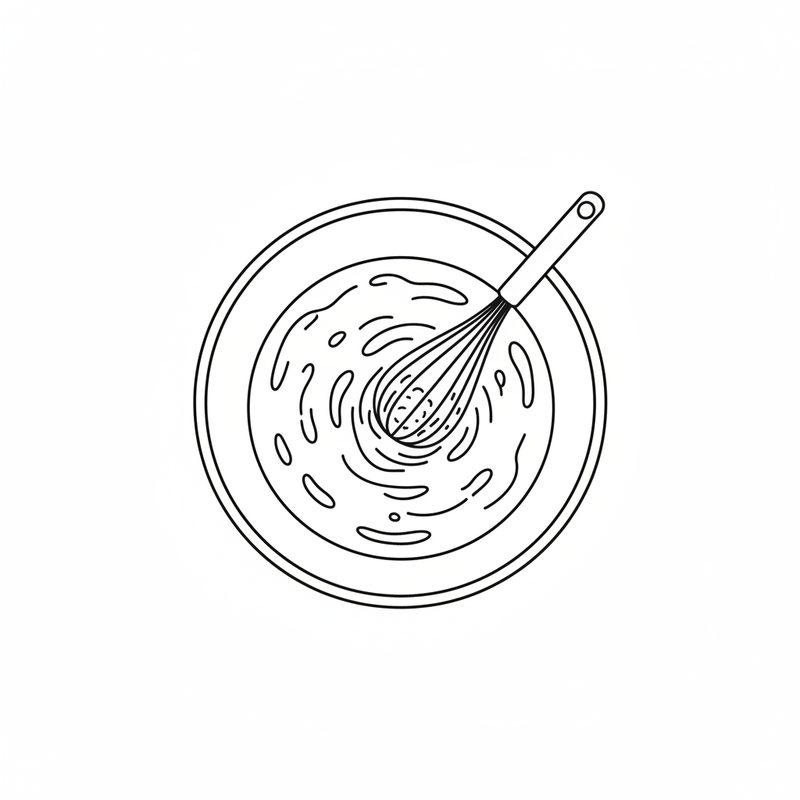
- Whisk butter and flour into a roux.
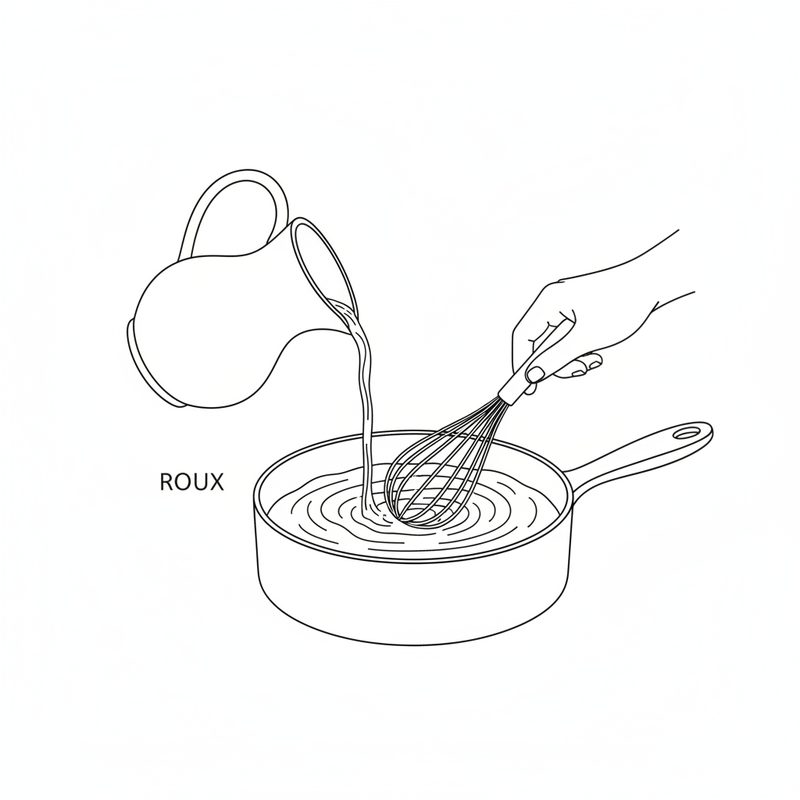
- Whisk in the milk and cooking water.
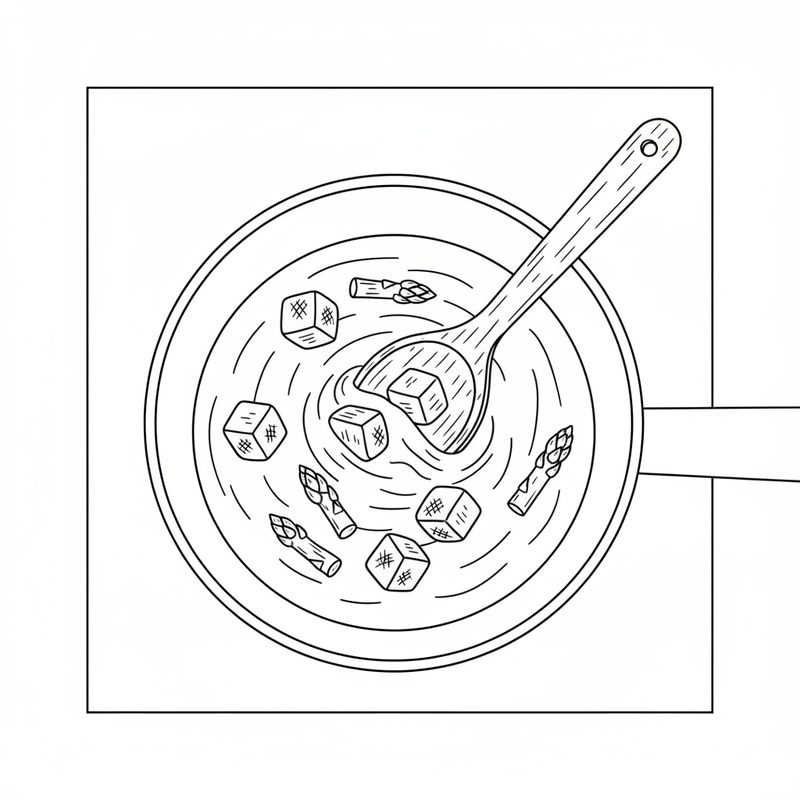
- Fold in the chicken and asparagus.
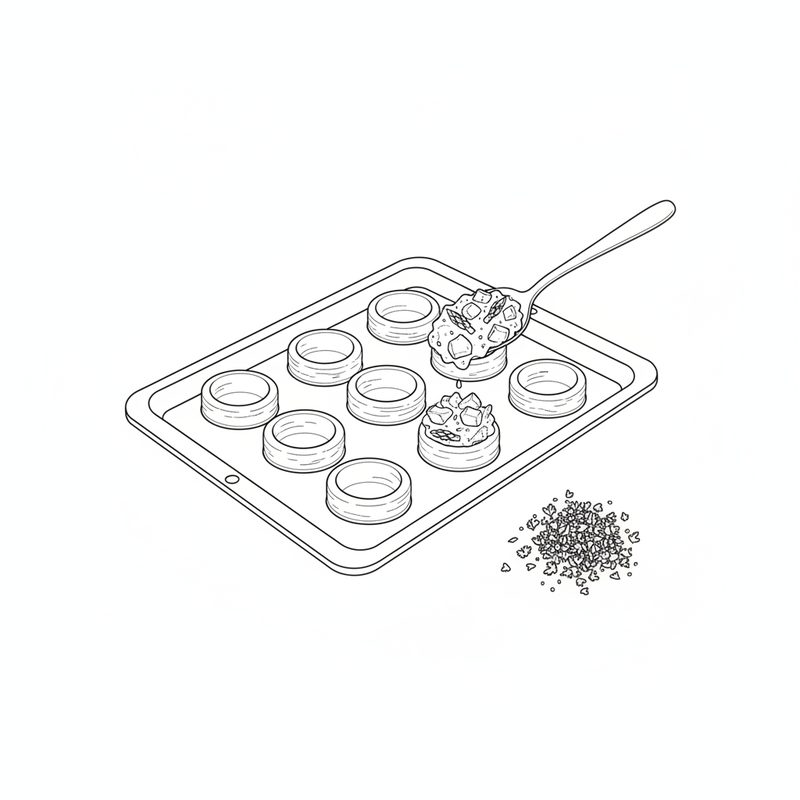
- Fill the warm shells just before serving.
How thick the sauce should be
The sauce should be thick enough to hold a trail from the spoon for a second before it closes. Kuma Knives recommends making it a little thicker than seems right, because the chicken and asparagus release moisture and thin it once they go in.
If it is too thick, loosen it with a little more of the chicken water. If it is too thin, let it simmer a few minutes longer before the chicken goes in; the flour needs that time to stop tasting raw anyway.
Why tarteletter go wrong
- Lumpy sauce. The liquid went in too fast. Add it a little at a time and whisk the whole time, as Nordic Food Living, Skandibaking and DaneKo all say.
- Dry chicken. It boiled hard or too long. Keep the water at a gentle simmer and take the chicken out as soon as it is cooked through, which USDA puts at 74 °C (165 °F) in the thickest part.
- Bland filling. The sauce was made with plain water or stock from a carton. The chicken water carries most of the flavour; season it before the chicken goes in.
- Soft shells. They were filled too early. Warm them, fill them at the table, and eat them straight away.
Variations
Homemade puff pastry shells. Kuma Knives presses squares of puff pastry into greased muffin cups, brushes them with egg and bakes them at 200 °C (390 °F), turning them upside down partway so the base crisps.
Shortcrust shells. Skandibaking makes a butter shortcrust with an egg, chills it, lines small tart tins and bakes them at 200 °C (390 °F) until the edges colour. This is the slower route; it is where their 90-minute total comes from.
More vegetables. Kuma Knives and DaneKo both add diced carrot, and Kuma Knives mixes green asparagus in with the white.
Other fillings. Ham with stewed peas and carrots and shrimp in asparagus sauce are both common Danish fillings. For the ham, a piece of hamburgerryg, Danish boiled ham, cut into cubes works well.
Vegan. The blogger Gitte Mary has published a plant-based version of the dish, which shows the sauce method does not depend on the chicken.
Storing and making ahead
Keep the filling and the shells apart until you serve. Skandibaking chills the filling and keeps the shells covered at room temperature, then reheats the filling until hot before filling.
Filled tarteletter do not keep; the shells soften within minutes. Leftover filling does, and Skandibaking suggests thinning it with stock into a soup.
What to serve with tarteletter
As a starter, tarteletter need nothing else on the plate. As part of a larger Danish spread they sit well next to frikadeller and rødkål, and at Christmas the meal usually ends with ris à la mande.
Questions people ask
Questions people ask
What is a Danish tarteletter?
Tarteletter are small crisp pastry shells filled with chicken and white asparagus in a thick white sauce made from butter, flour, milk and the chicken’s cooking water. They are served hot as a starter or a light main.
What is a tartelet?
A tartelet is one small pastry shell. The plural, tarteletter, is also the name of the finished dish of filled shells.
What is the filling in Danish tartlets made of?
The classic filling, høns i asparges, is poached chicken or boiled hen and white asparagus in a white sauce. Common alternatives are ham with peas and carrots, or shrimp in asparagus sauce.
Can I use puff pastry instead of Danish tartlet shells?
Yes. Ready-baked puff pastry vol-au-vent cases are the closest substitute outside Denmark, and puff pastry pressed into muffin cups and baked at 200 °C (390 °F) also works.
Can I use canned white asparagus?
Yes. Tinned white asparagus is already cooked, so drain it, cut it into 2 cm pieces and stir it in at the end. The liquid from the tin can replace some of the chicken water in the sauce.
Can tarteletter be made ahead?
The filling can be made ahead and chilled, then reheated until hot. Fill the shells only when you serve them, or they go soft.