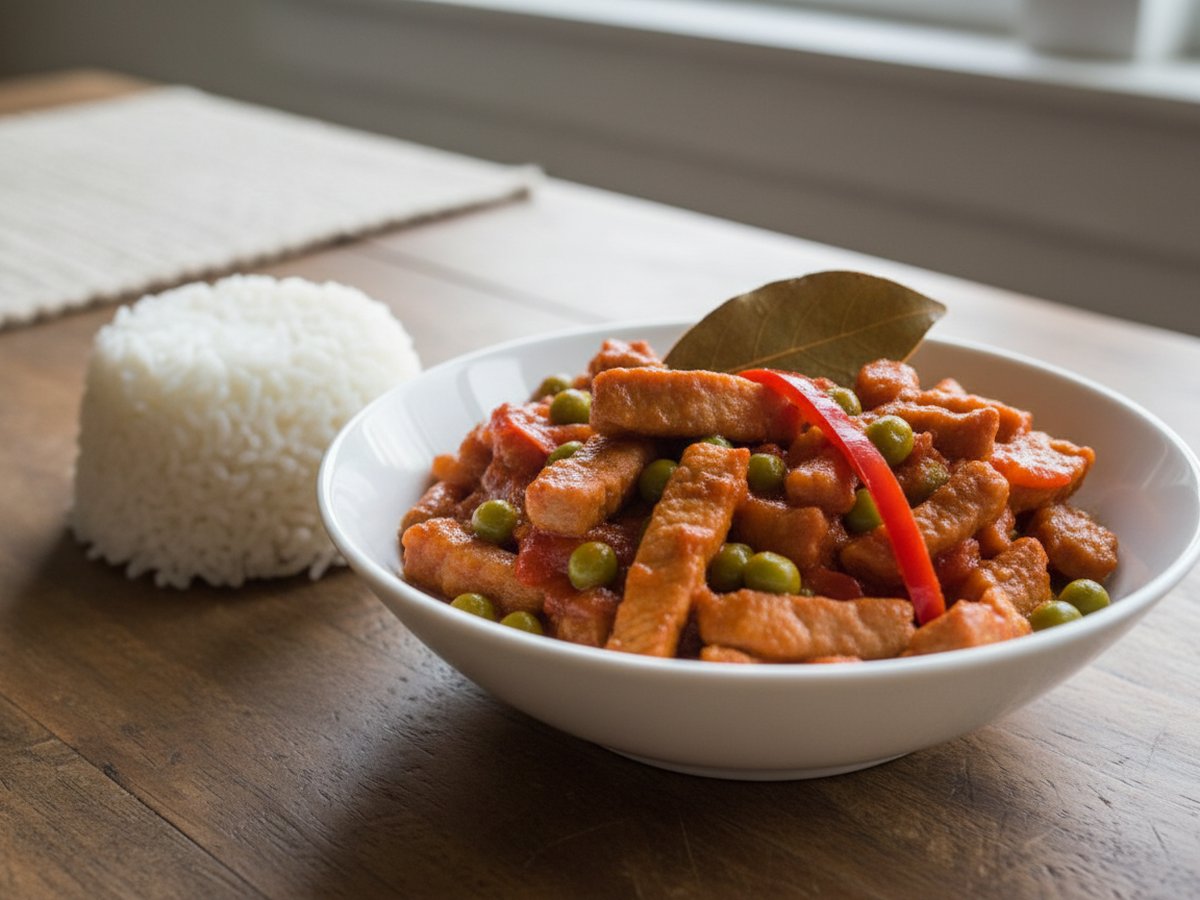
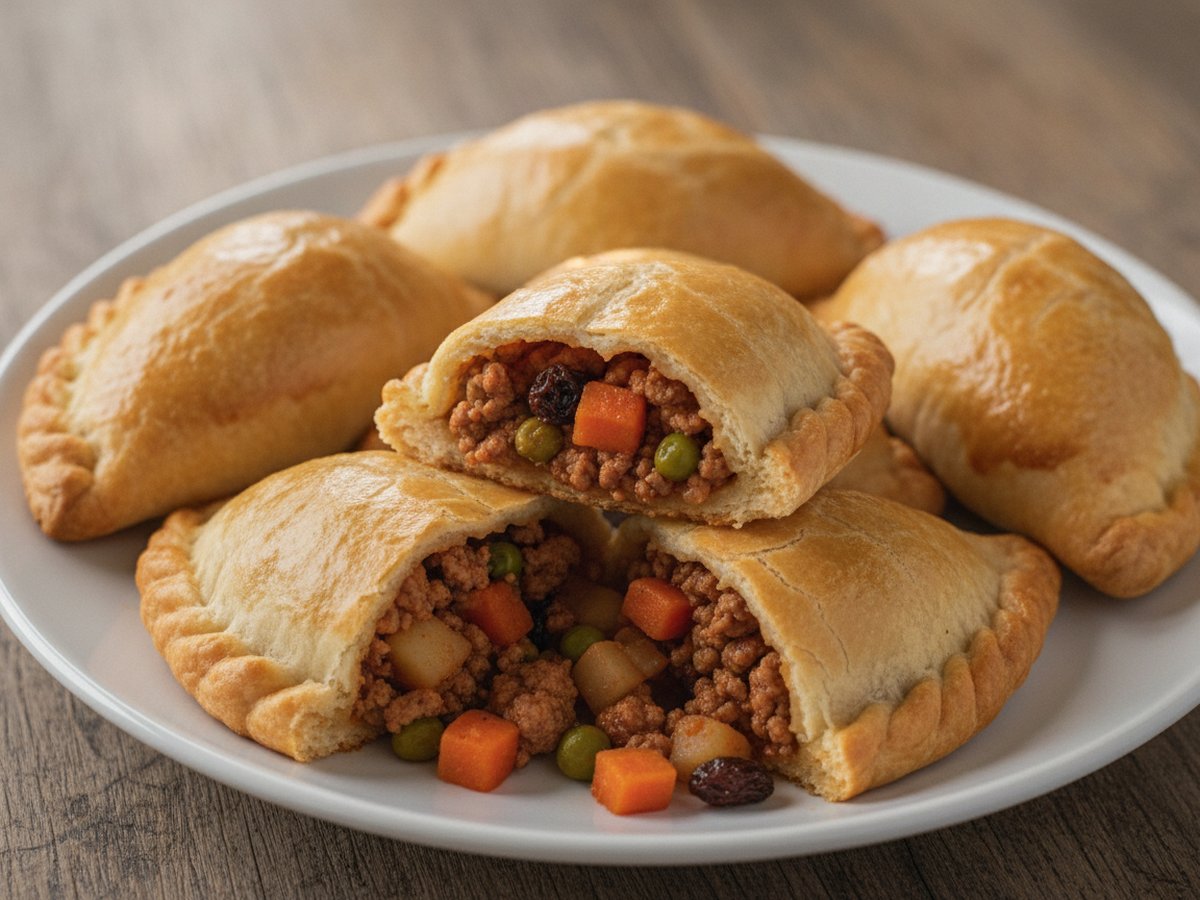
A Filipino empanada is a baked half-moon hand pie. The pastry is buttery and a little sweet, and inside is a picadillo-style filling: ground pork, diced potato, carrot, peas and a few raisins, cooked down in tomato sauce until it is thick enough to hold on a spoon.
This version makes 12. Every number on the card is checked against three published Filipino empanada recipes, and where they disagree, the page tells you whose number it uses.
Last updated
Recipe
Filipino Empanada (Pork and Potato Hand Pies)
Ingredients
Pastry
Filling
To finish
Method
- Heat the oil in a wide pan over medium heat. Cook the onion until soft, then add the garlic and stir for 30 seconds.
- Add the ground pork and cook, breaking it up with the spoon, until browned and no pink remains, 5 to 8 minutes.
- Stir in the tomato sauce, potato and carrot. Cover and simmer on low for 10 to 12 minutes, until a fork slides into the potato.
- Add the peas and raisins and cook uncovered until the sauce is thick and clings to the meat. Season with salt and pepper. Spread on a plate and cool completely.
- Whisk the flour, sugar, salt and baking powder in a bowl. Cut in the cold butter until the pieces are the size of peas.
- Drizzle in the ice water a tablespoon at a time, mixing until the dough just holds together. Shape into a disc, wrap and chill for 30 minutes.
- Heat the oven to 375°F (190°C) and line a baking sheet with parchment. Hungry Huy bakes at 350°F (175°C) for the same 25 to 30 minutes.
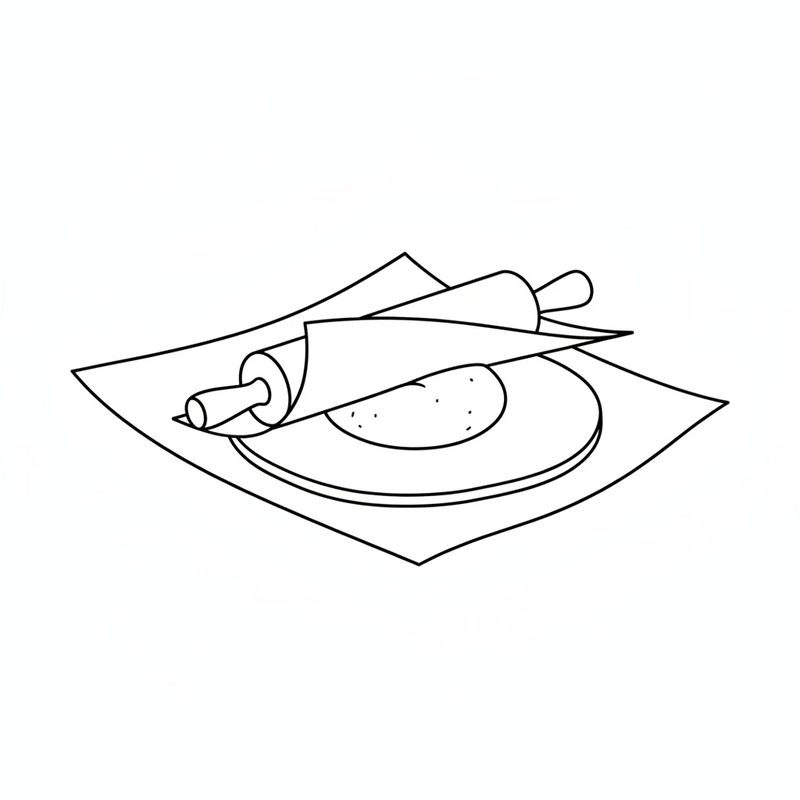
- Divide the dough into 12 pieces. Roll each between two sheets of parchment into a circle 4 1/2 to 5 inches (11 to 13 cm) across.
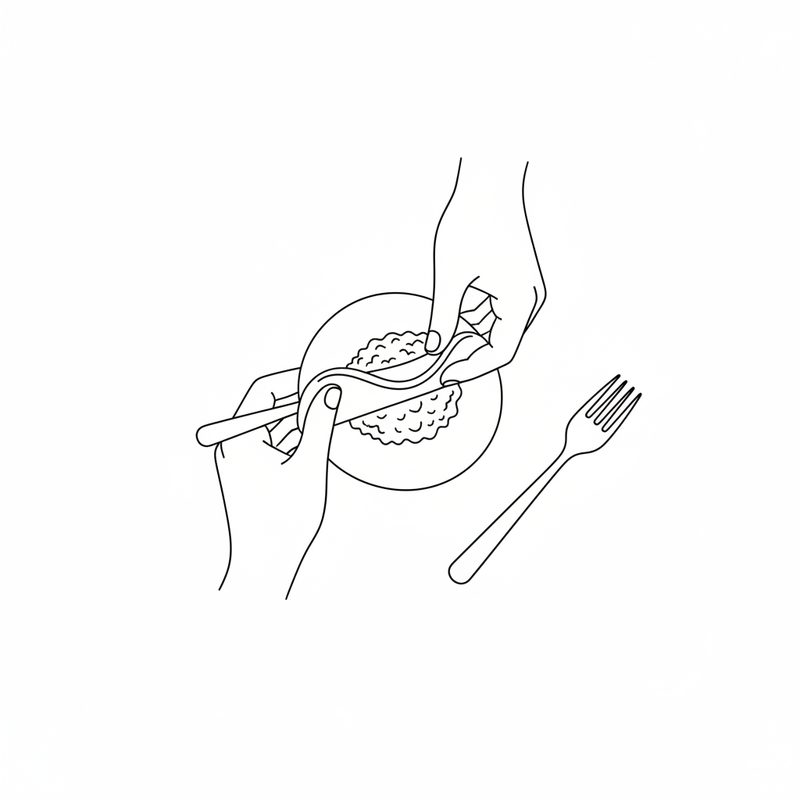
- Spoon about 1 1/2 tablespoons of filling onto one half of each circle. Fold over, press the edges together and crimp with a fork.
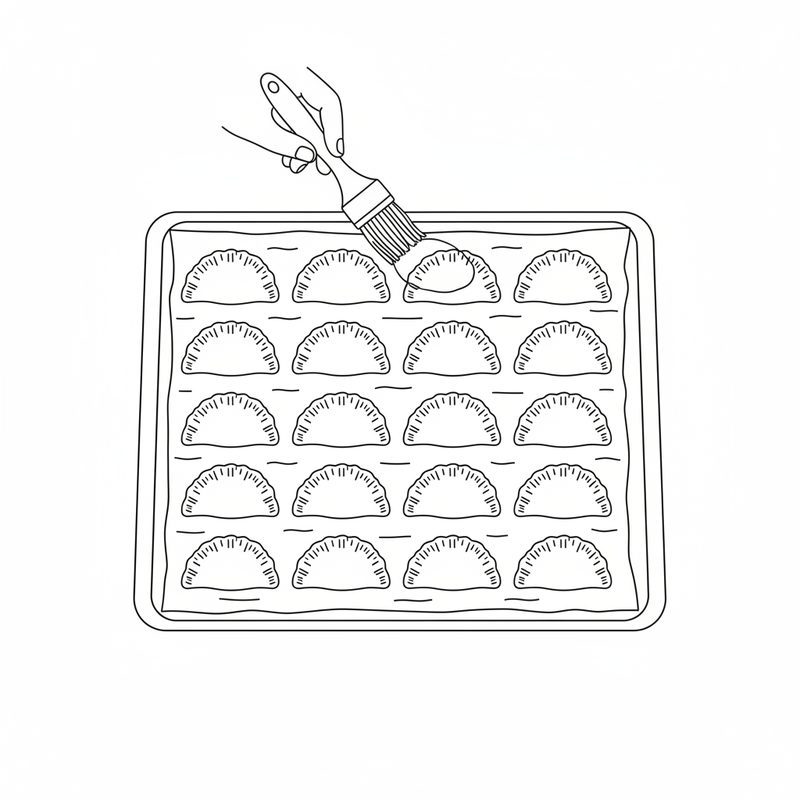
- Set on the baking sheet, brush with the beaten egg and bake for 25 to 30 minutes, until golden brown. Cool for 5 minutes before serving.
What is a Filipino empanada?
It is the Philippine take on the Spanish empanada: a folded pastry turnover with a savoury meat filling, eaten as merienda, the afternoon snack. Yes, empanada is a Filipino food. The name is Spanish, and the dish came with 333 years of Spanish rule, but the filling is pure Filipino home cooking: the same sweet-savoury picadillo you would eat over rice.
Two things mark it out. The dough is sweetened, usually with a couple of tablespoons of sugar. And the filling carries raisins and potato, which stretch the meat and give each bite a sweet pop against the salty sauce.
What goes in the filling
The filling is ground meat, onion, garlic, tomato sauce, potato, carrot, green peas and raisins, seasoned with salt and pepper. The three recipes this page is checked against all use that list, except that Hungry Huy leaves out the raisins. Pork and beef are interchangeable here; the three main sources use beef, and Panlasang Pinoy publishes a pork version.
If you already cook pork giniling, you know this filling. It is the same idea, cooked drier. That is the one rule that matters: the filling must be thick and chunky, not saucy, or it soaks the pastry and leaks through the seam.
Cut the potato and carrot small, about the size of a pea. Big cubes poke through thin pastry and make the half-moons hard to seal.
How the three recipes compare
The card follows the numbers at least two of the three recipes share. Where they split, it takes the middle value and says so.
| Ingredient | Kawaling Pinoy | Hungry Huy | Food Faith Fitness | This card |
|---|---|---|---|---|
| Flour | 2 1/2 cups | 250 g | 2 cups | 2 cups (250 g) |
| Butter | 8 oz | 114 g | 1 cup | 1 cup (226 g) |
| Sugar in the dough | 3 tbsp | 25 g | 1/4 cup | 2 tbsp (25 g) |
| Ground meat | 1/2 lb | 1/2 lb | 1/2 lb | 1/2 lb |
| Tomato sauce | 3/4 cup | 1 cup | 1/2 cup | 3/4 cup |
| Garlic | 1 clove | 5 cloves | 2 cloves | 2 cloves |
| Raisins | 2 tbsp | none | 1/4 cup | 2 tbsp |
| Oven | 375°F | 350°F | 375°F | 375°F (190°C) |
| Makes | 12 | 12 | 10 | 12 |
The sugar follows Hungry Huy, the lowest of the three, because the filling is already sweet from the raisins. The tomato sauce follows Kawaling Pinoy, which sits between the other two. Hungry Huy uses half the butter plus an egg in the dough, for a leaner pastry; the card follows the two recipes that agree.
There is no total time on the card, and that is on purpose. The three recipes count chilling differently: 75 minutes, 130 minutes and four hours. The middle figure, Food Faith Fitness’s 130 minutes, is a fair plan. Most of it is hands-off while the dough chills and the filling cools.
Filipino empanada, step by step
 Soften the onion and garlic, then brown the pork.
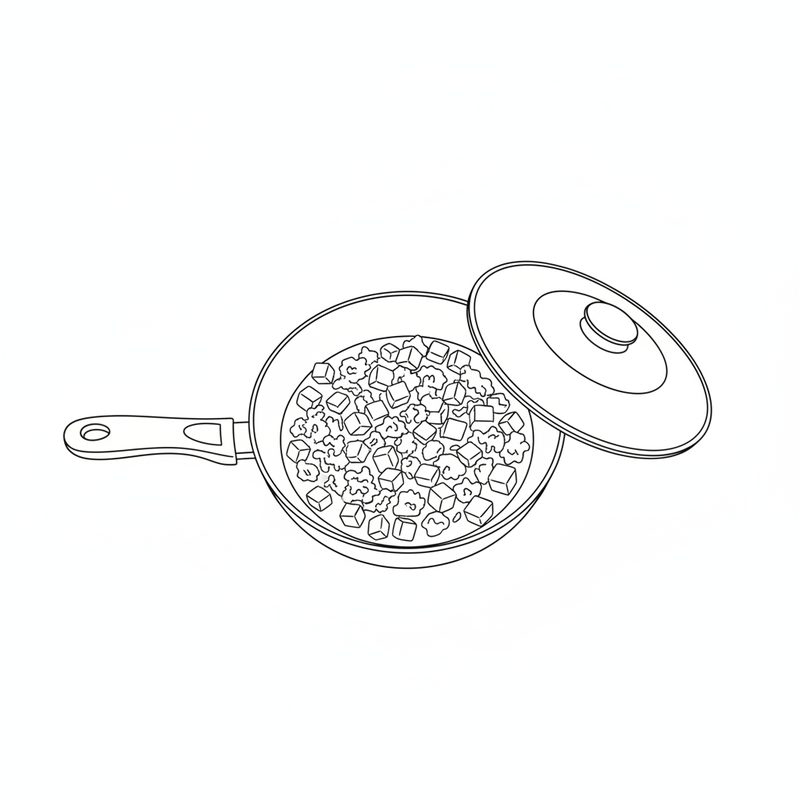
- Simmer with tomato sauce, potato and carrot.
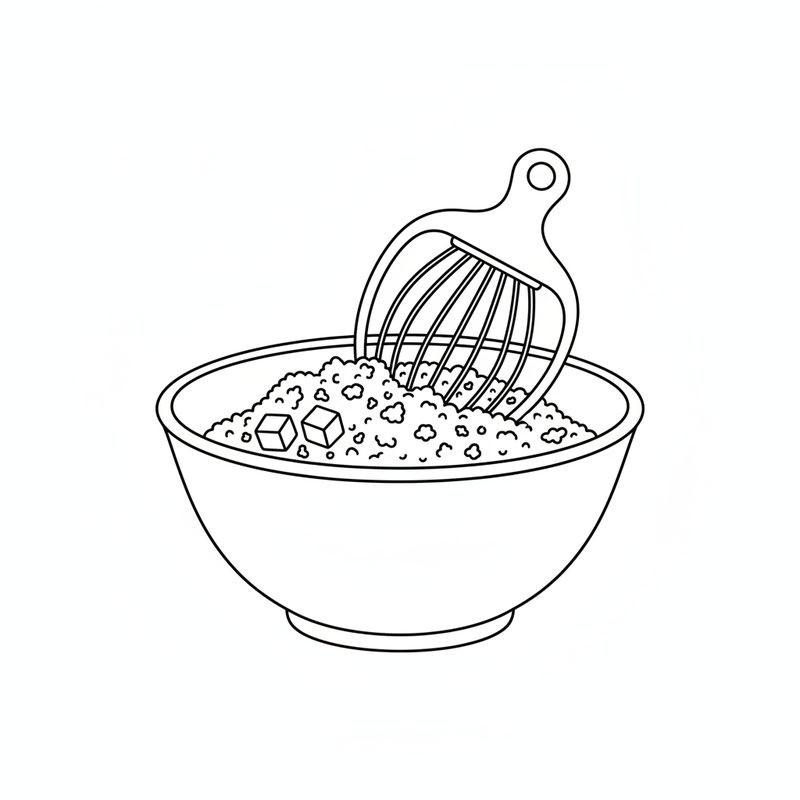
- Cut the cold butter into the flour.
- Roll each piece into a thin circle.
- Fill, fold into a half-moon and crimp.
- Brush with egg and bake until golden.
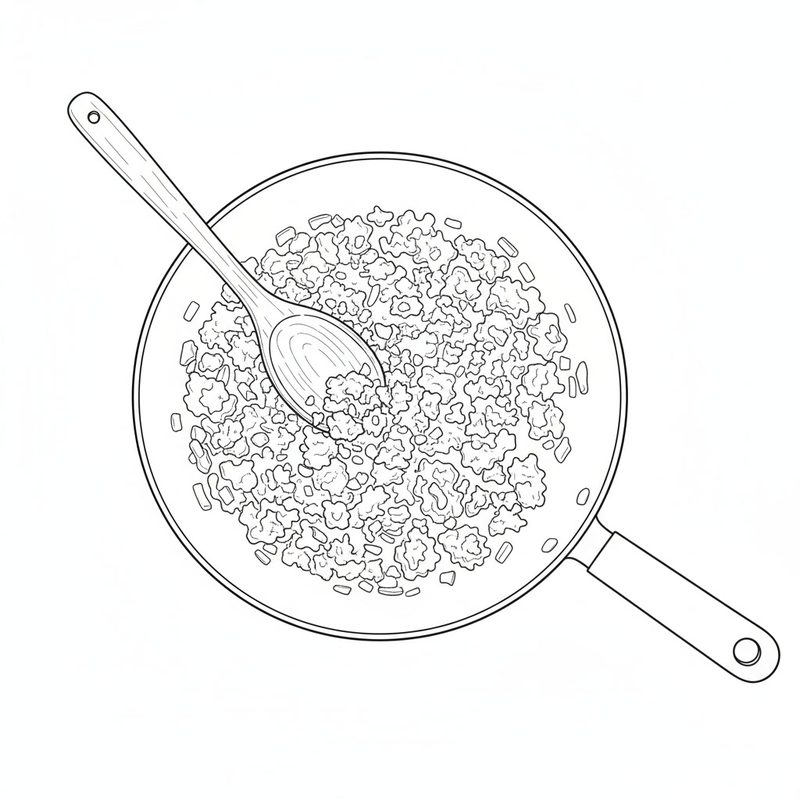
Brown the pork until no pink remains. Ground pork is safe at 160°F (71°C), the USDA figure for all ground meat, so if you have a thermometer, check it once before the tomato sauce goes in.
Then simmer the potato and carrot covered for 10 to 12 minutes. The potato is ready when a fork slides in without resistance but the cube still holds its shape. Take the lid off for the peas and raisins and cook until the sauce clings to the meat.
Getting the crust and filling right
Cold butter makes the flakes. Cut it into the flour until the pieces are about the size of peas, then add the ice water a tablespoon at a time. Stop as soon as the dough holds together when you squeeze it. Kneading past that point makes the crust tough.
Cool the filling completely before you fill. Warm filling melts the butter in the pastry, and the seams open in the oven.
Rolling each piece between two sheets of parchment is the tidy shortcut. The dough does not stick, you need no extra flour, and you can lift the circle straight onto your palm to fill it.
Here is what goes wrong, and what it looks like:
- Filling leaks out of the seam. The filling was too wet or too warm, or there was filling on the edge. Keep a clean border and press it firmly before crimping.
- Pale, soft bottoms. The oven was too cool or the tray was crowded. Give each empanada space and bake until the tops are properly golden, not just set.
- Dough cracks when you fold it. It is too cold or too dry. Let it sit for a few minutes, or brush the edge with a little water.
Baked or fried: the two kinds
Filipino empanadas come in two kinds: the baked one with a short, buttery crust, and the flaky fried one. This recipe is the baked kind, which is what the three sources make and what most home cooks mean by empanada.
All three sources bake this pastry and none of them fries it, so frying sits outside what this card is checked against. If you want the fried kind, use a recipe written for frying.
What is Ilocos empanada?
Ilocos empanada is a different dish that shares the name. It comes from Ilocos in the north of the Philippines, and its dough is rice flour coloured orange with annatto, deep-fried until it is crisp and crackly.
The filling is green papaya, mung beans and sometimes cabbage, with Vigan longganisa and egg inside. If you like Ilocos flavours, the garlicky longganisa on this site is the sausage family it belongs to.
Other regions have their own versions too: Bulacan is known for empanada de kaliskis with a flaky, scale-like crust, and Cebu for empanada Danao, filled with chorizo and chayote and rolled in sugar.
Variations
- Beef. Swap the pork for the same weight of ground beef. This is what Kawaling Pinoy, Hungry Huy and Food Faith Fitness all use.
- Chicken. Use ground or finely chopped cooked chicken; Panlasang Pinoy and Anova both publish chicken empanadas.
- Sweeter filling. Hungry Huy adds brown sugar to the tomato sauce. Add it a teaspoon at a time and taste.
- No tomato sauce. Panlasang Pinoy’s pork empanada braises the filling with Worcestershire sauce and broth instead, which gives a darker, more savoury filling.
- Extra raisins. Food Faith Fitness uses 1/4 cup. Fine, if you like the sweet pops.
Make ahead and leftovers
The filling is the easy part to make ahead. Kawaling Pinoy keeps it in the fridge for up to 3 days, and the wrapped dough for up to 3 days too. Cold filling is easier to wrap than warm filling.
Baked empanadas keep in an airtight container in the fridge for up to 4 days, or in the freezer for up to 3 months, per Food Faith Fitness. Hungry Huy allows up to a week in the fridge; the shorter figure is the safer one. Reheat them in the oven or an air fryer rather than the microwave, which turns the crust soft.
Serve them as merienda with coffee, or next to Filipino lumpia on a party table. They are good warm and still good at room temperature, which is why they are made by the dozen.
Questions people ask
Is empanada a Filipino food?
Yes. The name and the idea came from Spain, but the Filipino empanada, with its sweet pastry and picadillo filling of meat, potato and raisins, is a Filipino dish in its own right.
What are the ingredients for a Filipino empanada?
Flour, butter, sugar, salt and ice water for the pastry; ground pork or beef, onion, garlic, tomato sauce, potato, carrot, peas and raisins for the filling; and a beaten egg to brush the tops.
What are the two types of Filipino empanada?
Baked, with a short buttery crust, and fried, with a flaky crust. Ilocos empanada is a separate fried version made with orange rice-flour dough.
Why is there raisin in Filipino empanada?
Raisins are part of the picadillo-style filling. They add small bursts of sweetness against the salty tomato sauce. Hungry Huy leaves them out, so they are optional.
Can I freeze Filipino empanadas?
Yes. Food Faith Fitness freezes the baked empanadas for up to 3 months in zip-top bags, and Kawaling Pinoy freezes the raw dough for up to 3 months.