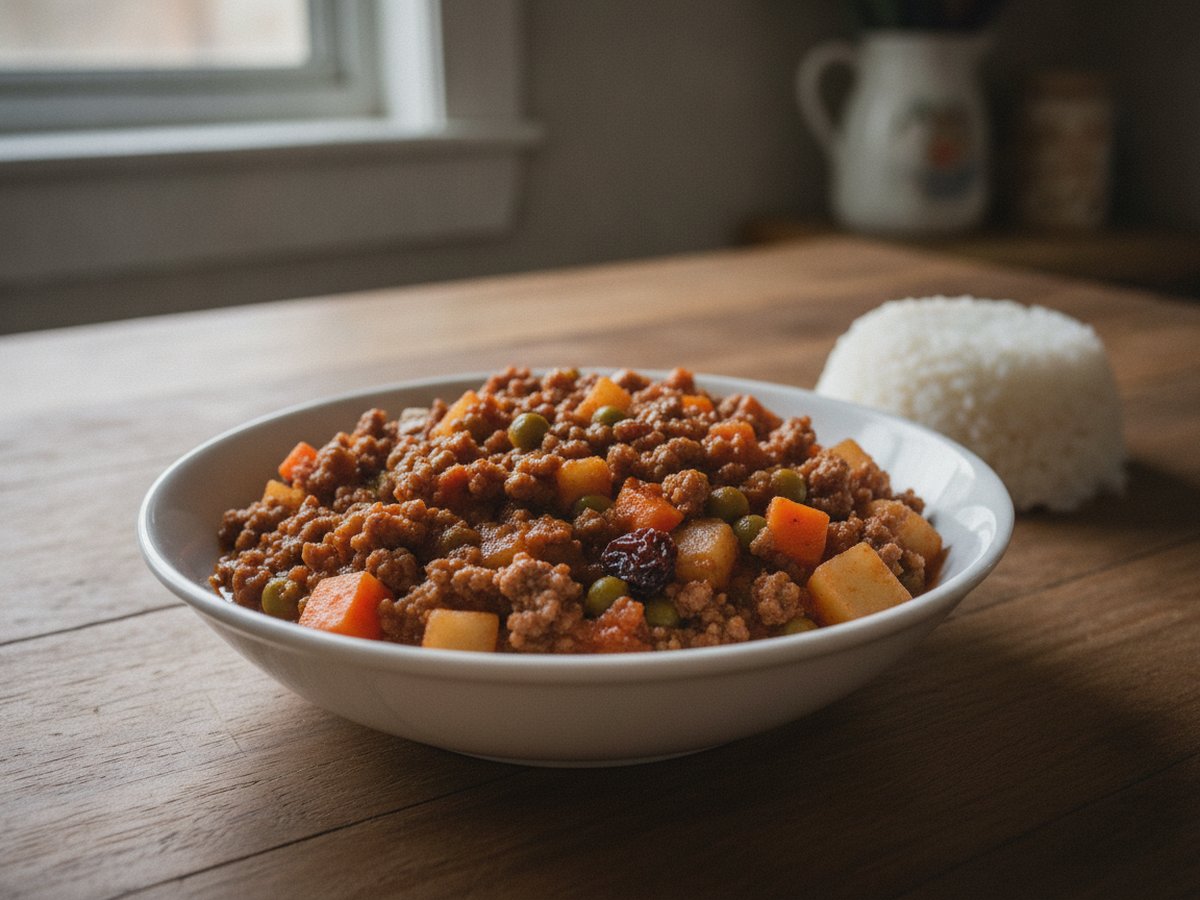
Filipino picadillo, or giniling na baka (ground beef), is ground beef simmered with tomatoes, diced potato, carrot, green peas and raisins until the sauce is thick enough to cling to the meat. It is savory first and a little sweet, and it is eaten hot over steamed white rice.
It takes about 55 minutes, most of it hands-off simmering, and one pan feeds six. Below is the card, then what sets it apart from Cuban and Mexican picadillo, where every quantity comes from, and how to keep it thick instead of soupy.
Last updated
Recipe
Filipino Picadillo (Giniling na Baka)
Ingredients
Method
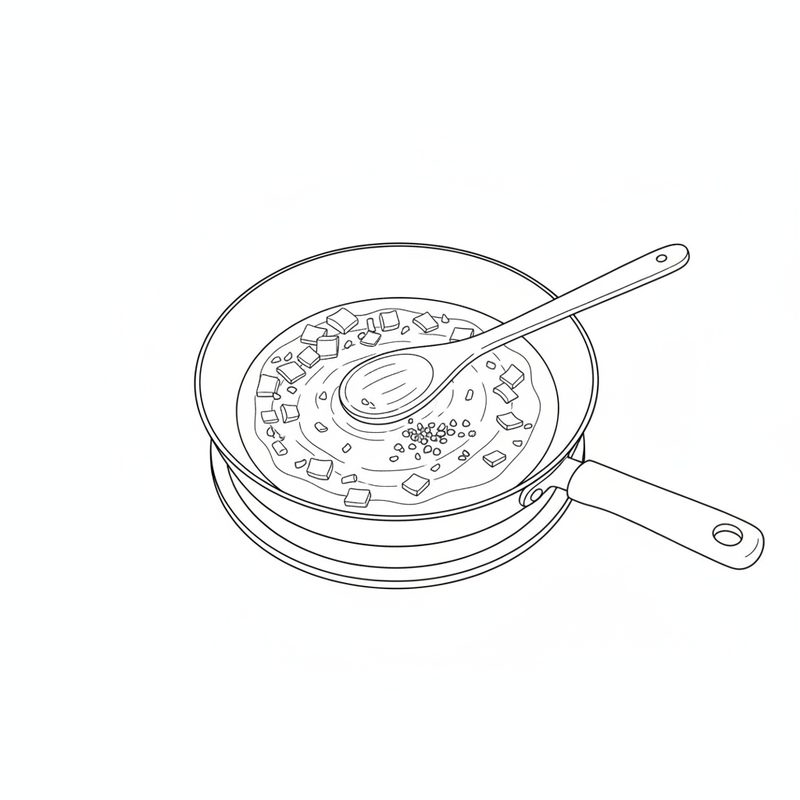
- Heat the oil in a wide pan or pot over medium heat. Cook the onion for about 3 minutes, until soft and translucent, then add the garlic and cook for about 1 minute, until it smells sweet and is still pale.
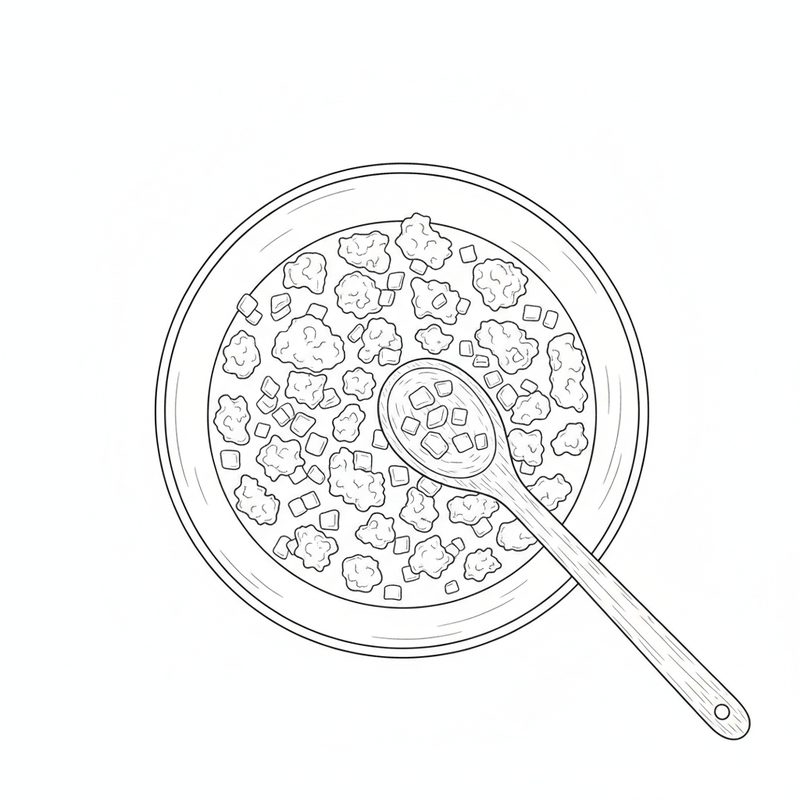
- Add the ground beef. Break it up with the spoon and cook, stirring now and then, for about 8 minutes, until no pink shows and some bits have browned. Spoon off excess fat if a lot pools.
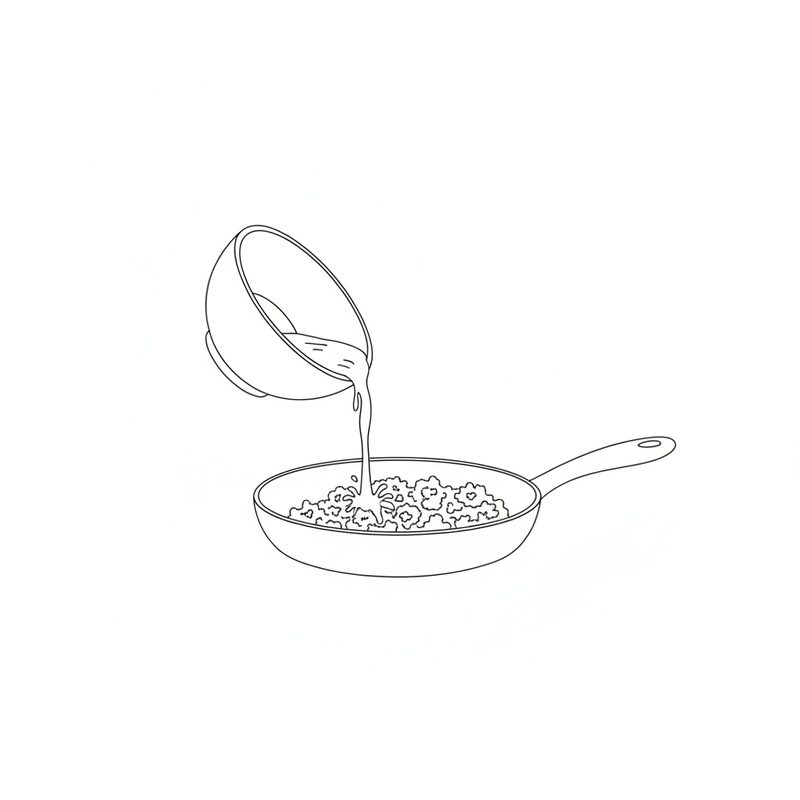
- Pour in the diced tomatoes with their juice, the broth and the raisins. Bring to a boil, cover, lower the heat and simmer for 15 to 30 minutes, stirring once or twice, until the sauce has darkened and thickened.
- Add the potato and carrot. Cover and cook for about 10 minutes, until a fork slides through a potato cube without pushing.
- Stir in the peas and the fish sauce. Season with salt and pepper and cook uncovered for 3 more minutes, until the sauce coats the beef instead of pooling. Taste and adjust.
- Serve hot over steamed white rice, with a fried egg on top if you like.
What is Filipino picadillo?
Filipino picadillo is a ground meat and vegetable stew in a tomato base, usually made with beef. The name is Spanish, from picar, to chop or mince, and in Filipino kitchens the same dish is just as often called giniling, which means ground.
What makes it Filipino is the balance. Raisins and sweet tomato sit against fish sauce, the potato and carrot soak up the sauce, and the whole pan is cooked down until it is spoonable rather than brothy. It is a weeknight dish, and it is cooked in quantity because it keeps.
Filipino picadillo vs Cuban and Mexican picadillo
All three are minced meat cooked with tomato, but they taste different because of what goes in next. The Filipino version is defined by potato, carrot, peas and raisins, with fish sauce or soy sauce for salt and no cumin.
| Filipino | Cuban | Mexican | |
|---|---|---|---|
| Usual vegetables | Potato, carrot, green peas | Onion, bell pepper | Potato, carrot, sometimes chiles |
| Sweet note | Raisins, sweeter tomato | Raisins | Usually none |
| Salty or briny note | Fish sauce or soy sauce | Green olives, often capers | Salt, sometimes stock |
| Spice | Black pepper | Cumin, oregano | Cumin, chiles |
| Served with | Steamed rice, often a fried egg | White rice and black beans | Rice, tortillas, or as a filling |
Some Filipino cooks add green olives too, which pulls it toward the Cuban side. Two of the source recipes behind this card include them. Here they are optional, not part of the base.
What is the difference between picadillo and giniling?
In most Filipino kitchens there is no real difference: picadillo and giniling are two names for the same ground meat and vegetable stew. Giniling is the Tagalog word for ground, so giniling na baka is ground beef and giniling na baboy is ground pork. Picadillo is the Spanish-derived name.
For the pork version, this site has a separate pork giniling recipe, and there is a meat-free vegan giniling too. This page is the beef one, in a tomato sauce.
Ingredient notes
- Beef. Ordinary ground beef works. One of the source recipes uses half beef and half pork, which gives a softer, richer pan, and that swap is fine.
- Tomatoes. A can of diced tomatoes with the juice gives a chunkier sauce. Plain tomato sauce, which some Filipino cooks use, gives a smoother, redder one. Either is right; use one cup of tomato sauce in place of the can.
- Raisins. They are what most people notice first. They plump up during the simmer and add small pops of sweetness. Leave them out if your household does not like them; nothing else changes.
- Potato and carrot. Cut both into half-inch cubes so they cook in the same time. Bigger pieces mean a longer simmer and a drier pan.
- Fish sauce. This is the salt. Add it near the end and taste before reaching for more, because broth and fish sauce are both salty. Soy sauce is a common swap.
Where the quantities come from
Every number on the card was checked against three published Filipino picadillo recipes, from Panlasang Pinoy, A Family Feast and Recipes by Nora, with a fourth from Pinoy Recipe at Iba Pa as a cross-check. A quantity goes on the card when at least two of them agree.
Two quantities did not agree. Garlic runs from 4 to 6 cloves across the sources; the card uses 4, and you can go up to 6. Carrot runs from half a cup to two cups; the card uses one cup, the middle value. The times are the median of the published times: 10 minutes prep, 45 minutes cooking, 55 minutes total, and the median yield is 6 servings.
Filipino picadillo, step by step
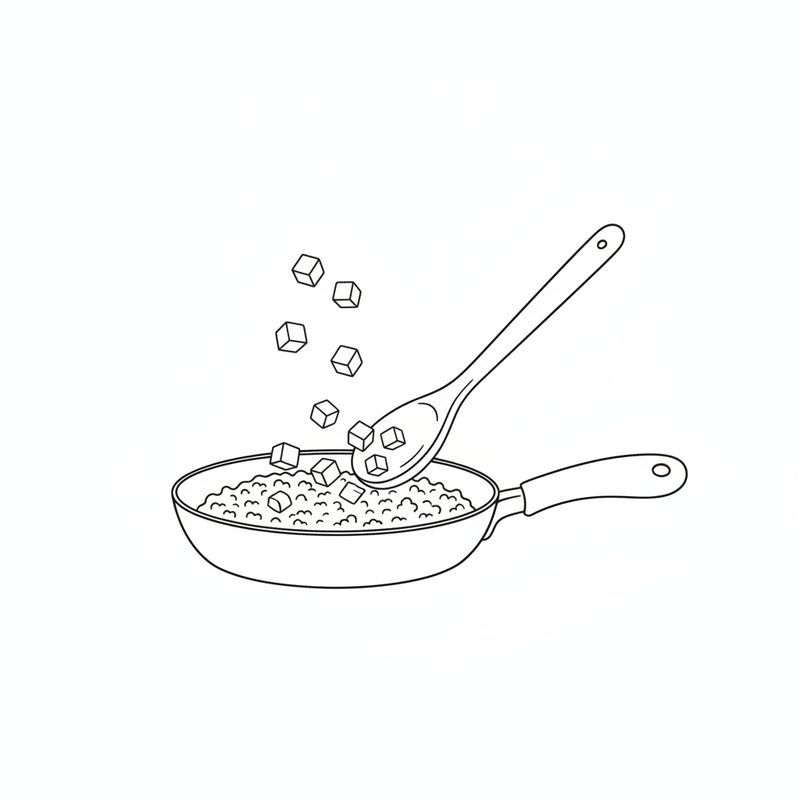
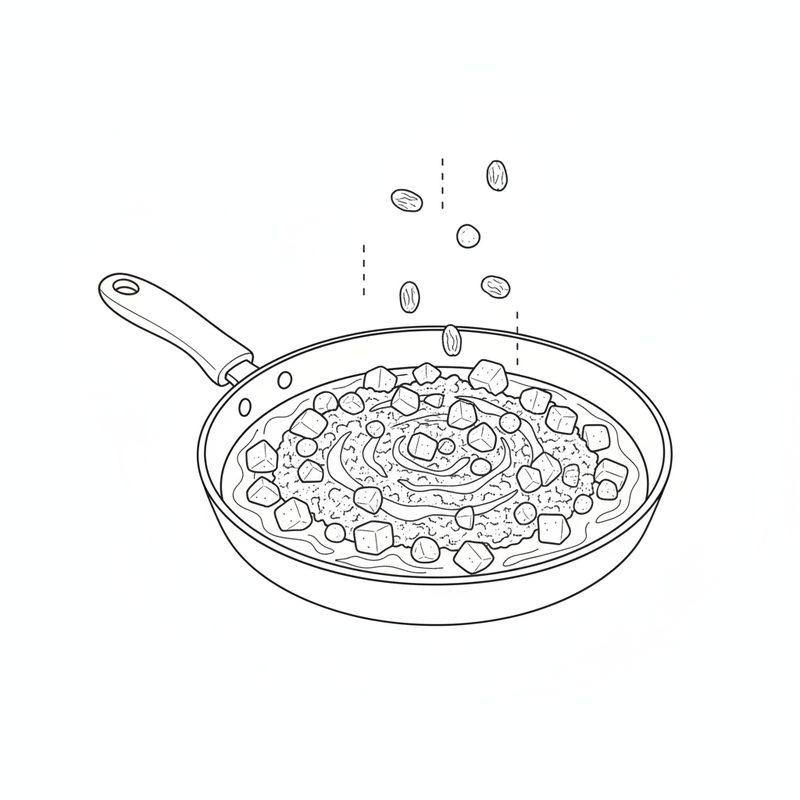
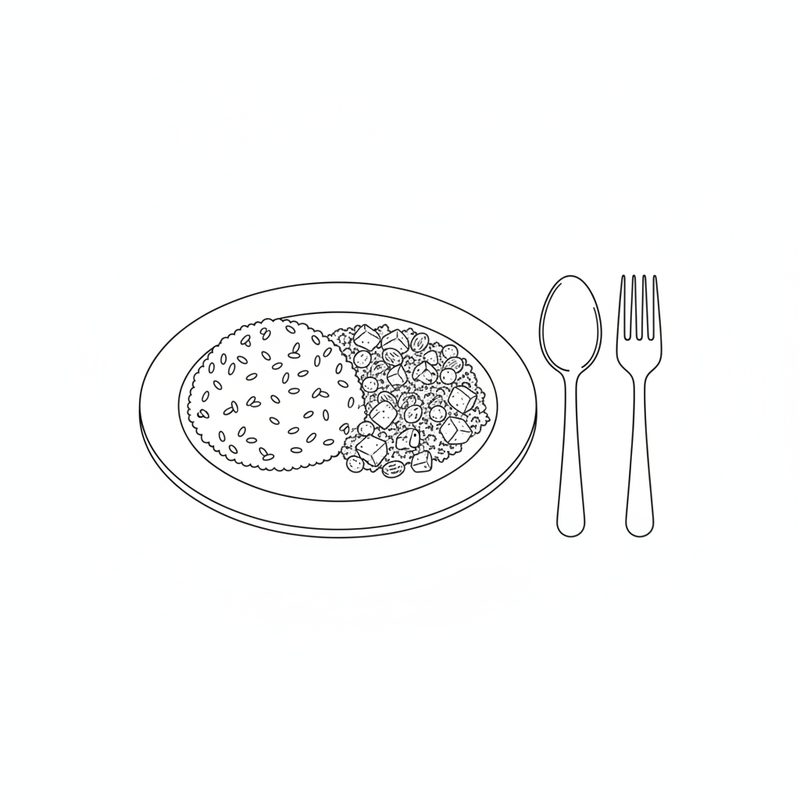
Six stages, one pan. The pictures follow the numbered steps on the card.
 Soften the onion, then the garlic.
- Brown the beef and break it up.
- Add tomatoes, broth and raisins, then simmer.
- Add the potato and carrot.
- Stir in the peas and season.
- Serve over rice.
Common mistakes
- Soupy picadillo. If the sauce runs across the plate, take the lid off for the last few minutes and let it cook down until it coats the beef.
- Mushy potatoes. They go in after the sauce has simmered, not at the start. Pull the pan off the heat once a fork goes through a cube without pushing.
- Bitter garlic. Add it after the onion softens and keep it pale gold. Dark brown garlic tastes harsh in a sweet-savory sauce.
- Grey, steamed beef. Spread the meat out and leave it a minute before stirring so it browns in places. Spoon off fat if a lot pools.
Shortcut or not: fry the vegetables first
Two of the four sources fry the potato and carrot in oil first, set them aside and fold them back in at the end. It costs an extra bowl and about 15 minutes, and the cubes come out with browned edges that hold their shape. The card uses the simpler one-pan method, where they simmer in the sauce. Both are correct.
Variations
- Pork or half and half. Swap some or all of the beef for ground pork.
- With olives. Add a handful of halved green olives with the potatoes.
- As a filling. Cook it until almost dry and use it to fill Filipino empanada.
- Topped with egg. A sunny-side-up egg on each bowl is the most common way to serve it.
Make ahead, storage and reheating
Picadillo keeps well, and it is often better the next day once the raisins and potatoes have taken up more sauce. Cool it and refrigerate within 2 hours of cooking, covered, for 3 to 4 days. It freezes for 2 to 3 months.
Reheat in a pan with a splash of water, stirring until hot all the way through. Ground beef should reach 160°F (71°C) when first cooked, and leftovers should be reheated to 165°F (74°C).
What to serve with Filipino picadillo
Steamed white rice is the standard, and a fried egg on top makes it a full meal. A plain green vegetable on the side is enough. For a bigger spread, it sits well next to a tomato-based stew like beef afritada.
Questions people ask
What is the Filipino version of picadillo?
It is ground beef or pork simmered with tomatoes, diced potato, carrot, green peas and usually raisins, seasoned with fish sauce and served over rice.
What is the difference between Mexican and Filipino picadillo?
Mexican picadillo is usually spiced with cumin and sometimes chiles and is often used as a filling. Filipino picadillo skips the cumin, adds raisins and peas, and is seasoned with fish sauce or soy sauce.
What is picadillo in Tagalog?
Giniling, which means ground. Ground beef picadillo is giniling na baka and ground pork picadillo is giniling na baboy.
What is the difference between picadillo and giniling?
In most Filipino kitchens they are the same dish. Picadillo is the Spanish-derived name and giniling is the Tagalog one.
Can I make Filipino picadillo without raisins?
Yes. Leave them out and the dish is simply more savory. Nothing else in the recipe needs to change.
Why is my picadillo watery?
The sauce has not cooked down enough. Simmer it uncovered for a few more minutes until it coats the meat instead of pooling.