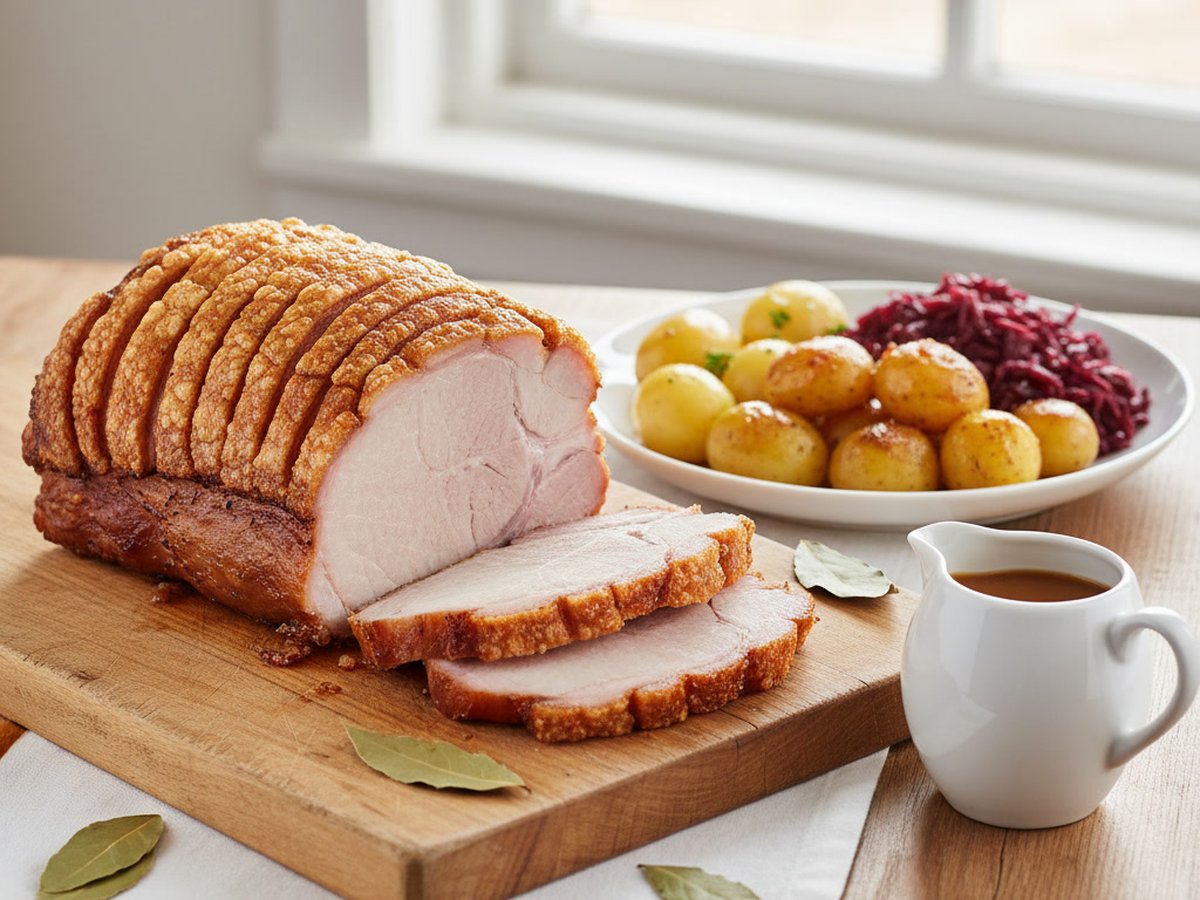
Flæskesteg (say it roughly “FLES-keh-stai”) is Danish roast pork cooked with the rind left on, scored into narrow strips and salted so the rind turns into a sheet of crackling. You roast a rind-on loin on a rack over water until the meat reaches 63°C (145°F), then give the top a short blast of heat until it puffs.
What separates it from the roast pork most people know is the rind. It is not trimmed off and not an afterthought. In Denmark the crackling, flæskesvær, is the part people argue over, and the whole method is arranged around keeping it dry and getting salt into it.
Last updated
Recipe
Flæskesteg Recipe (Danish Roast Pork with Crackling)
Ingredients
Method
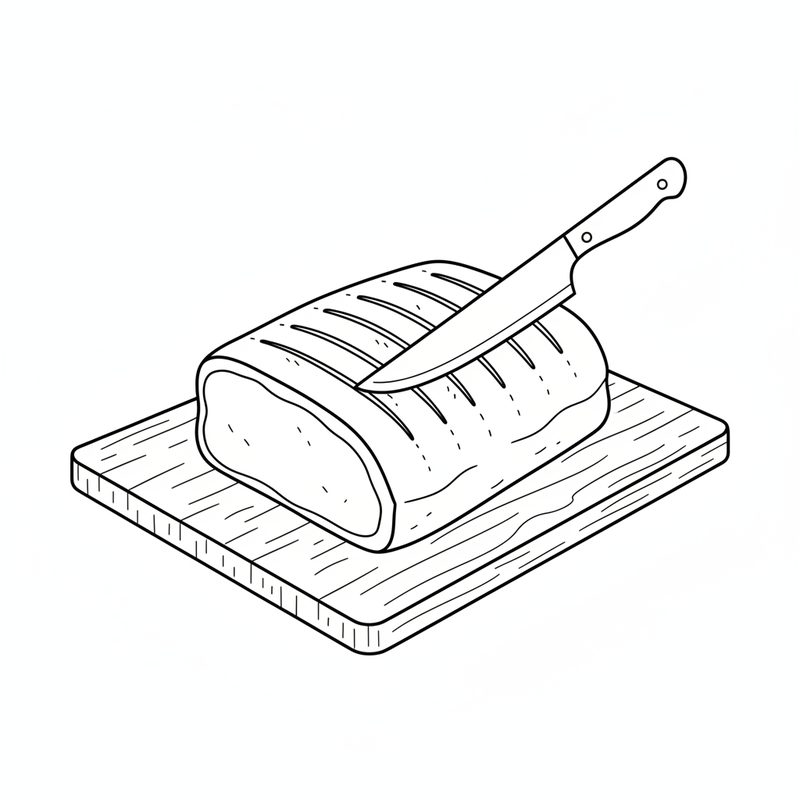
- Pat the rind completely dry. Score it into strips 5 mm to 1 cm apart, cutting through the skin and into the fat but not into the meat. If you have time, leave it uncovered in the fridge for a day or two.
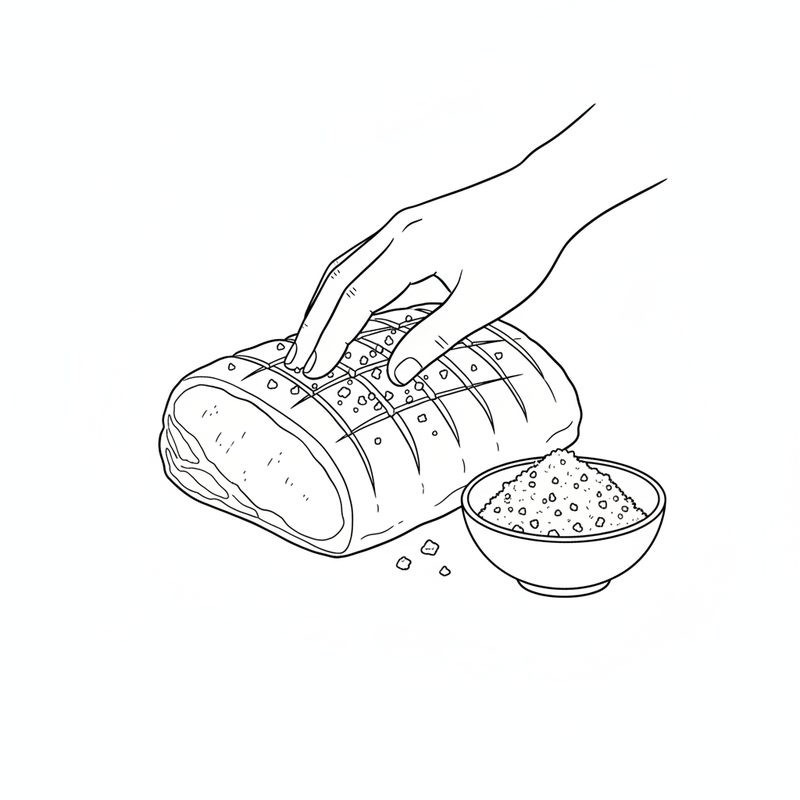
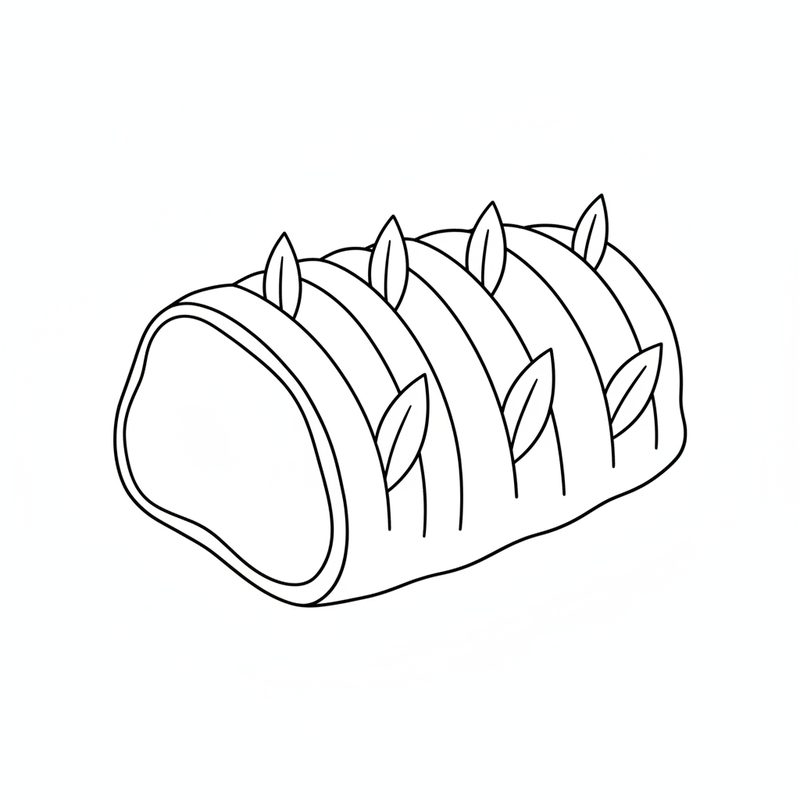
- Heat the oven to 200°C (400°F). Rub coarse salt all over the rind and deep into every groove, then tuck the bay leaves into the grooves.
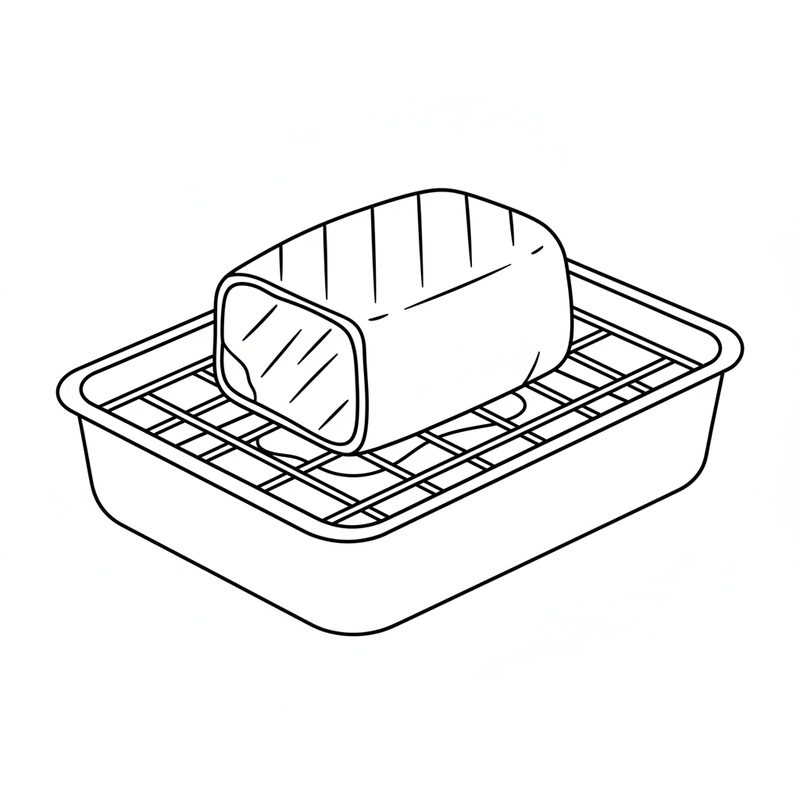
- Set the roast on a rack over a roasting pan and pour the water into the pan. Check the roast sits level; wedge foil under the low end if it does not.
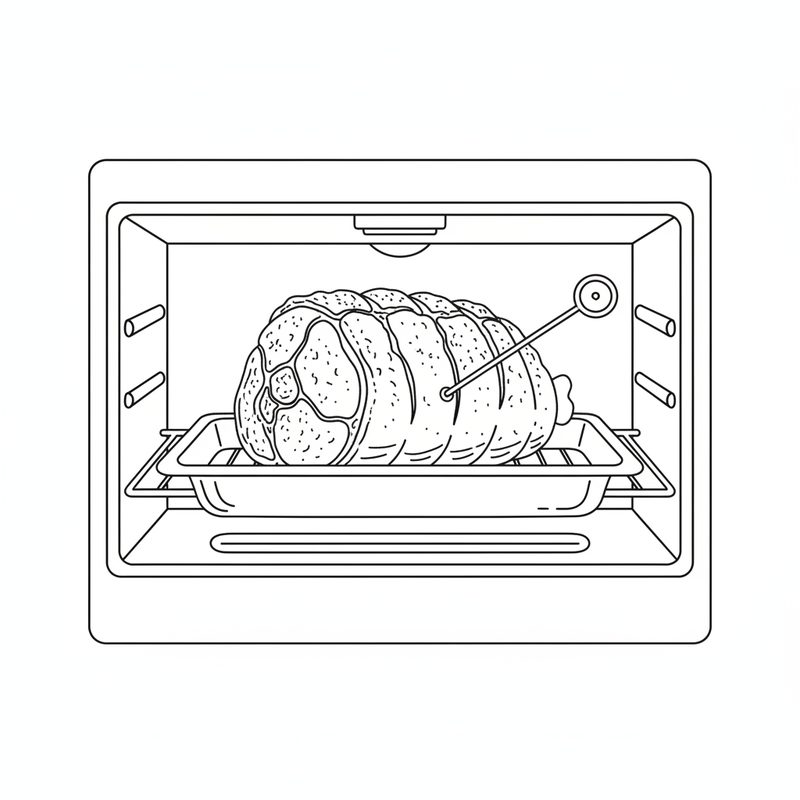
- Roast until a thermometer in the thickest part reads 63°C (145°F). Top up the water if the pan starts to run dry.
- If the rind has not puffed by the time the meat is nearly done, switch to the grill (broiler) or raise the oven to 250°C (480°F) for a few minutes, watching closely so it does not burn.
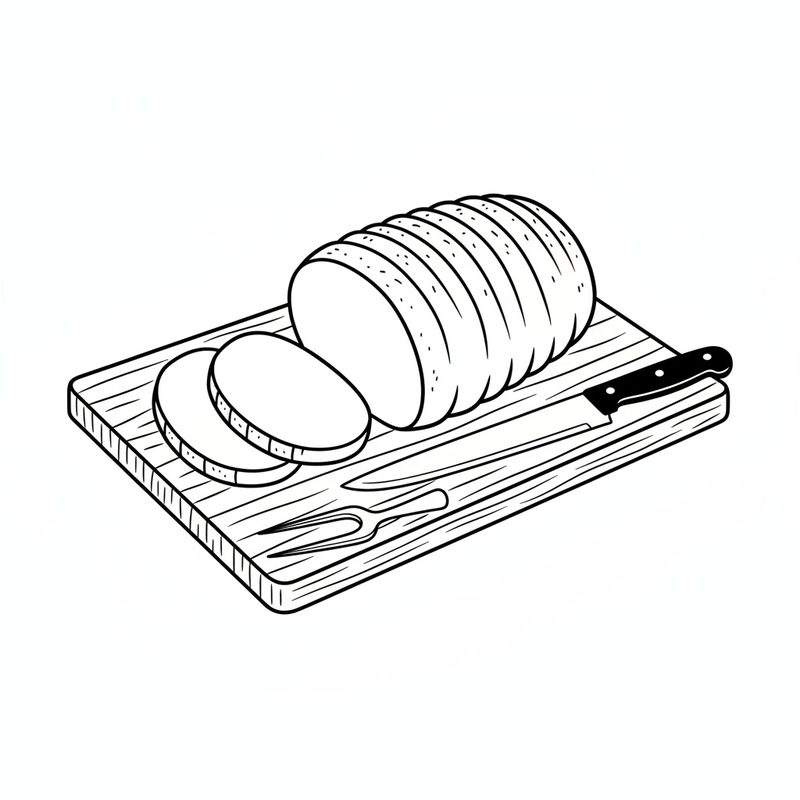
- Rest the roast for 15 minutes. Make the gravy from the pan juices meanwhile, then slice the pork along the grooves in the crackling.
What is flæskesteg?
Flæskesteg is a whole joint of pork roasted with its skin on, and it is best known as the main dish of the Danish Christmas Eve dinner. It is eaten all year round as well; nothing about the recipe is reserved for December.
The name translates simply as pork roast. In English it is usually called Danish roast pork, or roast pork with crackling.
On Christmas Eve it is served with caramelised potatoes, boiled potatoes, sweet-sour red cabbage and brown gravy. If you are cooking the whole Christmas Eve menu, the dessert is risalamande.
Which cut of pork to buy
Buy a pork loin with the rind still on. Loin, svinekam, is the cut most English-language recipes use, and it gives neat slices with a strip of crackling on each.
Danes also roast the neck, nakkekam, which is fattier and more forgiving, and the belly or side, ribbenssteg, which is the other big Christmas roast. The method below works for all three.
What matters more than the cut is the fat. You want a clear layer of fat under the skin, about 2.5 cm (1 inch) according to Adamant Kitchen, because the crackling forms in that layer. A lean supermarket loin with the skin trimmed away will not work.
Rind-on loin is genuinely hard to find in a British or American supermarket. Ask a butcher for a loin with the skin left on and not scored. Pork belly with the skin on is the other cut to ask for.
Why the crackling works
Crackling forms when the small amount of water left in the skin turns to steam and blows the skin into bubbles, which then harden. Everything in the method is there to help that happen evenly.
- Dry skin. Pat the rind completely dry. If you have time, score it a day or two ahead and leave it uncovered in the fridge; Adamant Kitchen suggests 24 to 48 hours. This step is optional.
- Deep scoring. Cut through the skin and down into the fat, 5 mm to 1 cm apart, without cutting the meat. Cuts that stop at the skin leave you with chewy bands between the crisp ones.
- Salt in the cuts. Coarse salt draws moisture out of the skin and seasons every slice. None of the four sources weighs it; rub in enough that you can see it in every groove.
- A level roast. If one end sits lower, the fat runs off it and that end browns unevenly. Wedge a ball of foil or a slice of potato under the low side.
Water in the pan under the rack keeps the drippings from burning and gives you the base for the gravy. Keep it topped up; if the pan runs dry, you lose the gravy.
How long to roast flæskesteg
Roast until the thickest part of the meat reads 63°C (145°F) on a probe thermometer. That is the USDA safe minimum for whole cuts of pork, followed by a 3-minute rest, and the 15-minute rest here covers it.
This recipe gives no cook time on purpose. The four published recipes checked for it range from about 1.5 hours to 3.5 hours, and two of them disagree by more than double for a roast of the same size, because oven temperature, cut and shape all change it. A thermometer is the only reliable guide.
The card is written for a 1 kg roast, the size Nordic Food Living and Sid’s Sea Palm Cooking both use. The serving count, 4 to 6, is the one Sid’s Sea Palm Cooking gives for that size, and the 3 to 6 bay leaves come from Nordic Food Living; the other recipes leave the bay leaves uncounted. The 15-minute prep is what Skandibaking and Sid’s Sea Palm Cooking both give, and it does not include the optional day or two of drying in the fridge.
The oven temperature varies too. Skandibaking roasts at 160°C (325°F), Sid’s Sea Palm Cooking at 175°C (350°F), and Adamant Kitchen and Nordic Food Living at 200°C (400°F). This recipe uses 200°C (400°F), the setting two of the four share, which crisps the rind without needing a very long roast.
If the meat is nearly there and the rind is still flat, switch to the grill (broiler) or turn the oven up to 250°C (480°F) for the last few minutes. Stay by the oven. Crackling goes from golden to burnt in about a minute.
Flæskesteg, step by step
 Score the rind into narrow strips, through the skin and fat but not into the meat.
- Rub coarse salt deep into every groove.
- Tuck bay leaves into the grooves.
- Set the roast level on a rack over a pan of water.
- Roast until the core reads 63°C and the rind has puffed.
- Rest, then slice along the grooves.
What to serve with flæskesteg
Serve it with brunede kartofler, plain boiled potatoes, warm rødkål and brown gravy. That is the Christmas plate, and three of the four recipes checked here name that same plate.
How to make the gravy
Make the gravy from the liquid in the roasting pan. Strain it into a saucepan, skim off some of the fat, and simmer it while the roast rests.
Nordic Food Living adds a few sliced carrots and an onion to the water before roasting and finishes the gravy with cream and a little gravy browning. Thicken it with a flour-and-water slurry if you like it heavier, and salt it at the end, because the drippings are already salty from the rind.
Leftovers and the flæskesteg sandwich
Cold flæskesteg is sliced thin and eaten on rugbrød with a spoonful of red cabbage on top. It is one of the standard toppings on an open sandwich.
The flæskesteg sandwich is the warm version: slices of roast pork and a piece of crackling in a bun, with red cabbage and mustard. It has a following of its own, and it is one of the most common searches related to the roast.
Storing and reheating
Keep leftover roast covered in the fridge and eat it within three to four days, which is the USDA guidance for cooked leftovers. Store the crackling separately and uncovered, or it softens.
Reheat slices gently in a covered dish with a spoonful of gravy. Crisp the crackling for a few minutes under a hot grill; a microwave turns it leathery.
Questions people ask
What cut of meat is flæskesteg?
Pork with the rind on, most often loin (svinekam). Danes also use neck (nakkekam) and belly or side (ribbenssteg). The cut matters less than a thick layer of fat under the skin.
What is flæskesteg called in English?
Danish roast pork, or roast pork with crackling. Flæskesteg itself means pork roast.
What is a flæskesteg sandwich made of?
Warm sliced roast pork and a piece of crackling in a bun, with red cabbage and mustard.
Why is my crackling not crisp?
Usually the skin was wet, the cuts did not reach the fat, or the roast was not level. Dry the rind well, score through to the fat, and finish under the grill while you watch it.
What temperature should flæskesteg be inside?
Take it out at 63°C (145°F) in the thickest part and rest it for 15 minutes. That meets the USDA safe minimum for whole cuts of pork.