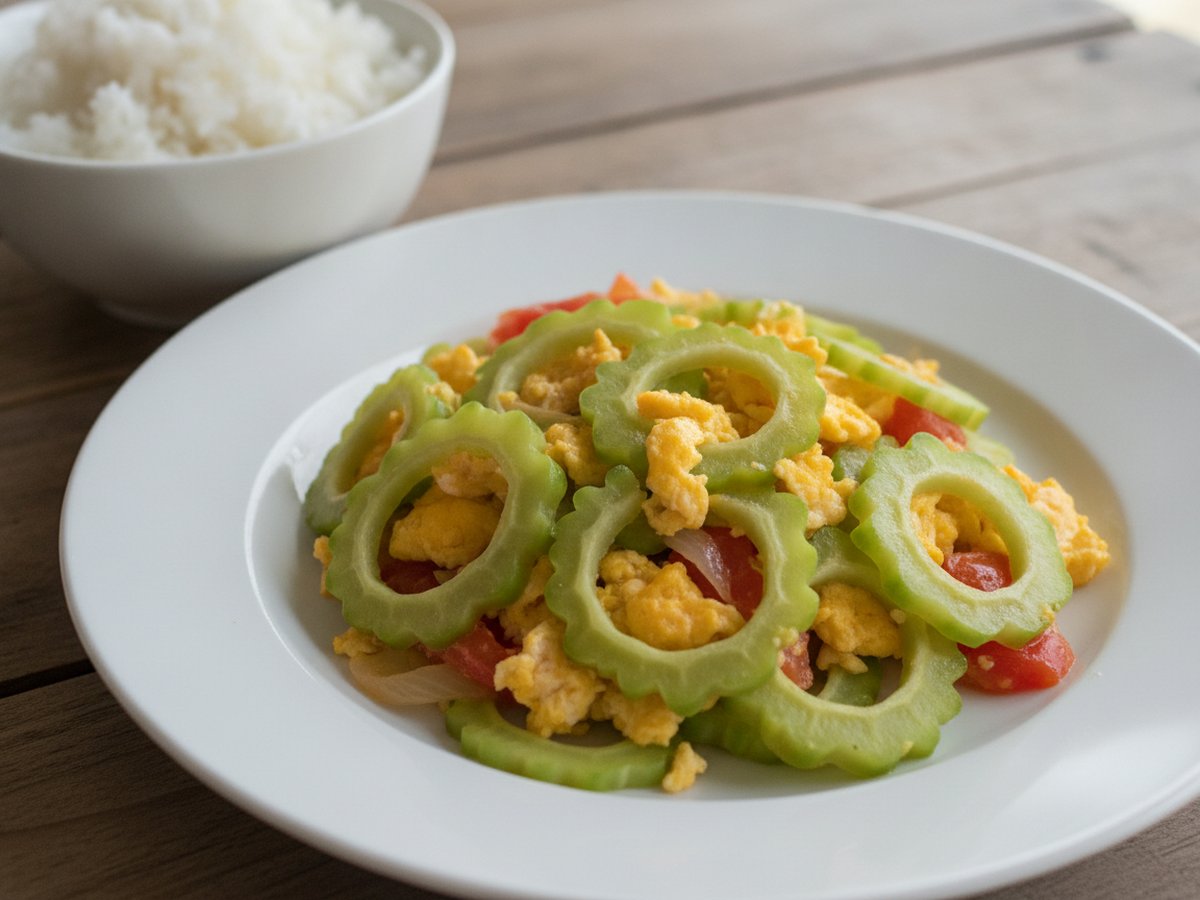
Ginisang ampalaya (Filipino sautéed bitter melon with egg) is sliced ampalaya cooked quickly with garlic, onion and tomato, then finished with beaten egg. It tastes clean and green with a real bitter edge, and the tomato and soft egg are there to round that edge off, not to hide it.
It takes about 25 minutes and serves 4 with rice. The one thing that decides how bitter it ends up is how you cut and treat the ampalaya before it goes in the pan.
Last updated
Recipe
Ginisang Ampalaya (Filipino Bitter Melon with Egg)
Ingredients
Method
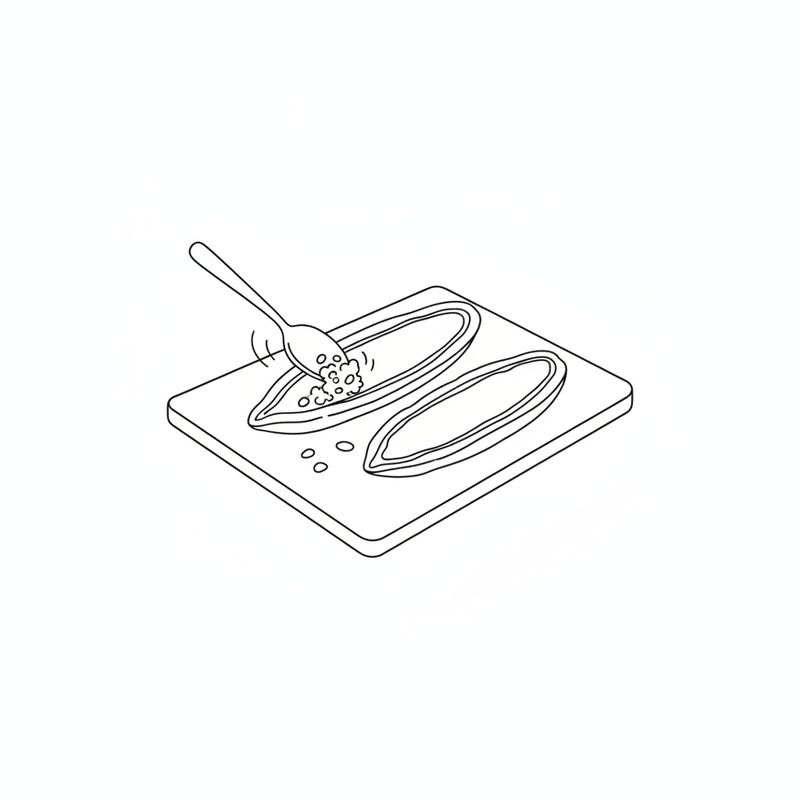
- Cut the ampalaya in half lengthwise. Scrape out the seeds and all the white pith with a spoon.
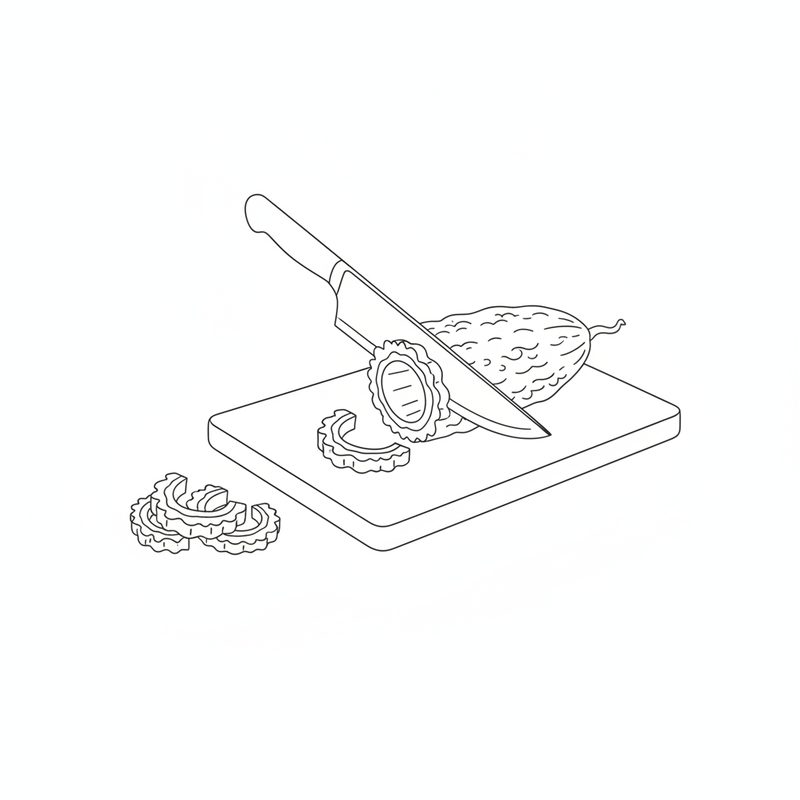
- Slice the halves crosswise as thin as you can, into half-moons.
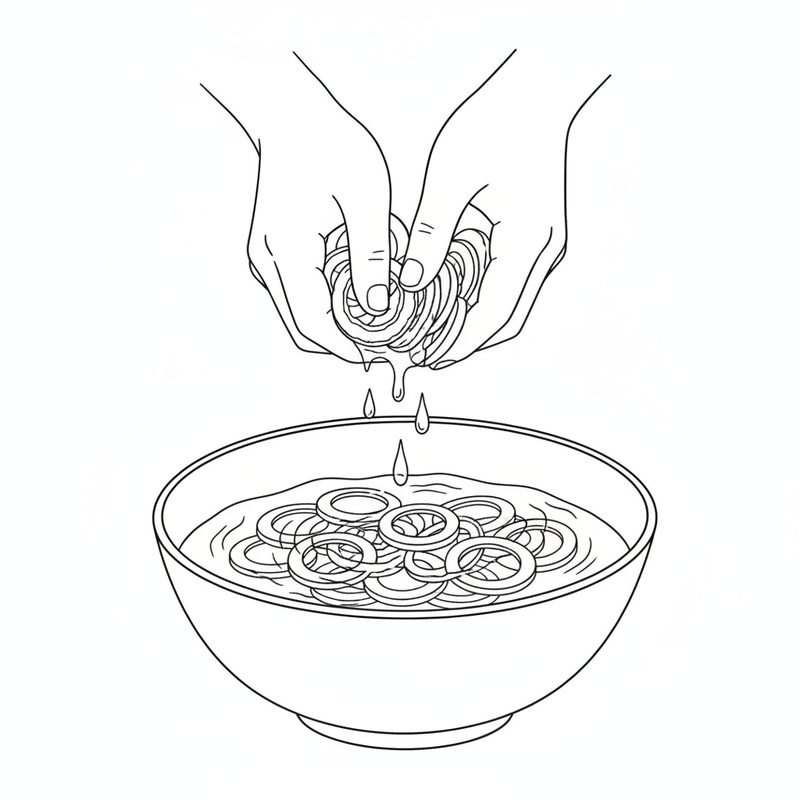
- Optional: dissolve 1 tablespoon of salt in a bowl of warm water and soak the slices for 5 to 20 minutes. Rinse, then squeeze them gently by the handful and drain.
- Heat the oil in a wide pan over medium heat. Cook the garlic and onion until the onion is soft, then add the tomatoes and cook until they soften and start to break down.
- Add the ampalaya and turn it gently a few times. Cook for 2 to 3 minutes until it is bright green and just tender. For a saucier dish, add the water now and simmer for 3 to 5 minutes. Season with salt and pepper.
- Pour the beaten eggs over the ampalaya. Leave them for about 20 seconds to start setting, then fold through and cook for about 1 minute more, until the egg is just set. Serve hot with rice.
What is ampalaya?
Ampalaya is the Filipino name for bitter melon, also called bitter gourd: the fruit of the vine Momordica charantia, a member of the gourd family. It is cooked as a vegetable, picked green, and its bumpy, ridged skin is eaten along with the flesh.
The bitterness is the point of it. Young, firm, bright green ampalaya is milder. A fruit turning yellow or orange is overripe and much harsher, so leave those at the shop.
Wikipedia notes that in the Philippines ampalaya is stir-fried either with ground beef and oyster sauce or with eggs and diced tomato. This recipe is the second one, the everyday ginisa. Ampalaya also goes into pinakbet, the vegetable stew with squash, eggplant and shrimp paste.
What is ginisang ampalaya?
Ginisang ampalaya is ampalaya sautéed in the Filipino ginisa way: garlic and onion first, tomato next, the vegetable after, and egg at the end. Ginisa means sautéed. It is a side dish or a light main, and it is almost always eaten with steamed rice.
It is not the same dish as South Asian karela. Our karela recipe cooks the same vegetable as a spiced curry with onion and masala. Ginisang ampalaya has no spices at all. Garlic, tomato, egg, salt and pepper carry the whole thing.
How to make ampalaya less bitter
Scrape out every bit of the white pith and seeds, slice the ampalaya thin, and do not over-stir it in the pan. Those three steps matter more than anything else. Foxy Folksy warns that stirring too much makes the dish very bitter.
Salting is the optional fourth step. Dissolve 1 tablespoon of salt in a bowl of warm water, soak the slices, then rinse and squeeze them gently by the handful. The salt draws out some of the bitter juice.
How long to soak is where cooks split. Panlasang Pinoy soaks for 5 to 8 minutes, Foxy Folksy for 20, and Just a Tad Salty leaves the slices in the fridge overnight. Longer gives a milder result. If you are short on time, skip it: thin slices and a light hand in the pan still give a good plate.
Squeeze, do not wring. Crushed slices go limp in the pan instead of staying crisp-tender.
How to cook ginisang ampalaya
Cook it fast over medium heat and take it off while the ampalaya is still bright green with a little bite. Grey-green and soft means it went too long. Overcooked ampalaya loses its crunch and tastes harsher.
 Halve the ampalaya and scrape out the seeds and white pith.
- Slice thin. Half-moons or rings both work.
- Optional: soak in salted water, then rinse and squeeze.
- Soften garlic, onion and tomato in the oil.
- Add the ampalaya and turn it gently until bright green.
- Pour in the egg, let it set, then fold it through.
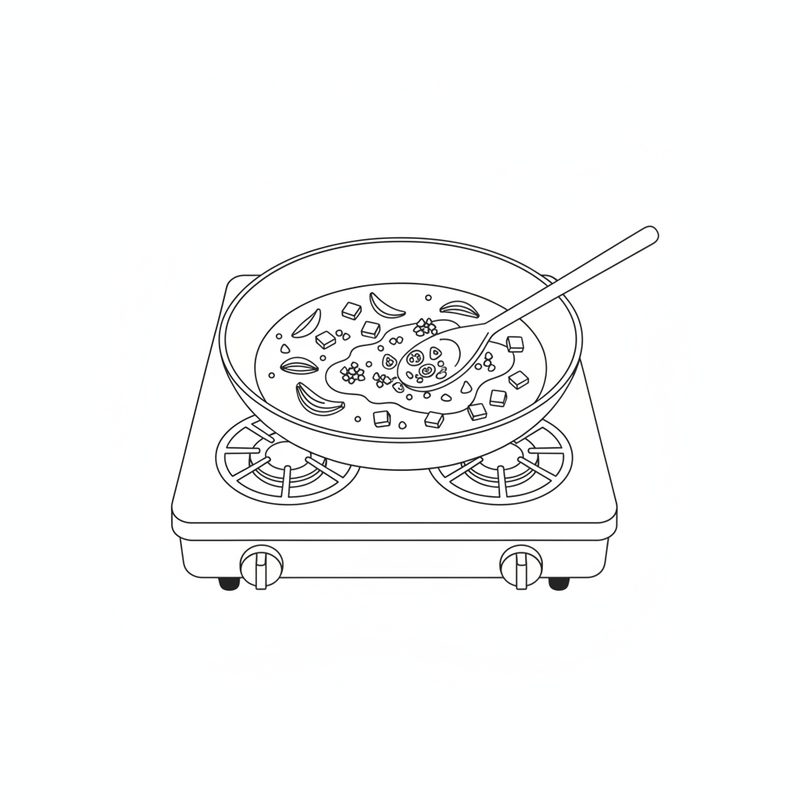
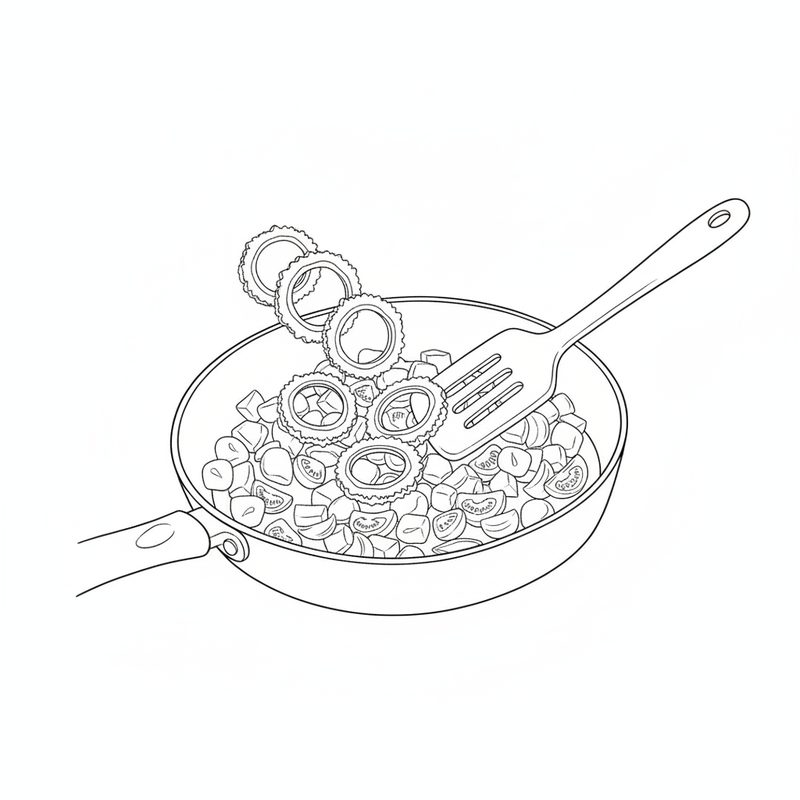
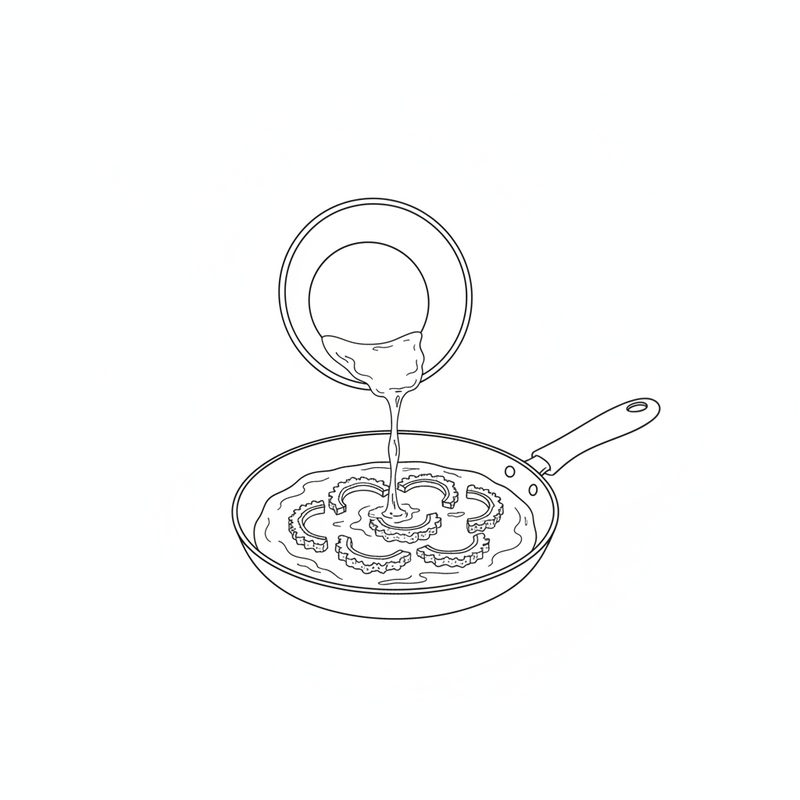
The egg goes in last. Pour it over the ampalaya and leave it alone for about 20 seconds so it starts to set, then fold it through in big curds. Stirring it straight away gives you egg coating every slice instead of soft pieces of egg between them.
On quantities: the card uses what most of our three main sources agreed on. Two numbers had no clear majority. For tomatoes, Panlasang Pinoy uses 2, Foxy Folksy 4 and The Peach Kitchen 1, so the card takes 2, which Recipes by Nora also uses. For garlic the three use 5, 3 and 4 cloves, so the card takes 4. More tomato makes a softer, slightly sweeter dish. Both work.
Dry or saucy?
Ginisang ampalaya can be dry or a little saucy, and both are normal. Panlasang Pinoy cooks it dry. The Peach Kitchen and Recipes by Nora add half a cup of water, and Foxy Folksy thickens a little water with cornstarch.
The water in the card is optional for that reason. Leave it out for a dry sauté that is ready faster. Add it after the ampalaya if you like a spoonful of tomato juice to wet the rice, and simmer just until the slices are tender.
Ways to change it
- With ground meat. Brown about 225 g (8 oz) of ground pork or beef after the onion, before the tomato. Recipes by Nora uses 8 ounces of pork and Just a Tad Salty half a pound of beef, the same amount. For a different ground-pork dish, see our pork giniling.
- With shrimp. Add peeled shrimp with the ampalaya. They cook in the same few minutes.
- Fish sauce instead of salt. Just a Tad Salty seasons with fish sauce. Add it a teaspoon at a time and taste; it is saltier than you expect.
What to serve with it
Serve ginisang ampalaya hot, with steamed white rice. It sits well next to something rich or fried, like fried fish, because the bitterness cuts the fat. A plate of tortang talong and rice makes it a full vegetable meal.
Storage and leftovers
Keep leftovers covered in the fridge and eat them soon. Reheat in a pan over medium heat just until hot. The ampalaya softens and the egg firms up, so it is never quite as good as fresh.
This is not a make-ahead dish. What you can do ahead is the prep: slice, salt, rinse and squeeze the ampalaya, and keep it in a covered container in the fridge until you cook.
Questions people ask
Does ampalaya taste bitter?
Yes. Bitterness is the defining taste of ampalaya, and no method removes all of it. Scraping out the pith, slicing thin, salting and not over-stirring make it noticeably milder.
Do I have to soak ampalaya in salt water?
No. Soaking is optional. It makes the dish milder, and the sources we checked soak anywhere from 5 minutes to overnight. Thin slices cooked quickly are fine without it.
What family does bitter gourd belong to?
Bitter gourd, Momordica charantia, belongs to the gourd family, Cucurbitaceae, the same family as cucumbers, squash and melons.
Is bitter gourd healthy?
It is a green vegetable, and in this dish it is cooked with egg, tomato and a little oil. It is often talked about as a remedy, but this is a recipe, not medical advice. Wikipedia notes it is not recommended in pregnancy, and that the ripe fruit and mature seeds are toxic, which is one more reason to use green ampalaya and scrape out the seeds.
Can ampalaya be eaten every day?
As part of an ordinary varied diet it is eaten often in Filipino homes. If you are pregnant, or take medicine for blood sugar, ask your doctor before eating it in large amounts.
Can I cut ampalaya into rings instead of half-moons?
Yes. Cut the whole ampalaya into thin rings and push the pith and seeds out of each ring with a fingertip or the tip of a spoon. The cooking is the same.