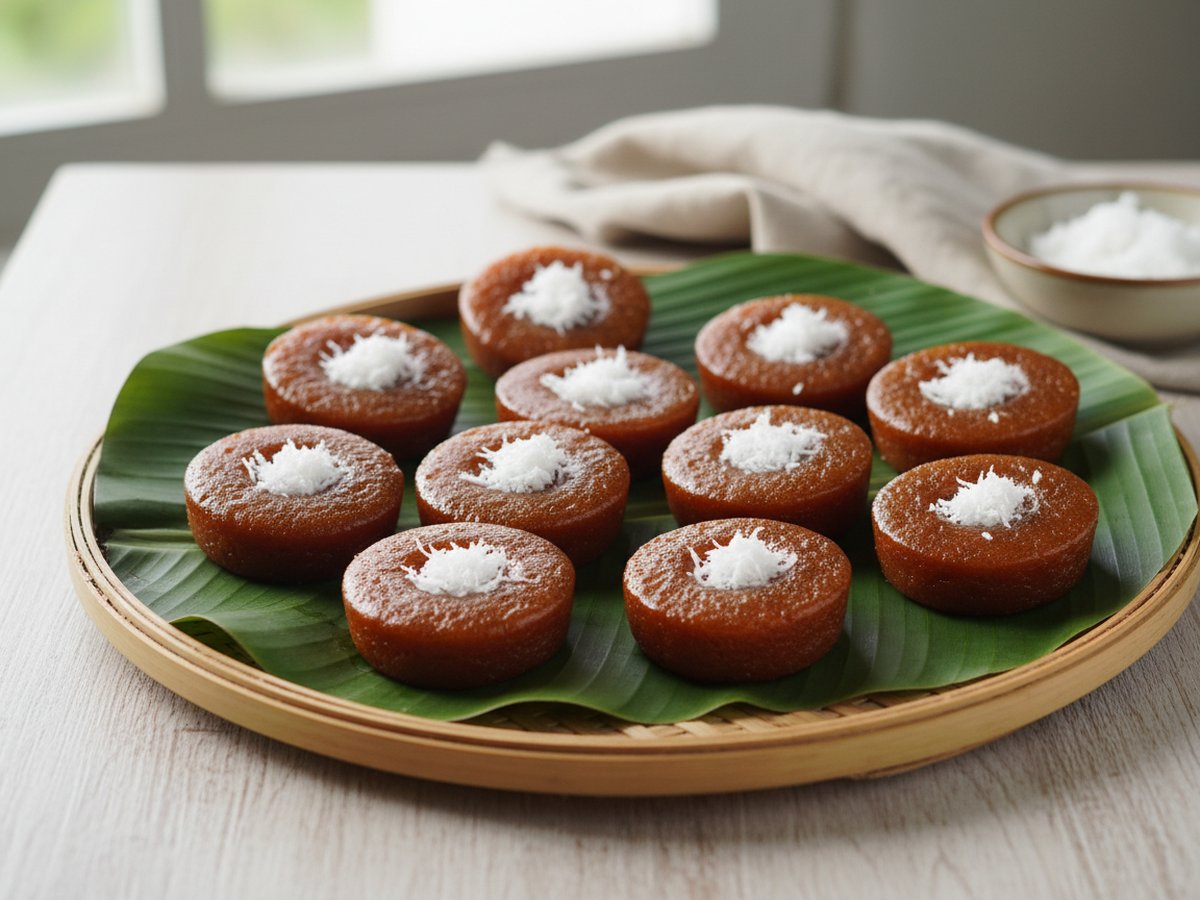
Kutsinta (Filipino steamed brown rice cakes) are small, chewy, amber-coloured cakes made from flour, tapioca flour, brown sugar, water, annatto and a spoon of lye water, steamed in little molds and eaten under a heap of grated coconut. They taste of caramel and not much else, which is the point: the coconut brings the fat and the salt.
The texture is the whole dish. Good kutsinta is springy and a little bouncy, closer to a firm jelly than to a sponge. That bounce comes from the lye water, and getting it right is mostly about measuring that one ingredient properly.
Last updated
Recipe
Kutsinta (Filipino Steamed Brown Rice Cakes)
Ingredients
Method
- Lightly grease about 48 small round molds (mini-muffin size) with oil. Fill the base of your steamer with about 2 inches of water and bring it to a simmer.
- In a large bowl, whisk the all-purpose flour, tapioca flour and brown sugar together. Pour in the water and whisk until the sugar has dissolved and the batter is smooth. It will be thin.
- Whisk in the annatto powder until the colour is even, then stir in the lye water.
- Pour the batter through a fine sieve into a jug so it pours cleanly and has no lumps.
- Fill the molds about three-quarters full. Stir the batter in the jug before each tray, because the flour sinks.
- Set the molds in the steamer with space between them. Cover and steam over simmering water for 40 to 45 minutes, until the tops are set and spring back when touched.
- Let the kutsinta cool in the molds for about 15 minutes, then loosen the edges and turn them out.
- Top each one with grated coconut and serve at room temperature.
What is kutsinta?
Kutsinta is a steamed rice cake, one of the kakanin, found all over the Philippines. It is also spelled cuchinta or kuchinta, and it is sometimes called puto kutsinta because it belongs to the puto family of steamed cakes.
There is no settled English name. “Filipino steamed brown rice cake” or “steamed brown sugar cake” is the closest description. It is eaten as merienda, the mid-morning or afternoon snack, and it is very often sold beside white puto. Where puto is soft and doughy, kutsinta is jelly-like and chewy, and only mildly sweet.
Similar cakes exist nearby. Wikipedia lists the Burmese mont kywe the and the kuih kosui of Indonesia and Malaysia as close relatives.
Kutsinta ingredients
Kutsinta needs six ingredients plus coconut for the top. Each one has a job:
- All-purpose flour gives the cake its body.
- Tapioca flour (tapioca starch) gives the chew and the slight translucence. Tapioca is made from cassava.
- Brown sugar gives the sweetness and most of the caramel flavour. Dark brown sugar gives a deeper colour.
- Water, a lot of it. The batter is thin, about as runny as milk, and that is correct.
- Annatto powder (atsuete or achuete) is for colour only. It turns the batter from beige to orange-brown.
- Lye water (lihiya) makes it bouncy. More on this below.
- Grated coconut for serving. Fresh or frozen grated mature coconut is traditional.
The three recipes this card was checked against agree on the flours, the sugar, the water and the lye water, once one of them is scaled to the same batch size. The only split is the annatto. Two use 1 tablespoon of powder and one uses 2 teaspoons. Since annatto only changes the colour, use either.
Some versions swap the flours. One widely read recipe uses rice flour instead of the all-purpose and tapioca mix, and others use glutinous or sweet rice flour for a softer, stickier cake. Those are different recipes with different water ratios, so do not swap flours in this one cup for cup.
What lye water does, and how much to use
Lye water is what turns a sweet flour paste into a springy cake. It is an alkaline solution sold in small bottles in Asian grocery stores, labelled lye water or lihiya. It is the same ingredient that sets suman sa lihiya.
Measure it with a proper measuring spoon, never a splash from the bottle. More lye makes a firmer cake. For a softer kutsinta, one of the source recipes simply uses less, so if yours come out too rubbery, cut it back a little next time rather than changing anything else.
Treat the bottle as a chemical, not a flavouring. Keep it closed, keep it away from children, and wipe up any spill.
How to make kutsinta, step by step
 Grease the small molds lightly.
- Whisk the flours, sugar and water until smooth.
- Stir in the annatto, then the lye water.
- Strain the batter into a jug.
- Fill the molds three-quarters full and steam.
- Cool, unmold and top with grated coconut.
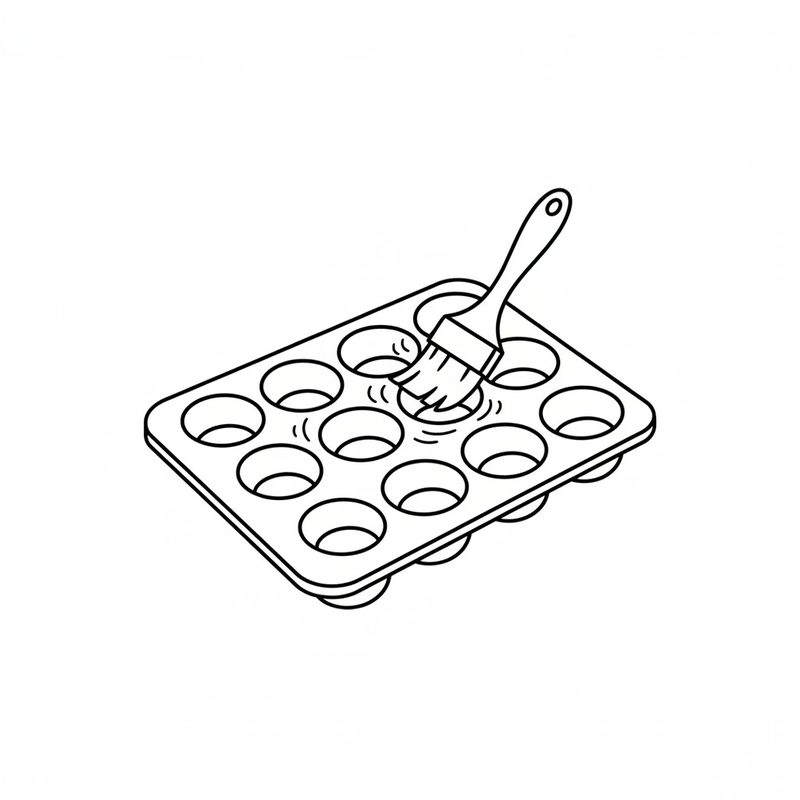
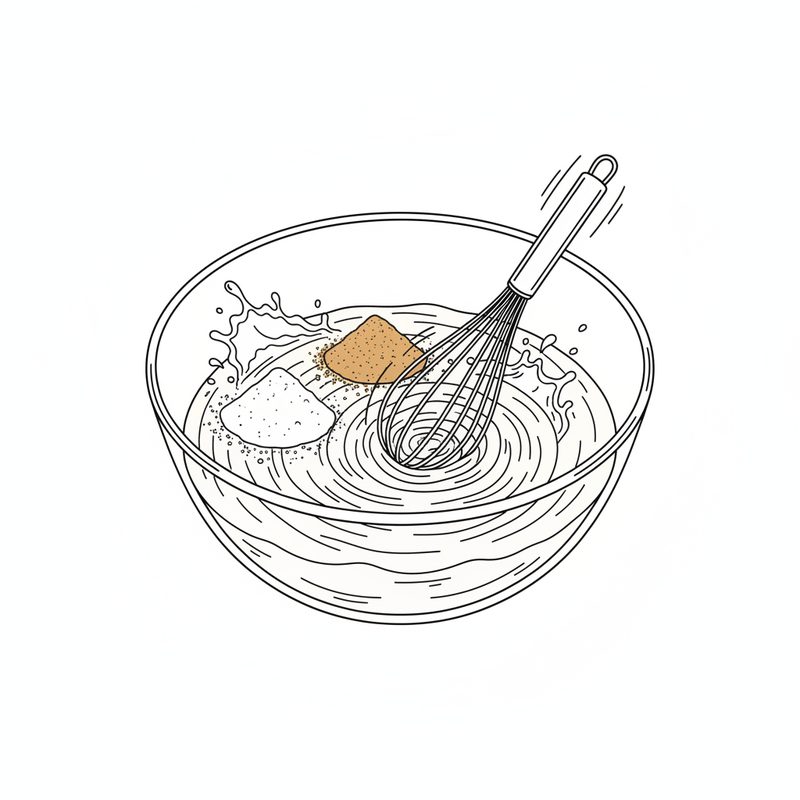
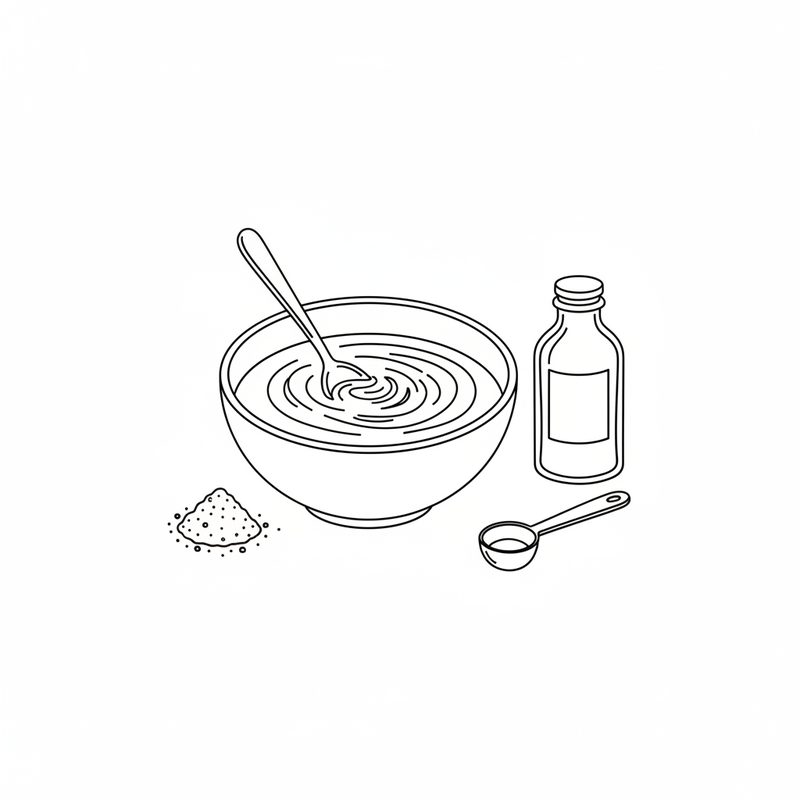
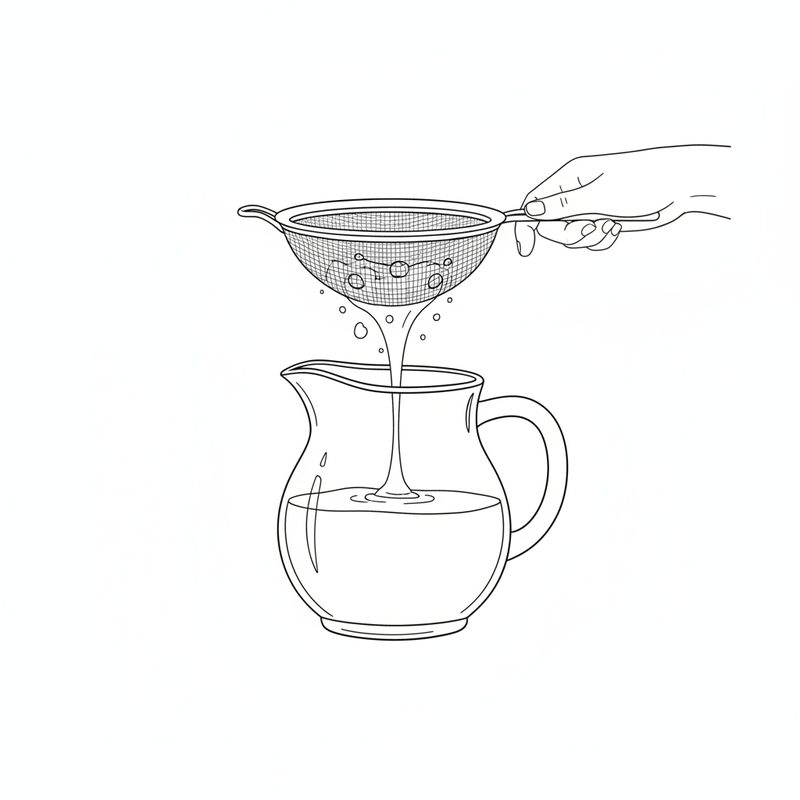

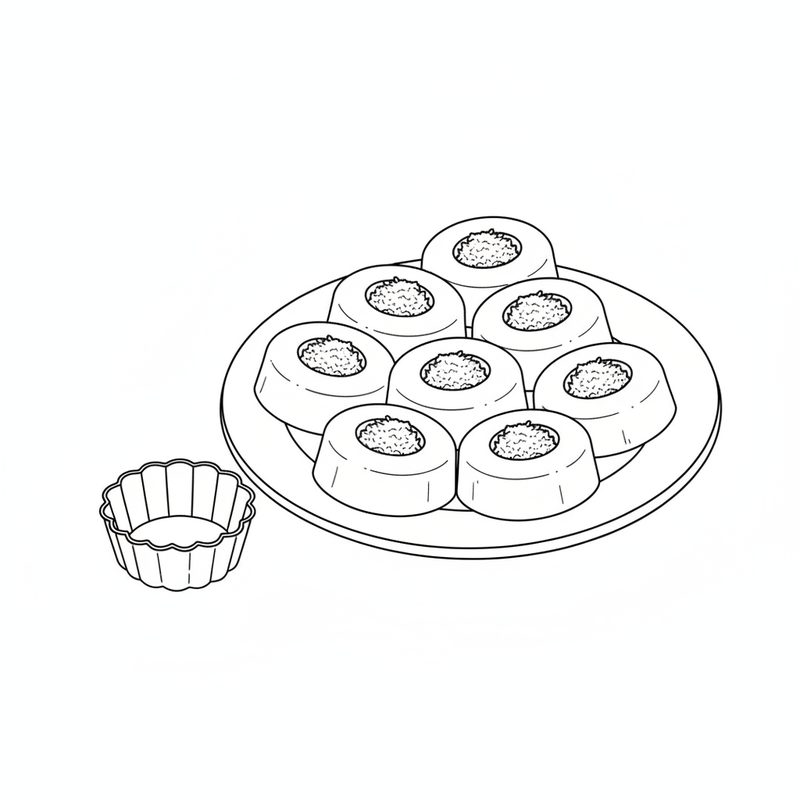
The method is short: mix, colour, strain, fill, steam. The work is in the small checks along the way. Whisk until you cannot feel sugar grit at the bottom of the bowl. Add the lye water last. Strain the batter even if it looks smooth, because tapioca flour clumps in ways you cannot see.
Getting the texture right
Most kutsinta problems show up as a texture problem, and each one has a clear cause.
- Pale bottoms and dark tops, or cakes that differ from mold to mold. The flour settled in the jug. Stir the batter every time you fill a new tray.
- Lumps or a grainy surface. The batter was not strained. Pour it through a fine sieve before filling.
- A wet, sticky centre. It needs more time. Mini molds take 40 to 45 minutes; the top should be set and spring back when you touch it.
- Cakes that tear coming out. They were unmolded hot. Let them cool in the molds for about 15 minutes, then loosen the edges.
- Too firm, almost rubbery. Too much lye water. Measure it exactly, and use a little less next batch if you like them softer.
Do not crowd the steamer. Leave a gap between molds so the steam reaches every side, and steam in batches if you have to.
Toppings: coconut, latik and yema
Grated coconut is the classic topping and the one to start with. Its fat and faint saltiness balance the plain sweetness of the cake. If only desiccated coconut is available, moisten it with a little water first so it is not dry and dusty.
Latik (coconut syrup) or a yema custard dip are the sweeter options. Kutsinta with yema is popular enough to be searched on its own; spoon a little over each cake just before serving.
Kutsinta is often served on the same tray as other kakanin. It sits well beside leche puto, layered sapin-sapin and coconut-rolled palitaw.
Make-ahead and leftovers
Kutsinta is at its best the day it is steamed, at room temperature. That is how it is traditionally served.
For a party, steam the cakes ahead and keep the coconut separate until serving. Fresh grated coconut spoils much faster than the cakes do, so store leftover cakes and coconut apart, covered, in the fridge, and bring the cakes back to room temperature before serving.
Questions people ask
What are the ingredients of kutsinta?
All-purpose flour, tapioca flour, brown sugar, water, annatto powder for colour and lye water for the chewy bounce, served topped with grated coconut.
What is kutsinta in English?
There is no fixed English name. It is usually described as a Filipino steamed brown rice cake or steamed brown sugar cake, and it is also spelled cuchinta.
Is kutsinta a healthy snack?
Kutsinta is a sweet snack made mostly of flour and brown sugar, so treat it like any other sweet. The cakes are small, which makes one or two an easy portion. This page does not give nutrition figures because none were verified.
Can I make kutsinta without lye water?
Not the classic version. Lye water is what gives kutsinta its springy, jelly-like bite; without it you get a soft, pasty steamed cake instead.
Why is my kutsinta sticky in the middle?
It was not steamed long enough. Mini molds need 40 to 45 minutes over simmering water, and the top should be set and spring back when touched.
Can I use rice flour for kutsinta?
Yes, but as a different recipe. Rice-flour versions use a different flour and water balance, so follow a recipe written for rice flour rather than swapping it into this one.