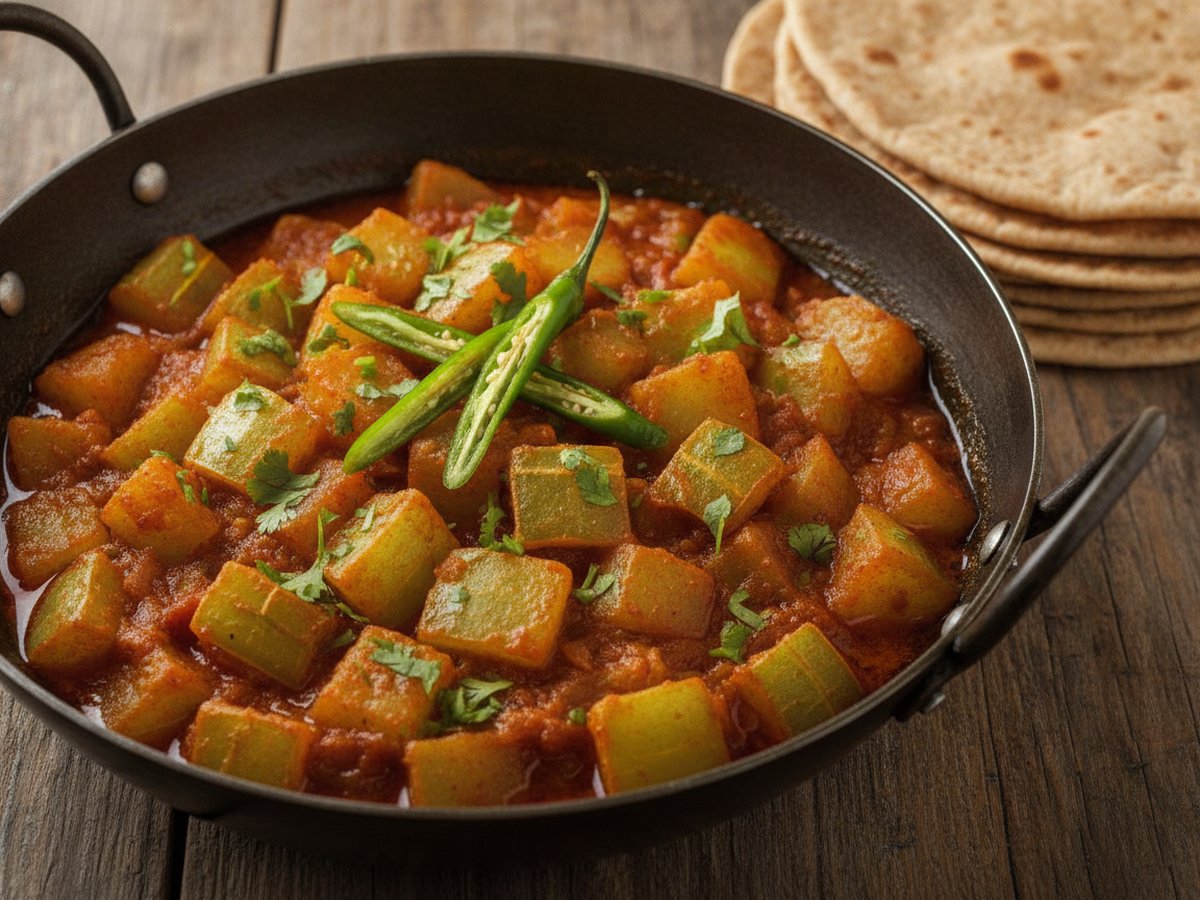
Lauki ki sabzi is bottle gourd cooked soft in a cumin, onion and tomato masala, served with roti or rice. The one thing that decides whether it works is water: lauki brings its own, so you cook it until the cubes are translucent and the oil separates, not until it swims.
The card makes 2 to 3 servings from 500 g of gourd, and every quantity in it was checked across three published recipes. The questions at the end cover the vegetable itself, lauki raita and lauki dal.
Last updated
Recipe
Lauki ki Sabzi (Bottle Gourd Curry)
Ingredients
Method
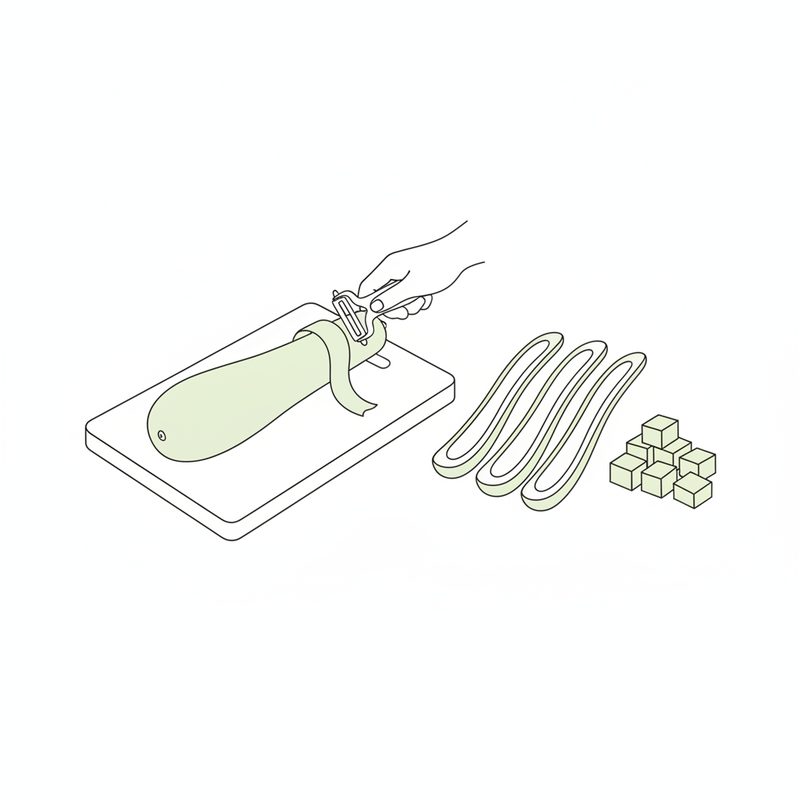
- Peel the lauki, cut off both ends, quarter it lengthwise and cut away the spongy core if the seeds are large. Cut into ½-inch (1 cm) cubes. Taste a small raw piece: if it is bitter, discard the whole gourd.
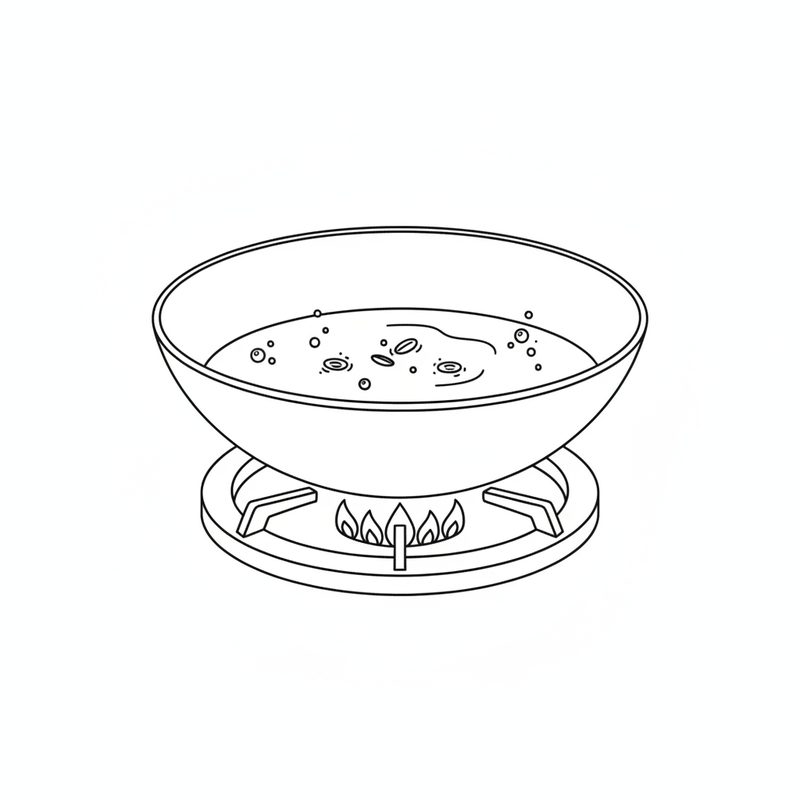
- Heat the oil in a karahi or heavy pan over medium heat. Add the cumin seeds and let them sizzle for a few seconds.
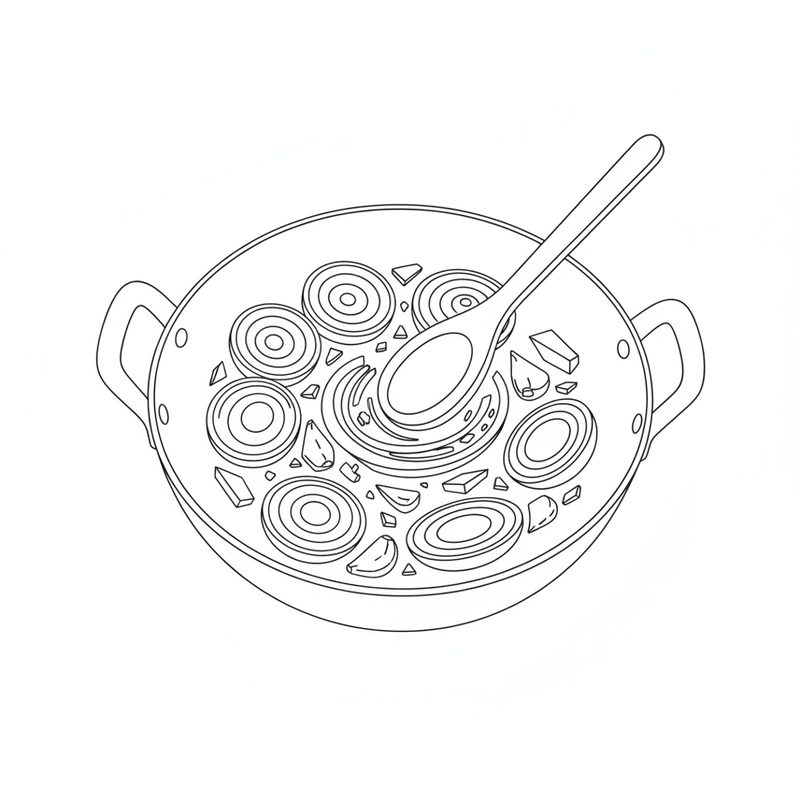
- Add the onion, ginger or garlic and green chilli. Fry on medium heat until the onion is soft and translucent, about 4 to 5 minutes.
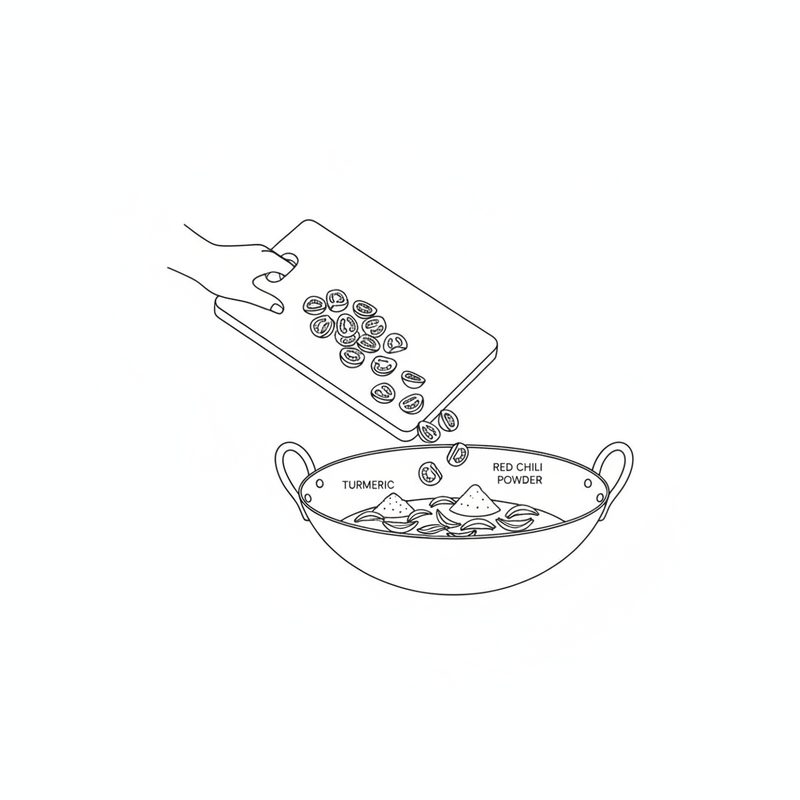
- Add the tomatoes and half the salt and cook until they turn mushy, 3 to 4 minutes. Stir in the turmeric and red chilli powder and cook for 1 minute.
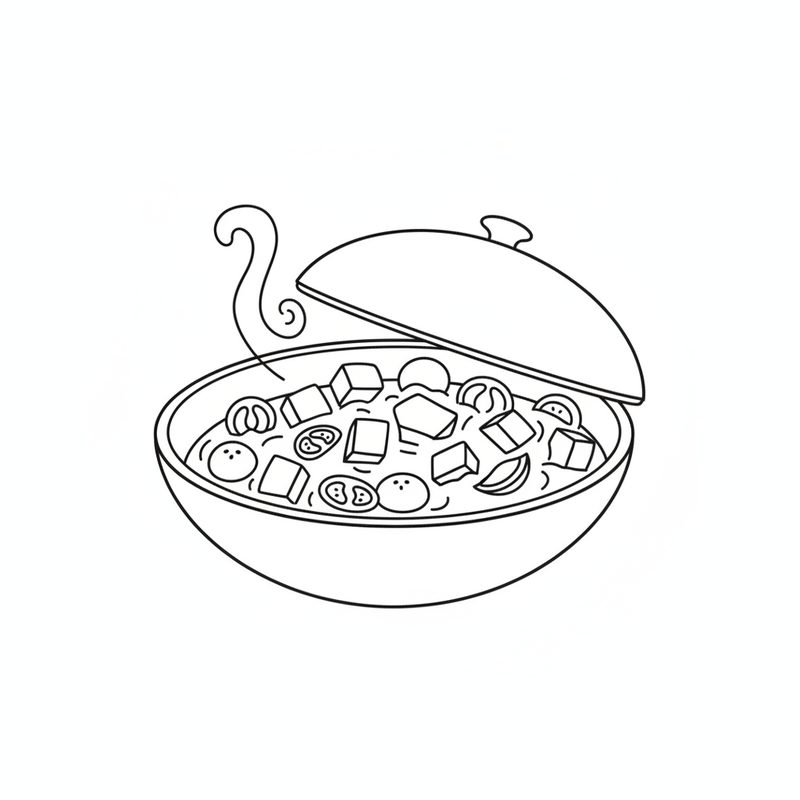
- Add the lauki and the rest of the salt and stir over medium-high heat for 3 to 4 minutes. Cover and cook on medium-low, stirring now and then, until the cubes are translucent and a knife goes through with no resistance. Add a splash of water only if the masala starts to stick.
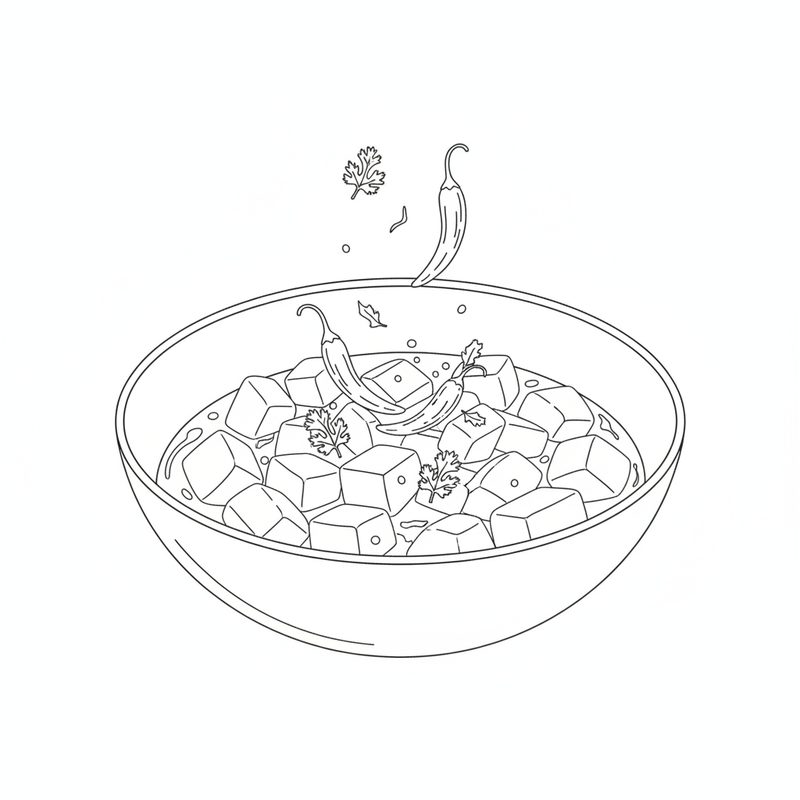
- Uncover, raise the heat and cook off any excess liquid until oil separates at the edge of the pan. Taste for salt, scatter over the coriander and serve with roti or rice.
What is lauki ki sabzi?
Lauki ki sabzi is bottle gourd, peeled and cubed, cooked in a masala of cumin, onion and tomato until the pieces turn soft and see-through. It is everyday home cooking in Pakistan and North India, eaten with roti or with rice and dal. In Pakistan the vegetable is often written loki or lauki, and the drier, sliced version is called lauki ki bhujia.
Bottle gourd tastes of very little on its own. That is the point: it takes on the masala it sits in, so the finished dish should taste of browned onion, tomato and chilli, carried by a soft, faintly sweet vegetable.
The step that decides it: the water
Lauki is mostly water, so the most common mistake is adding more. Bottle gourds belong to the cucumber family, and they behave like it: once salted and covered, the cubes release enough liquid to cook themselves.
The recipes split here. Butter Over Bae cooks the gourd only in its own juices. Swasthi’s Recipes adds half to two-thirds of a cup of water in two batches. Both work. The card follows the low-water home style and adds a splash only if the masala starts to catch on the base of the pan.
When it is right, the cubes are translucent all the way through, a knife meets no resistance, and a thin line of oil has separated at the edge of the pan. If the pan still looks like soup at that point, take the lid off and cook on high heat for a few minutes. That is the difference between a watery sabzi and one that clings to roti.
Lauki ki sabzi, step by step
 Peel the lauki, cut out a large seed core and cube it.
- Let the cumin seeds sizzle in hot oil.
- Fry the onion with ginger or garlic until soft and translucent.
- Add tomatoes, then turmeric and chilli powder, and cook them down.
- Stir in the lauki, cover and let it cook in its own water.
- Cook off the liquid until oil shows, then add coriander.
How much of each ingredient, and where the numbers come from
Every quantity in the card is one that at least two of three published recipes agree on, scaled to 500 g of bottle gourd. The recipes compared were Swasthi’s Recipes, Butter Over Bae, a Masala TV recipe on Zaiqa and Indian Veggie Delight.
- Bottle gourd: 500 g. Indian Veggie Delight uses 500 g and Swasthi’s Recipes 450 g.
- Tomatoes: 2 medium, about 250 g. The Zaiqa recipe uses half a kilo per kilo of gourd, the same ratio.
- Spices: ½ tsp cumin seeds, ¼ tsp turmeric and ½ tsp red chilli powder. Move the chilli between ¼ tsp for mild and ¾ tsp for hot; the gourd itself adds no heat.
- Water: no fixed amount. The recipes range from none to two-thirds of a cup, so the card says to add a splash only when the pan dries.
Prep time is left off the card on purpose. The recipes give 10, 15 and 25 minutes, more than double from shortest to longest, mostly down to whether the gourd is cubed or sliced into thin chips. The 20-minute cook time is the middle of the three published cook times.
How to choose and prepare a bottle gourd
Choose a young, firm gourd with smooth, evenly pale-green skin that feels heavy for its size. Young gourds have small, soft seeds that can stay in; older ones have large, hard seeds and a spongy core that should be cut out.
Peel it completely, top and tail it, quarter it lengthwise and cut the flesh into ½-inch (1 cm) cubes. Every recipe compared here peels it, because the skin stays tough after cooking.
Taste a small raw piece before you cook. A normal bottle gourd tastes mild. A bitter one should be thrown away whole, not cooked. Bitterness comes from compounds called cucurbitacins, and a 2011 report in the Indian Journal of Gastroenterology, cited in Wikipedia’s calabash entry, describes serious poisoning, mostly from drinking bitter gourd juice.
Variations, and a shorter route
- Fuller spice: Swasthi’s Recipes adds coriander powder, fennel powder and a finish of garam masala. That reads closer to a restaurant-style sabzi than the plain home style in the card.
- Whole spices: the Zaiqa recipe fries whole red chillies and fenugreek seeds in the oil, which gives a sharper, slightly bitter edge.
- With meat or lentils: lauki also goes into gosht curries and into dal. Those are separate dishes with their own ratios, not this card with an extra ingredient.
- With other vegetables: for a fuller pot, the Pakistani mix vegetable curry builds on the same onion and tomato base.
The shorter route is a pressure cooker, which Indian Veggie Delight uses. It saves part of the simmer. What you lose is control of the water: you cannot watch the cubes turn translucent, and the liquid can only be cooked off at the very end.
What to serve with lauki ki sabzi
Serve it hot with roti, chapati or plain rice; Butter Over Bae serves it with rice and lentils. It is a light vegetable dish, so it sits well beside something richer, such as a Pakistani chicken karahi. If you want a gourd with more bite, karela, the bitter gourd curry, is cooked in a similar onion and tomato masala.
Storing and reheating
Cool the sabzi and refrigerate it covered. The cubes keep releasing water as they sit, so reheat it uncovered in a pan rather than covered, and let the extra liquid cook off before serving.
Questions people ask
What is lauki called in English?
Lauki is bottle gourd in English. It is also called calabash, and doodhi, dudhi or ghiya in parts of India; in Pakistan it is usually loki or lauki.
What is lauki called in the USA?
In US stores lauki is usually sold as opo squash or bottle gourd, most often in Asian and South Asian markets. Look for a long, pale-green gourd with smooth skin.
What is lauki good for?
In the kitchen, lauki is good for mild vegetable curries like this sabzi, for cooking into dal, for grating into raita and koftas, and for halwa. It is mostly water and takes on the flavour of whatever it is cooked with. Health questions belong with a doctor or dietitian, not a recipe page.
Who should not eat bottle gourd?
No one should eat a bottle gourd that tastes bitter: throw it away whole. Bitter gourds contain cucurbitacins, and serious poisoning has been recorded, mostly from bitter gourd juice. Anyone with a specific medical condition should ask their doctor.
How is lauki raita made?
Lauki raita is a separate dish: the gourd is peeled, grated, cooked briefly until soft, squeezed, cooled and folded into whisked yogurt with salt and roasted cumin. It is served cold beside rice or curry.
Can lauki be cooked with dal?
Yes. Lauki is often simmered with chana dal or moong dal and finished with a cumin and garlic tadka. That is its own recipe with its own cooking times, not this sabzi with lentils added.
Why is my lauki sabzi watery?
Too much added water, or the lid left on to the end. Once the cubes are translucent, take the lid off and cook on high heat, stirring, until the liquid has gone and oil shows at the edge.
Do you peel lauki before cooking?
Yes. Every recipe compared for this page peels the gourd. The skin stays tough and fibrous after cooking, while the flesh underneath goes soft.