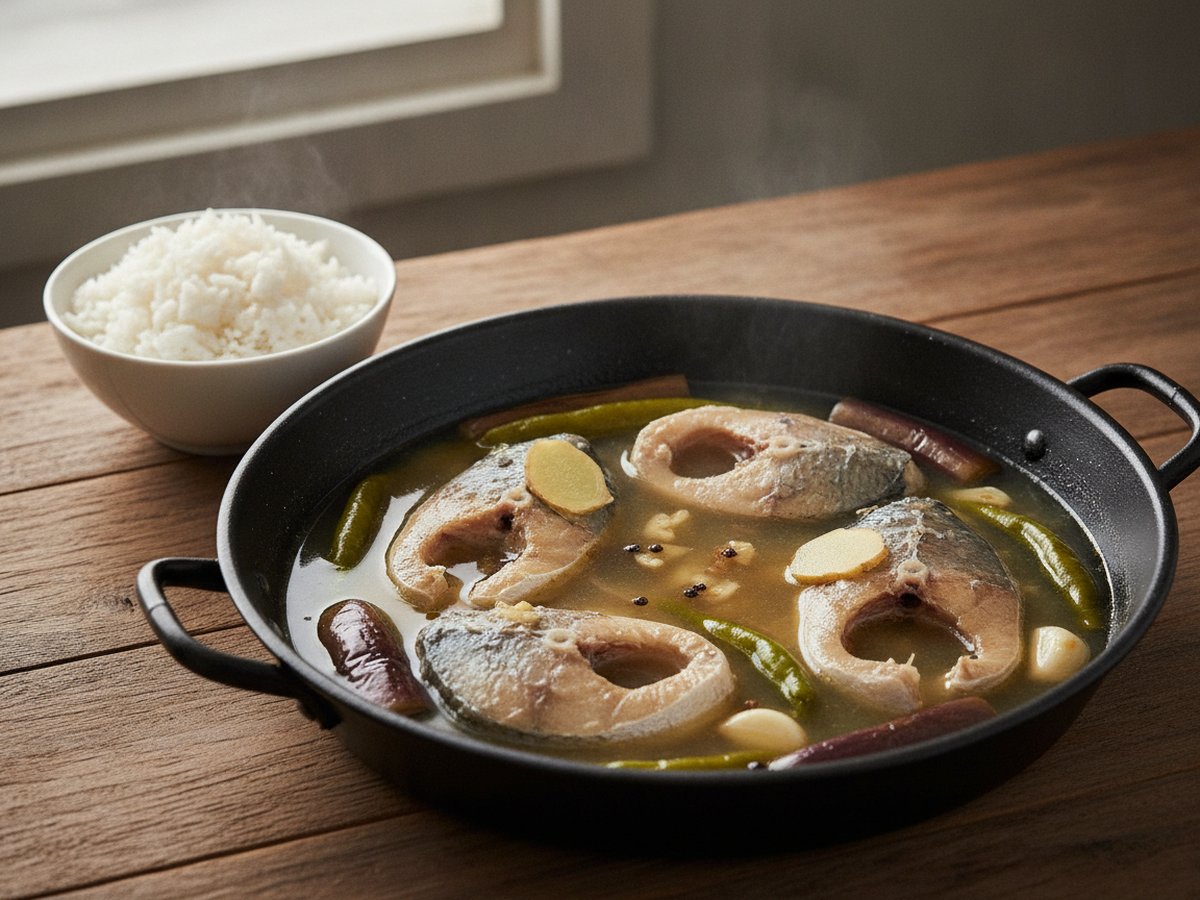
Paksiw na bangus (milkfish stewed in vinegar) is whole milkfish cut into thick pieces and simmered with vinegar, water, ginger, garlic, onion, chilies and peppercorns for about 15 minutes. It tastes sharp and clean, with a gingery broth that mellows once a little oil goes in at the end.
One pot, no frying, about 25 minutes from start to table. You put everything in, add the vinegar, and leave it alone. That last part matters more than any ingredient.
Last updated
Recipe
Paksiw na Bangus (Filipino Milkfish Stewed in Vinegar)
Ingredients
Method
- Clean and gut 1 large milkfish (bangus). Scaling it is up to you. Cut it crosswise into 4 to 5 thick serving pieces and rinse off any blood.
- Line the bottom of a wide, shallow pot with 1 thumb ginger (sliced and crushed), 4 cloves garlic (crushed), 1 small onion (sliced), 1 eggplant cut into thick wedges, 1 small ampalaya if using, 3 long green chilies and 1 tsp whole peppercorns.
- Lay the fish on top of the vegetables in one layer. Sprinkle with 1/2 tsp salt.
- Pour in 1/2 cup vinegar and 1 cup water. Bring to a boil and leave it alone. Do not stir while the vinegar comes to the boil.
- Cover, lower the heat to low-medium and simmer for about 15 minutes, until the fish flakes easily with a fork and the liquid has reduced a little.
- Taste the broth and add salt if it needs it. Drizzle 1 tsp cooking oil over the top, tilt the pot gently to mix, and serve hot with steamed rice.
What is paksiw na bangus?
Paksiw na bangus is a Filipino everyday fish stew: milkfish cooked gently in vinegar and water with aromatics, served with rice. Paksiw is the method, cooking in vinegar, and bangus is the fish. With other fish it is called paksiw na isda.
It is lean, quick and cheap, which is why it turns up on weeknight tables so often. There is no sauteing and no thickening. The broth stays thin and sour, and you spoon it over rice.
How paksiw na bangus differs from other bangus and paksiw dishes
Paksiw na bangus is simmered in a thin vinegar broth. The other dishes that share its name or its fish are cooked a different way.
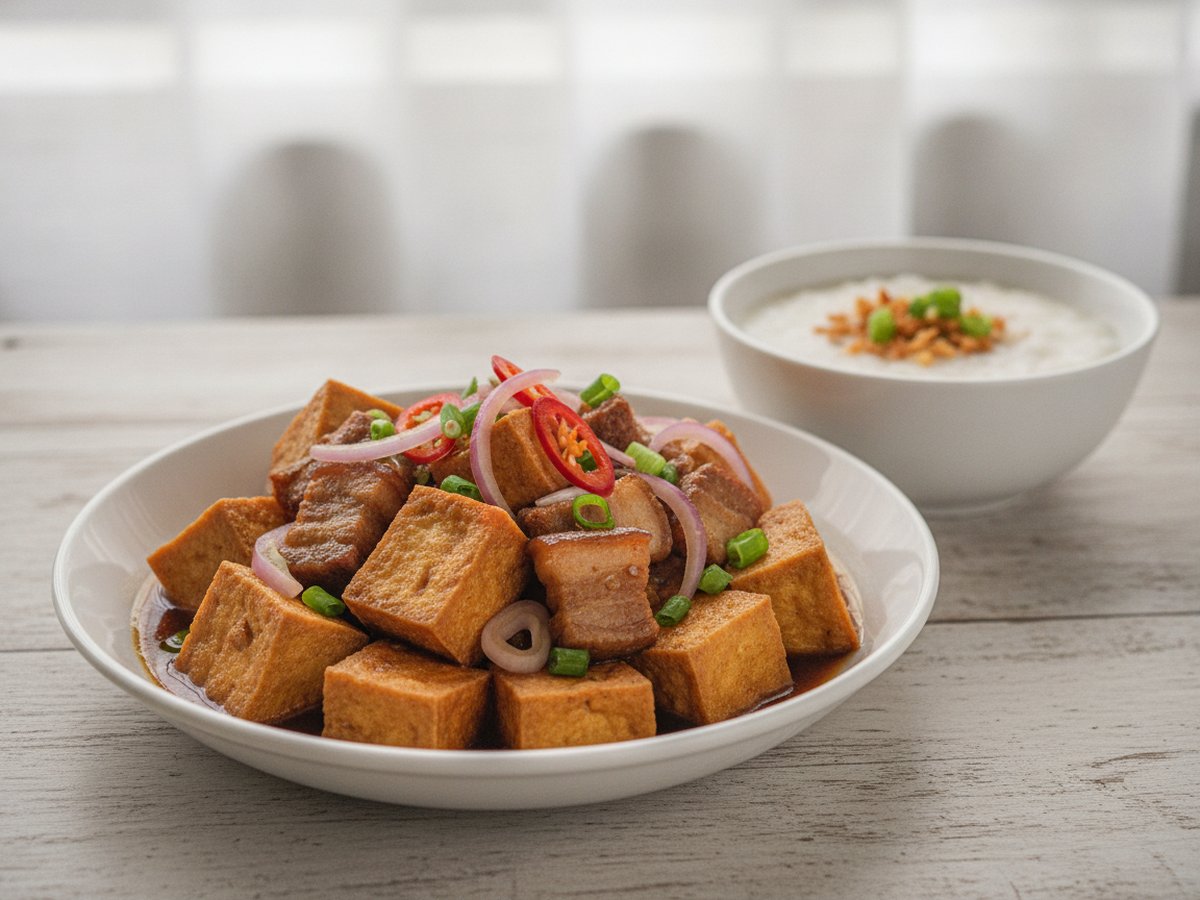
- Lechon paksiw is pork, not fish. Leftover roast pork is stewed in vinegar with soy sauce, brown sugar and lechon sauce, so it comes out sweet, dark and thick.
- Daing na bangus is butterflied milkfish marinated in vinegar and garlic, then fried. Same fish, same vinegar, but it ends up crisp, not in broth.
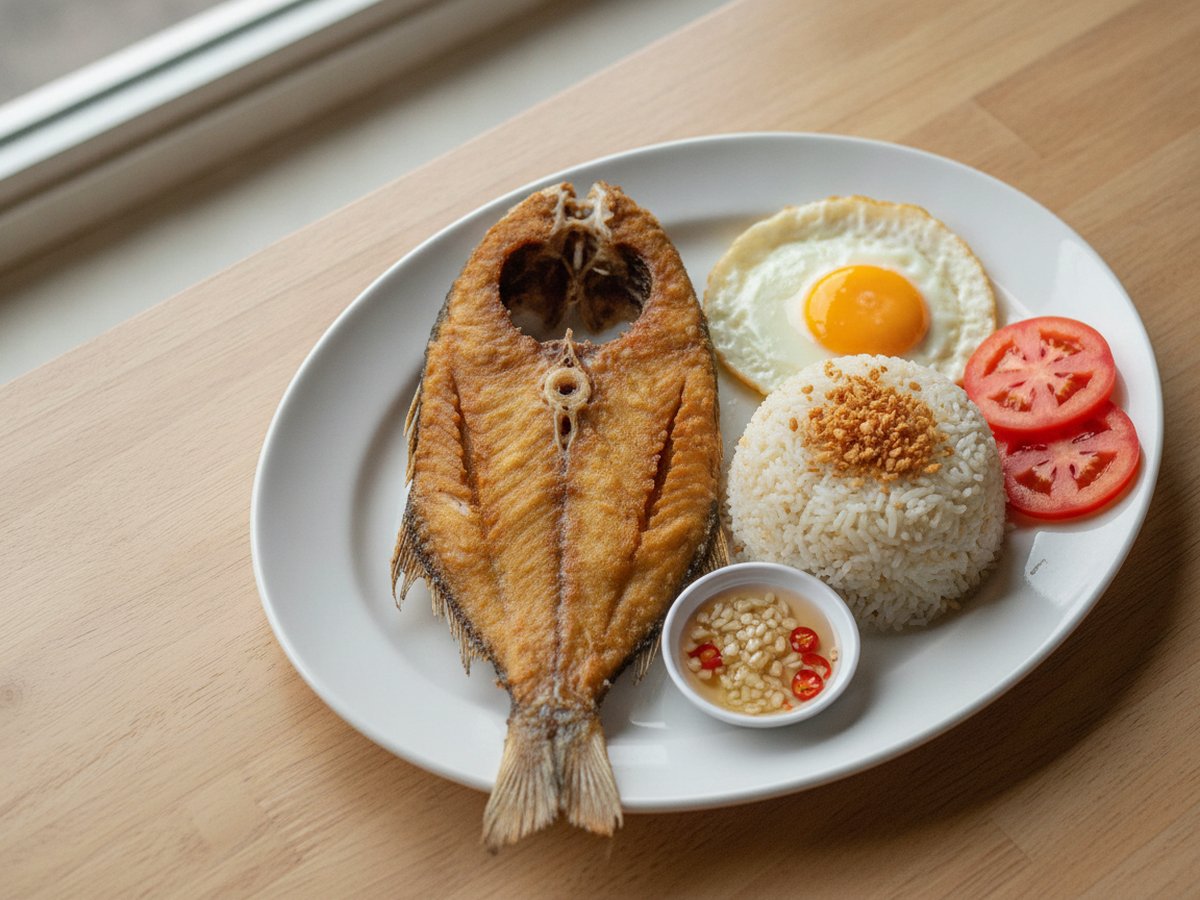
- Fried bangus is seasoned and pan-fried until golden, with no vinegar stew at all.
- Cheesy baked bangus is boneless milkfish baked with a creamy, cheesy topping. It is the rich one of the family.
Paksiw na bangus ingredients
You need milkfish, vinegar, water, ginger, garlic, onion, long green chilies, whole peppercorns and salt, plus one vegetable. Eggplant is the usual choice.
- Bangus (milkfish). One large fish feeds four. Fresh is best here, because the broth hides nothing. Clear eyes and firm flesh are what to look for.
- Vinegar. Cane or white vinegar. Half a cup to a cup of water gives a sour broth that is still pleasant to drink with rice.
- Ginger. A whole thumb, sliced and crushed. It is the main flavour after the vinegar, and it softens the fishy edge.
- Long green chilies (siling haba). Mild and fragrant, more aroma than heat. Use 2 if you want it gentler.
- A vegetable. Eggplant, ampalaya (bitter melon) or okra. Eggplant soaks up the broth. Ampalaya adds a bitter note that some people love with the sour.
- Oil. Just a teaspoon, drizzled at the end. A little fat rounds off the sharpness of the vinegar.
A note on the amounts. We compared nine published recipes for this card. Every quantity on it is one that at least two of them use. Where they split evenly, such as 4 or 5 cloves of garlic, the card takes one value and this page says so.
How to cook paksiw na bangus
Layer the vegetables in the pot, lay the fish on top, pour in the vinegar and water, and simmer covered for about 15 minutes. Then drizzle in a little oil and serve.
 Clean and cut the bangus.
- Line the pot with the vegetables.
- Lay the fish on top.
- Add vinegar and water, do not stir.
- Cover and simmer 15 minutes.
- Drizzle oil, serve with rice.
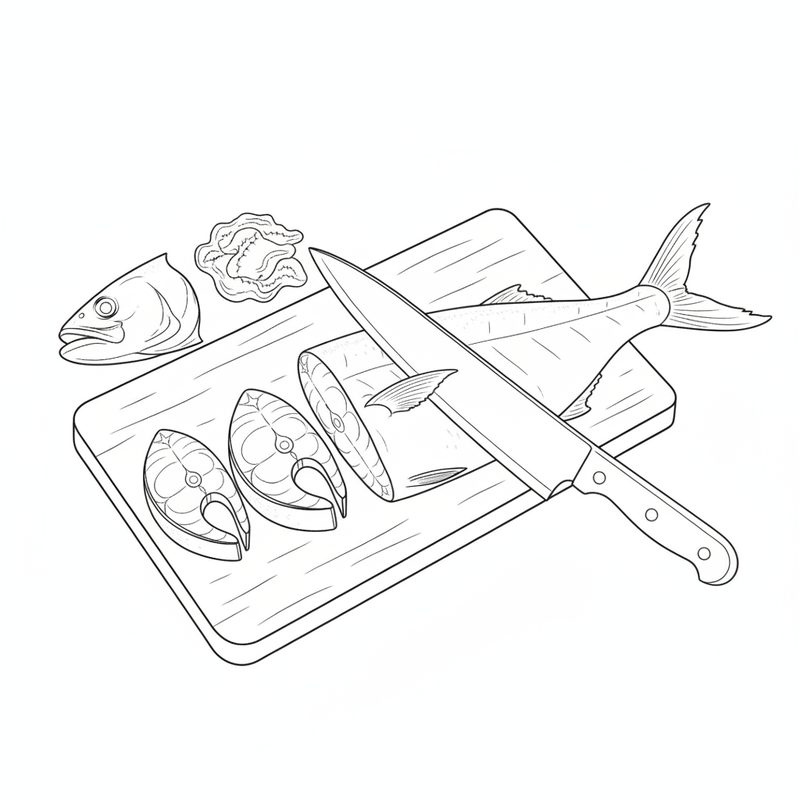
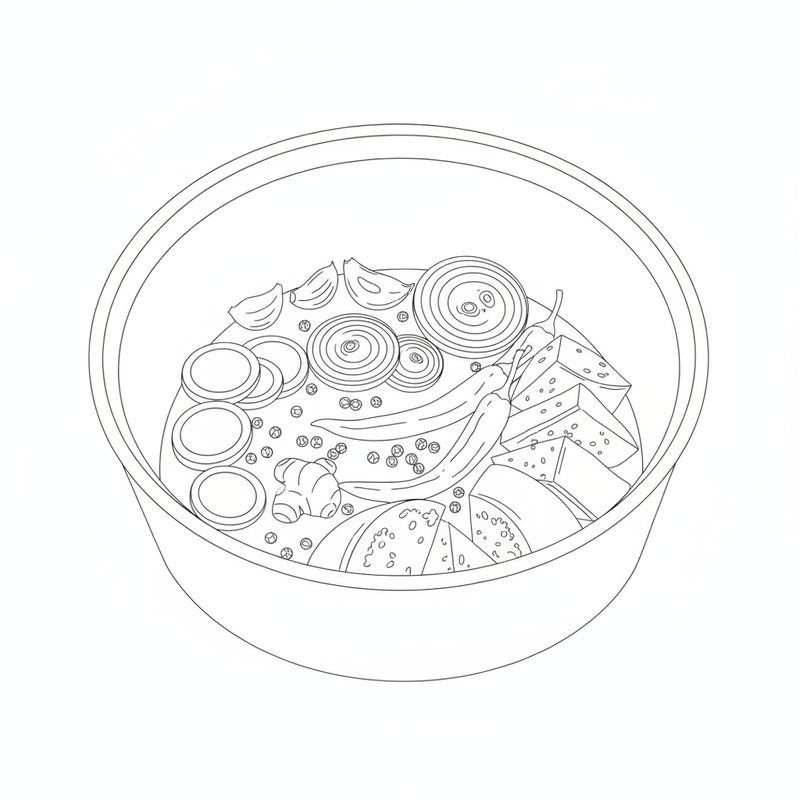
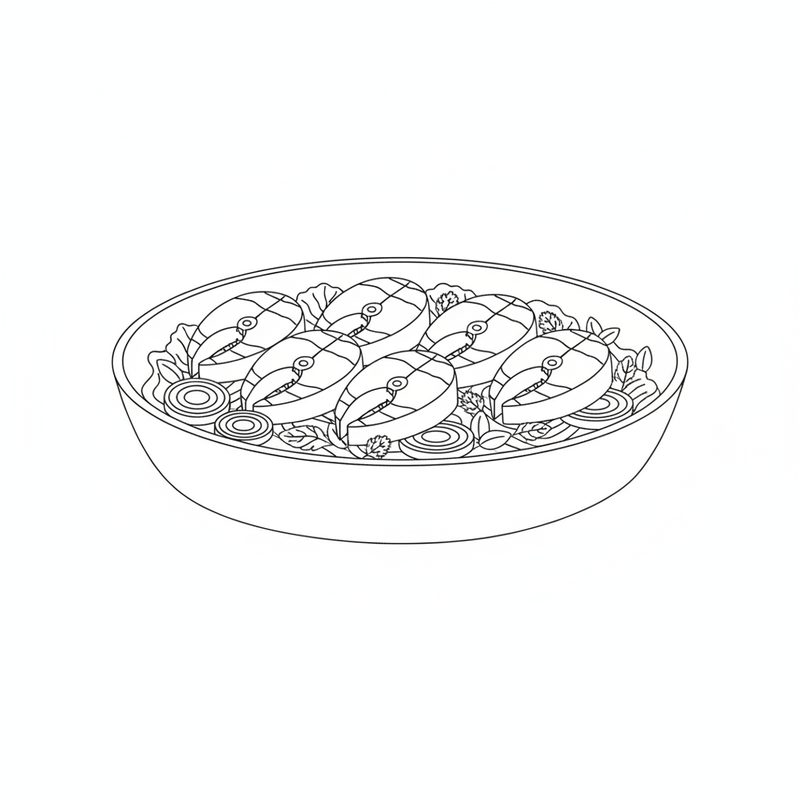
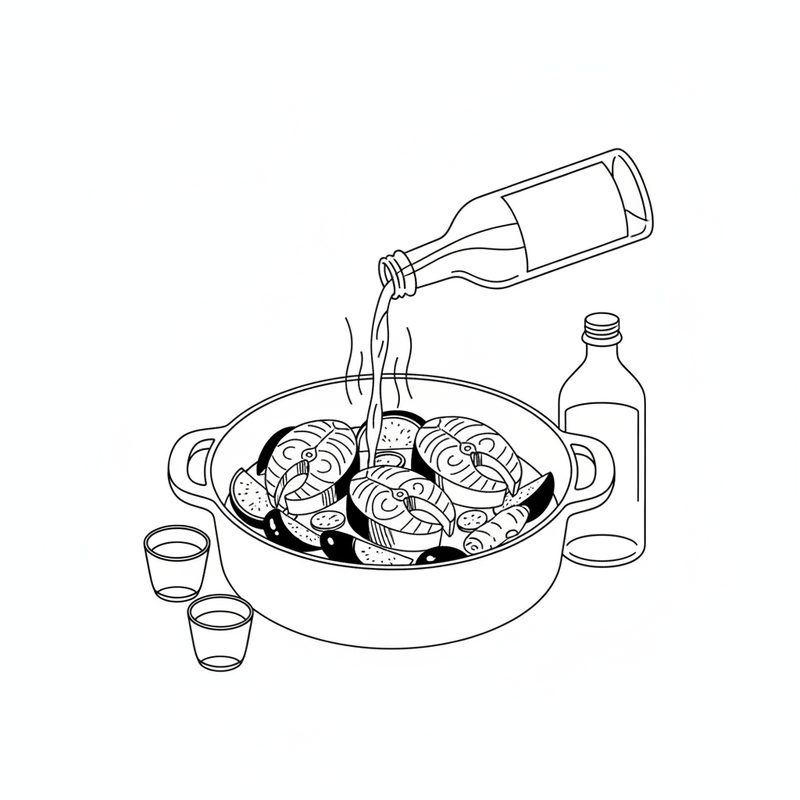
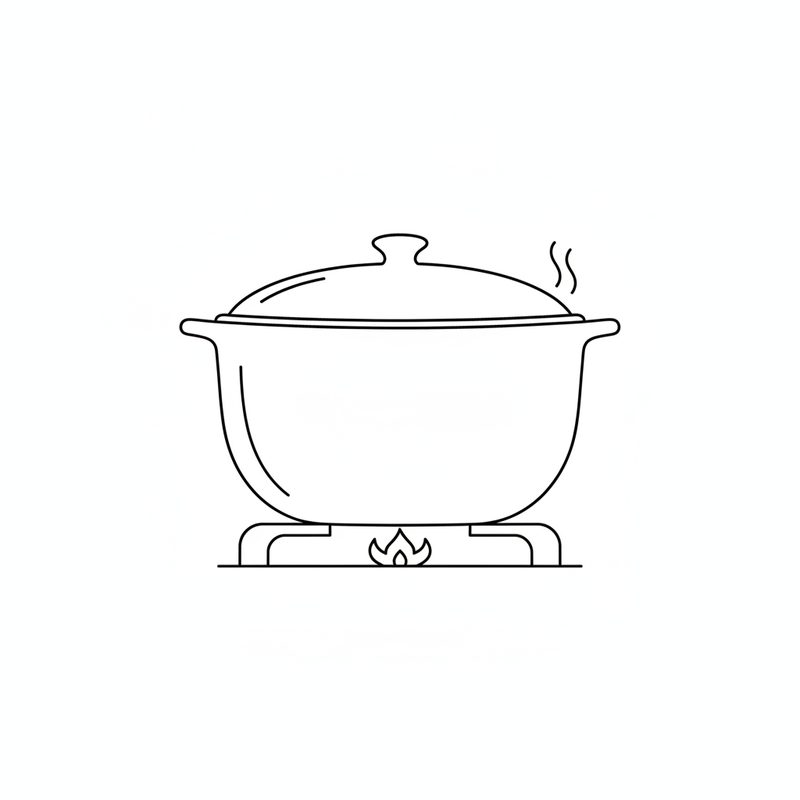
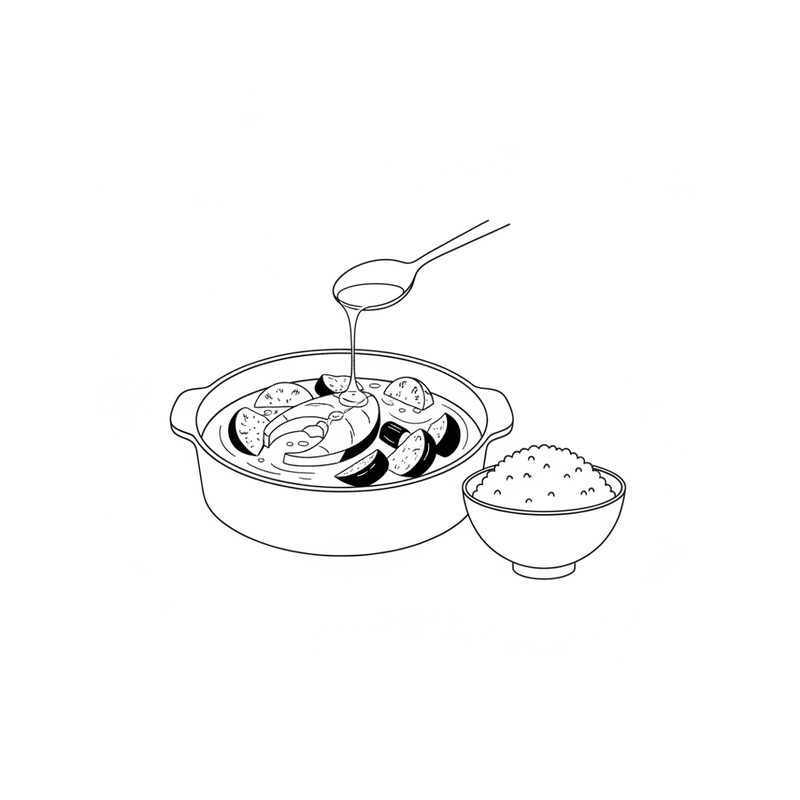
Why the vegetables go underneath: they lift the fish off the hot base so the skin does not stick and tear, and they sit in the broth where they cook through.
Why you do not stir: the usual advice is to let the vinegar come to a boil before you touch the pot, so it cooks down instead of being stirred in raw. After that, tilt the pot instead of stirring, so the fish pieces stay whole.
How to tell it is done: the flesh turns opaque, white all the way to the bone, and separates easily with a fork. The US FDA gives 145°F (63°C) as the safe internal temperature for most seafood.
How many minutes to cook paksiw na bangus?
About 15 minutes of simmering after it comes to a boil. The recipes we compared range from 10 to 30 minutes, and most land on 15. Thicker pieces and a crowded pot take longer. Check one piece near the bone before you take it off the heat.
Scales on or scales off?
Either is fine. Some of the recipes we compared clean the fish but leave the scales on, others scale it first. Kawaling Pinoy calls it a matter of preference, and the dish works both ways. If you leave them on, you eat around them.
What is the best fish for paksiw?
Bangus is the most common, because it is cheap, meaty and widely sold. The same paksiw method works with other firm fish, which is what paksiw na isda means. Choose whatever is freshest, since a vinegar broth shows off a fresh fish and exposes a tired one.
Variations
- With ampalaya: add a sliced small bitter melon with the eggplant, or use it instead.
- With okra: lay a few whole okra under the fish with the other vegetables.
- With fish sauce: season with a little patis instead of some of the salt, for a rounder, saltier broth.
- Spicier: add a couple of small siling labuyo along with the long green chilies.
What to serve with paksiw na bangus
Steamed white rice, always. Spoon the broth over it. A small dish of fish sauce with chopped chili on the side lets everyone adjust the salt. For a fuller meal, add a simple vegetable dish or a fried side.
Storing and leftovers
Paksiw keeps better than most fish dishes because of the vinegar. Cool it, then store it in an airtight container in the fridge for up to 3 days. Do not leave the cooked fish out at room temperature for more than 2 hours.
Reheat gently in a saucepan until it is steaming hot, 165°F (74°C) in the middle. Or drain the broth and pan-fry the leftover pieces until the skin crisps. It turns into a different meal, very good with garlic fried rice for breakfast.
It is a dish people cook in quantity on purpose. Make the full fish, eat half tonight, and fry the rest tomorrow.
Paksiw na bangus questions
Questions people ask
What are the ingredients of paksiw na bangus?
Milkfish (bangus), vinegar, water, ginger, garlic, onion, long green chilies, whole peppercorns, salt and a little cooking oil, plus a vegetable, usually eggplant, ampalaya or okra.
What is paksiw na bangus in English?
Milkfish stewed in vinegar, or milkfish vinegar stew. Paksiw is the Filipino method of cooking in vinegar, and bangus is milkfish.
Do you stir paksiw?
Not while the vinegar comes to the boil. Leave the pot alone until it boils, then simmer it covered. When you add the oil at the end, tilt the pot gently instead of stirring so the fish stays in whole pieces.
Can I use any vinegar?
Cane vinegar or plain white vinegar are the usual choices. Use a plain, clear vinegar; a sweet or strongly flavoured one changes the dish.
Is paksiw na bangus healthy?
It is a lean way to cook fish: simmered, not fried, with only a teaspoon of oil and plenty of vegetables. This page does not give calorie or nutrition figures, because none of the recipes behind this card publishes one we could check.
How long does paksiw na bangus last?
Up to 3 days in an airtight container in the fridge. Reheat it until it is steaming hot all the way through.