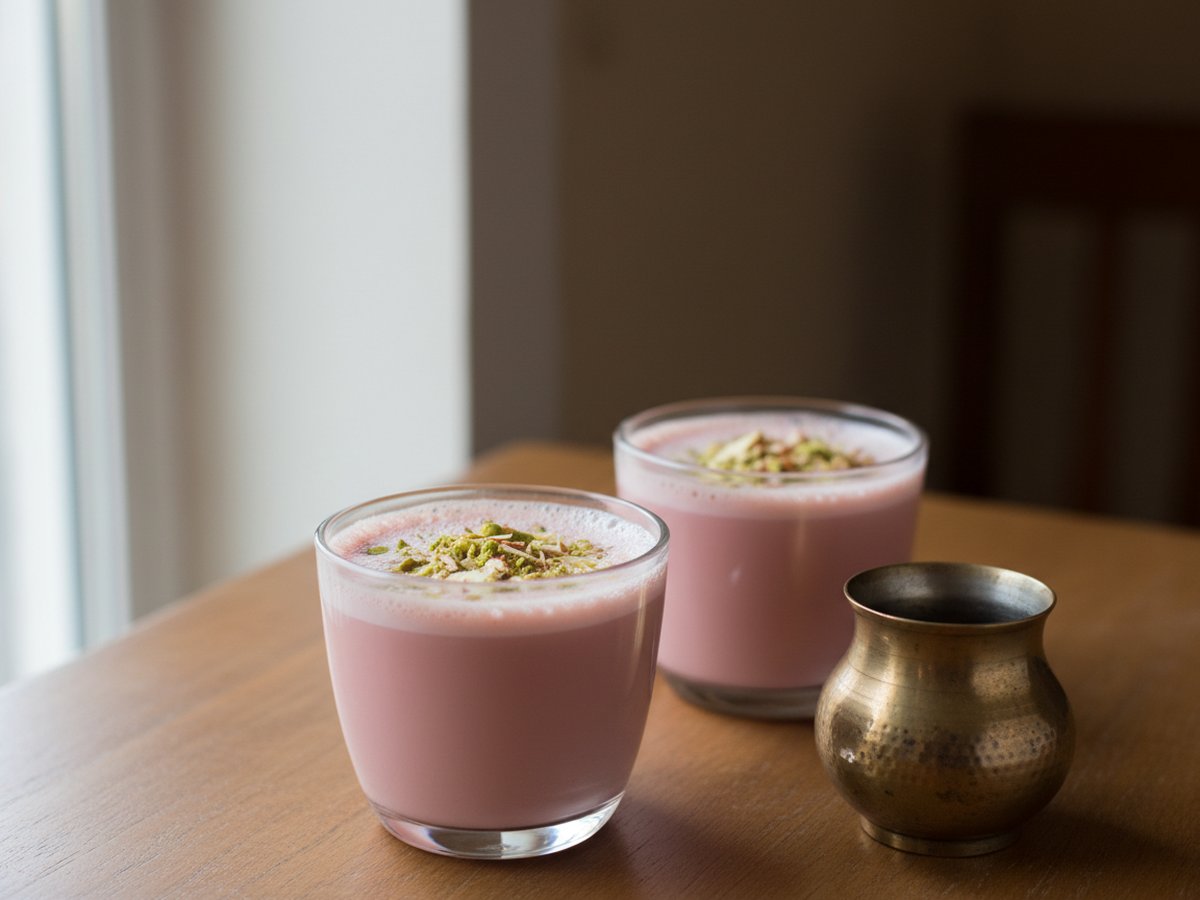
Pink tea is Kashmiri chai: green tea leaves boiled with a pinch of baking soda until the liquid turns deep red, shocked with cold water, then finished with milk and salt, which turns it a soft pink. It is also called noon chai, from the word for salt, and it takes about 20 minutes to make two cups at home.
The one thing that decides whether it turns pink is the baking soda, and the amount is a pinch, not a spoonful. Everything else on this page is about getting that colour without a soapy taste.
Last updated
Recipe
Pink Tea Recipe (Kashmiri Chai)
Ingredients
Method
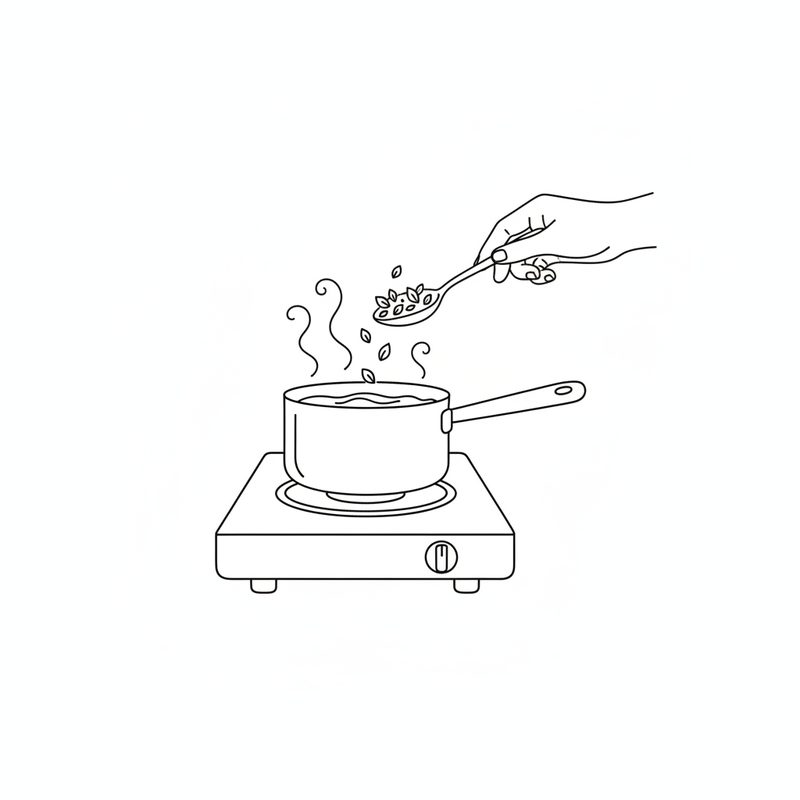
- Put 500-600 ml (2-2½ cups) water, 2 tsp green tea leaves, the crushed cardamom and the cinnamon and star anise, if using, in a saucepan and bring to a boil over high heat.
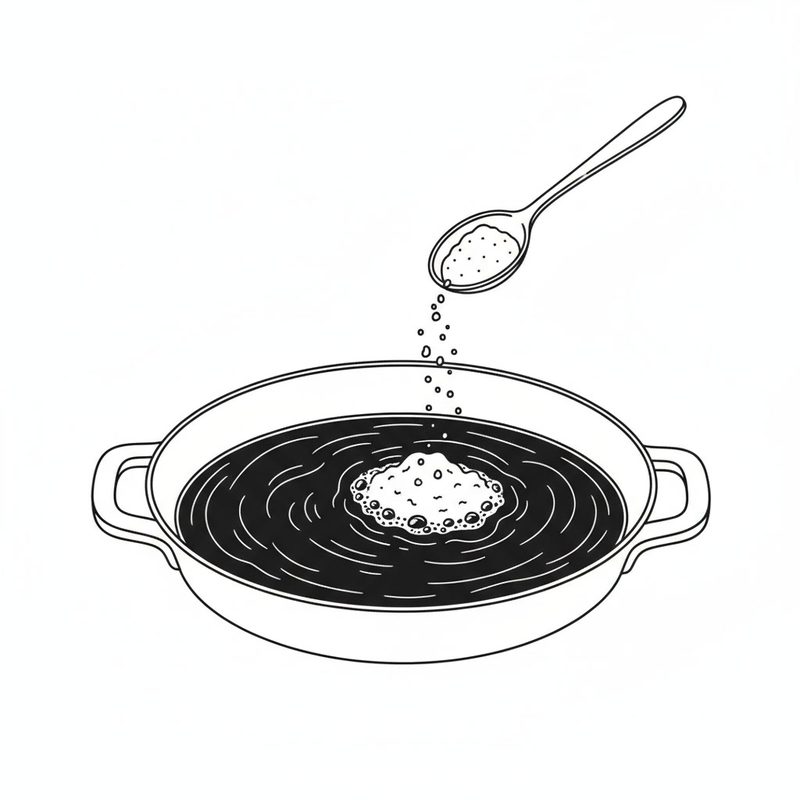
- Add a pinch of baking soda. It will fizz. Simmer uncovered for about 10 minutes, until the liquid has reduced noticeably and turned a deep red-brown.
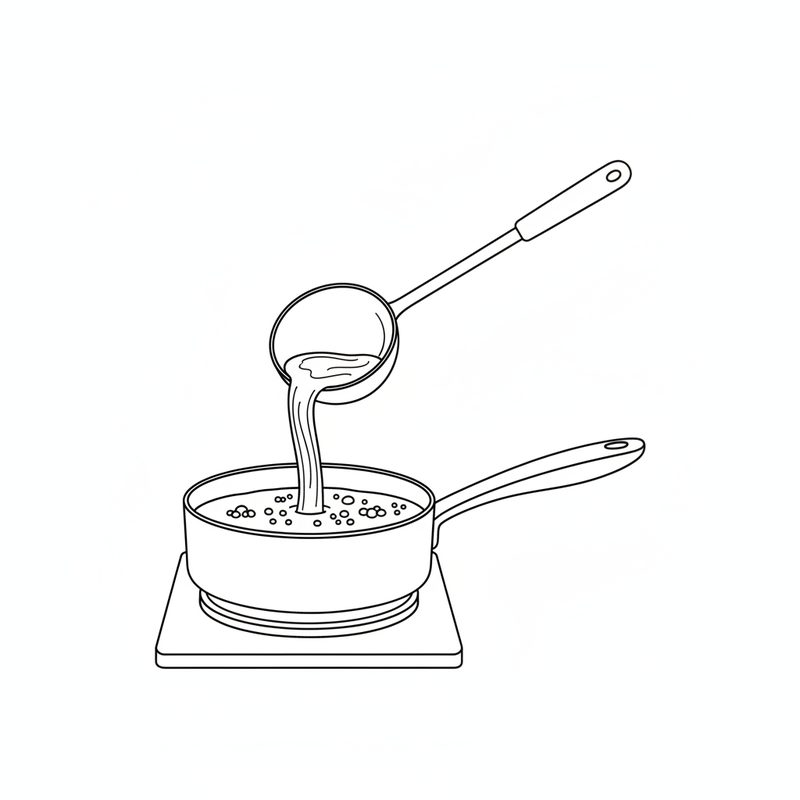
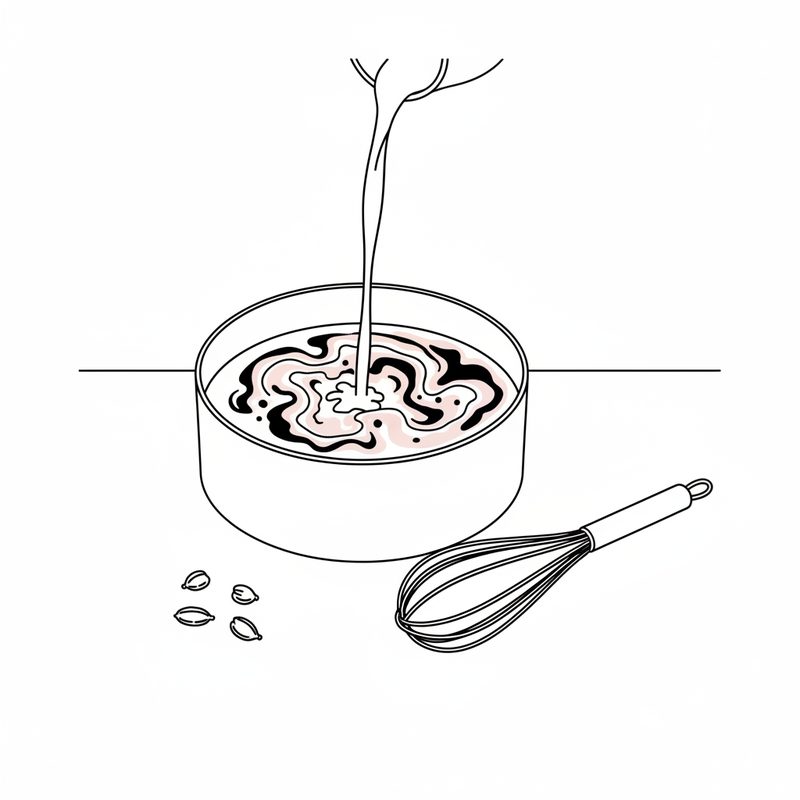
- While it simmers, lift a ladleful high and pour it back into the pan every minute or two. This makes froth and helps the colour.
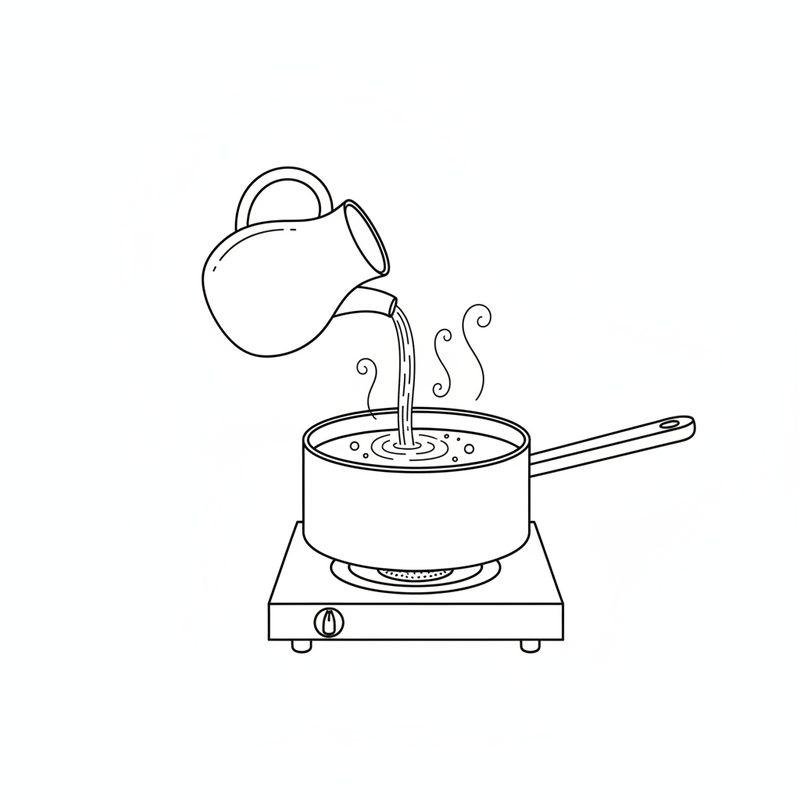
- Pour in 120 ml (½ cup) cold water and aerate a few more times.
- Add 400 ml (1⅔ cups) whole milk and the salt, and sugar if you want it sweet. Bring just to a boil and simmer gently for no more than 5 minutes; a long boil dulls the pink. Taste and adjust the salt.
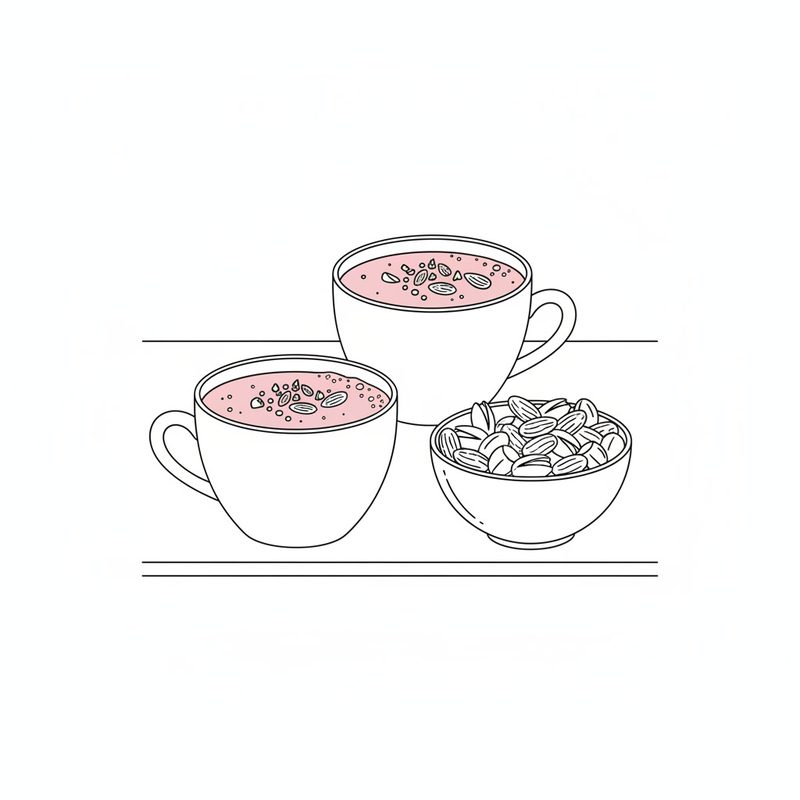
- Strain into two cups and top with the crushed pistachios and almonds.
What is pink tea made of?
Pink tea is made of green tea leaves, water, baking soda, milk and salt. Green cardamom is in every version checked for this page, and cinnamon, star anise and a topping of crushed pistachios and almonds are common additions. There is no food colouring in it.
The leaves matter. Recipes call for Kashmiri chai leaves or gunpowder green tea; Tea for Turmeric also allows any green tea that is not bitter. The colour reaction depends on the polyphenols in green tea, so do not swap in black tea.
Why does Kashmiri tea turn pink?
Kashmiri tea turns pink because baking soda is alkaline, and green tea polyphenols shift from pale to a deep red-brown in alkaline water. The milk then dilutes that red to pink. Wikipedia’s entry on noon chai and Monk’s Chai both describe the same sequence: long boiling, soda, cold water, then milk.
The cold water is the easiest step to skip, and it is the one that fixes the colour. Published recipes call it shocking or quenching the tea. Tea for Turmeric uses ice water; Bon Appétit and Monk’s Chai use plain cold water. Aerating the tea by lifting ladlefuls high and pouring them back adds froth and, according to Tea for Turmeric, deepens the colour.
If your tea comes out beige or brownish rather than pink, the usual causes are too little boiling before the milk goes in, black tea instead of green, or boiling the tea hard after the milk is added. Tea for Turmeric warns that a long boil at the end dulls the pink.
Why these quantities
The card uses the amounts that at least two of three published recipes agree on. Bon Appétit (adapting Romy Gill’s On the Himalayan Trail) and Monk’s Chai both use 2 teaspoons of leaves, a pinch of baking soda and half a cup of cold water for two servings. Tea for Turmeric uses 2 tablespoons of leaves, three times as much, and boils the water down almost to nothing; that gives a stronger, darker tea.
Salt is where the sources split most: a quarter teaspoon at Tea for Turmeric, half a teaspoon at Monk’s Chai, a full teaspoon at Bon Appétit. The card gives the whole range with half a teaspoon as the default. Start there, taste, and add more; you cannot take it out.
Cardamom varies too. The card follows Monk’s Chai at 3 to 4 crushed pods; Tea for Turmeric uses 6 to 8 whole pods, and Bon Appétit a teaspoon of crushed seeds.
Baking soda is the quantity to respect. A pinch is enough for 500 ml of water, and Monk’s Chai notes that too much makes the tea taste soapy. Tea for Turmeric’s heaped eighth of a teaspoon is the most any source here uses, so treat it as the ceiling. For how a pinch compares with measured spoons, see how many teaspoons are in a cup.
Pink tea, step by step
 Boil the water, tea leaves and spices.
- Add a pinch of baking soda and simmer until deep red.
- Ladle the tea high and pour it back to aerate.
- Shock the tea with cold water.
- Add the milk and bring it just to a boil.
- Strain into cups and top with nuts.
Salt or sugar?
Traditional noon chai is salted, and sugar is the adaptation. Every source here includes salt; Tea for Turmeric adds both salt and 2 to 2½ tablespoons of sweetener, and Monk’s Chai offers sugar as a replacement for salt in a sweet version.
Both versions are made the same way up to the last step, so you can decide at the end, or split the pan and season two cups differently.
The slower concentrate method
The shorter route is the one on the card; the longer one makes a concentrate called kahwa. Flour & Spice boils 6 tablespoons of leaves and a teaspoon of baking soda in 8 cups of water for about an hour until it halves, strains it, then pours in 2 cups of ice-cold water from a height and aerates it for 5 to 8 minutes until the foam turns pink. Each cup is then about a third of a cup of concentrate heated with two-thirds of a cup of milk.
What the quick method loses is depth of colour and the thick froth. What it gains is that you can make two cups in 20 minutes without planning. The concentrate suits a crowd, because once it is made each cup takes a few minutes.
Variations
- Richer: replace some of the milk with half and half or single cream, as Tea for Turmeric does.
- Spiced: add a small cinnamon stick and one or two star anise to the first boil.
- Saffron: Monk’s Chai suggests a pinch of saffron for aroma.
- Dairy-free: oat or almond milk work, though Monk’s Chai notes the colour comes out softer.
Serving and storing
Serve pink tea hot, straight after straining, topped with crushed pistachios and almonds. Bon Appétit suggests keeping it in a Thermos to drink later. Reheat gently rather than boiling it again, for the same reason the recipe stops at a light boil.
For a spiced black-tea chai made the ordinary way, see the masala chai recipe. Pink tea also sits well beside a milk sweet such as ras malai, which shares its cardamom and pistachio.
Questions people ask
What does pink tea taste like?
Salted pink tea tastes creamy and lightly savoury, with cardamom coming through. With sugar instead of salt it tastes closer to a sweet milky chai.
Is pink tea the same as noon chai?
Yes. Pink tea, Kashmiri chai, noon chai and sheer chai are names for the same drink; noon means salt in Kashmiri, according to Wikipedia, which also lists gulabi chai. Sheer comes from the Persian word for milk.
Does pink tea have caffeine?
Yes. It is made from green tea leaves, so it contains caffeine; Monk’s Chai estimates a moderate amount per cup, depending on how strong it is brewed.
What does the phrase pink tea mean?
Pink tea is the English name for Kashmiri chai, named after its colour. Wikipedia notes that tea pink is also used as a colour name, for example for textiles.
Can I use black tea?
No. Every recipe checked for this page uses green tea, because the pink comes from green tea polyphenols reacting with baking soda.