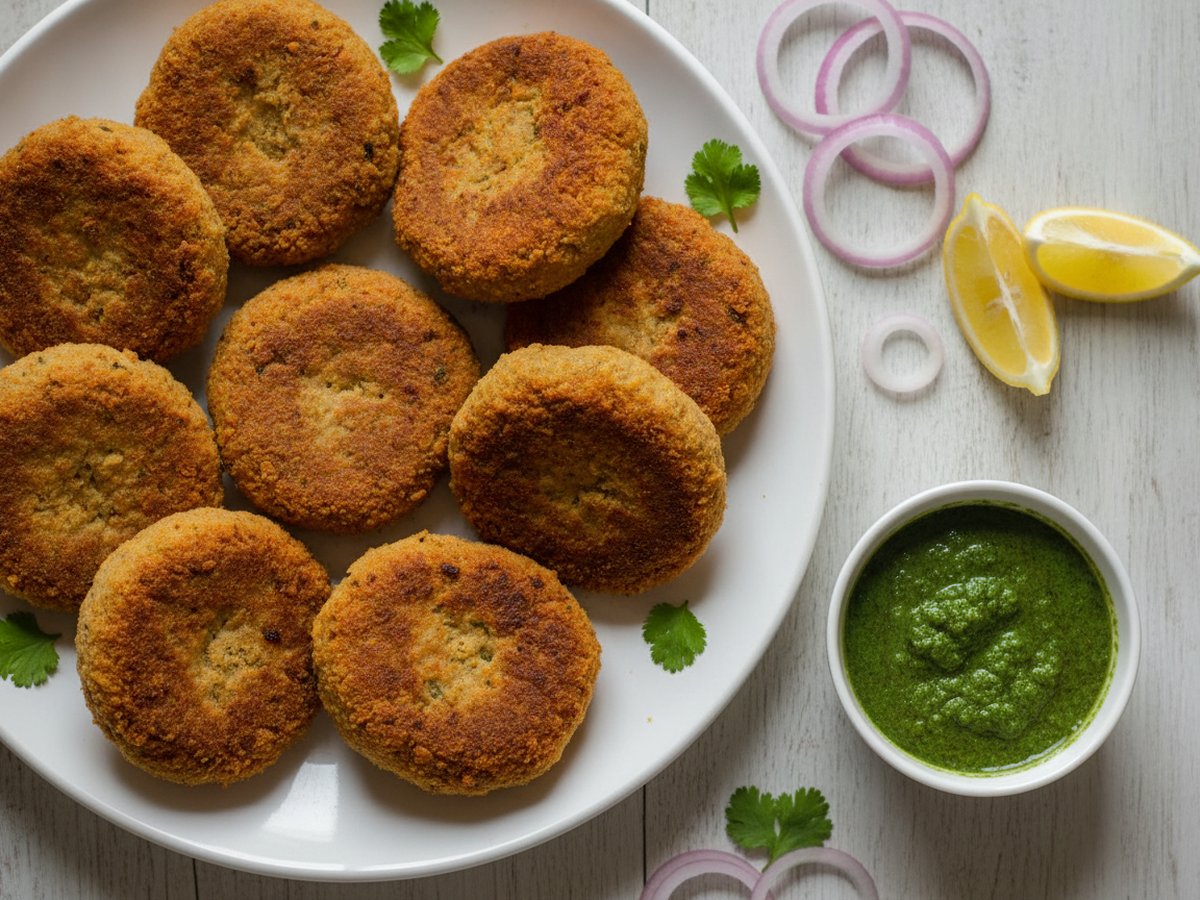
Shami kabab is a small, flat patty of beef and chana dal (split Bengal gram) simmered together with whole spices, cooked dry, mashed, mixed with raw onion, green chilli and fresh herbs, then dipped in egg and shallow-fried. This recipe makes about 20 kababs and takes around 2 hours, plus soaking the dal.
One thing decides whether they hold together in the pan: the meat and lentil mixture has to be cooked until it is completely dry and sticks to the bottom of the pot. A wet mixture is the reason shami kababs crack and fall apart.
Last updated
Recipe
Shami Kabab (Pakistani Lentil and Meat Patties)
Ingredients
Whole spices, ground
To cook
Fresh mix-ins
To fry and serve
Method
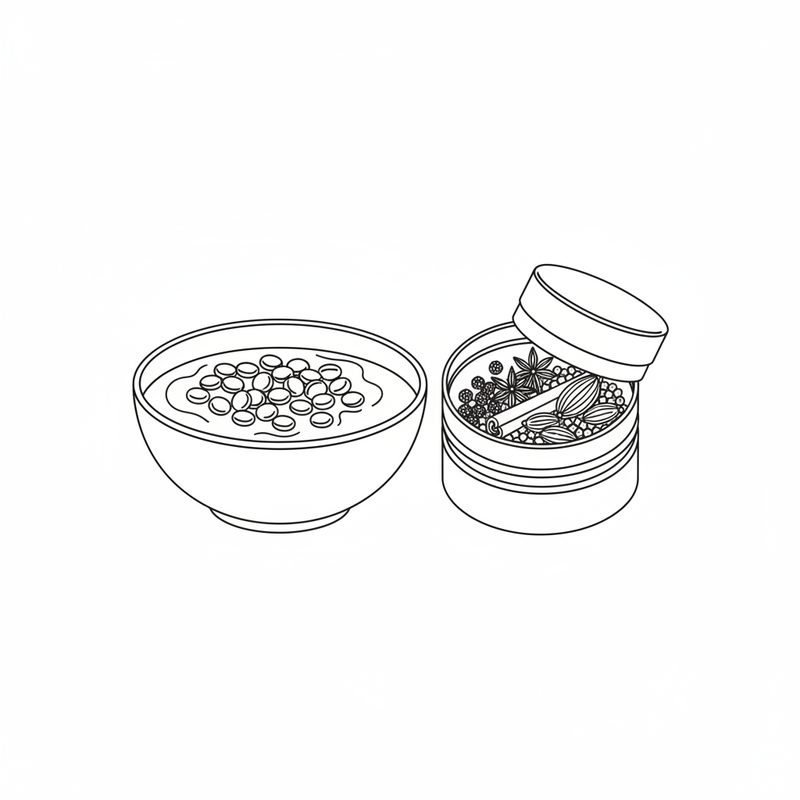
- Rinse the chana dal and soak it in water for at least 1 hour, or 4 hours to overnight if you have time. Grind the whole spices to a fine powder in a spice grinder or mortar.
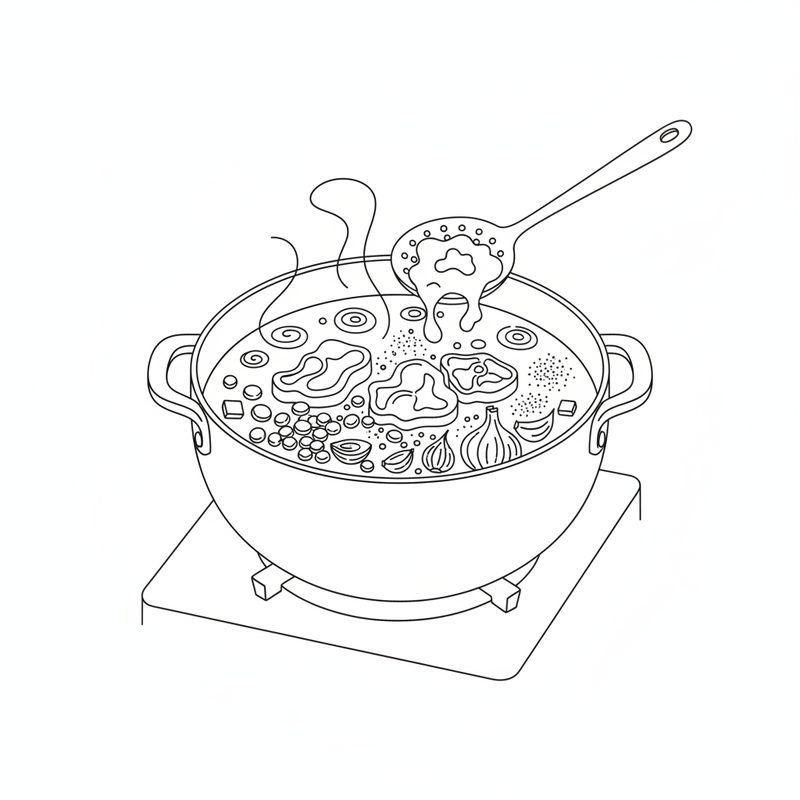
- Put the beef, drained dal, chopped onion, garlic, ginger, ground spices, chilli flakes, salt, bay leaf and 720 ml (3 cups) water in a heavy pot. Bring to a boil and skim off the foam.
- Lower the heat, set the lid ajar and simmer for 50 to 60 minutes, stirring now and then, until the dal crushes easily and the meat falls apart. Add a splash of water if it dries out before then.
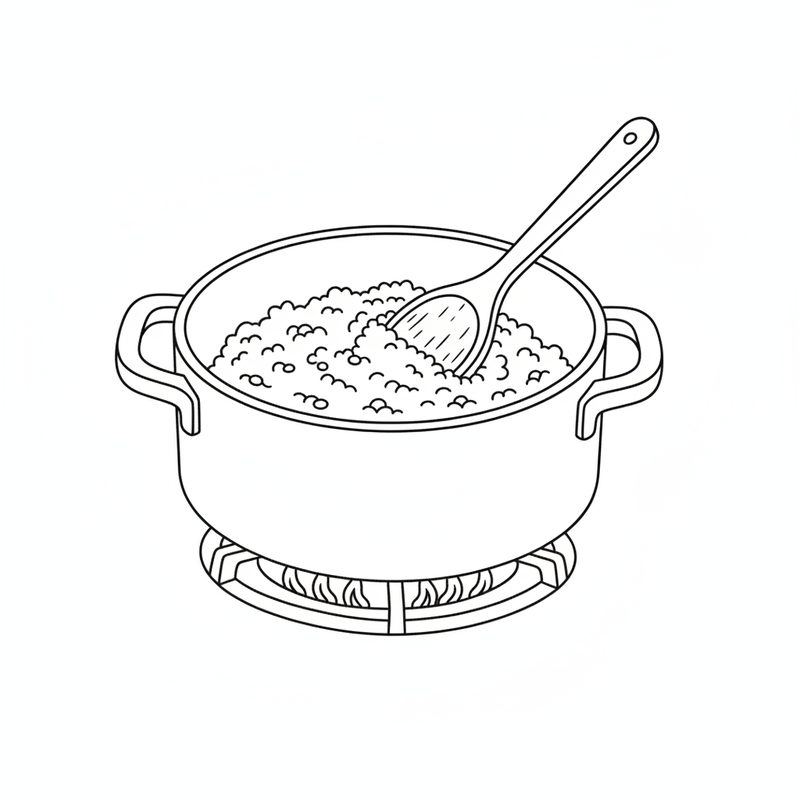
- Turn the heat to high and stir constantly until all the liquid is gone and the mixture starts sticking to the bottom of the pot. Remove the bay leaf and let it cool.
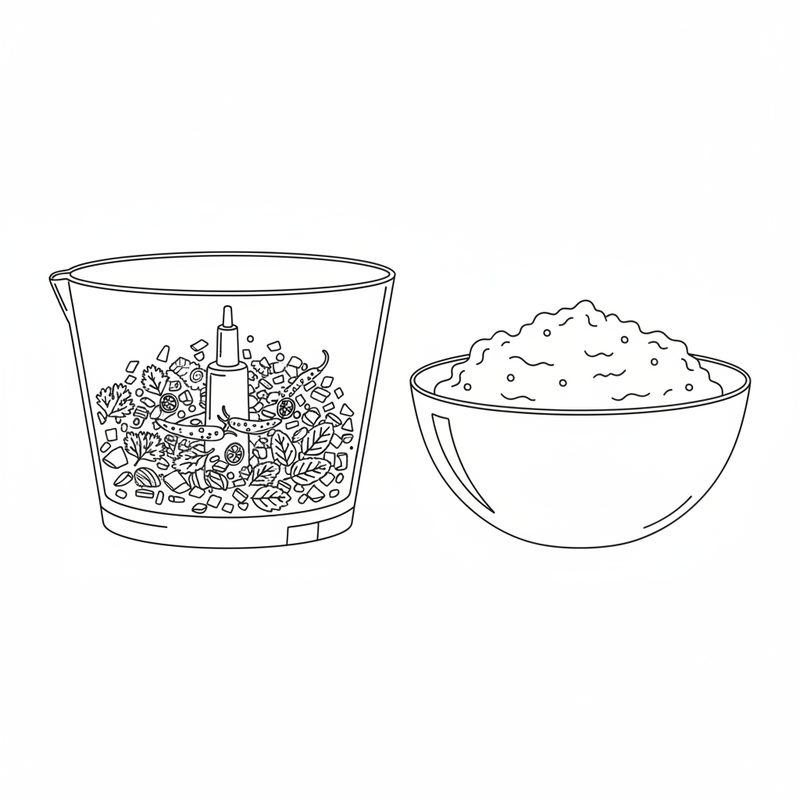
- Pulse the small onion, green chillies, coriander and mint in a food processor until finely chopped but not a paste.
- Process the cooled meat mixture in batches until smooth, or mash it by hand for a shredded texture. Mix in the herb mixture and chaat masala, then taste and adjust the salt and chilli.
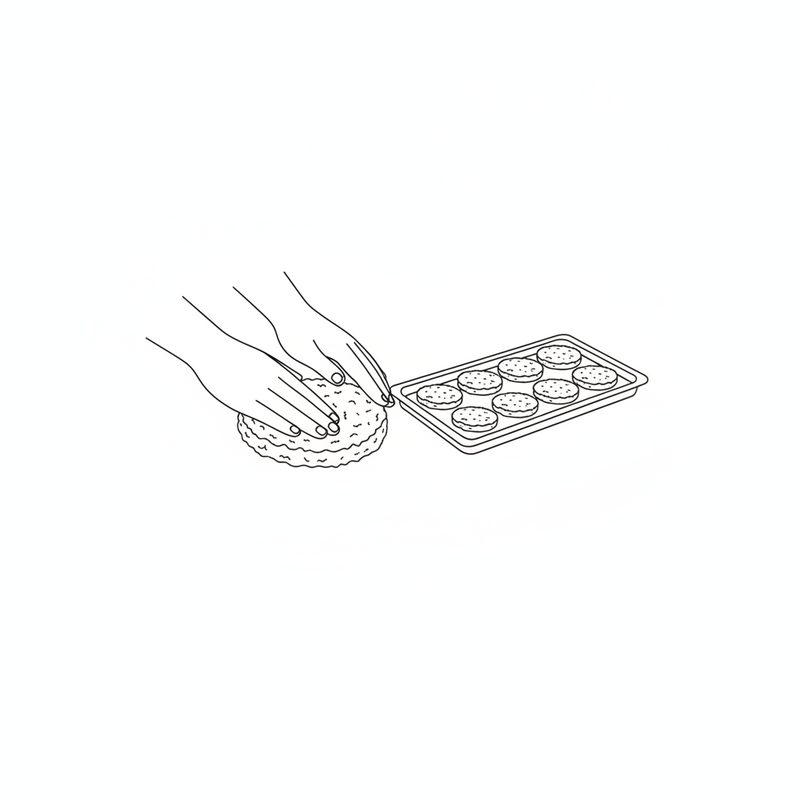
- With oiled or damp hands, shape about 1/4 cup of mixture at a time into flat rounds about 7 cm (2 3/4 inch) across. You should have about 20.
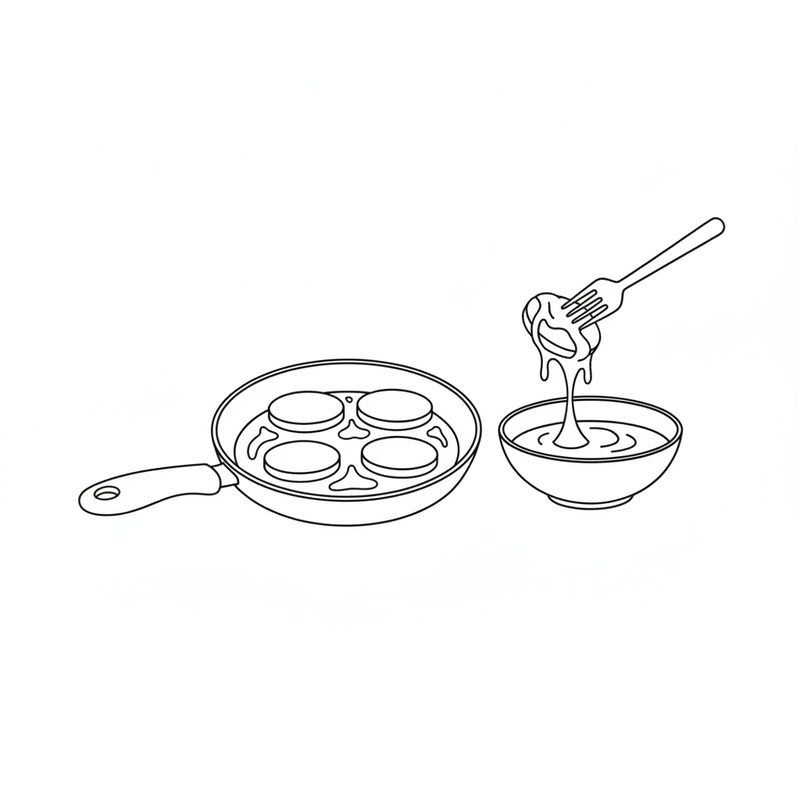
- Heat enough oil to coat a large frying pan over medium heat. Fry one test kabab first. Dip each kabab in the beaten egg and fry a few at a time for 3 to 5 minutes per side until deep golden. Drain on kitchen paper and serve hot.
What is shami kabab?
Shami kabab is a meat and lentil patty from the kitchens of Pakistan and north India. Unlike most kababs, the meat is not raw when it is shaped. It is boiled with chana dal and whole spices until both fall apart, ground or pounded, and only then formed into rounds and fried.
That is why the inside is soft and almost creamy while the outside is crisp. Beef and mutton are the usual meats in Pakistani homes; chicken is common too and cooks faster.
Most accounts, including Google’s own summary, place the dish in Mughal-era kitchens around Lucknow. The story of who made it first, and where the name comes from, is told in more than one way, and none of the versions is settled.
The step most people get wrong
The step most people get wrong is stopping the cooking while there is still liquid in the pot. When the meat and dal are tender, turn the heat up and keep stirring until every bit of moisture has gone and the mixture starts to catch on the base of the pan.
It looks right when it pulls away from the spoon in a thick, dry mass and leaves a light film on the bottom of the pot. If you press a spoonful between your fingers once it has cooled, it should hold a shape without feeling sticky or wet.
Flour & Spice recommends frying one test kabab before shaping the rest, and it is the best habit in this recipe. If the test kabab spreads or splits, the mixture needs more drying, and you find out with one kabab instead of twenty.
Beef cubes or beef mince?
Both work, and the sources split on it. Fatima Cooks strongly recommends chunks of meat over mince, while Tea for Turmeric uses full-fat ground beef. Flour & Spice uses cubed stewing beef or mutton.
Cubes give the shredded, pulled texture that some cooks call resha style, with visible strands of meat. Mince gives a smoother, more even kabab and is easier to find. If you use mince, choose a full-fat one; lean mince makes a dry, crumbly kabab.
The texture also depends on how you mash it. A food processor run for about a minute gives the smooth, restaurant-style paste. Pounding with a wooden spoon or your hands, as Fatima Cooks does, keeps the home-style strands. Neither is the wrong one.
Step by step, in pictures
 Soak the chana dal and grind the whole spices.
- Boil the beef, dal and aromatics, skimming the foam.
- Cook it dry until it sticks to the pot.
- Chop the fresh herbs, onion and chillies.
- Mash, mix and shape into flat rounds.
- Dip in egg and shallow-fry until deep golden.
Where the numbers on the card come from
Every quantity on the card was checked against three Pakistani recipes: Tea for Turmeric, Flour & Spice and Fatima Cooks. Where at least two agree, that is the number on the card.
All three use 1 cup of chana dal. Two of the three use 1.5 lb (680 g) of meat; Flour & Spice uses 2 lb. Two of the three make about 20 kababs. All three season with roughly 2 to 2.5 teaspoons of salt.
Some numbers come from one source, and the card says so here. The 1 tablespoon of coriander seeds, the 4 cm piece of ginger, the medium onion in the pot and the optional bay leaf follow Tea for Turmeric. The 3 cups of water follows Flour & Spice, which uses 2.5 to 3 cups on the stovetop; Tea for Turmeric uses 4.5 cups and boils it off for longer.
Green chilli is a heat decision, not a fixed number. Tea for Turmeric uses 1 to 2, Fatima Cooks 3 to 4 and Flour & Spice 6. Three is a medium default. Mint ranges from 2 tablespoons (Tea for Turmeric) to half a cup (Flour & Spice); start with the smaller amount if you are unsure.
The 2 hours on the card is the median total time of the three recipes, which give 80, 120 and 120 minutes, not counting the soak. Their prep and cook splits disagree by more than double, so the card shows only the total. There is no nutrition panel: none of the three sources was used for one, and a number nobody measured is not printed here.
The shorter route
A pressure cooker cuts the simmer from about an hour to 20 or 30 minutes. Tea for Turmeric cooks the mixture for 20 minutes at high pressure with no extra water, then sautés it for around 20 minutes to dry it. Flour & Spice uses half a cup of water, 30 minutes at pressure and 5 to 7 minutes of drying.
Ready-made shami kabab masala replaces the whole spices. What you lose is control: the packet already contains salt and chilli, so Tea for Turmeric suggests starting with 1.5 teaspoons of salt and the lower amount of chilli flakes, then tasting before you add more.
How to serve shami kabab
Serve shami kababs hot, with raw onion rings, a squeeze of lemon and a green mint and coriander chutney. They are a tea-time snack on their own, a side next to rice and curry, and a filling for a paratha roll or a soft bun.
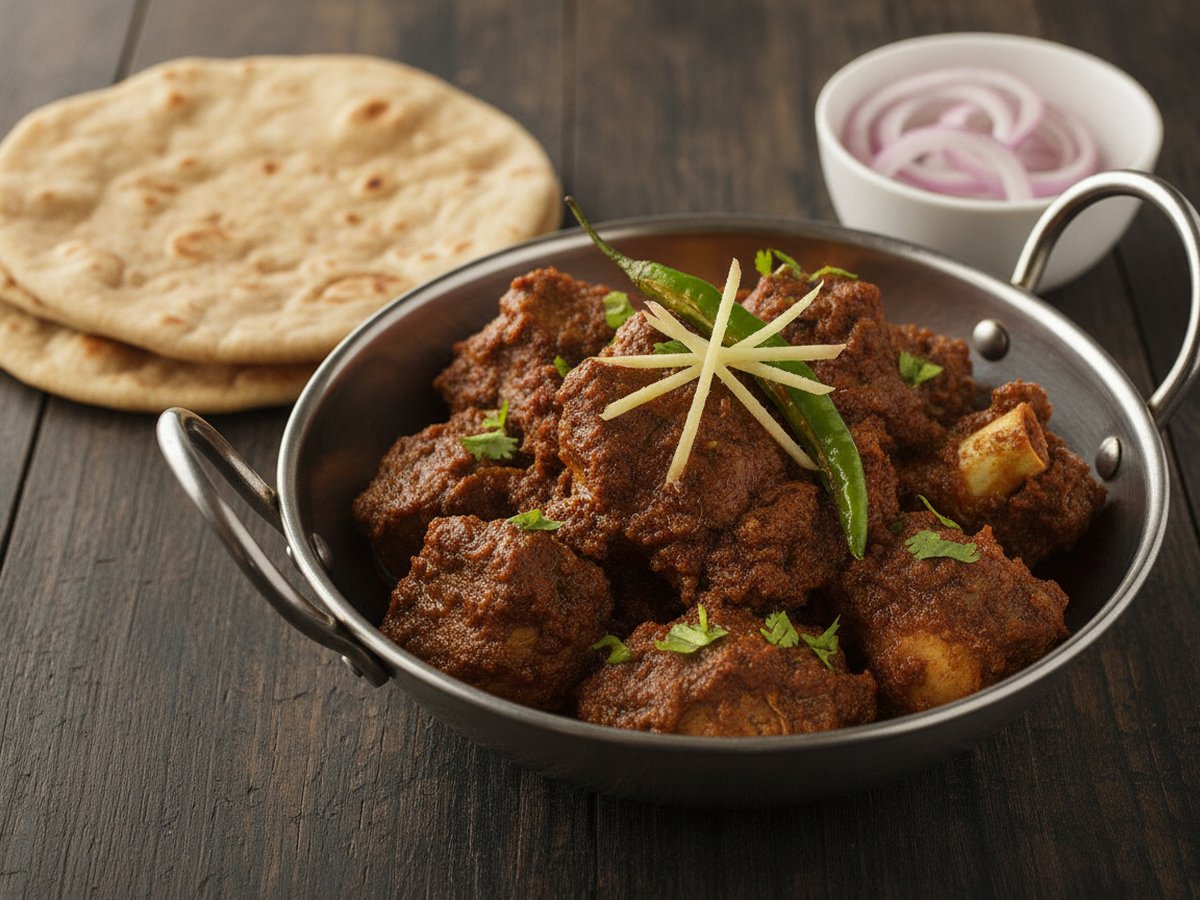
They sit naturally beside slow-cooked dishes such as nihari.
Making them ahead and freezing
Shami kababs freeze best shaped and uncooked. Both Tea for Turmeric and Flour & Spice freeze them at the shaping stage: lay the patties on a tray, freeze until firm, then move them to a freezer bag so they do not stick together. Flour & Spice keeps them for up to 6 months.
Fry them from frozen or after thawing in the fridge, dipping in egg just before they go into the pan. The cooked mixture also keeps in the fridge overnight before shaping, which Tea for Turmeric suggests if you have the time.
Shami kabab compared with other kababs
Shami kabab differs from the other common Pakistani kababs in one way: it starts from cooked meat. A seekh kabab is raw minced meat pressed onto a skewer and grilled. A chapli kabab is a wide, flat patty of raw spiced mince fried in fat. Shami is softer than both, because the lentils and the long simmer break everything down first.
Questions people ask
What is shami kabab made of?
Shami kabab is made of meat, usually beef, mutton or chicken, cooked with chana dal, ginger, garlic and whole spices, then mashed and mixed with raw onion, green chilli, coriander and mint. The patties are dipped in beaten egg and shallow-fried.
What is the difference between shami and seekh kebab?
Shami kebab is made from meat that is boiled with lentils, mashed and fried as flat patties. Seekh kebab is raw spiced mince shaped around a skewer and grilled or baked. Shami is soft inside; seekh is firmer and smoky.
Is shami kabab healthy?
Shami kabab is meat and lentils, so it is a filling source of protein, but it is shallow-fried. Frying in a non-stick pan with just enough oil to coat it keeps the added fat down. This page gives no calorie figure because none was measured.
Why do my shami kababs break when frying?
The mixture was too wet. Cook the meat and dal on high heat until all the liquid is gone and it sticks to the pot, let it cool, then fry one test kabab before shaping the rest. Dipping in egg also holds the surface together.
Can I make shami kabab with chicken?
Yes. Boneless chicken cooks faster than beef: Fatima Cooks uses about 3 cups of water and around 1.5 hours for chicken. Everything else, from drying the mixture to the egg dip, stays the same.
Can you freeze shami kababs?
Yes. Freeze them shaped but not fried, on a tray first and then in a bag. Flour & Spice keeps them frozen for up to 6 months. Dip in egg and fry when needed.